Biggest mistakes when buying property in France
Buying a home in France comes with hidden realities. From heating costs to taxes and infrastructure, here are the surprises many foreign buyers don’t expect.

Olivings
February 13, 2026 · 3 min read
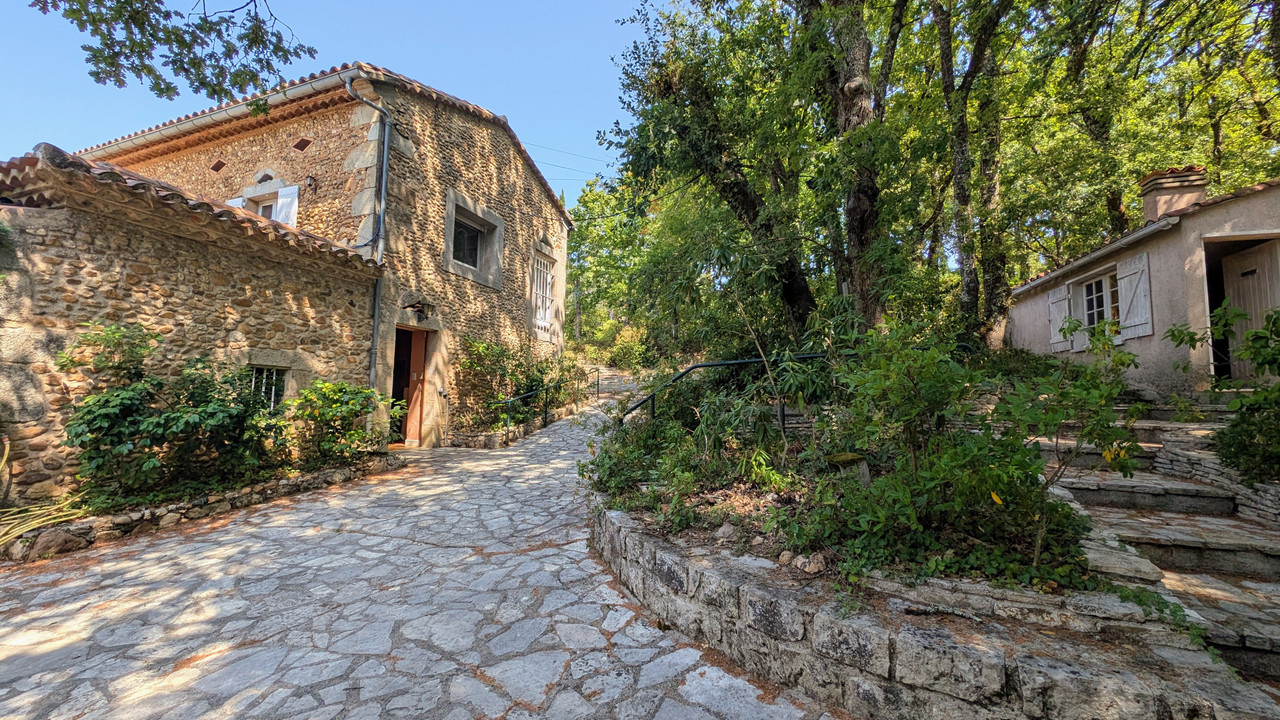
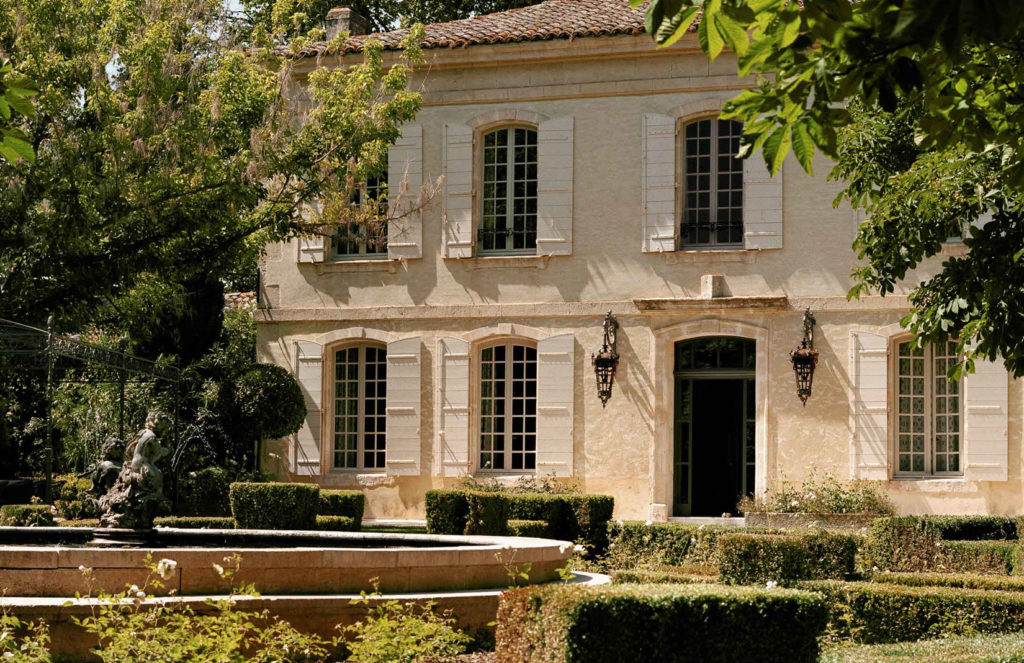
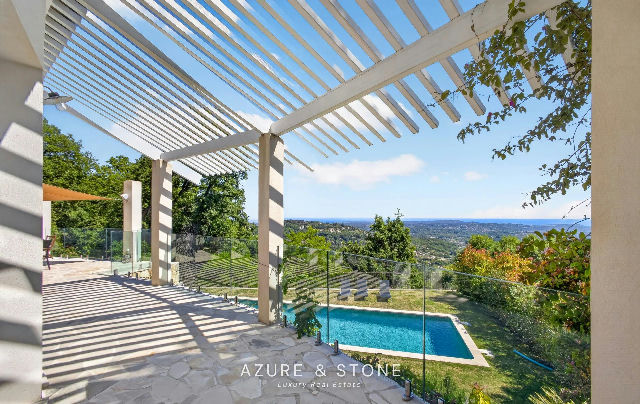
When people imagine owning a home in France, they usually picture the beautiful parts first. Shutters open to sunlight, long lunches outside, quiet countryside, maybe a glass of wine at the end of the day.
What they rarely imagine are the practical realities that come with actually living in these homes. Not because they are hidden, but because they are simply very normal in France and unfamiliar to outsiders.
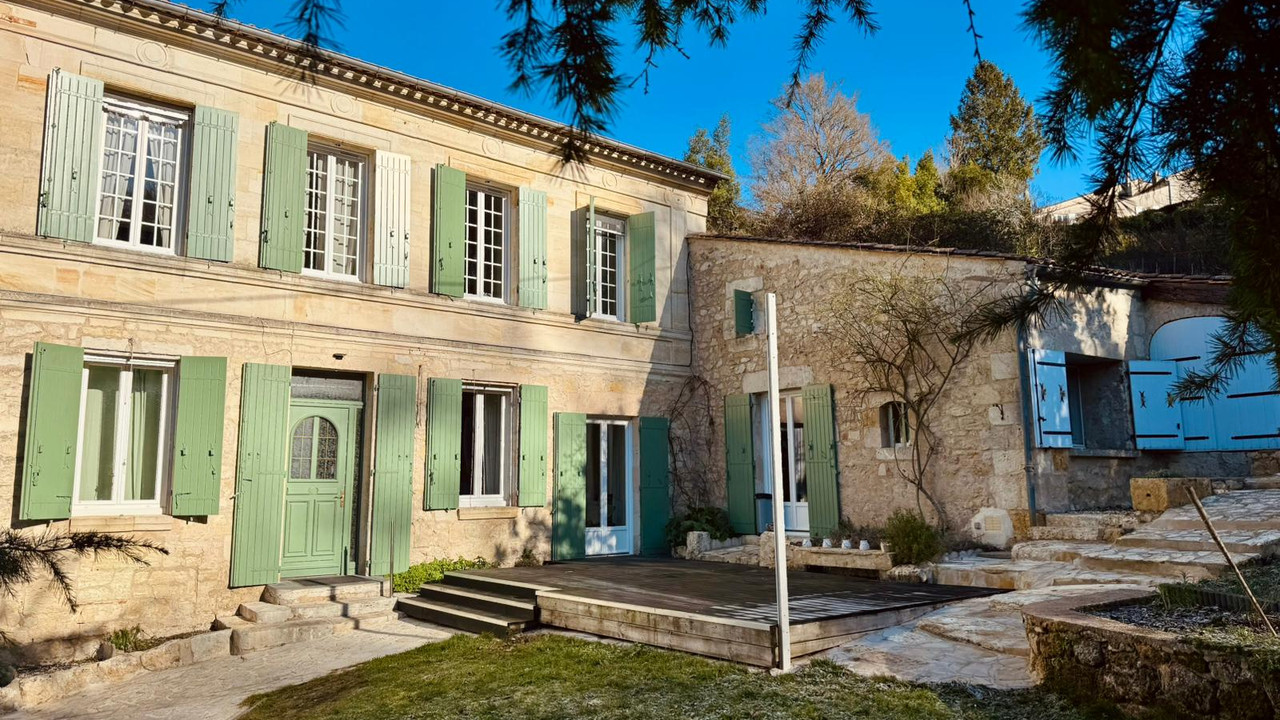
One of the biggest surprises is heating. Many rural houses are not connected to mains gas. Instead they rely on heating oil, electric systems, or wood. Old stone buildings in particular can be slow to warm up and difficult to keep warm in winter. Heating oil prices fluctuate, and filling a tank for the season can cost several thousand euros. Buyers who visit in summer often do not realize how different the house feels in January.
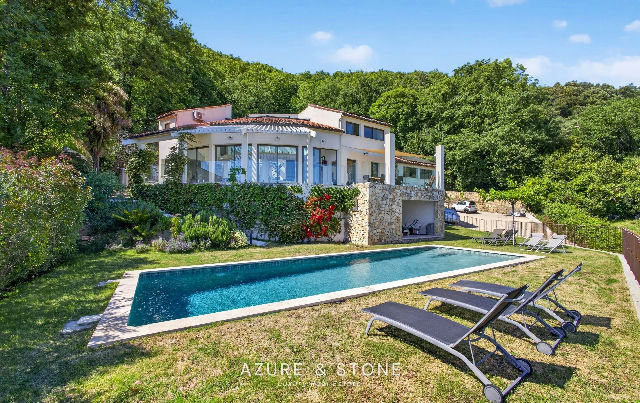
Maintenance is another area where expectations and reality diverge. Large plots of land look idyllic in photos, but they require constant work. Grass grows quickly in the French climate, trees need regular trimming, and older stone buildings are never truly finished projects. Moisture is a persistent issue, especially in rural areas, and ongoing upkeep is simply part of ownership.
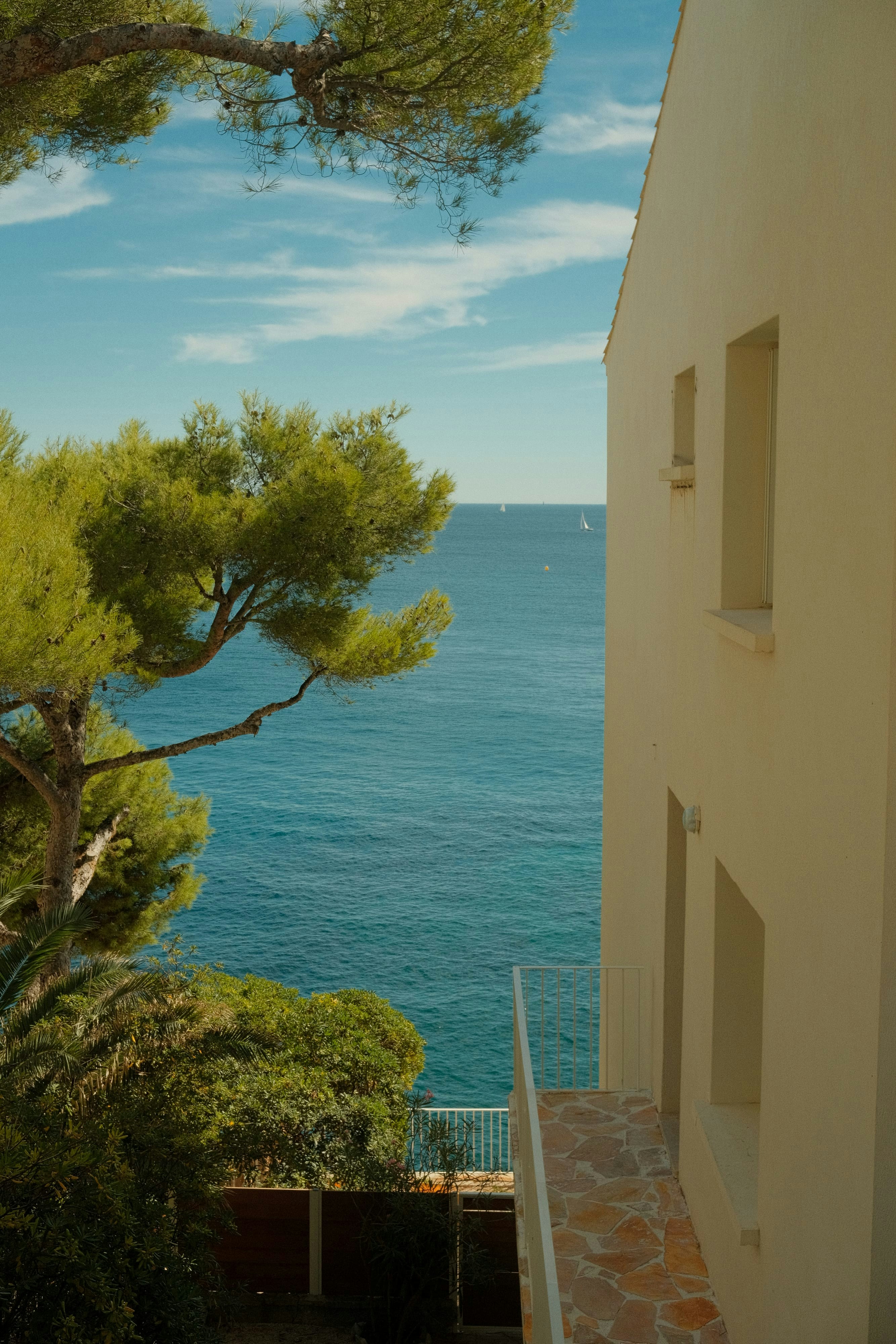
Location also plays a bigger role than many buyers anticipate. A house described as peaceful often means it is far from services. Daily life can involve long drives for groceries, healthcare, or schools. In tourist regions, the rhythm of the year can shift dramatically between busy summers and very quiet winters. None of this is necessarily negative, but it does shape how a property actually feels to live in.
Property taxes are another common surprise. Many communes now apply significant surcharges on second homes. The taxe foncière and taxe d’habitation can vary widely depending on location and property characteristics. Buyers often focus on the purchase price without fully understanding the ongoing annual costs.
Infrastructure can also be very different from what international buyers expect. Some homes rely on septic systems rather than mains drainage. Internet speeds can vary significantly in rural areas. Electrical systems may have limited capacity compared to modern standards. These details rarely affect a short visit but become important in everyday life.
Even small renovation plans can unfold differently than expected. Local planning regulations can control what changes are allowed, from extensions to exterior finishes. The process is structured and often slower than buyers anticipate, especially if approvals are required.
None of these realities make owning property in France difficult. They simply reflect a different way of building, maintaining, and living in homes. For buyers who understand them from the start, they become part of the charm rather than a source of frustration.
The biggest challenges usually arise when expectations are shaped by holiday impressions rather than everyday realities. A house that feels perfect for a summer visit can feel very different across an entire year.
That is why the most helpful question is not just whether a property is beautiful. It is what it actually asks of you once you own it.