Choosing the Right Type of Property in the Provence
Choosing the right type of property in Provence is often more important than choosing the location. In this guide we help you choose the right type of home.
Olivings
February 15, 2026 · 5 min read
One thing I’ve learned from watching people buy houses in Provence — and from mentally buying far too many myself — is that buyers almost always start by thinking about where they want to live, not how they want to live.
They picture the setting first. A hilltop village. Rolling countryside. Maybe vineyards nearby. They imagine the light, the atmosphere, the feeling of escape.
What they rarely think about in the beginning is the type of property that actually fits the life they want to have there.
And that turns out to matter much more than most people expect.
Because in Provence, the difference between a village house and a countryside farmhouse is not just aesthetic. It fundamentally changes how much time, money, and mental energy you will spend maintaining your home.
Over time, we’ve seen again and again that long-term satisfaction depends less on whether people chose the “most beautiful” property, and more on whether they chose the type of property that matched how they actually intended to use it.
So it’s worth slowing down and understanding what these different property types really mean in practice.
Mas: the romantic farmhouse that quietly demands work
The classic Provençal mas is probably the image most foreign buyers carry in their heads.
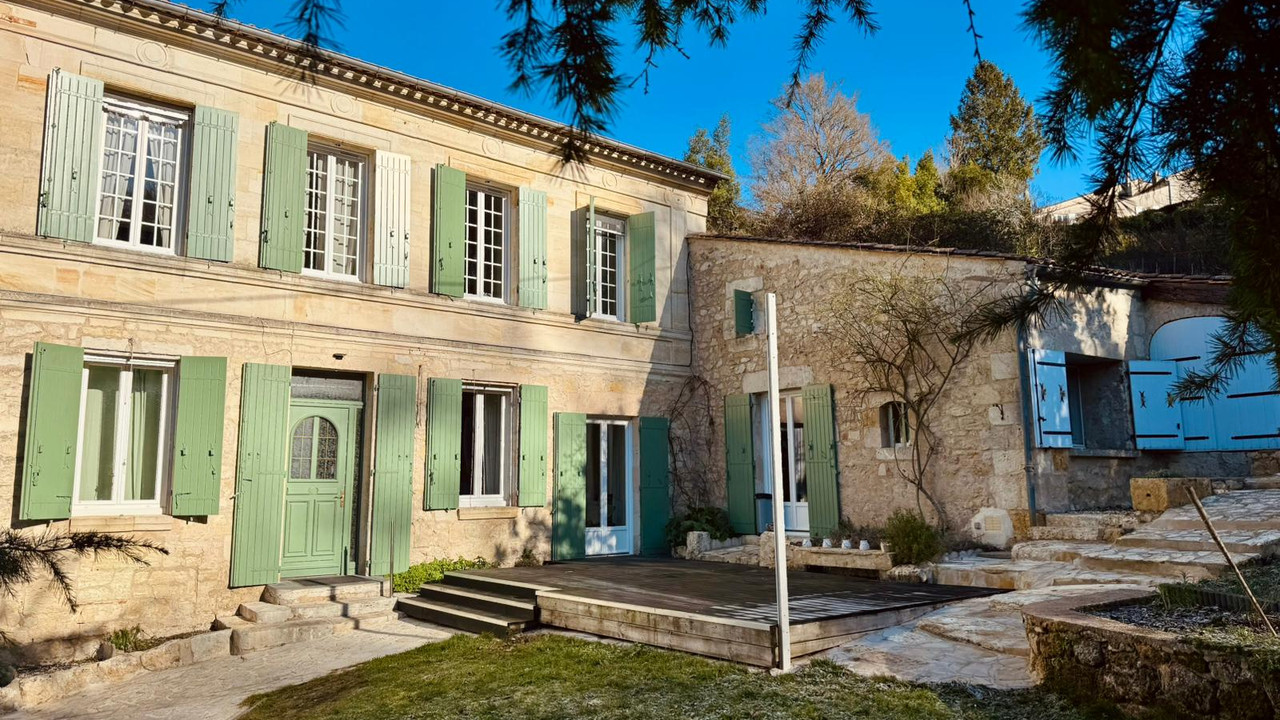
Stone walls. Shutters. A large terrace. Olive trees. Maybe lavender fields in the distance.
And yes — they can be extraordinary places to live.
But they also tend to come with a particular reality: they are working buildings at heart, designed historically for agriculture rather than comfort.
This shows up in several ways.
Mas houses are often large, with thick stone walls that retain heat in summer but can feel cold in winter. They frequently sit on substantial plots of land that require regular maintenance, especially in fire-risk zones where vegetation must legally be cleared.
Heating costs can be significant. Maintenance of roofs, façades, and shutters is ongoing. Access roads may be private and require upkeep.
For buyers seeking privacy, space, and a strong connection to nature, this trade-off is often entirely worth it.
But for buyers imagining a low-maintenance holiday home, the reality can come as a surprise.
Bastides: elegance with similar responsibilities
The bastide represents a slightly different tradition.
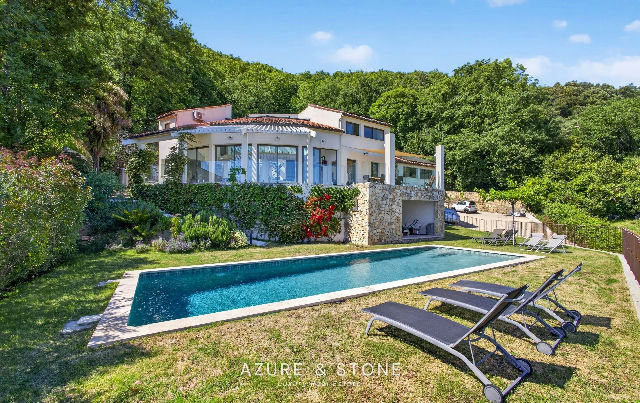
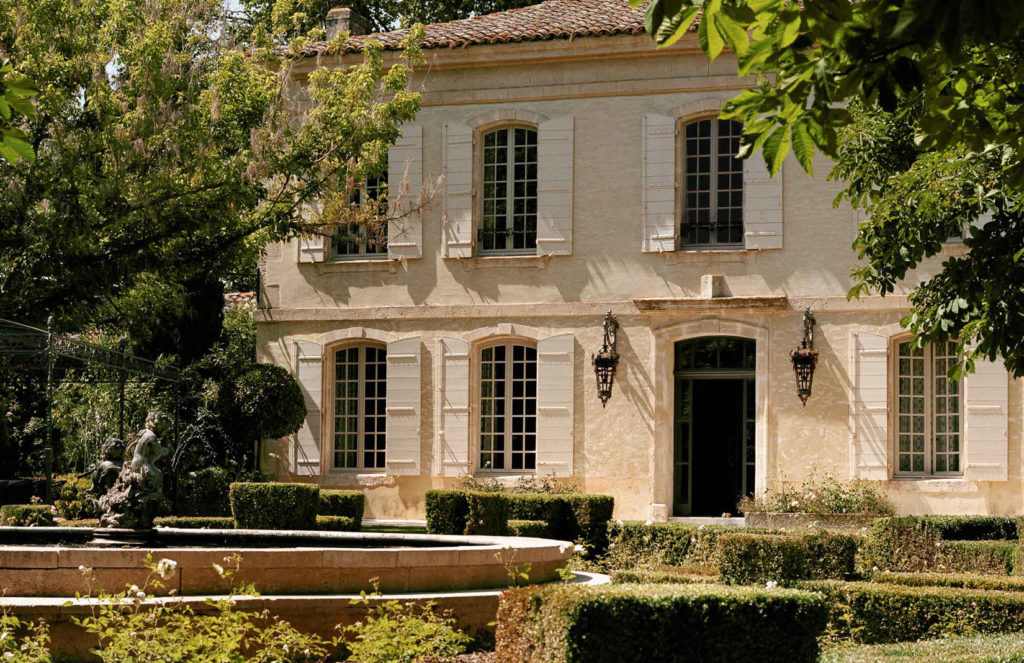
Typically more formal and symmetrical than a mas, bastides were historically country residences for wealthier families rather than working farmhouses.
They often have beautiful proportions, large windows, and more structured layouts.
But in practical terms, many of the maintenance realities are similar to those of mas houses.
They tend to be large. They often come with significant land. And because of their size and historical construction methods, they can be expensive to heat and maintain.
For buyers looking for prestige and architectural beauty, bastides can be deeply appealing.
But they still fall firmly into the category of properties that require active ownership.
Village houses: smaller scale, very different lifestyle
Village houses often represent the opposite end of the spectrum.
They usually offer much less land, sometimes none at all, but they provide something many countryside properties cannot: simplicity.
Maintenance tends to be far lower. There are fewer responsibilities around landscaping, infrastructure, or wildfire clearing. Daily life is often easier, with shops, cafés, and services within walking distance.
For many second-home owners, this type of property turns out to be much more practical than the romantic countryside dream they initially imagined.
There is also a cultural dimension.
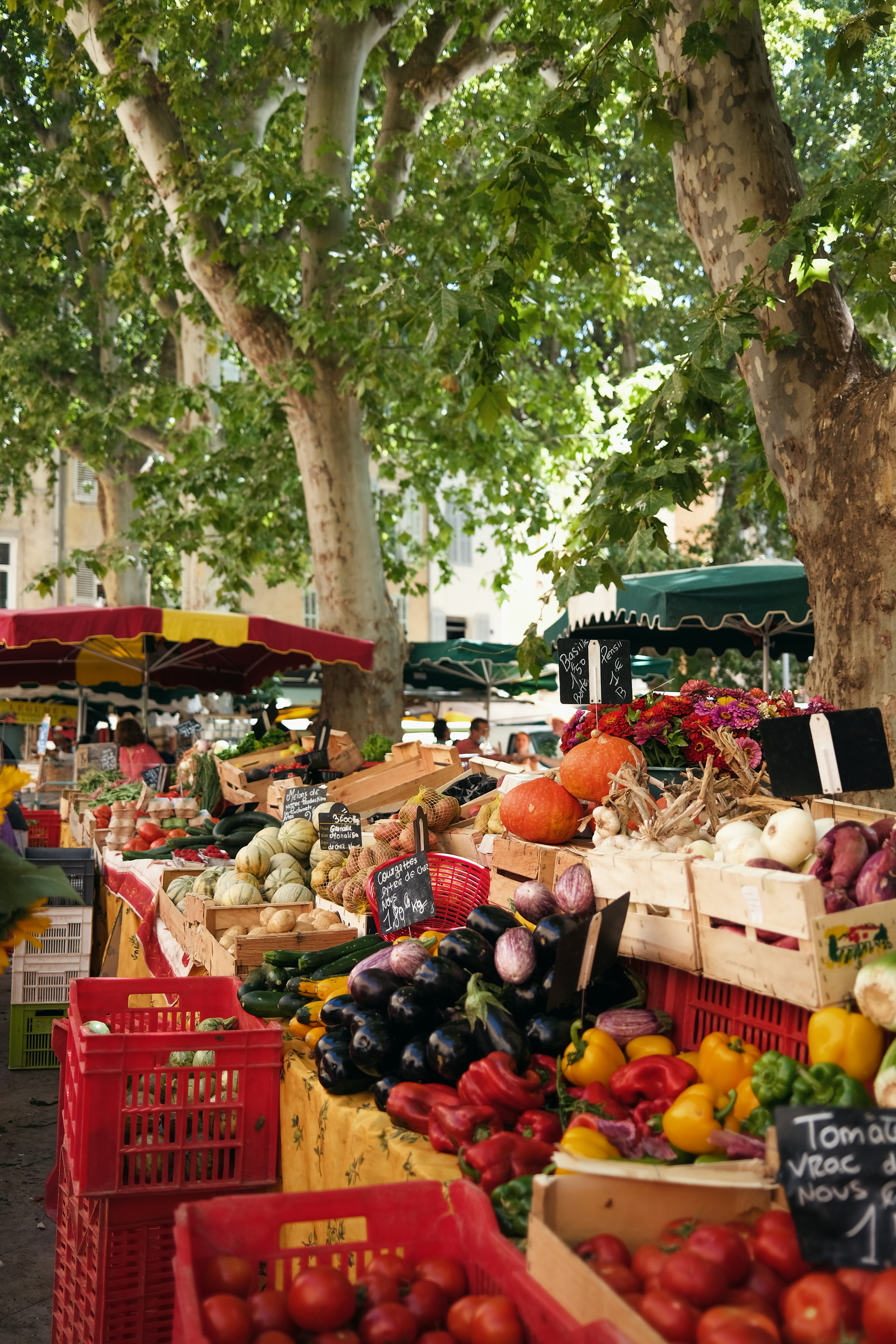
Village living in Provence tends to be more social. You become part of a rhythm — markets, neighbours, daily routines — rather than living in relative isolation.
For buyers who value convenience and ease of ownership, village houses often provide the highest long-term satisfaction.
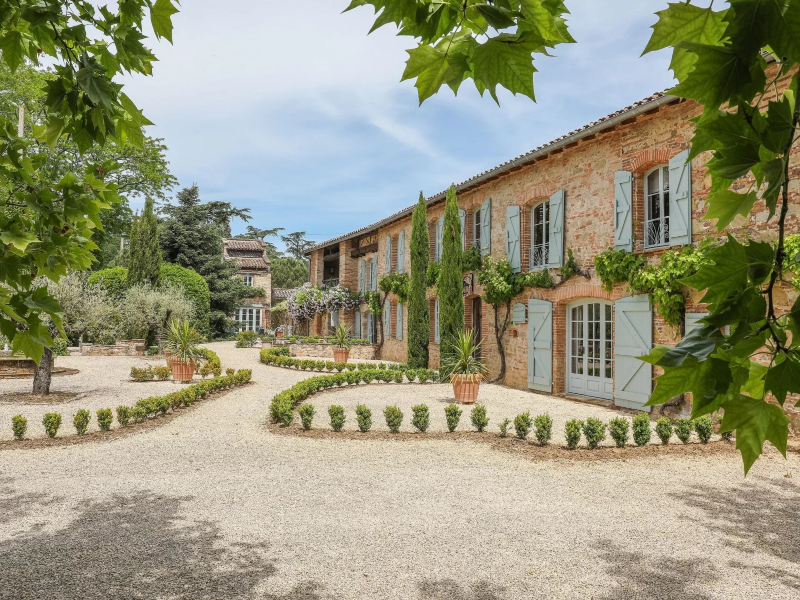
At the far end of the spectrum are rural estates — large properties with extensive land, outbuildings, and sometimes multiple residential units.
These can be extraordinary in terms of privacy and lifestyle potential.
But they also come with the highest levels of responsibility.
Maintaining several hectares of land, managing outbuildings, overseeing water systems, and handling insurance and regulatory requirements can quickly become a significant commitment.
For buyers planning to live full-time on such properties, or those with specific plans such as hospitality projects or agricultural activities, this can be entirely manageable.
For seasonal owners, however, the complexity often requires professional property management.
Why buyers often focus too much on price
A common pattern among buyers is to compare properties primarily on purchase price.
But over time, it becomes clear that the type of property chosen has a much greater influence on long-term experience than small differences in initial cost.
A slightly cheaper farmhouse with large land can easily become more expensive to own than a more expensive village house.
Maintenance obligations, heating costs, tax implications, and the practical realities of managing land often outweigh the initial price difference.
The real decision is about lifestyle, not architecture
Ultimately, choosing the right type of property in Provence is less about aesthetics and more about self-awareness.
It requires asking practical questions:
How often will you be there?
Do you enjoy maintaining land, or would you rather avoid it?
Do you want privacy or community?
Are you comfortable managing a complex property from abroad?
These questions tend to matter far more than whether a house has the perfect terrace or the most charming façade.
The bigger picture
In Provence, property types are not simply architectural categories. They represent fundamentally different ways of living.
Mas and bastides offer space, beauty, and privacy, but demand ongoing care.
Village houses offer convenience and simplicity, but less independence.
Rural estates offer extraordinary lifestyle possibilities, but require the highest level of commitment.
Understanding these differences early can make the difference between a property that remains a dream for decades — and one that quietly becomes a burden.