Common Mistakes When Buying Property in Provence
Buying a home in Provence is rarely complicated, but it’s easy to underestimate the practical realities. This guide covers the most common mistakes buyers make.

Olivings
February 15, 2026 · 8 min read
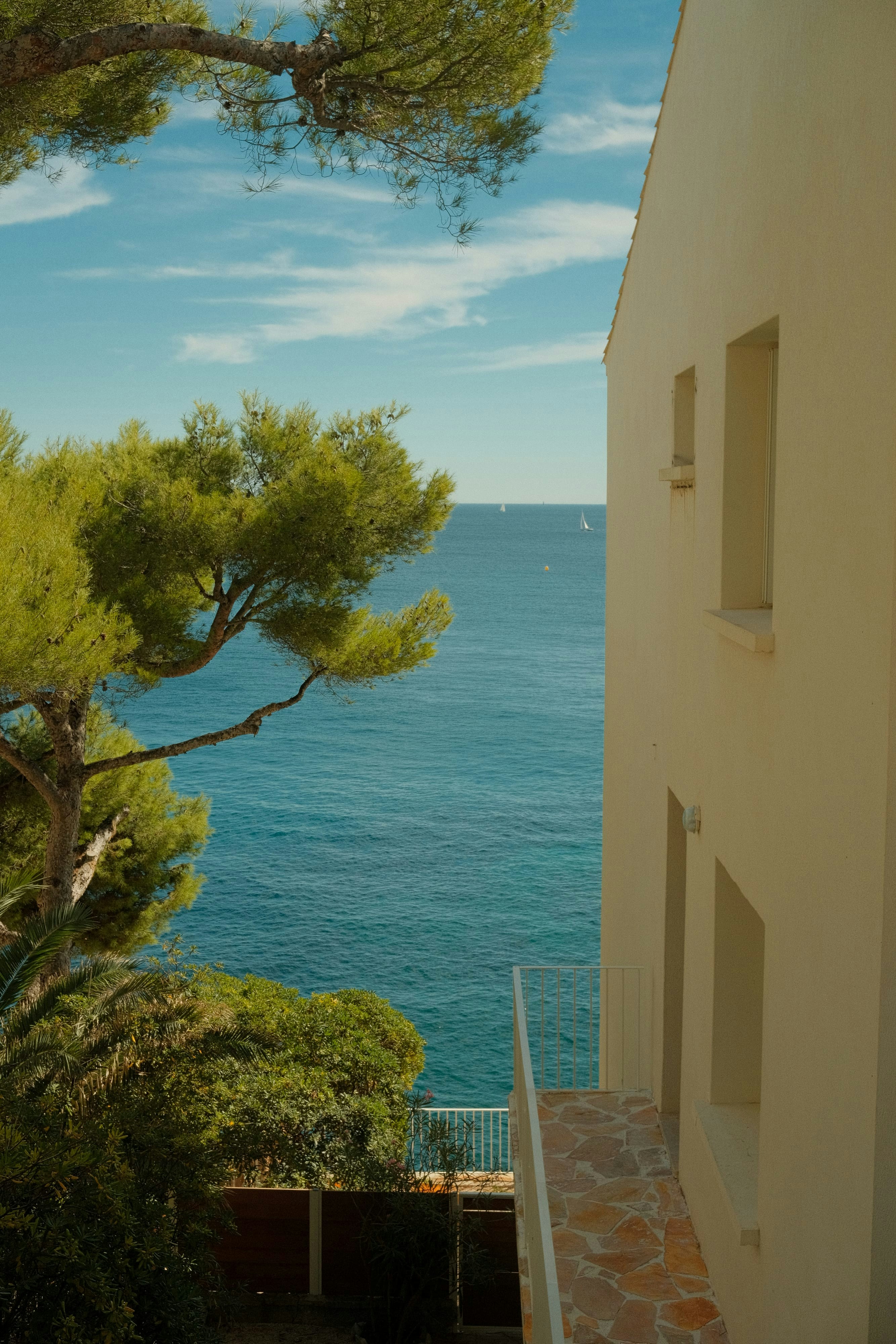
I’m a dreamer by nature. Give me an old Provençal mas with vines creeping over a shaded terrace and my brain starts rearranging numbers in the same way yours probably does. Maybe it isn’t that expensive… Maybe I could squeeze my budget a bit more… The agent says it’s a rare opportunity…
Falling in love with a house is part of the fun, but Provence has some very specific pitfalls that can turn a fantasy into a long‑term headache. After reading dozens of purchase contracts and speaking with buyers and notaires in the region, here are the mistakes I keep seeing – and how to avoid them.
1. Believing the romance instead of checking the facts
Many foreign buyers let a charming story (“the owners lovingly restored it using local artisans”) override basic due diligence. The most common regrets are overpaying and discovering problems only after the sale. Before making an offer, look up comparable sale prices using France’s DVF database (Demande de Valeurs Foncières) instead of trusting an agent’s asking price. Locals use this data and negotiate harder; foreigners often don’t and end up paying more than they need to.
What to do
-
Pull the property’s real sale history and comparable transactions via the DVF service.
-
Treat claims you can’t verify (rare view, special history) as marketing. Verify with objective data and local professionals.
2. Failing to check boundaries, access and rights of way
The single costliest mistake reported by foreign buyers in Provence is discovering a boundary or access issue after completion. Rural properties often share long driveways, footpaths or agricultural rights of way. If the access isn’t clearly defined, neighbours can dispute usage or the local authority can refuse to recognise a track as public.
What to do
-
Ask the notaire to show the exact cadastral plan and confirm that the access route is part of the sale.
-
Check whether any third parties (farmers, hunters, neighbours) have servitudes or rights of way.
-
Walk the boundaries; don’t rely on what you see from the terrace.
3. Ignoring wildfire and flood risk zones
Wildfire and flood risk aren’t just theoretical; certain areas of Provence now have mandatory clearance rules and building restrictions. Locals automatically consult Géorisques (the government hazard map) before falling in love with a property; foreigners often skip this step. A hillside house with views may sit in a zone rouge for fire risk and require costly vegetation clearance every year or restrict new construction.
What to do
-
Check the risk statement (ERP/IAL) the seller must provide, and verify it independently on georisques.gouv.fr.
-
Factor in annual brush‑clearing costs (€1–5 k per year for large plots) and higher insurance premiums – properties in wildfire zones typically pay €500–1,200 € per year.
4. Underestimating renovation and maintenance costs
Old stone houses are romantic but they are rarely turnkey. Foreign buyers often underestimate how much it costs to bring a century‑old mas up to modern comfort. FrenchEntrée warns that renovation budgets must account for architects, tradesmen and planning permissions; it is better to overestimate than to end up with unexpected bills. Large properties may require hundreds of thousands of euros in works.
What to do
-
Get independent quotes from builders and architects before signing.
-
If the house has been extended or converted, insist on seeing planning permission and insurance guarantees.
-
Don’t assume you can convert barns or attics; local planning rules and heritage authorities (Architectes des Bâtiments de France) control what you can alter.
5. Neglecting the septic system
In rural areas without mains drainage, the seller must provide a SPANC inspection report dated within three years. If the septic system is older than 15 years, it often does not comply with current rules. Unless negotiated otherwise, the new owner has just 12 months after purchase to upgrade or replace a non‑conforming system.
What to do
-
Ask for the SPANC report before making your offer.
-
If the system is non‑conforming, obtain quotes for remedial works and negotiate a price reduction or require the seller to remedy it.
-
Budget at least €10–20 k for a new fosse septique or treatment plant.
6. Trusting the agent to act in your interest
Estate agents in France represent the seller, not the buyer. Adrian Leeds advises never to believe everything an agent tells you and to do your own due diligence on renovation costs and local regulations. Agents may downplay defects or overstate potential rental income.
What to do
-
Consider appointing your own buyer’s agent or a bilingual consultant to act exclusively for you.
-
Use independent surveyors or architects to assess the property – don’t rely solely on the legally required diagnostics.
-
Remember that your notaire is neutral; they do not represent you or the seller, but the state. If you want personalised legal advice, hire your own notaire or solicitor..
7. Mishandling money and currency transfers
Foreign buyers often transfer funds into a French bank before their loan is approved, only to have the bank refuse the mortgage (large unexplained transfers can flag money‑laundering concerns). The deposit should always go through the notaire’s escrow account, not directly to the seller or agent. Commercial banks also take a wide spread on currency exchange.
What to do
-
Wait until your mortgage is approved before moving large sums into France.
-
Pay the deposit and purchase price only via the notaire; “under the table” payments are illegal and can attract penalties.
-
Use a specialist currency broker to secure better exchange rates and avoid hidden fees.
8. Ignoring pre‑emption rights and planning constraints
Provence has strict planning laws and several entities can veto or delay your purchase. Properties with agricultural land can trigger the SAFER pre‑emption right, allowing the government’s agricultural agency to purchase the land instead of you. Urban or historic communes can also exercise pre‑emption (DPU) to prioritise local projects. The biggest mistake foreigners make is buying a charming mas or village property assuming they can freely renovate, extend or run Airbnb rentals, only to discover later that planning rules, co‑ownership regulations or SAFER pre‑emption block their plans.
What to do
-
Ask your notaire to file the DIA (declaration of intent to sell) and wait for the mairie’s response; this typically takes up to two months.
-
Verify whether the plot is in agricultural (zone A) or natural (zone N) zoning; extensions and new buildings may be prohibited.
-
If near a historic monument, check if the ABF has control over façade colours, window styles and roof materials.
-
Don’t assume you can run short‑term rentals; many Provence towns now restrict Airbnb‑style rentals in copropriété buildings.
9. Forgetting inheritance and tax planning
French inheritance law is very different from Anglo‑Saxon systems. Unless you insert specific clauses at purchase, a portion of your estate will automatically pass to your children. Planning should happen at the time of purchase, not afterwards. Buyers also often fail to budget for closing costs (around 7–8 % for older properties) and annual taxes. Second‑home tax (taxe d’habitation) and property tax (taxe foncière) can together add €2 500–6 000 per year in Provence.
What to do
-
Discuss inheritance issues with a notaire or legal specialist before signing; consider a tontine clause or a French marriage regime if you want to control who inherits the property.
-
Include notary fees, agency fees and transfer taxes in your budget (roughly 8 % of the purchase price).
-
Understand local tax surcharges on second homes; some communes apply 5–60 % surcharges.
10. Choosing the wrong lifestyle
Finally, the biggest intangible mistake is buying a property that doesn’t match how you actually live. A remote farmhouse may feel idyllic during a summer viewing but can become isolating in winter when the mistral is blowing and the nearest bakery is a 20‑minute drive. Conversely, a village house might feel cramped after years of dreaming about space. Over time we’ve seen that long‑term satisfaction comes from matching the property type to your intended use and tolerance for maintenance.
What to do
-
Visit the property at different times of year and day; ask yourself if you’d still love it on a windy January morning.
-
Be honest about whether you enjoy gardening, dealing with contractors and owning a car.
-
Consider whether a smaller village house or a manageable bastide might offer a better balance between charm and practicality.
Final thought
Buying in Provence isn’t just about money – it’s about lifestyle. But romance and reality need to travel together. Verify the facts, understand the local rules, and be realistic about maintenance. Do that, and the dream of owning a slice of Provence can remain a joy instead of turning into an expensive mistake.