How we calculate the Real Costs of Owning a home in France.
In this article I explain how I calculate those costs on Olivings, and which public data sources I use to make those estimates as realistic as possible.
Olivings
March 4, 2026 · 5 min read
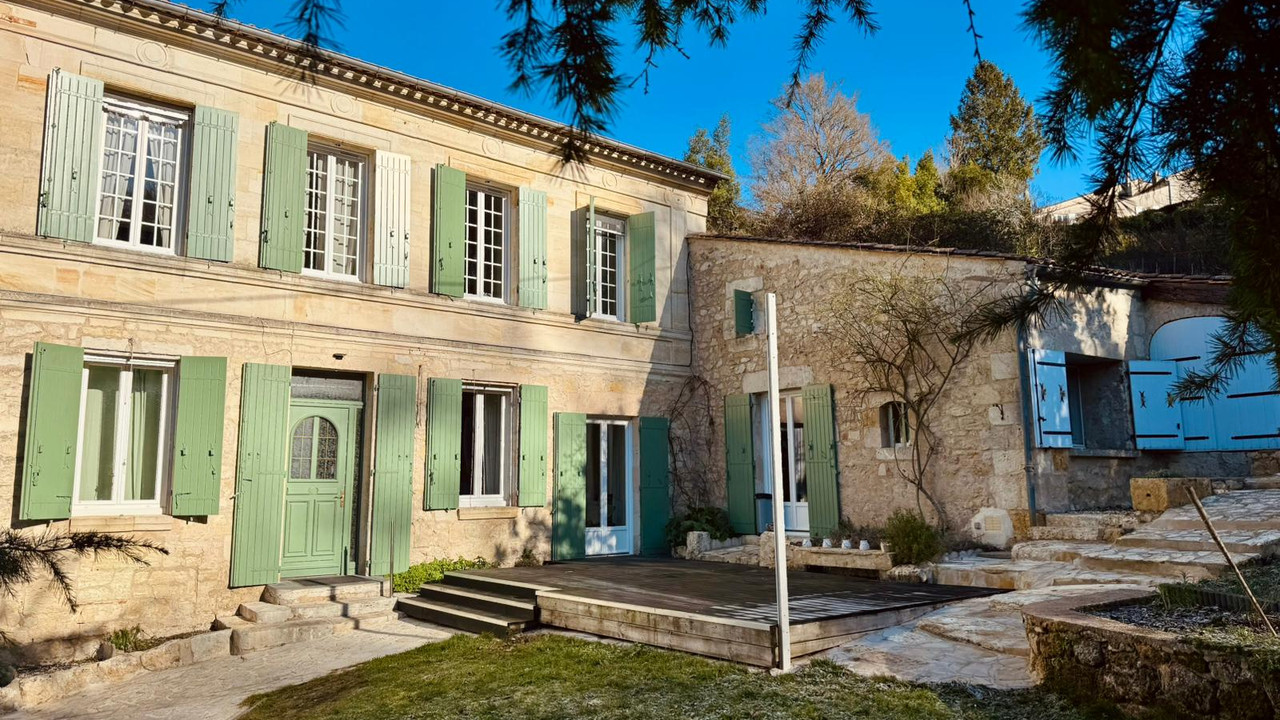
When I started looking at property listings in France, one thing quickly became obvious: the price you see in the listing tells you surprisingly little about what owning the property will actually cost.
You see the asking price, some photos, and maybe a short description of the house. But the financial reality of owning that property — taxes, acquisition costs, insurance, utilities — is usually missing. If you want to understand those costs, you have to piece the information together yourself from different sources.
While building Olivings I kept running into that same problem. The information does exist, but it is scattered. Transfer taxes come from national legislation and département rules. Property taxes are partly determined by the commune. Energy costs depend on the building’s efficiency and the local climate. Mortgage payments depend on financing assumptions.
So instead of estimating everything with rough averages, I decided to calculate these elements step by step using actual public data where possible. The goal is simple: when someone looks at a property on Olivings, they should immediately see a realistic estimate of what owning that property might cost.
The first layer is the cost of completing the purchase. In France, the amount commonly called frais de notaire is mostly made up of transfer taxes that are collected by the government and the département where the property is located. These taxes follow official brackets and vary slightly between départements. To estimate them, Olivings uses the official transfer tax structure together with département-level tax rates. The regulated fee scale for notaires is also defined in French law, which means those costs can be calculated directly from the property price rather than guessed.
Using these official formulas is important because acquisition costs are one of the largest surprises for buyers. They are also one of the easiest parts to calculate accurately because the rules are public and standardized.
After the purchase, the most important recurring cost is the annual property tax, the taxe foncière. This tax is determined by a combination of national rules and local tax rates set by communes and other local authorities. To estimate this as accurately as possible, Olivings uses commune-level tax data where available rather than applying a national average. The reason for doing this is simple: the difference between communes can be significant, and a national estimate would hide that variation.
Some properties may also be subject to the taxe d’habitation depending on how the property is used. Because these rules have changed in recent years and can depend on the specific situation of the owner, Olivings treats this as a conditional cost rather than assuming it always applies.
Another large part of ownership costs comes from energy use. In France, every property receives an energy performance rating known as the DPE label. This label gives an indication of how energy efficient a building is and is already included in most property listings. Olivings uses the DPE rating together with climate data and typical consumption patterns to estimate heating and electricity costs. The intention is not to predict someone’s exact energy bill, but to give a realistic order of magnitude so buyers understand what living in the property might cost.
For climate assumptions, we rely on regional climate data that reflects differences between northern and southern France. A house in Brittany has very different heating needs from a house in Provence, and those differences matter when estimating energy costs.
Insurance is another element that is almost always missing from listings. For this, Olivings uses typical property insurance ratios based on the value of the property and common insurance pricing structures in France. While the exact premium will always depend on the insurer and the property itself, this approach provides a reasonable baseline estimate.
Finally there are financing costs. Many buyers purchase property with a mortgage, which means monthly payments depend on the loan amount, the interest rate and the loan duration. In the Olivings calculator I use a standard annuity mortgage model — the same structure used by most banks — so buyers can adjust assumptions like the down payment or interest rate and see how their monthly costs change.
Putting these pieces together creates a much more complete picture of the financial reality of owning a property. The purchase price is still important, of course, but taxes, insurance, energy and financing costs often represent a substantial part of the long-term cost.
None of these calculations replace professional advice from a notaire, a bank or an insurance provider. But by combining official tax rules, commune-level data, energy ratings and standard financing models, Olivings can give buyers a realistic estimate much earlier in the process.
That was the original idea behind building these calculations. Instead of discovering the real costs step by step after finding a property, people can see a transparent estimate while they are still exploring different options. In practice that often changes how someone evaluates a house, because the financial picture becomes much clearer from the start.