The French Property Buying Process Explained
Buying property in Provence is basically buying two things at once: a home, and a French administrative process. This guide walks through the full sequence

Olivings
February 15, 2026 · 8 min read
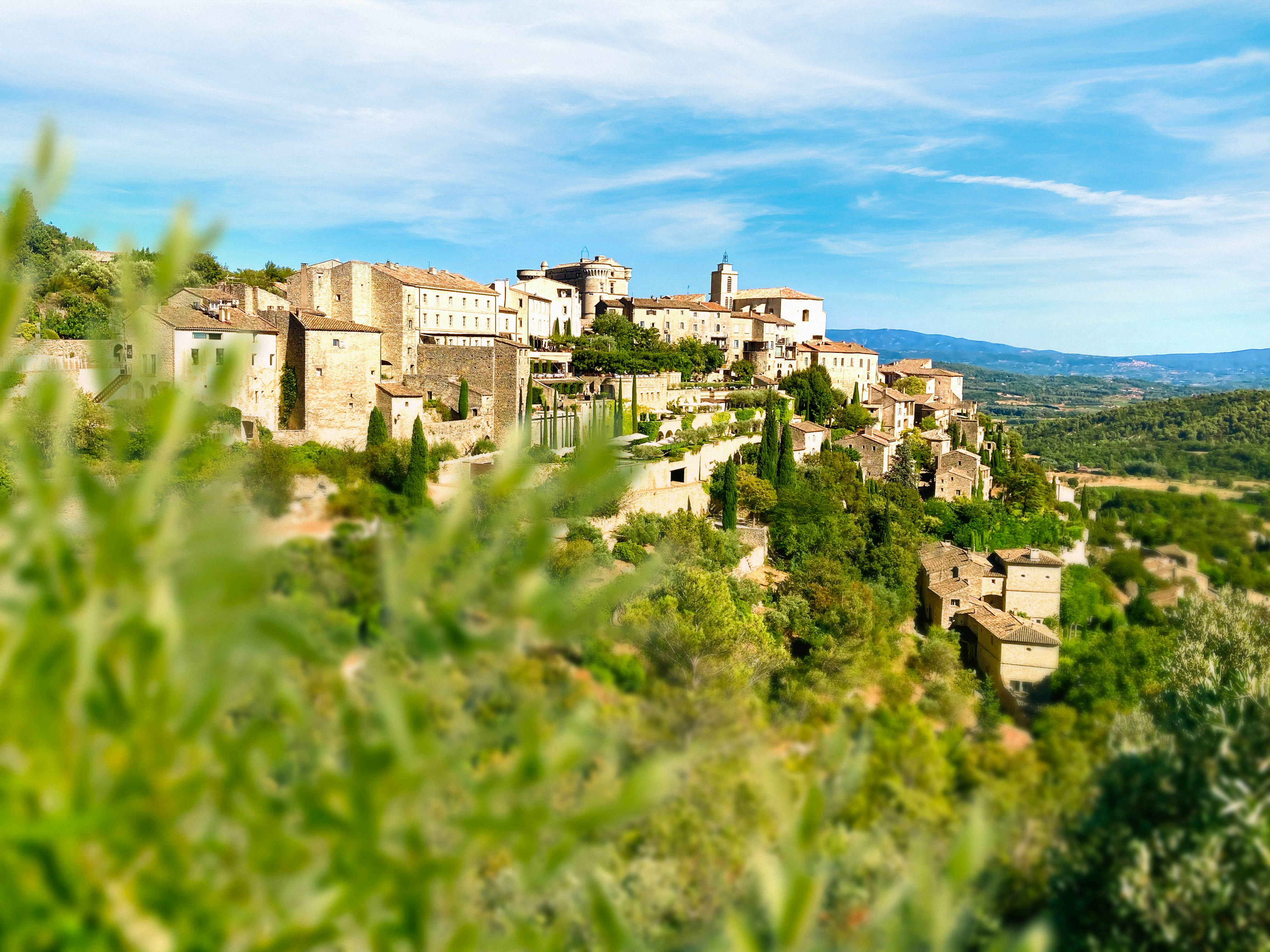
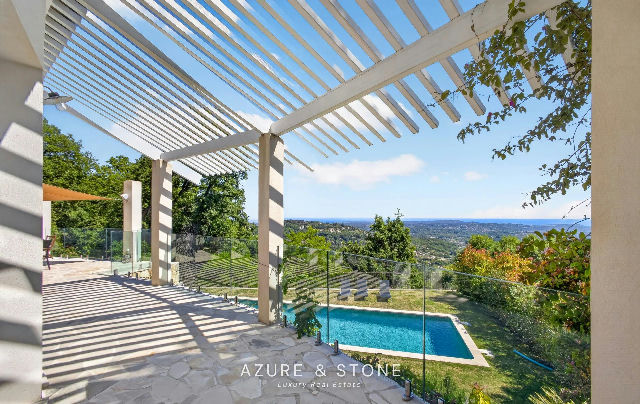
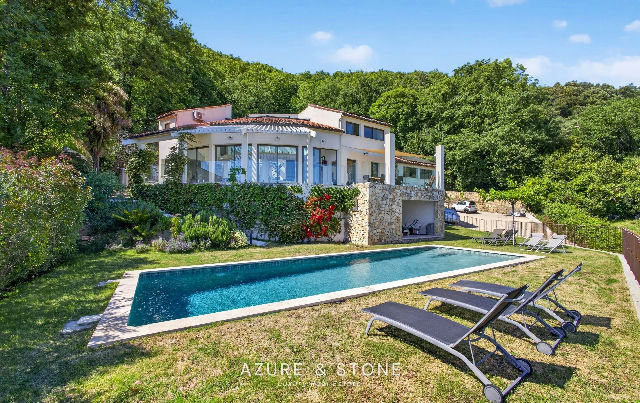
When you browse property in Provence for long enough, something funny happens to your brain: you start thinking in pictures instead of steps. Terrace. Pool. A view. A market village nearby. That “this could be my life” feeling.
And then, once you’re emotionally halfway moved in, someone drops a sentence like: “Ok, we’ll send it to the notaire, but we need the diagnostics and we’ll see if there’s pre-emption.” And suddenly you remember you’re not buying a painting — you’re buying a house through a system that takes paperwork seriously.
The French process is actually pretty safe once you understand it. But it has a few “trap doors” that foreign buyers don’t expect — and in Provence those trap doors show up more often, because you’re dealing with older stone houses, rural land, wildfire-risk classifications, and villages with heritage rules.
So here’s the real process, end-to-end, with the parts that matter in Provence.
1) Before the offer: you should already be thinking about constraints (Provence-specific)
I’ll start with the thing people don’t do (including me): they wait until after the offer to ask the boring questions.
In Provence, those boring questions are often the difference between “easy purchase” and “why is this taking 4 months and why can’t I repaint my shutters.”
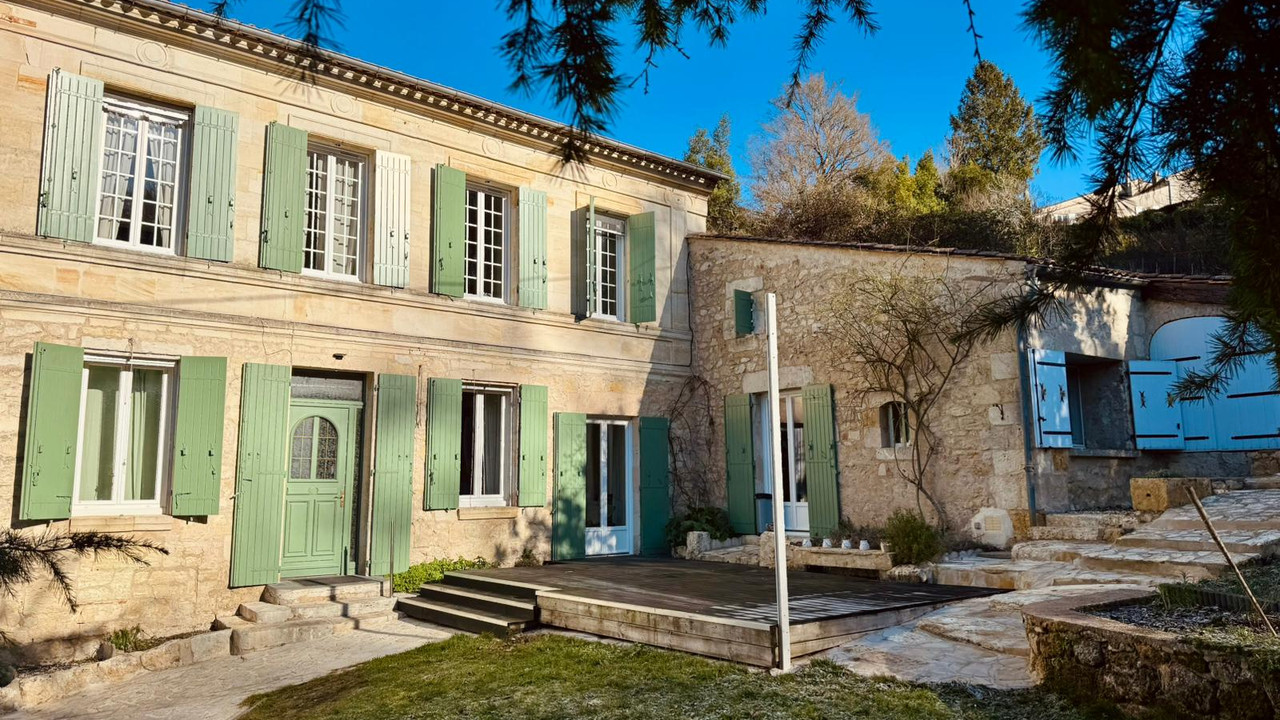
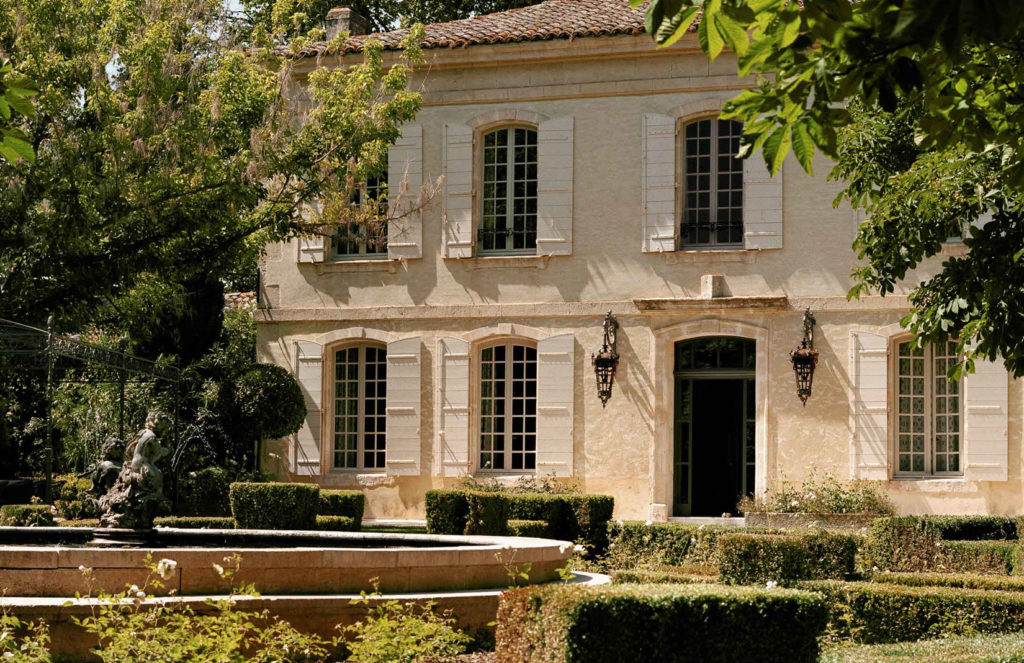
If the home is in or near an old village, ask early whether it’s in a protected heritage perimeter where the Architectes des Bâtiments de France (ABF) has a say on exterior changes. The rule-of-thumb many people cite is the 500m / visibility logic around listed monuments, but in practice you just want to know: will I be restricted if I later change windows, shutters, roof tiles, solar panels, façade? The Ministry of Culture explains the “abords” framework and ABF approval principle.
If the property is rural and comes with land, also ask what the land is (urban vs agricultural zone), because that affects pre-emption rights and timelines (more on that below). And if it’s not connected to mains drainage, you want to know if there’s a septic system and whether there’s a recent SPANC report.
You don’t need to solve all of this before you fall in love. But you do want to spot the “likely admin friction” early, because it changes how you negotiate and how long you expect the deal to take.
2) Making an offer (offre d’achat): quick, but don’t confuse it with the real commitment
Offers in France are often written, sometimes quite simple, sometimes with a few conditions. And yes — people do sometimes treat an accepted offer as “done.”
It isn’t done.
In practice, the real commitment starts at the preliminary contract stage. So treat the offer as: I’m serious, but I haven’t married the house yet.
3) The preliminary contract: compromis de vente vs promesse de vente (this matters)
The next step is signing a preliminary contract. In France this is usually either:
-
Compromis de vente (mutual commitment: both sides are committed), or
-
Promesse de vente (seller grants you an option; structure differs)
That distinction matters because it changes the psychological feel of the deal — and sometimes the negotiation dynamics.
Deposit
At this stage, you typically pay a deposit (often around 5–10%) which is held by the notaire in escrow. This is also when conditions are locked in (mortgage condition, etc.). If you are using financing, you want that included as a condition suspensive.
4) Cooling-off period: 10 days where you can walk away (for real)
Once the preliminary contract is signed and properly notified, the buyer gets a 10-day cooling-off period (délai de rétractation) during which you can withdraw without penalty. This is grounded in French law (Code de la construction et de l’habitation, article L271-1).
This is one of the best protections in the French system. Use it like a grown-up: re-read the contract, check the attachments, and make sure the conditions actually protect you.
5) Diagnostics: the DDT pack isn’t “nice to have” — it’s part of the deal
French sales come with a bundle of mandatory diagnostics grouped into the DDT (Dossier de Diagnostic Technique). This file must be attached to the preliminary agreement and the sale.
What’s in it varies by property, but the usual suspects include energy performance (DPE), asbestos (older buildings), lead (very old buildings), gas/electric safety if installations are old, termites in certain zones, and the risk report (ERP: flood, seismic, industrial, etc.). Service-Public has a clear list.
Provence angle
In Provence, the ERP / risk part tends to be more relevant than buyers expect because you’re often dealing with wildfire risk zones, flood plains in some valleys, and older structures.
And if you’re buying rural property that isn’t connected to mains drainage:
Septic (SPANC)
For non-collective sanitation, the seller must provide a SPANC inspection report (typically less than 3 years old) to the notaire and annex it to the sale file. This comes straight from official sources.
This is one of those “hidden cost” triggers: if SPANC says it’s non-conforming, you may be signing up for mandatory works after purchase.
6) Pre-emption checks: the thing that can quietly add months (and it’s very Provence-relevant)
There are two common pre-emption pathways that show up in the South:
A) Commune / urban pre-emption (DPU)
If the property is in a zone subject to pre-emption, the seller must file a Déclaration d’Intention d’Aliéner (DIA).
The commune (or relevant authority) generally has two months to respond after receipt, and that can extend in certain circumstances.
In many cases, they simply waive it. But the point is: it’s a real step and it’s part of why French timelines are often longer than people expect.
B) SAFER (rural/agricultural land)
If there’s agricultural land or rural-use land involved, SAFER can have pre-emption rights. In PACA / Provence this is very much a thing (it’s explicitly authorized in the region and covers the relevant départements).
You don’t need to panic — most holiday-home buyers will never see SAFER intervene — but you do need to understand that land classification can create extra clearance steps and timing.
7) The notaire phase: what they do, and what they don’t do
The notaire is the backbone of the system: they run title checks, ensure the file is complete, manage funds, handle registration.
But the notaire is not “your personal advocate” in the way some foreigners expect. They are neutral and state-linked.
If you want someone purely on your side (especially if you don’t speak French well), it’s common to add an independent advisor: bilingual lawyer, buyer’s agent, or at minimum a translator for key documents.
Also: you can sign via power of attorney if you’re not physically in France at completion (very common for second-home buyers). Worth planning for early if you’re juggling travel.
8) Completion: acte de vente and keys
Final signing happens at the notaire: the acte authentique (acte de vente). Funds are transferred, taxes/fees paid, title is registered — and you get the keys.
This part is often surprisingly anti-climactic. Which is probably healthy.
9) Fees: “frais de notaire” is mostly tax (and it can vary)
For existing property (“ancien”), buyers commonly budget around 7–8% of the purchase price for total notaire fees and associated taxes. New builds are often lower (roughly 2–3%) because the tax structure differs.
One more Provence-relevant nuance: transfer taxes (“DMTO”) can vary by département and have seen policy-driven changes recently (some places moved toward higher ceilings). I’m mentioning this not to add noise, but because buyers who budget a single fixed % sometimes get surprised.
What’s actually different in Provence (culture + reality)
The “legal process” is France-wide. The friction points are what skew Provence:
-
Older housing stock → more diagnostic surprises (asbestos/lead/electrics), more renovation history to verify.
-
Rural properties → septic/SPANC shows up a lot more, and land classification questions become real.
-
Heritage villages → ABF constraints are not theoretical; they shape what you can do later.
-
Risk profiles (wildfire/flood) → the ERP/risk conversation is more relevant than people expect.
So the process isn’t “different,” but Provence adds more situations where the process has extra steps.
The practical takeaway
If you’re buying in Provence as a foreigner, the simplest mental model is:
You’re not just buying a house. You’re buying:
-
the house,
-
its compliance file (diagnostics + zoning + sanitation),
-
and its administrative clearance (pre-emption windows).
Once you accept that, it stops feeling slow and starts feeling predictable.