Understanding heating systems in French homes and what they really cost
Heating systems in French homes vary widely. Learn how oil, electric, wood and gas heating work in practice and what they can actually cost to run.

Olivings
February 13, 2026 · 3 min read
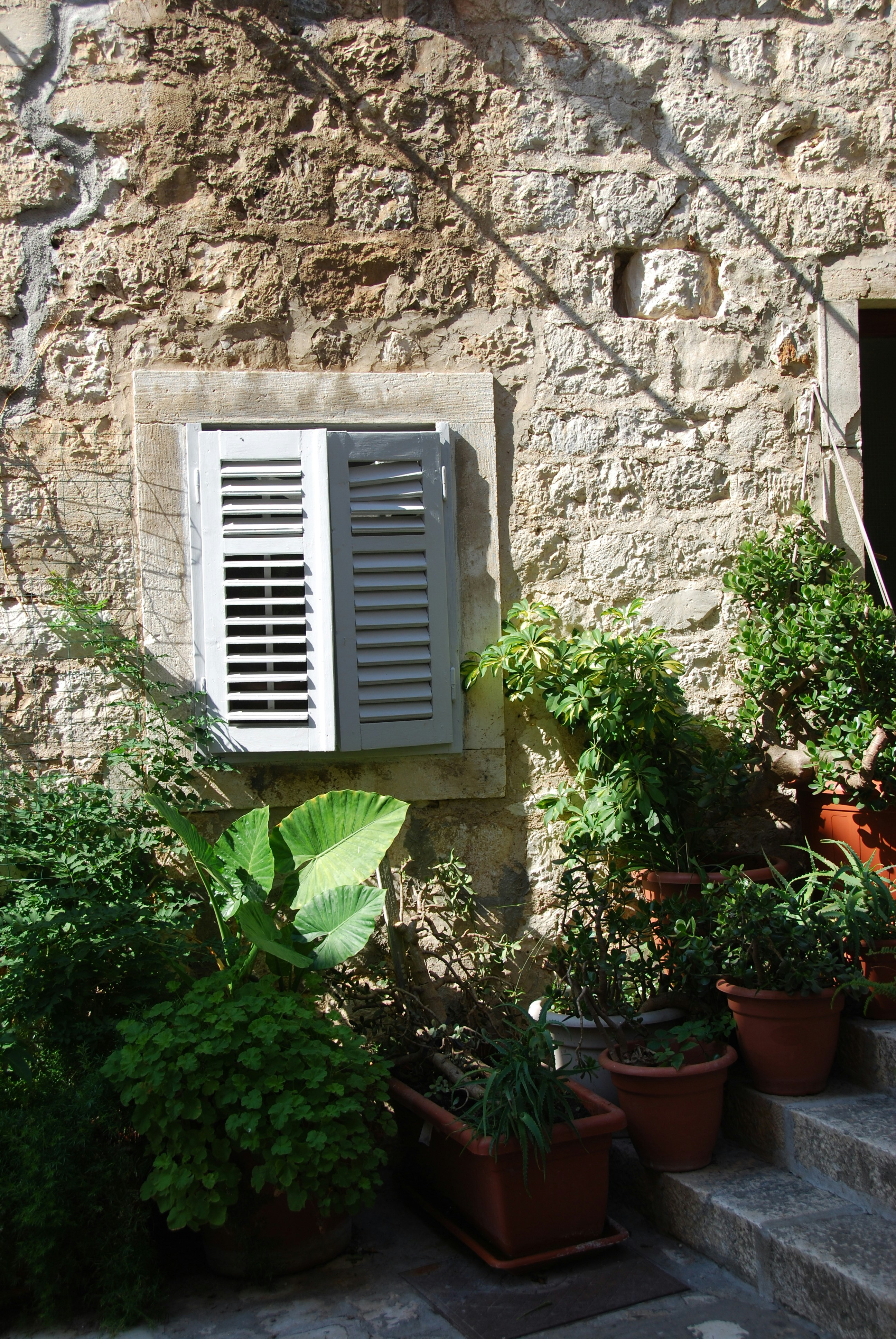
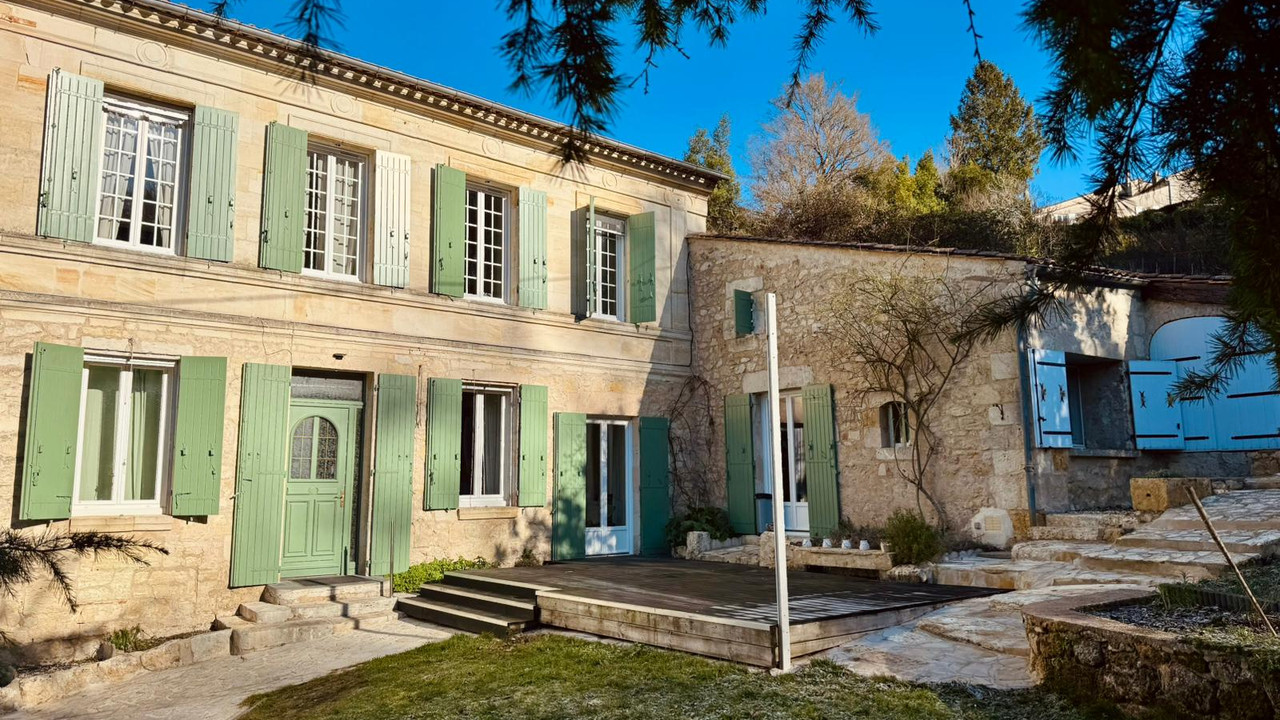
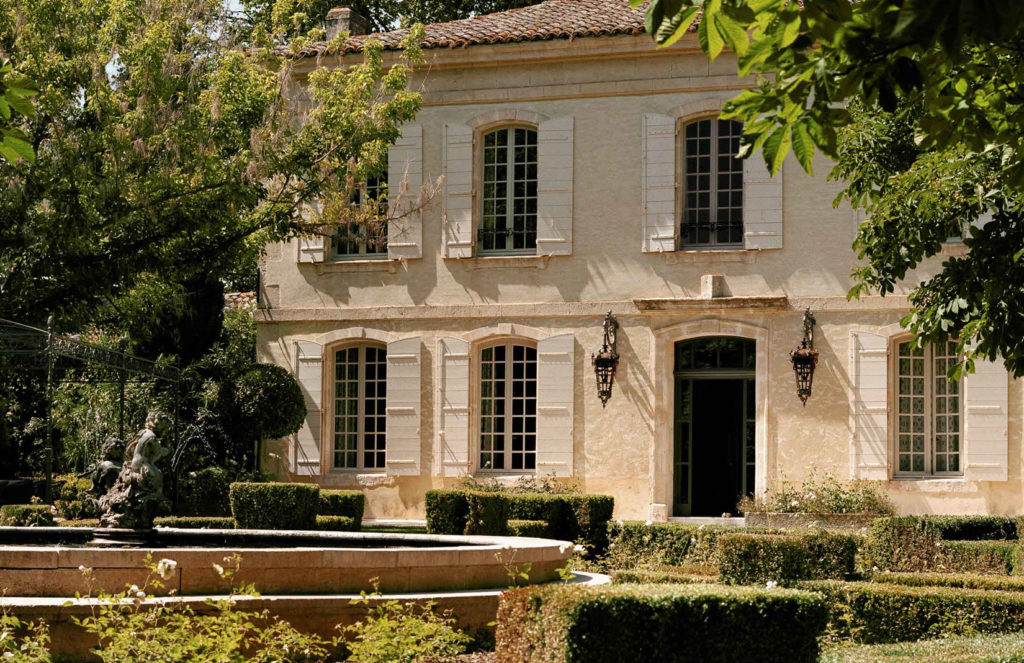
One of the easiest mistakes to make when looking at property in France is assuming that heating works roughly the same everywhere. You see a beautiful stone house in summer, walk through bright rooms with thick walls, and it feels naturally cool and pleasant.
What you do not experience during a warm viewing is what that same house feels like in January.
Heating in France is surprisingly varied, especially outside cities. Many rural homes are not connected to mains gas at all. Instead they rely on individual systems that can be unfamiliar to foreign buyers and often more expensive than expected.
The most common system in older countryside homes is heating oil, known locally as fioul. This usually involves a large tank stored in a basement or outside. Once or twice a year, a delivery truck comes to fill it. The cost depends on market prices and usage, but for a typical family home it can easily run into several thousand euros per year. Buyers who visit in summer often never notice the tank, even though it is one of the most important elements of the property’s running costs.
Electric heating is also widespread, especially in houses that were modernised several decades ago. While electricity in France is relatively stable thanks to nuclear production, electric radiators can still be expensive to run in poorly insulated buildings. In older stone homes with minimal insulation, relying solely on electric heating can lead to surprisingly high winter bills.
Wood heating is another common feature, often in the form of fireplaces or wood stoves. Many owners use these as a primary or supplementary heat source. While wood can be relatively affordable, it requires storage space, regular handling, and consistent maintenance. It is not the effortless system some buyers imagine when they first see a charming fireplace in a listing photo.
Gas heating, which many foreign buyers expect as the default, is actually far less common in rural areas. Mains gas networks tend to be limited to towns and more densely populated regions. In the countryside, gas often means bottled propane stored in external tanks rather than a direct connection. This can involve rental contracts and fluctuating energy prices.
Insulation plays an equally important role in heating costs. Many older French homes were built long before modern energy standards existed. Thick stone walls provide thermal mass but not necessarily effective insulation. Heat can escape through roofs, windows, and floors much faster than buyers anticipate. The result is that some houses feel comfortable in summer but surprisingly cold and slow to warm in winter.
Energy performance certificates, known as DPE ratings, give an indication of efficiency, but they do not always capture the full lived experience of heating an older property. Two houses with similar ratings can feel very different depending on layout, ceiling height, and actual usage patterns.
All of this means that the real cost of heating in France is less about the system itself and more about the combination of building age, insulation quality, and lifestyle choices. A well insulated modern home connected to mains gas can be relatively economical. A large stone farmhouse heated with oil and electric backup can be dramatically more expensive to run.
None of these systems are inherently problematic. They simply reflect the diversity of housing in France. But understanding how they work is essential, because heating is often one of the largest ongoing costs of ownership.
For many buyers, this is one of the biggest differences between the dream of owning a French home and the reality of living in it year round.