Why French houses almost never have closets
Many French homes have little or no built in storage. Discover why closets are rare, how this reflects building traditions, and what buyers should expect.

Olivings
February 15, 2026 · 3 min read
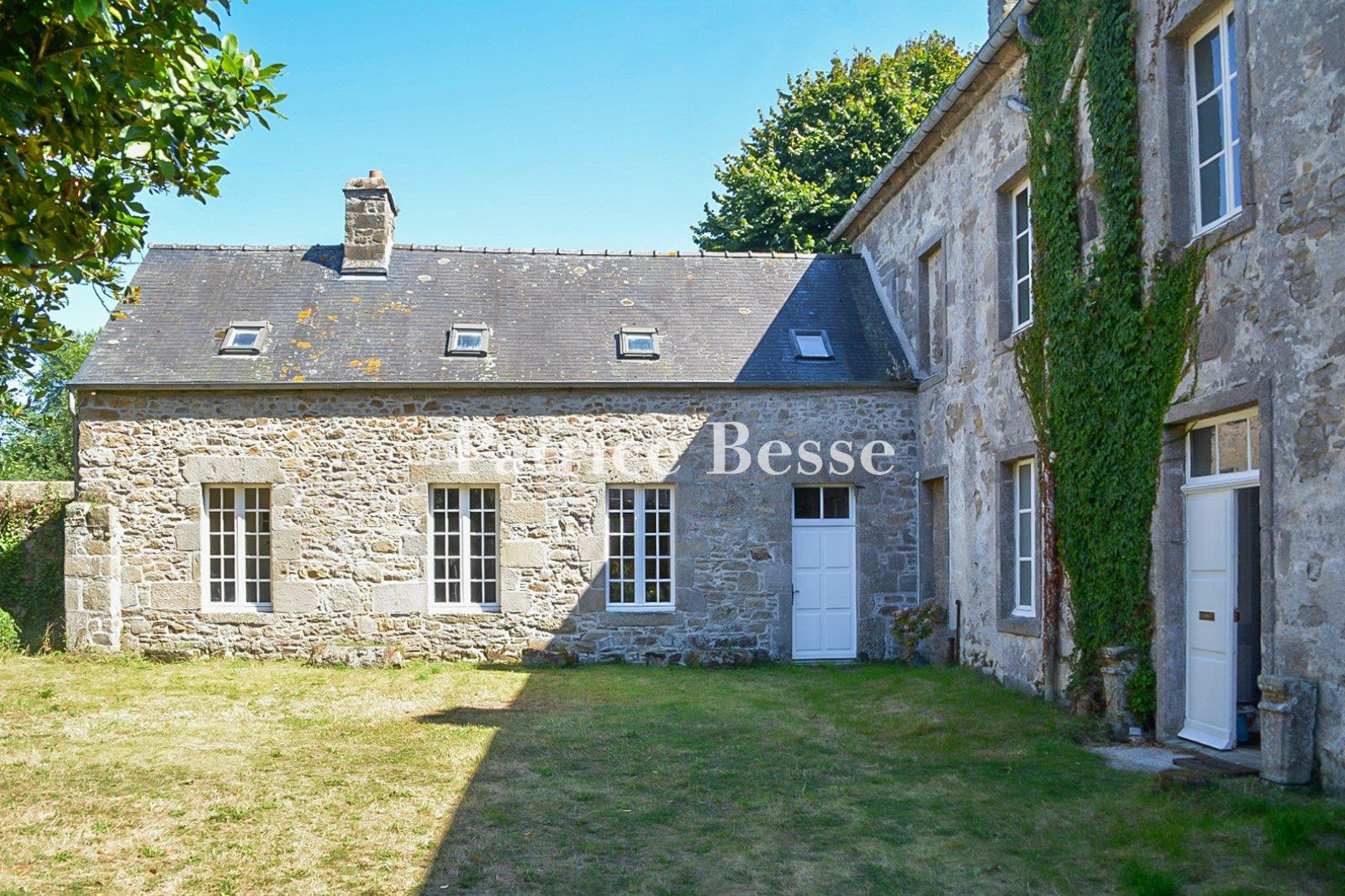
One of the first things many foreign buyers notice when they start viewing homes in France is something surprisingly simple.
There are no closets.
You can walk through a large house with thick stone walls, generous bedrooms, and high ceilings, and still find nowhere obvious to store clothes. Sometimes there is not even a built in wardrobe in the main bedroom. Just empty walls.
For people coming from Northern Europe or North America, this feels strange. Closets are considered basic infrastructure. In France, they are not.
The reason is partly historical. Many French houses, especially older ones, were not designed around permanent storage. People owned fewer clothes, and wardrobes were traditionally freestanding pieces of furniture rather than built into the structure of the home. Large wooden armoires served this purpose for generations, and they are still common today.
You still see this influence in older properties. A bedroom might have a niche in the wall where an armoire once stood, or a small recessed space rather than a modern built in closet. The expectation was that storage was something you brought with you, not something the house provided.
Building traditions also play a role. Many older French homes are constructed with thick stone or load bearing masonry walls. Creating built in closets in these structures is not always simple or practical. It is much easier to place freestanding furniture than to carve storage into heavy walls.
Even in more modern houses, built in storage tends to be more limited than in some other countries. You might see small fitted cupboards known as placards, but they are often narrower and shallower than what international buyers expect. Walk in closets are relatively rare outside higher end new builds.
This difference is something many buyers only notice once they start imagining daily life in the home. During a viewing, it is easy to focus on the charm of the space, the light, or the view. Only later does the practical question arise of where everything will actually go.
For some people, this becomes part of the appeal. Freestanding wardrobes, antique armoires, and flexible furniture arrangements fit well with the aesthetic of many French interiors. They allow rooms to remain visually simple and adaptable.
For others, it requires a small shift in expectations. Storage often needs to be added rather than assumed. Renovations sometimes include creating new placards or converting unused corners into built in cupboards.
It is a small detail, but it reflects a broader difference in how homes have traditionally been used. French houses were designed around living spaces rather than storage systems. The focus was on rooms and circulation rather than integrated cabinetry.
Once you start noticing it, you see it everywhere. Bedrooms without closets, hallways without coat cupboards, kitchens with limited pantry space.
It is not a flaw. It is simply part of the character of the housing stock.
And for many buyers, it becomes one of those small cultural details that quietly marks the transition from viewing France as a holiday destination to understanding how people actually live there.