Why Côte d'Azur, Var, France
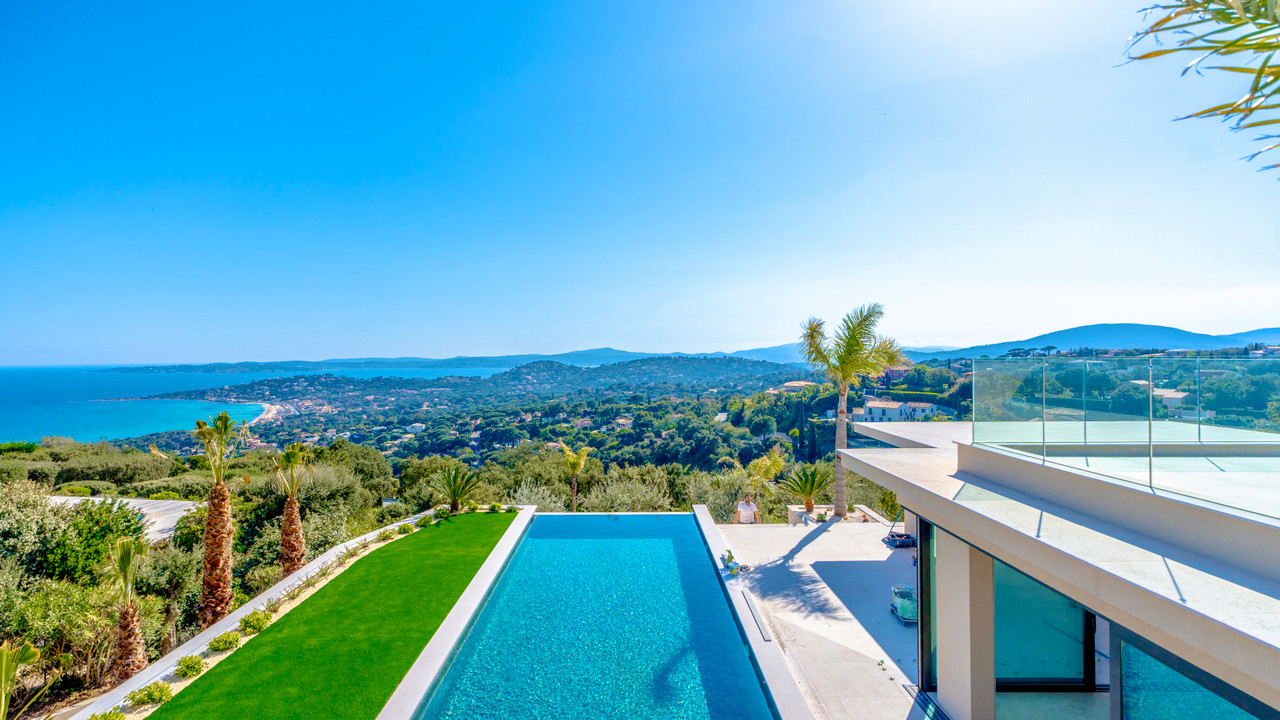
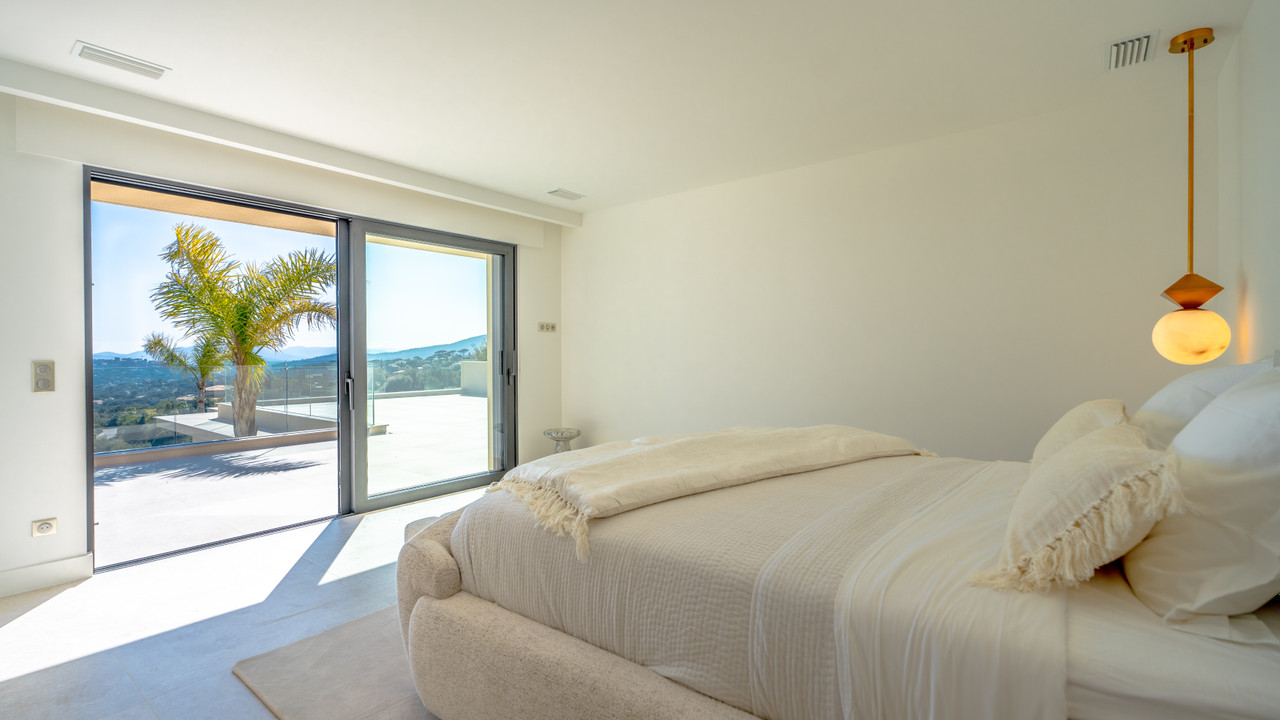
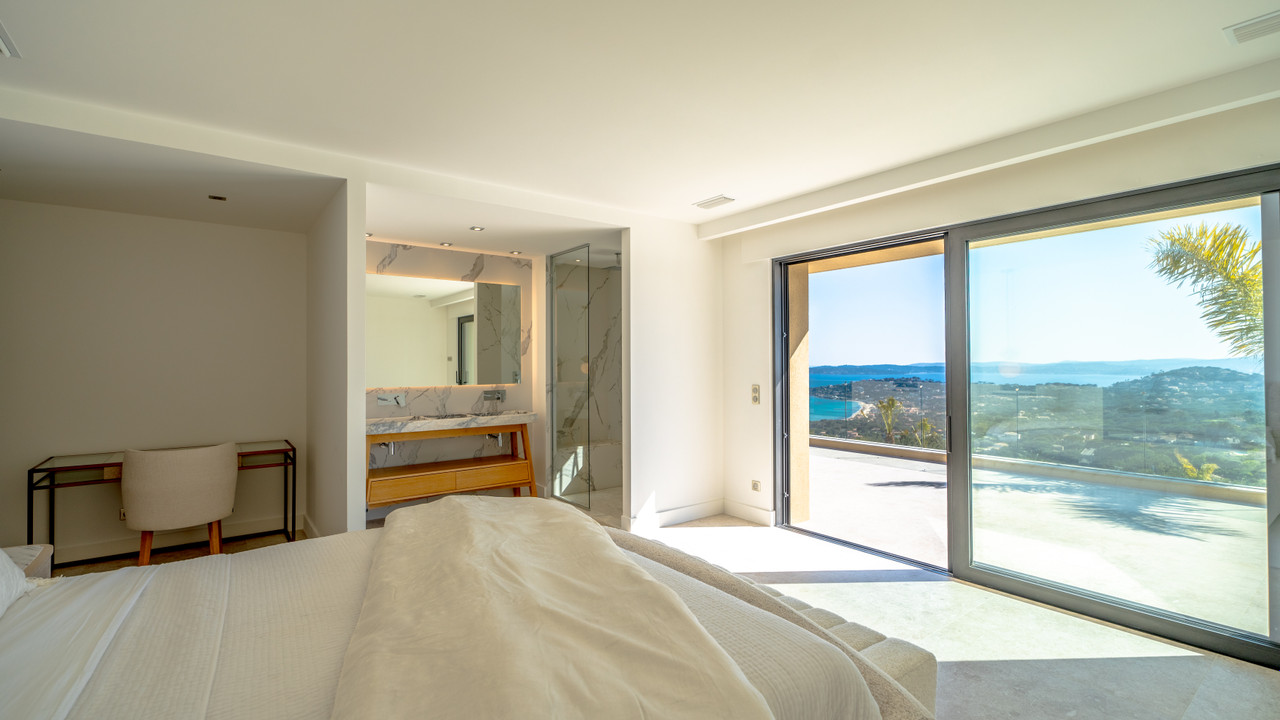
The Var department offers a compelling alternative to the glitz of the Alpes-Maritimes (Nice/Cannes). It represents the "authentic" French Riviera—where the rugged Maures and Estérel mountains meet turquoise waters. Foreign buyers are drawn here because it offers a higher degree of privacy, larger plots of land, and a more relaxed, Provencal atmosphere.
Whether you are looking for the glamour of Saint-Tropez, the family-friendly vineyards of Lorgues, or the coastal charm of Le Lavandou, the Var provides a "best of both worlds" investment: the prestige of the Côte d'Azur combined with the rustic soul of Provence. Property here tends to hold its value exceptionally well due to strict building codes that prevent overdevelopment.
Climate & Lifestyle
Life in the Var is dictated by the sun, which shines more than 300 days a year.
- Spring/Summer: This is peak season. Coastal life revolves around beach clubs, sailing, and rosé wine from local vineyards. Expect hot, dry summers (30°C+).
- Autumn/Winter: The "arrière-saison" is many locals' favorite time. While the nights are cool, days are often bright and mild. Many coastal towns become quiet, but inland villages remain active with truffle markets and olive harvests.
The lifestyle is "slow." Mornings are for the bakery and local markets; afternoons are for shade and long lunches. Note that in July and August, the population triples, and the pace shifts from tranquil to high-energy.
Getting There & Around
The Var is exceptionally well-connected, though a car is essential for most villa owners.
- Airports: Nice Côte d'Azur (NCE) is the primary hub for long-haul and European flights. Toulon-Hyères (TLN) offers domestic and select European connections.
- Roads: The A8 autoroute (La Provençale) runs through the department, connecting you to Italy or Marseille. However, coastal roads (the Corniche) can become heavily congested in summer.
- Rail: The TGV stops at Saint-Raphaël, Les Arcs-sur-Argens, and Toulon, linking the region to Paris in under 5 hours.
Practical Living
Daily life is highly convenient for foreigners, though a basic level of French is respected and helpful.
- Healthcare: Generally excellent. Major hospitals are in Toulon, Draguignan, and Fréjus, with specialized clinics throughout the region.
- Education: There are several international schools, particularly toward the eastern Var (closer to Sophia Antipolis), such as the International School of Nice or Mougins School.
- Connectivity: High-speed fiber internet is being rolled out rapidly across the Var, making "work from home" villas very viable, even in rural areas.
Property Considerations
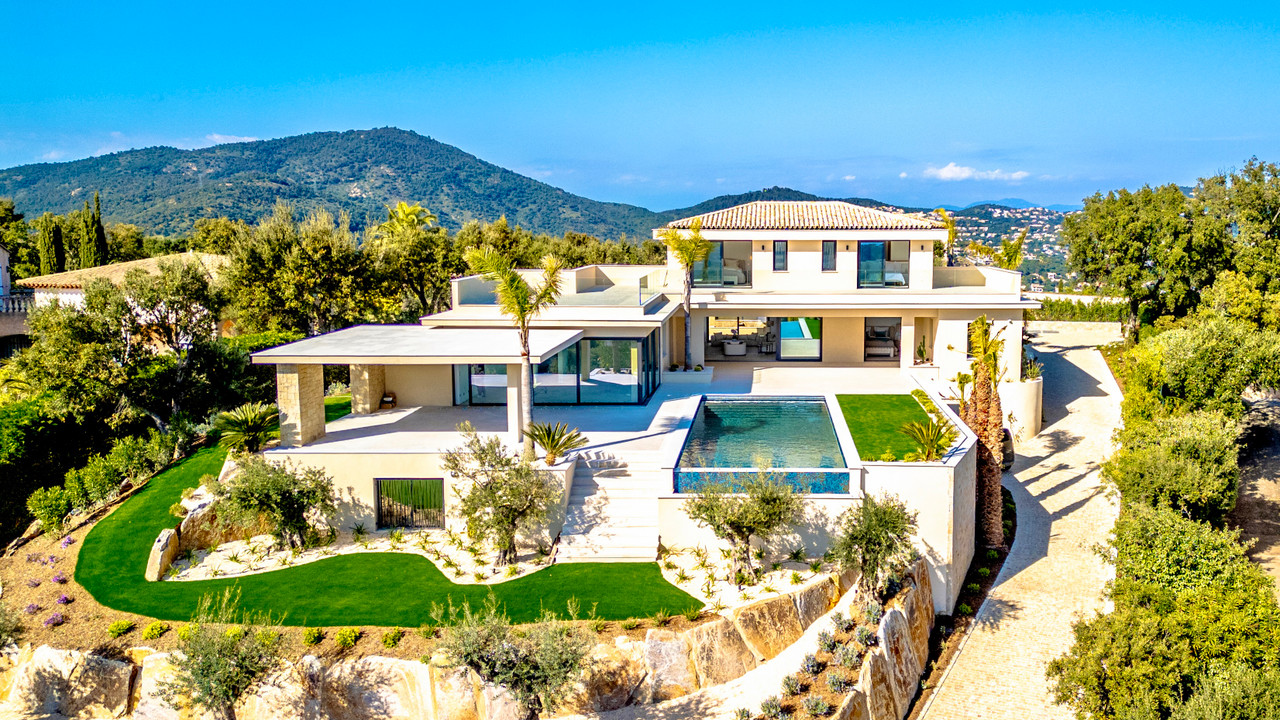
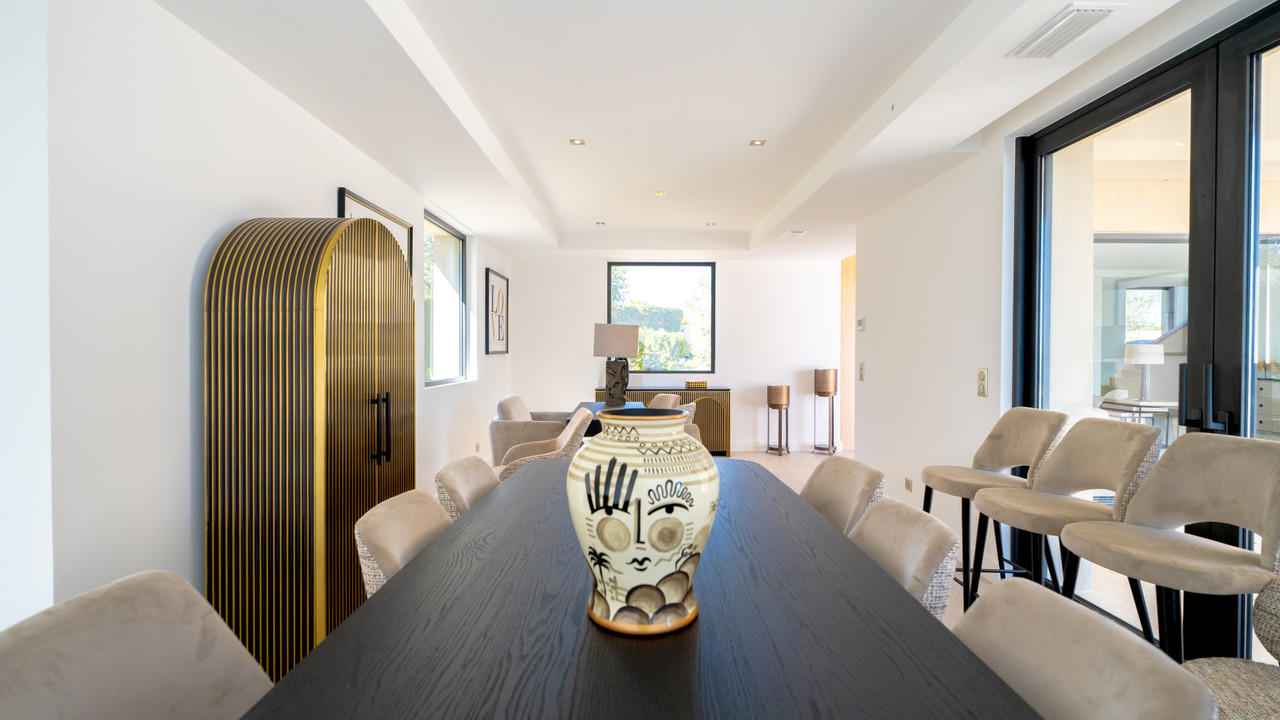
Villas in the Var typically fall into two categories: the Bastide (grand, symmetrical stone house) or the Mas (lower-slung, rustic farmhouse style).
Things to Watch For:
- Termites & Lead: Mandatory diagnostic reports (DPE) are required by law, but always double-check the termite report, as they are prevalent in Southern France.
- Wildfire Risk: The Var is heavily forested. Properties must adhere to débroussaillement (brush clearing) laws. Failure to clear vegetation around your villa can result in heavy fines and voided insurance.
- Water Scarcity: Droughts are common. If purchasing a property with a large garden, check if it has a "Canal de Provence" water connection or a legal well (forage).
- Renovation: Costs are high (€2,500–€4,000 per sqm for high-end finishes). Local "Artisans" are skilled but often booked months in advance.
Buying as a Foreigner
France has a highly regulated and secure buying process managed by a Notaire.
- Compromis de Vente: The initial contract. Once signed, the buyer has a 10-day cooling-off period.
- Deposit: Usually 5% to 10%, held in a Notaire’s escrow account.
- Acte de Vente: The final deed, signed roughly 3–4 months later.
Costs: Budget an additional 7% to 8% of the purchase price for "Notaire fees" (mostly state taxes). Pitfalls: Be wary of buying a villa that has had extensions built without "Planning Permission" (Permis de Construire). Your Notaire must verify that all structures on the plot are legal.
Community & Expat Life
The Var has a diverse international community—heavily British, Scandinavian, Dutch, and German—but it feels less like an "expat bubble" than the Dordogne or the Costa del Sol.
The French in the Var are generally welcoming to those who attempt the language and support local commerce. Integration often happens through the local Mairie (town hall) or by joining hobby groups (cycling, pétanque, or wine tasting). In coastal hubs like Sainte-Maxime, you’ll find year-round international residents; further inland, the community is more integrated with the local French population.