Why Burgundy, Saône-et-Loire, France
Located in the southern half of the Burgundy-Franche-Comté region, Saône-et-Loire (Department 71) offers a quintessentially French lifestyle without the "tourist trap" prices of the Côte d’Or to the north or the high-gloss glamor of the Provence.
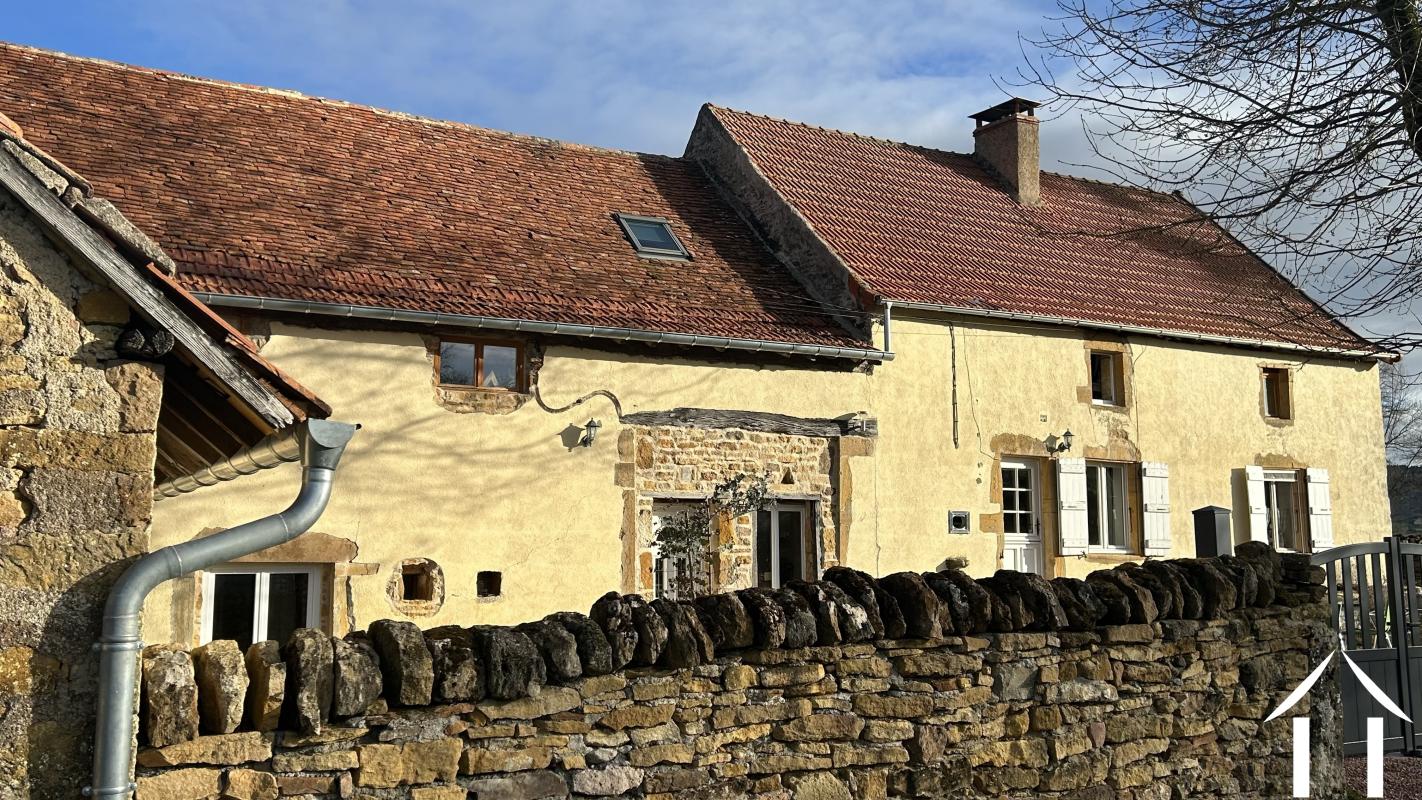
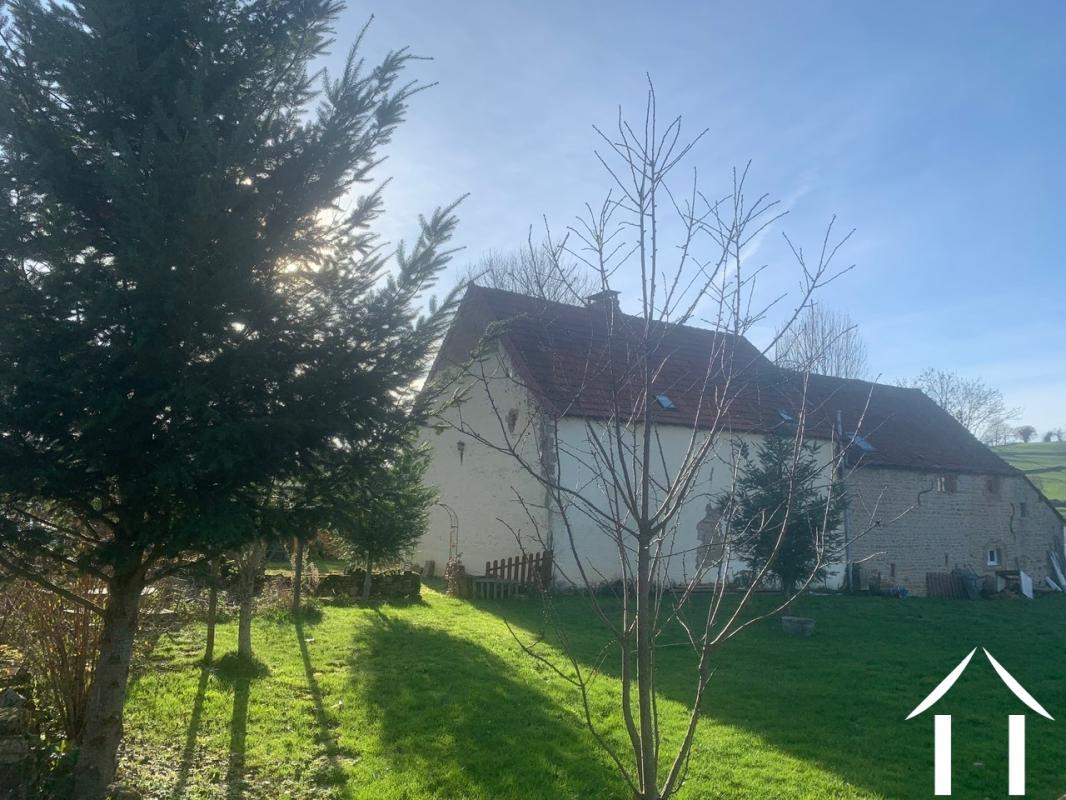
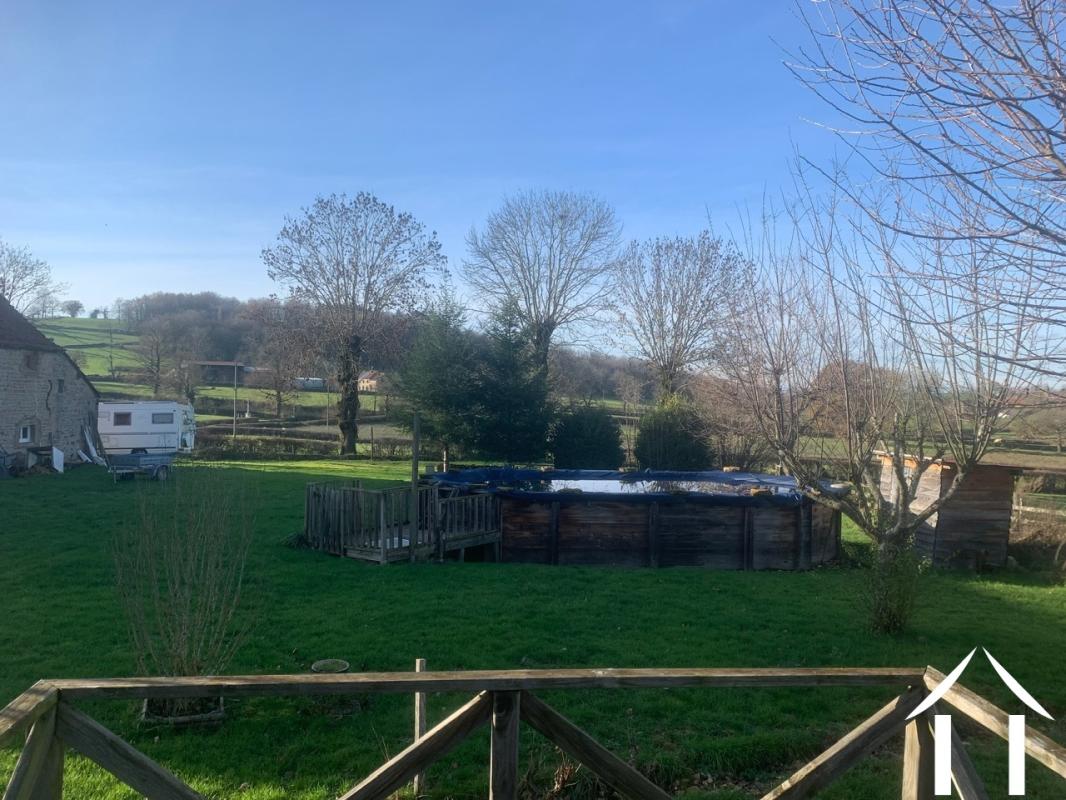
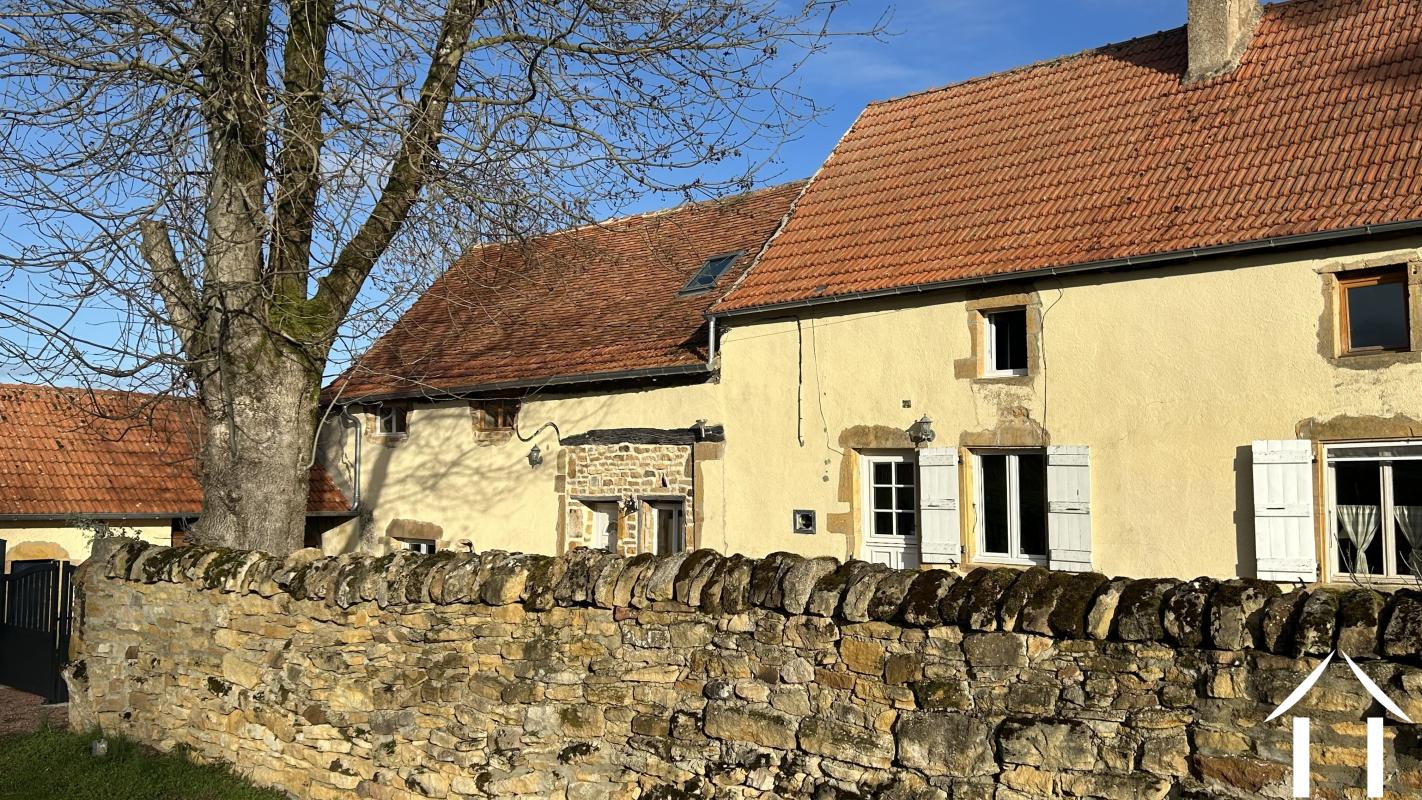
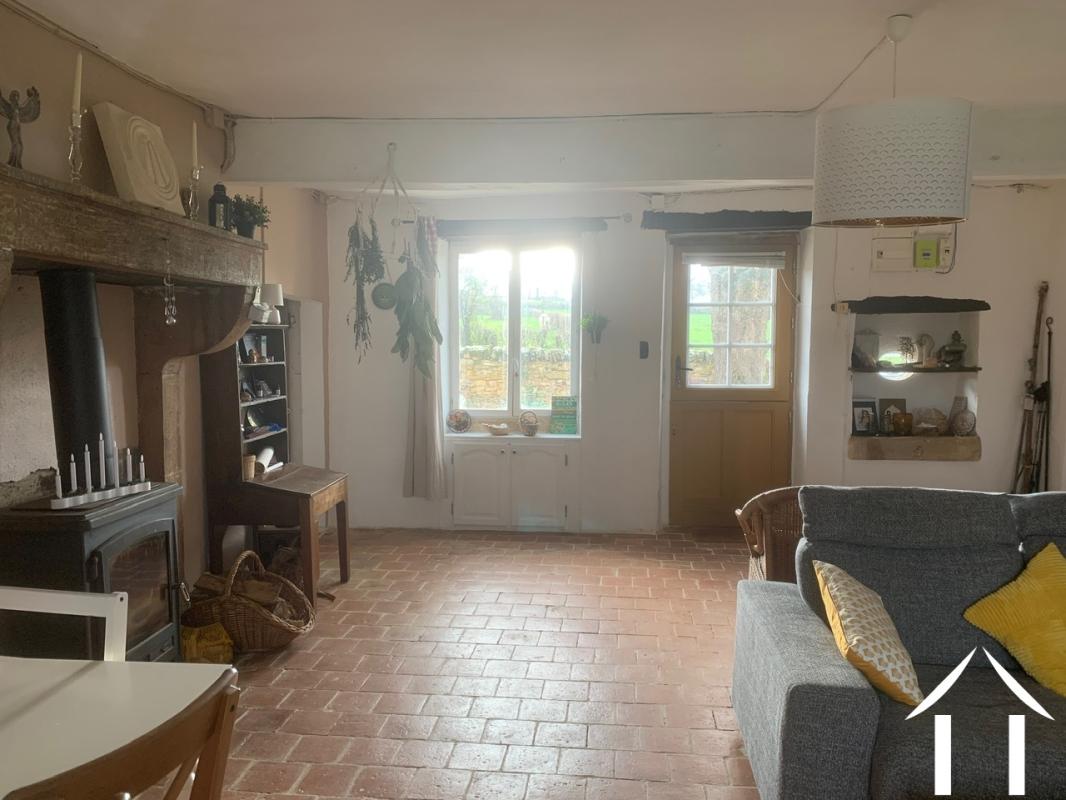
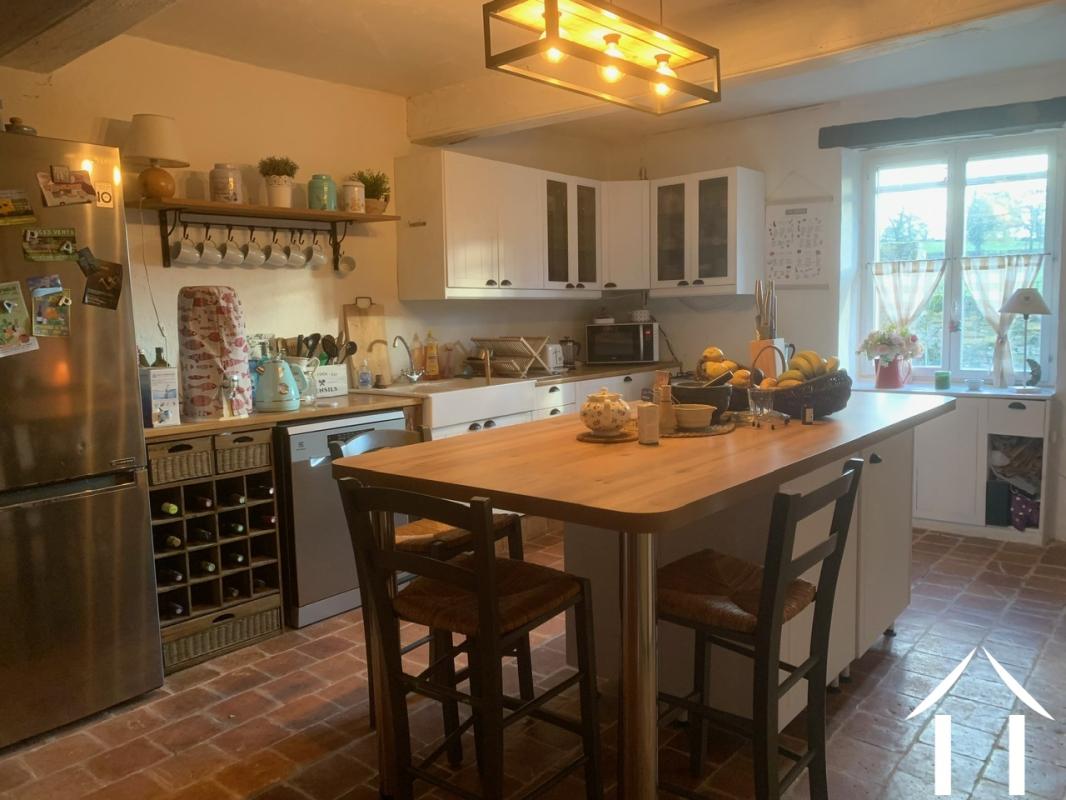
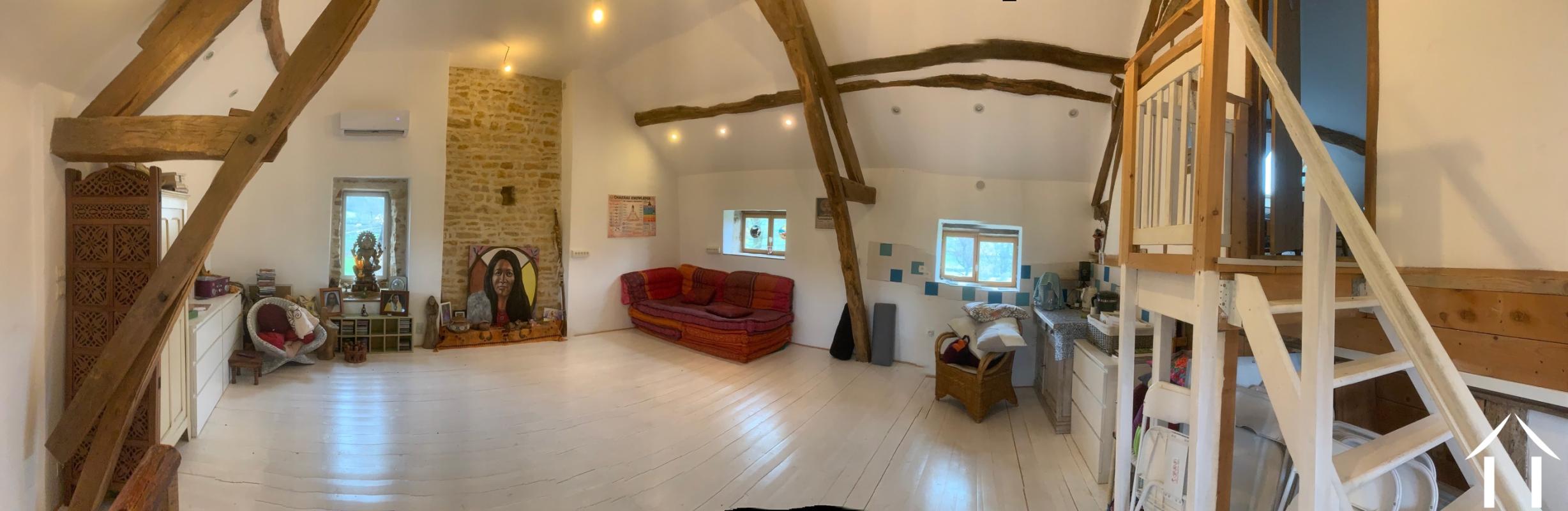
Foreign buyers are drawn here by the rolling landscape of the Charolais hills, the prestige of Mâconnais wines, and the authentic stone farmhouses (fermettes) available at a fraction of the cost of properties near Paris or the coast. It is a region of "slow living," characterized by Romanesque churches, world-class gastronomy, and a deep connection to the land. For investors, it offers a stable market for holiday rentals, particularly for those seeking "wellness" or "gastronomy" retreats.
Climate & Lifestyle
Saône-et-Loire experiences a continental climate with distinct seasons.
- Spring/Summer: Lush and warm. Temperatures often hover between 22°C and 28°C, perfect for alfresco dining and exploring the Voie Verte (cycle paths).
- Autumn: The harvest season (Les Vendanges) is the cultural peak, with golden vineyards and misty mornings.
- Winter: Can be cold, damp, and grey. Temperatures occasionally drop below freezing, and while snow is infrequent, it does happen.
The rhythm of life follows the sun and the market calendar. Sundays are quiet; shops close, and families gather for long lunches. The pulse of the region is found in its local markets, such as the famous Monday morning market in Louhans.
Getting There & Around
Despite its rural feel, the department is remarkably well-connected:
- Airports: Lyon-Saint Exupéry (LYS) is the primary gateway, roughly 1 to 1.5 hours south of Mâcon. Geneva Airport (GVA) is a viable alternative for those in the eastern parts of the department.
- Train: The TGV (high-speed train) stops at Le Creusot-Montchanin and Mâcon-Loché, connecting you to Paris in just 1 hour and 20 minutes.
- Driving: The A6 "Autoroute du Soleil" bisects the department, making it an easy drive from Northern Europe or the UK. However, once off the main arteries, a car is essential; public transport in the small villages is virtually non-existent.
Practical Living
Daily life is highly manageable for foreigners, provided you appreciate a slower pace.
- Healthcare: Excellent. Large hospitals are located in Chalon-sur-Saône and Mâcon. Most towns have a Maison Médicale with GPs and dentists.
- Shopping: Small villages usually have a boulangerie, but for weekly shops, you’ll head to "Intermarché" or "Leclerc" on the outskirts of towns.
- Connectivity: France has rolled out fiber-optic internet (la fibre) aggressively. Most rural Saône-et-Loire villages now have high-speed access, making remote work feasible.
- Education: International schools are rare within the department; most expats opt for local French schools or look toward Lyon for international curriculums.
Property Considerations
Buying a farmhouse here often means inheriting a centuries-old limestone structure.
- Common Issues: Be vigilant about rising damp (common in stone floors) and the state of the fosse septique (septic tank). Many rural properties are not on mains drainage, and upgrading a non-compliant system can cost €10,000–€15,000.
- Renovation: Artisan labor (artisans) is high quality but currently in high demand. Expect delays. Always ask for a Décennale (a 10-year insurance guarantee) for major works.
- Regulations: If your property is near a historic monument (and many are), the Architectes des Bâtiments de France (ABF) may dictate the color of your shutters or the type of roof tiles you use.
- Termites/Asbestos: Sellers are legally required to provide a "DDT" (technical diagnostic folder) which covers these risks. Read it carefully.
Buying as a Foreigner
The French buying process is highly regulated and generally safe.
- Compromis de Vente: Once an offer is accepted, you sign this preliminary contract and pay a 10% deposit. You have a 10-day "cooling-off" period.
- The Notaire: The Notaire is not just a lawyer but a government official who ensures the title is clear. You can (and should) appoint your own Notaire; they will share the fee with the seller’s Notaire at no extra cost to you.
- Costs: Budget an additional 7% to 8% of the purchase price for "notary fees," which are actually mostly property taxes.
- Restrictions: There are currently no restrictions on foreigners buying property, regardless of residency status, though post-Brexit UK buyers must monitor their 90-day stay limits.
Community & Expat Life
The expat community in Saône-et-Loire is dispersed rather than clustered. You will find British, Dutch, and German homeowners, but you won't find "expat enclaves."
Integration is key. The locals are generally welcoming but conservative. A basic command of French is essential for daily life and will earn you significant respect. The best way to integrate is through local associations (associations)—whether it's the village comité des fêtes, a hiking club, or a community garden. Participation in village events is the "fast track" to being accepted as a local rather than just a "second-home owner."