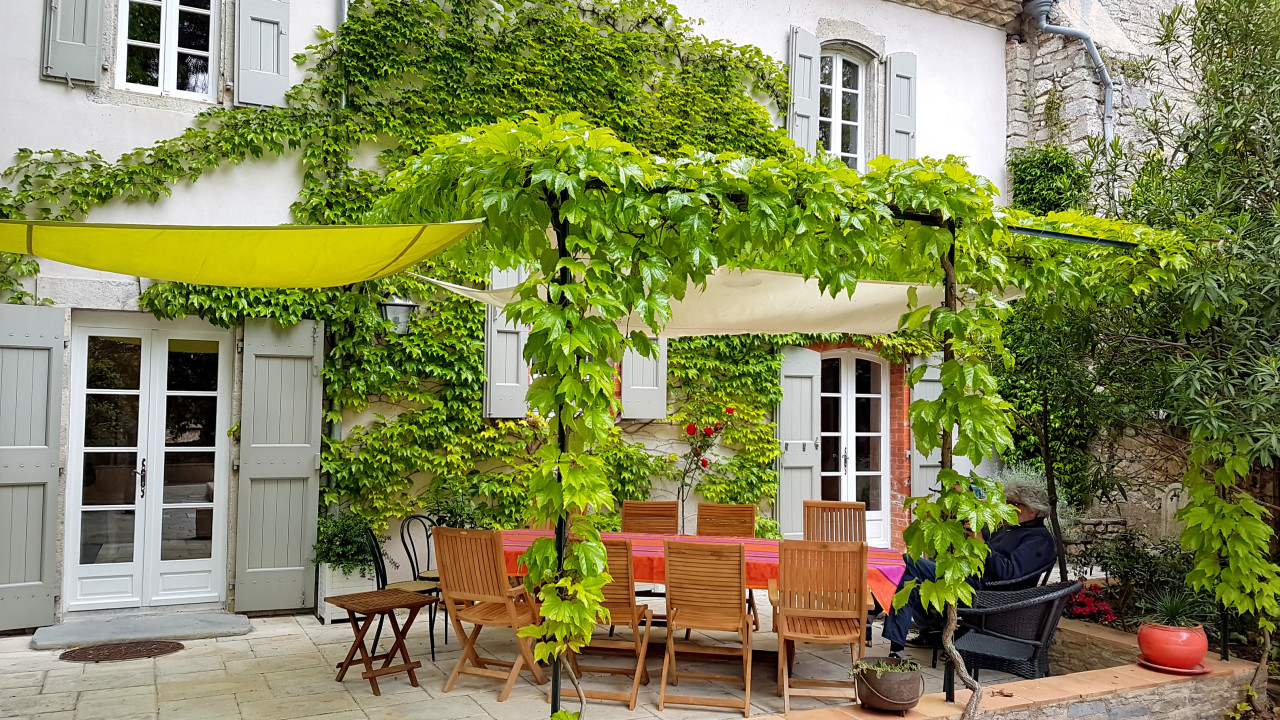
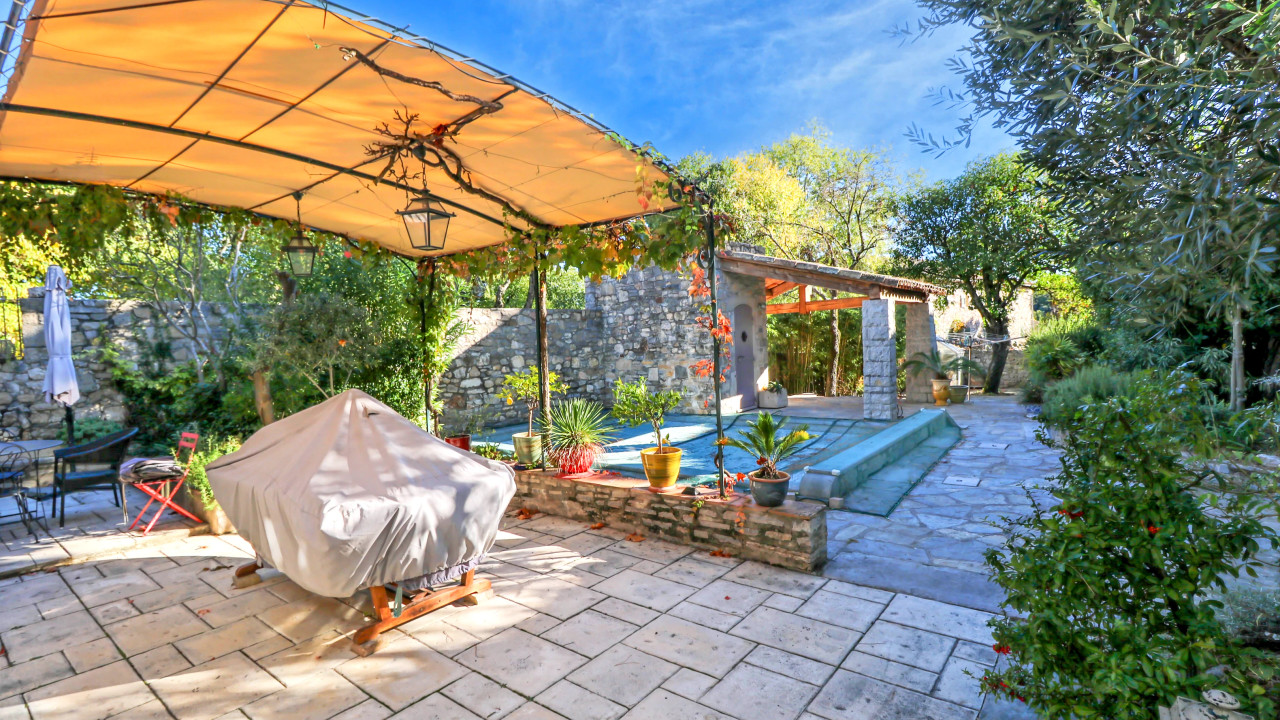
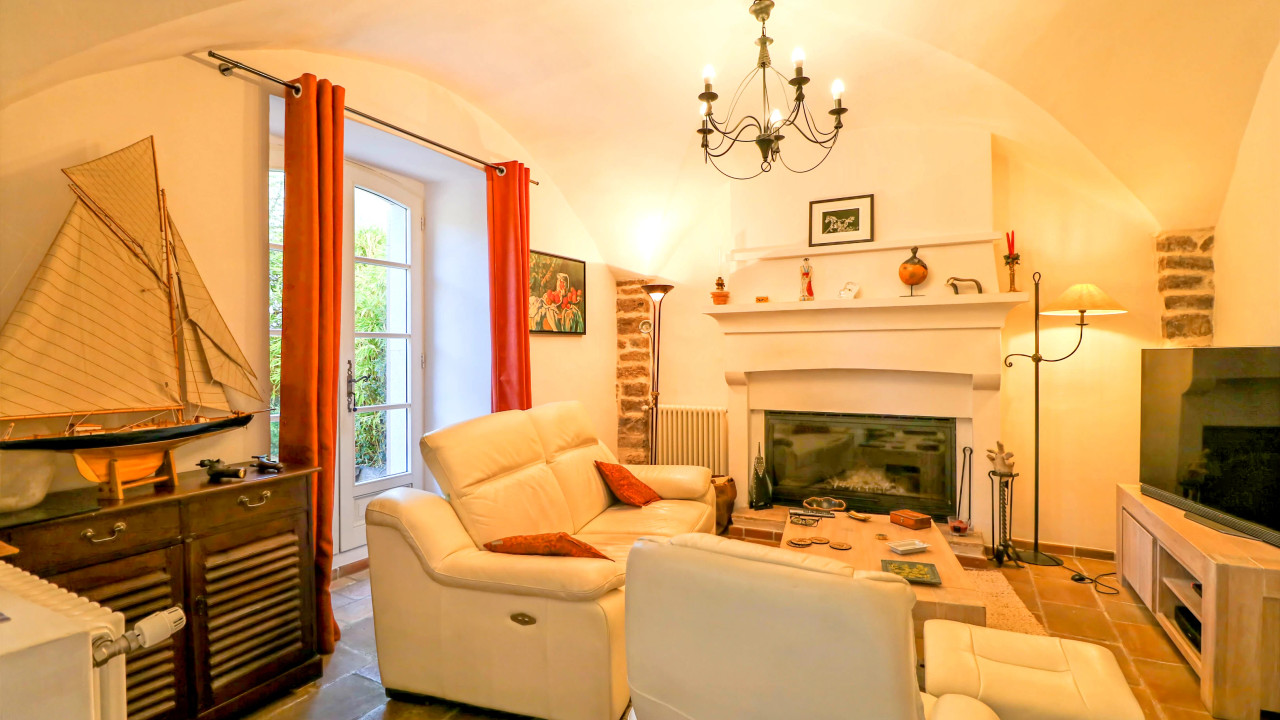
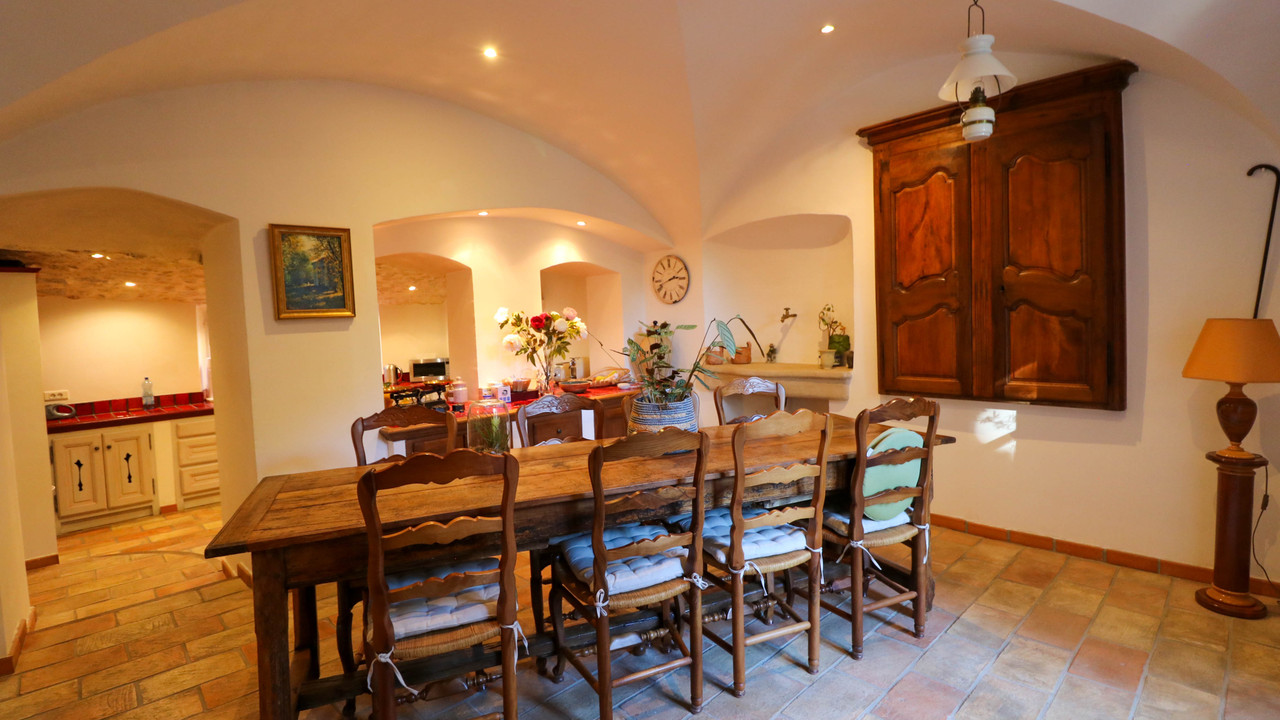
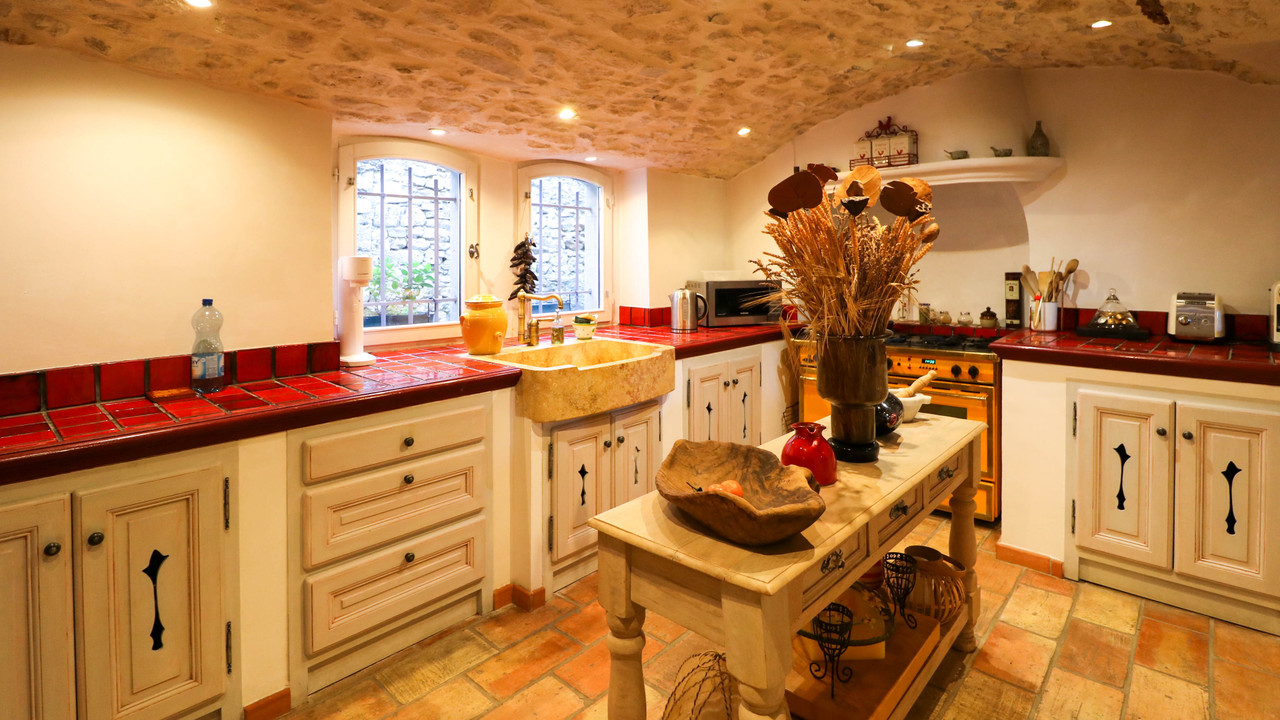
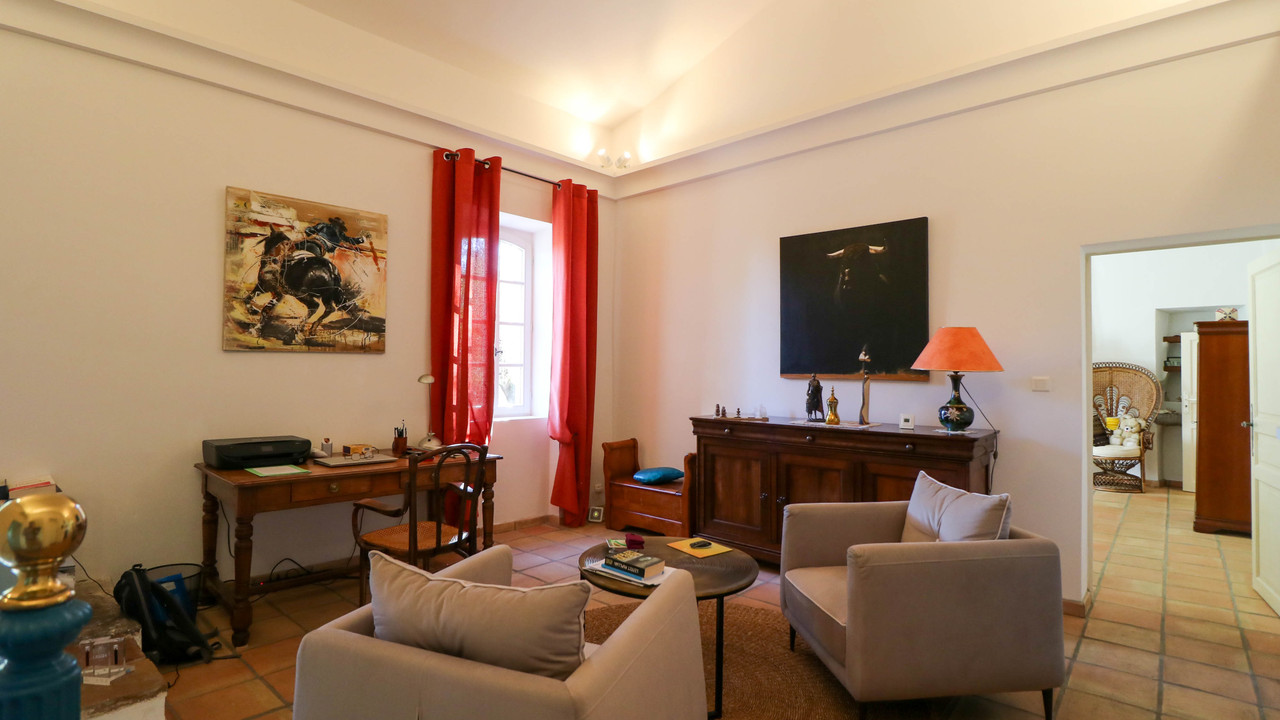
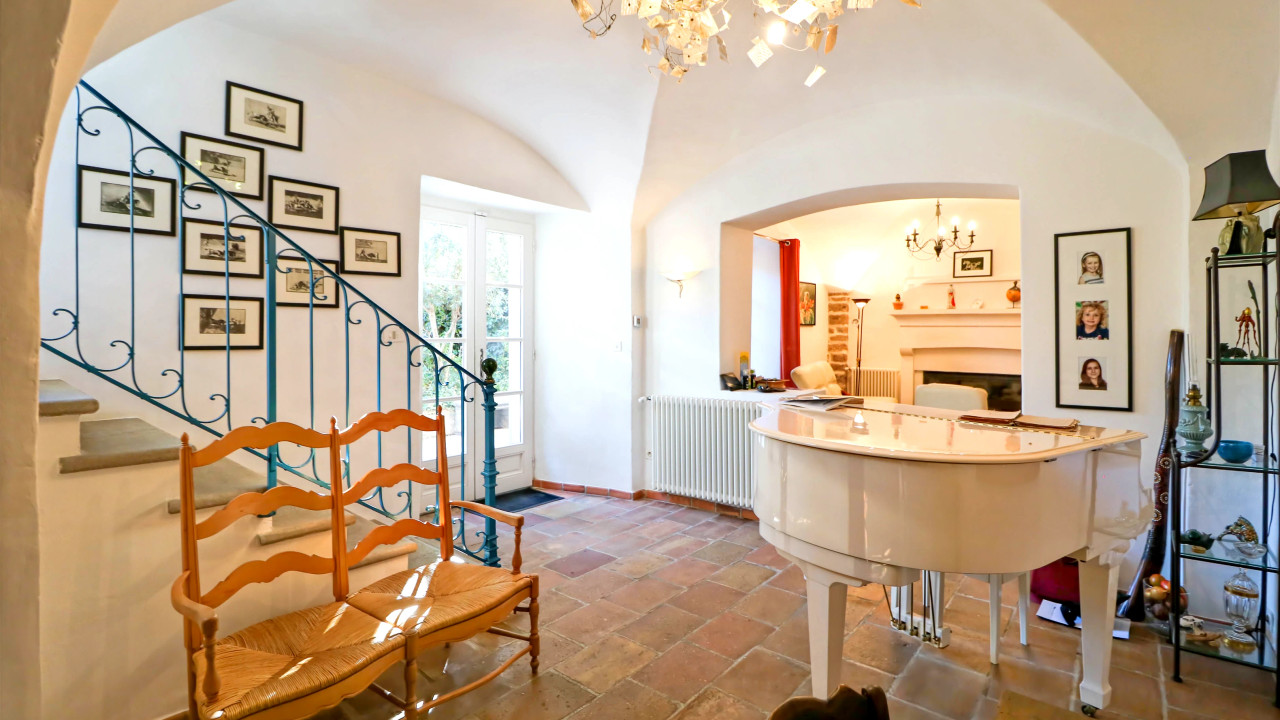
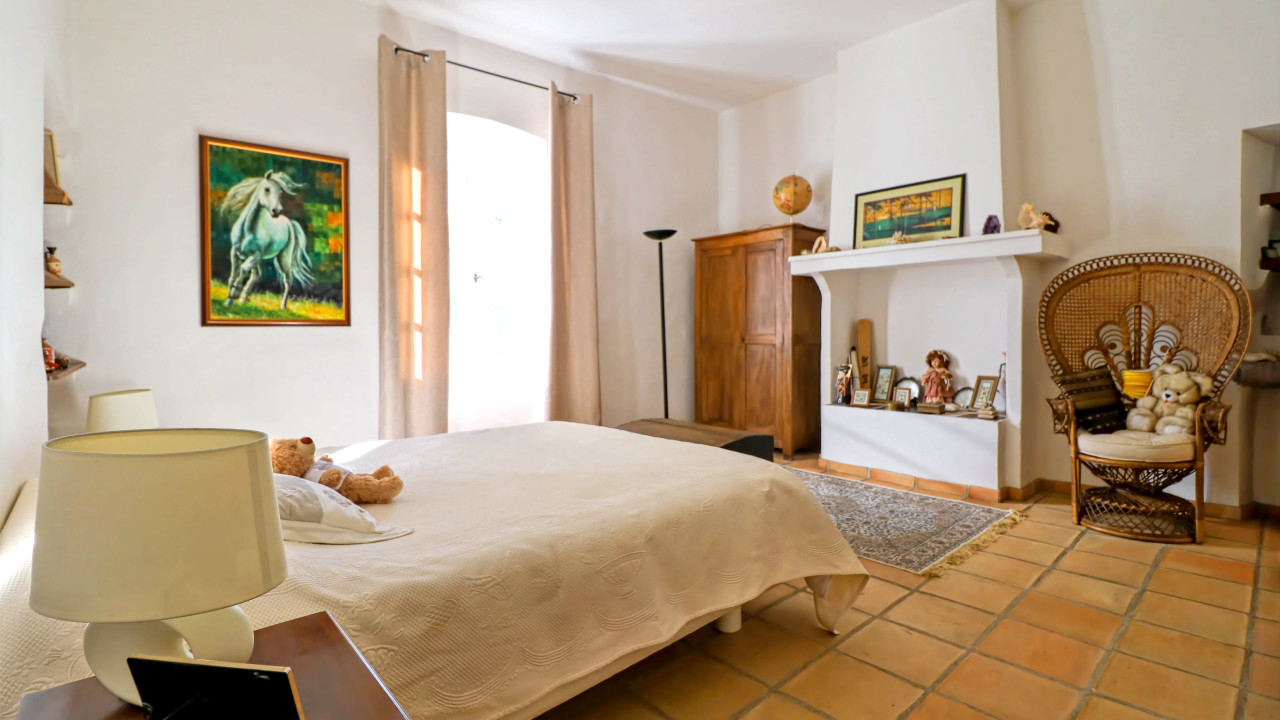
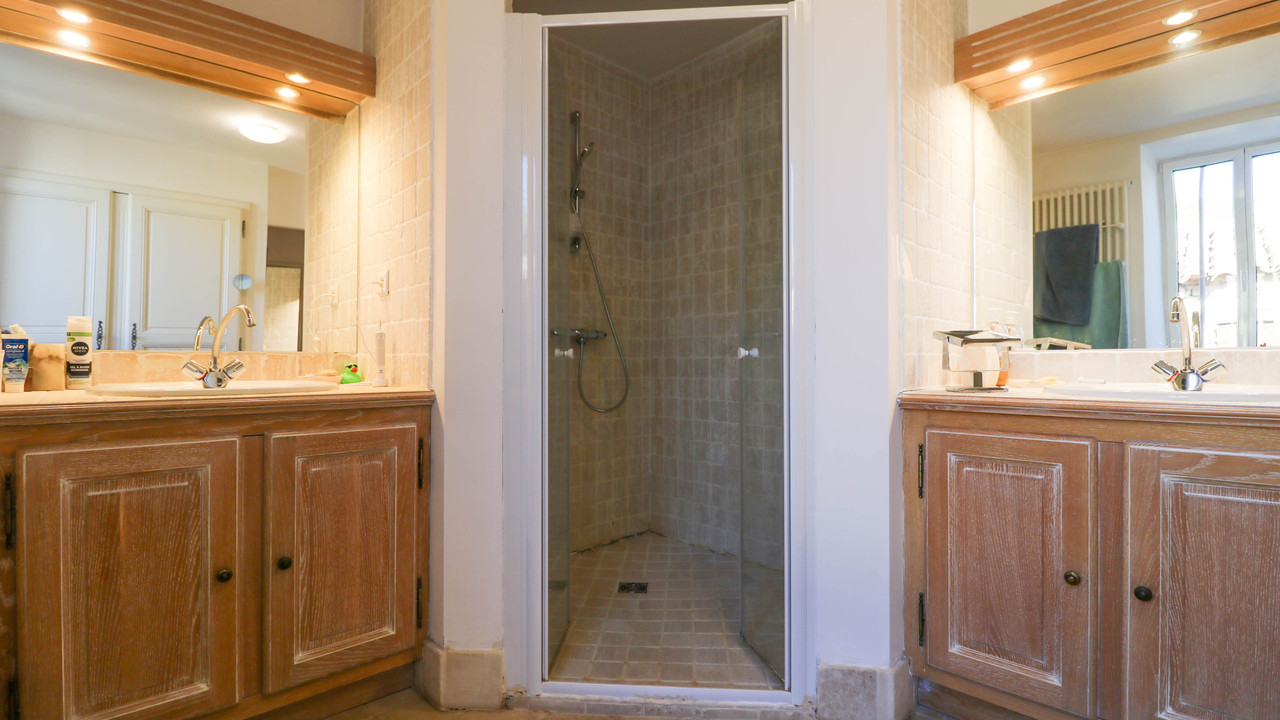
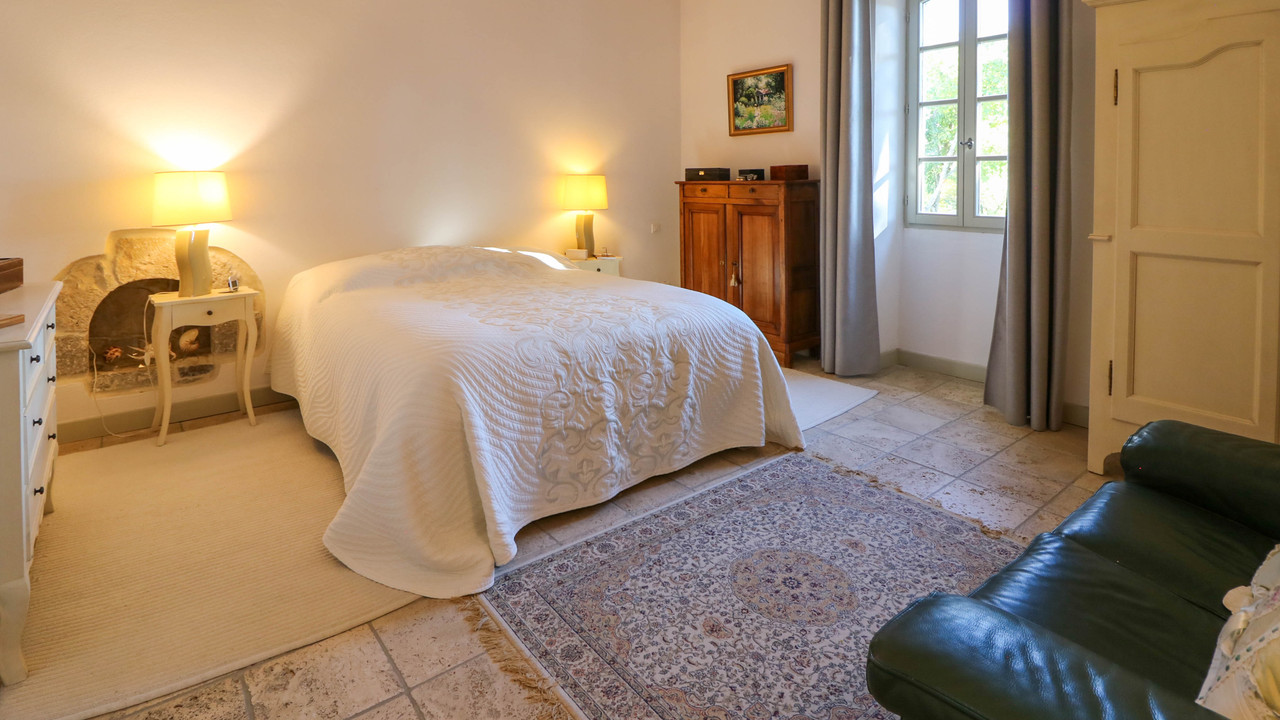
Nestled on the heights of a charming village between Nîmes and Montpellier within 2km from Quissac with all comerce, this former 12th-century presbytery has been beautifully restored between 2000 and 2011 with great respect for its original materials and character. In the heart of the Gard region, surrounded by rolling vineyards and garrigue landscapes typical of southern France. Its peaceful setting, proximity to two major cities, and authentic Provençal atmosphere make it an ideal location for a family home or a refined holiday retreat. Local amenities and services are nearby, while the Mediterranean coast, historic towns, and hiking trails are all within easy reach.
12th Century Village House with Pool near Nîmes
Village House · Languedoc-Roussillon, Gard, France
€930,000
250 m²living1,500 m²plot4bedrooms
Location


Languedoc-Roussillon, Gard, France
About Languedoc-Roussillon, Gard, France
Local highlights, dining & things to do nearby
Why Languedoc-Roussillon, Gard, France
The Gard department, tucked between the Rhône River and the Cévennes mountains, offers a quintessential South of France experience without the eye-watering price tags of the Côte d’Azur. For many foreign buyers, the appeal lies in its "authentic" feel. Here, you find a landscape of limestone gorges, olive groves, and vineyards.
The Gard is home to the Roman marvel of Nîmes and the Pont du Gard, the medieval charm of Uzès, and the wild beauty of the Camargue. Investing in a village house here means buying into a slower pace of life, historical architecture, and a region that feels lived-in year-round, rather than just a seasonal tourist shell.
Climate & Lifestyle
Life in the Gard is dictated by the sun and the "Tramontane" or "Mistral" winds. You can expect over 300 days of sunshine a year.
- Summer: Hot and dry, often exceeding 30°C. Life moves indoors or under pergolas during the afternoon.
- Winter: Generally mild and bright, though the Mistral wind can feel biting.
- Lifestyle: It is deeply agricultural. Markets are the social heartbeat—Uzès' Saturday market is world-famous. Expect a "slow food" culture centered around Côtes-du-Rhône wines, pélardon (goat cheese), and tapenades.
Getting There & Around
The Gard is exceptionally well-connected for international owners:
- Airports: Nîmes (Ryanair), Montpellier (International), and Marseille (Major Hub) are all within a 30-to-60-minute drive depending on your village location.
- Train: The TGV (High-Speed Train) stops at Nîmes and Avignon, connecting you to Paris in under 3 hours.
- Driving: The A9 and A7 autoroutes provide fast access to Spain and the rest of Europe. However, inside the villages, streets are famously narrow; a small car is a necessity, not a suggestion.
Practical Living
Daily life is surprisingly manageable for foreigners, though rurality varies.
- Healthcare: Nîmes and Avignon have world-class hospitals. Most villages have a local maison de santé with English-speaking doctors.
- Connectivity: France is rolling out fiber-optic internet (Fibre) aggressively. Most Gardois villages now have high-speed access, making remote work feasible.
- Shopping: While villages have boulangeries, you will need a car for "hypermarkets" (Intermarché/Carrefour) usually located on the outskirts of larger towns.
Property Considerations
Village houses (maisons de village) in the Gard are typically built from local limestone. They are charming but come with specific "old house" quirks:
- Structure: Look for thick stone walls. While they provide great thermal mass (keeping it cool in summer), they can trap humidity. Check for "salpêtre" (salt deposits) on lower walls.
- The "Remise": Many village houses include a ground-floor garage or old stable. These are great for storage but can be damp.
- Risk Factors: Always check the État des Risques et Pollutions (ERP). Sections of the Gard are prone to "cévenole" floods—flash flooding during autumn. Termites are also present in the region; a diagnostic report is mandatory during the sale.
- Renovations: Tradespeople (artisans) in the Gard are skilled but in high demand. Expect to wait months for a good mason. If the house is near a historic monument (very common), the Architectes des Bâtiments de France (ABF) will dictate what colors you can paint your shutters and what tiles you use on the roof.
Buying as a Foreigner
France has a highly regulated, secure, but bureaucratic buying process.
- The Notaire: The Notaire acts for the state, not just for you. They handle the title deed and taxes. It is highly recommended to hire your own notary (at no extra cost, they split the fee) to ensure translation and protection.
- Costs: Budget an additional 7% to 8% of the purchase price for "Notary Fees" (mostly state taxes).
- The Process: You sign a Compromis de Vente (preliminary contract), followed by a 10-day cooling-off period. Completion usually takes 3 to 4 months.
- Pitfall: Be wary of buying "En Indivision" (joint ownership) if you have complex family structures, as French inheritance law is rigid.
Community & Expat Life
The Gard has a healthy, understated expat community—mostly British, Dutch, German, and American. Unlike parts of the Dordogne, it doesn't feel like an "English enclave."
- Integration: Locals are generally welcoming but appreciate the effort of speaking French. Learning basic "market French" is essential for social survival.
- Socializing: Joining local associations (associations) like hiking clubs or wine-tasting circles is the fastest way to integrate.
- Language: In Nîmes or Uzès, you'll find English speakers easily. In smaller villages like Barjac or Lussan, you will rely more on your French.
Pro-tip: Visit your chosen village in November or January before buying. If you still love the quiet, wind-swept stone streets when the summer tourists are gone, you’ve found your home.
Characteristics
Details
- Property Type
- Village House
- Period
- 12th Century
- Location
- Between Nîmes & Montpellier
Special Features
- Swimming Pool
- Private
- Garden
- Private
- Historic
- Medieval