Why Poggibonsi (Siena), Toscana, Italy
Poggibonsi is often described as the "industrial heart with a medieval soul." Unlike the postcard-perfect but often overpriced villages of Chianti, Poggibonsi offers a more authentic, functional, and strategically located base in the Val d’Elsa.
For a buyer looking for a farmhouse (colonnica), Poggibonsi is attractive because it sits at the crossroads of the "Big Three": Florence (45 mins), Siena (25 mins), and San Gimignano (15 mins). You get the rolling hills and olive groves of the Tuscan countryside without the "tourist bubble" price tag. It is an ideal investment for those who want a property that works as a year-round residence or a high-yield rental, thanks to its proximity to major employment hubs and tourist landmarks.
Climate & Lifestyle
Life here follows the agricultural and industrial rhythm of Tuscany.
- The Seasons: Summers are hot and dry (often reaching 35°C/95°F), making a pool a near-necessity for farmhouses. Winters are crisp and chilly, with occasional morning frosts, but rarely heavy snow.
- Lifestyle: The rhythm is slow. Mornings start with an espresso at a local bar; lunch is the main event; and the evening passeggiata (stroll) is sacred.
- Food: This is the land of Vernaccia wine, Cinta Senese pork, and world-class olive oil. You aren't just buying a house; you are buying into a culinary culture where seasonal eating is the law, not a trend.
Getting There & Around
Poggibonsi is perhaps the best-connected rural town in Tuscany.
- Airports: Florence Amerigo Vespucci (FLR) is 45 minutes away; Pisa International (PSA) is about 75 minutes.
- Driving: The Autopalio (the Florence-Siena highway) runs right past the town, providing rapid access to the north and south.
- Public Transport: Unlike many rural areas, Poggibonsi has a functional train station on the Empoli-Siena line, making it possible to reach Florence or Siena without a car—a rare luxury for Tuscan farmhouse owners.
Practical Living
This is where Poggibonsi outshines more "scenic" villages.
- Amenities: You have access to large supermarkets (Coop, PAM), DIY stores, and specialized agricultural suppliers—essential for maintaining a farmhouse.
- Healthcare: The Ospedale di Campostaggia is located right in Poggibonsi and is one of the most respected hospitals in the province of Siena.
- Digital Life: While the town center has fiber optic, rural farmhouses may rely on Eolo or Starlink. Always check connectivity during a viewing.
- Schools: International schools are located in Florence and Siena, meaning a 30-50 minute commute for families.
Property Considerations
Tuscan farmhouses are beautiful but demanding.
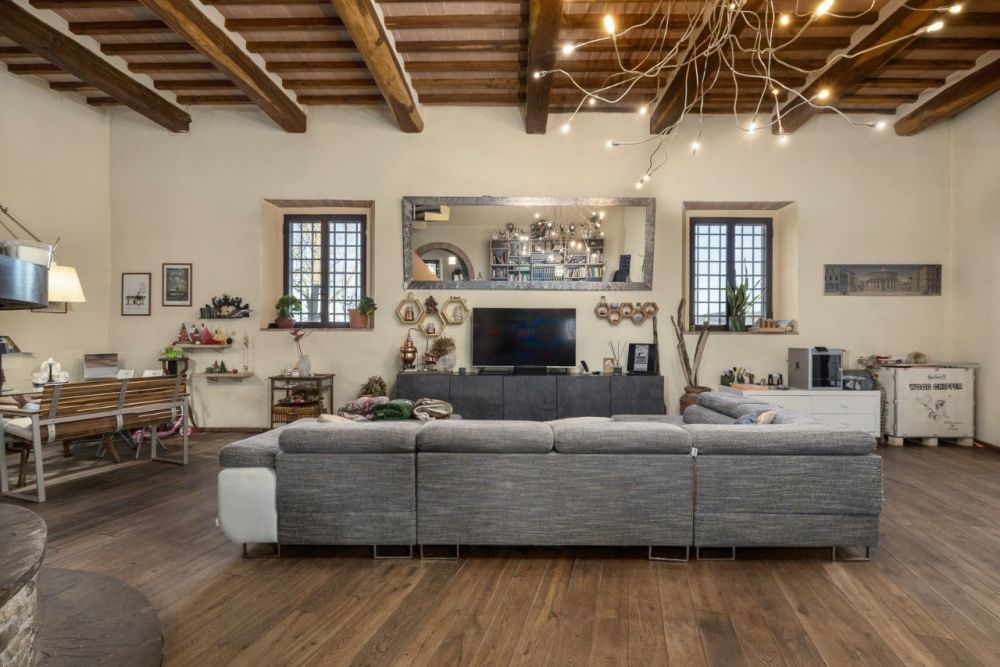
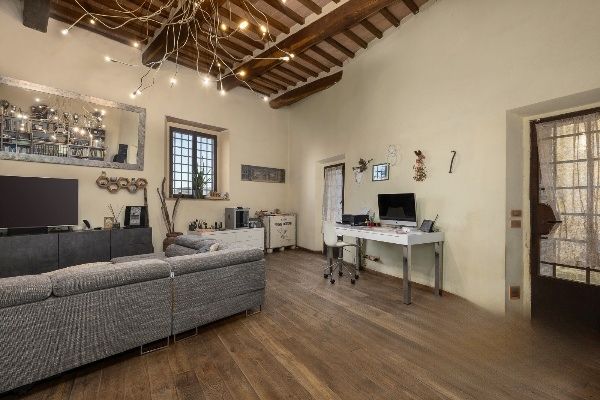
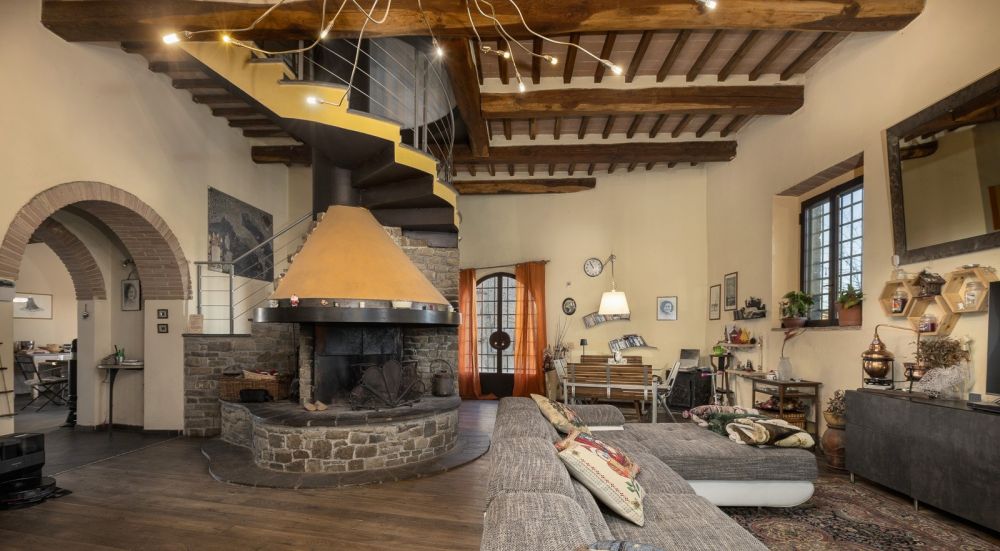
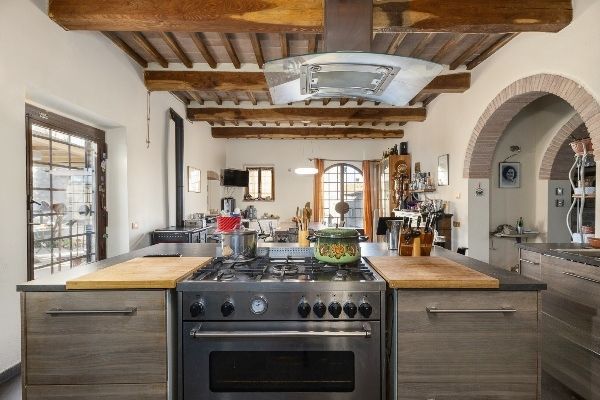
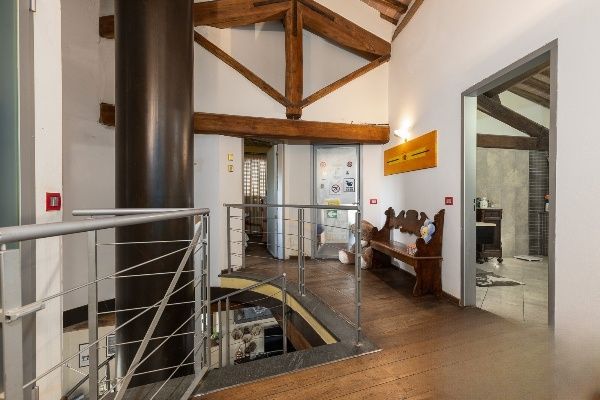
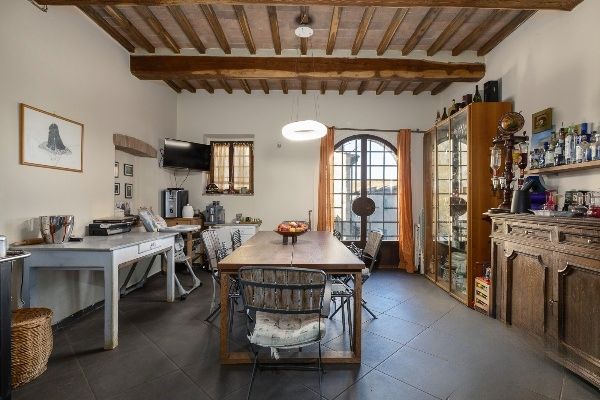
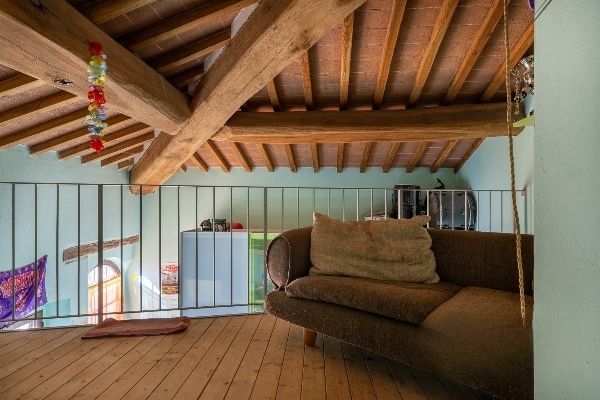
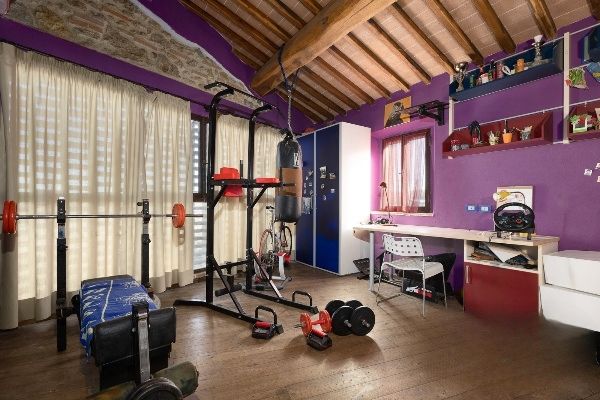
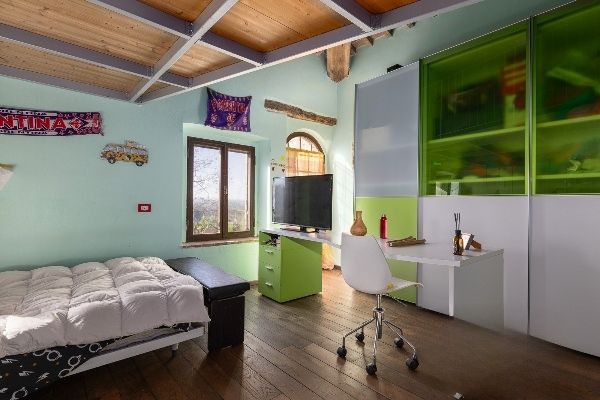
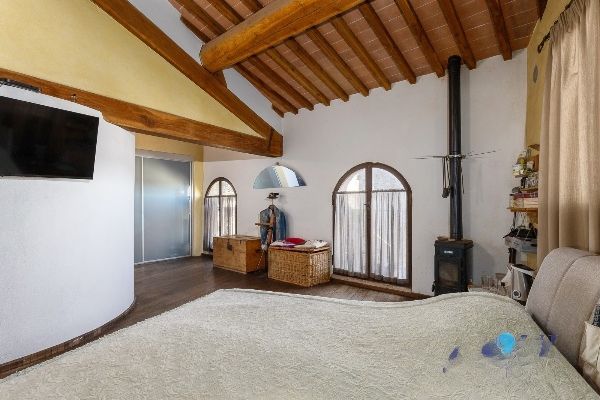
- Materials: Expect thick stone walls, terracotta floor tiles (cotto), and chestnut wood beams.
- The "Red Flags":
- Humidity: Rising damp is common in stone buildings without modern foundations. Look for "scannafosso" (an underground ventilation trench).
- Septic Tanks: Most farmhouses are not on city sewers; ensure the fossa biologica is up to code.
- Heritage Restrictions: Most rural buildings are vincolato (protected). You cannot simply change window shapes or add balconies.
- Renovation: Costs range from €1,500 to €2,500 per square meter for a high-quality restoration. Local "Muratori" (masons) are skilled but often booked months in advance.
Buying as a Foreigner
Italy’s buying process is rigorous but safe if you follow the steps.
- The Process: 1. Proposta d’Acquisto (Offer), 2. Preliminare di Vendita (Compromise/Deposit), 3. Rogito (Final Deed).
- The Notary: The Notaio is a public official who handles the legal transfer. They are neutral, so hiring a private bilingual lawyer is highly recommended for foreigners.
- Costs: Budget 10–12% of the purchase price for taxes and fees. If you become a resident (move within 18 months), you pay significantly lower "Prima Casa" (First Home) taxes (2% registration tax vs. 9% for non-residents).
- CF (Codice Fiscale): You’ll need this Italian tax code before you can even open a bank account.
Community & Expat Life
Poggibonsi has a "working class" Italian feel rather than an "expat enclave" vibe. This is a positive for those seeking integration, but it means you will need basic Italian to navigate daily life.
- Integration: Locals are industrious and proud. Joining a local Associazione (culture, trekking, or wine) is the fastest way to make friends.
- Expat Presence: There is a diverse international community scattered in the surrounding hills (British, German, and American), but they tend to be private.
- The Verdict: If you want a "theme park" version of Tuscany, go to Greve in Chianti. If you want a real home with spectacular views, world-class healthcare, and the best logistics in the region, choose Poggibonsi.