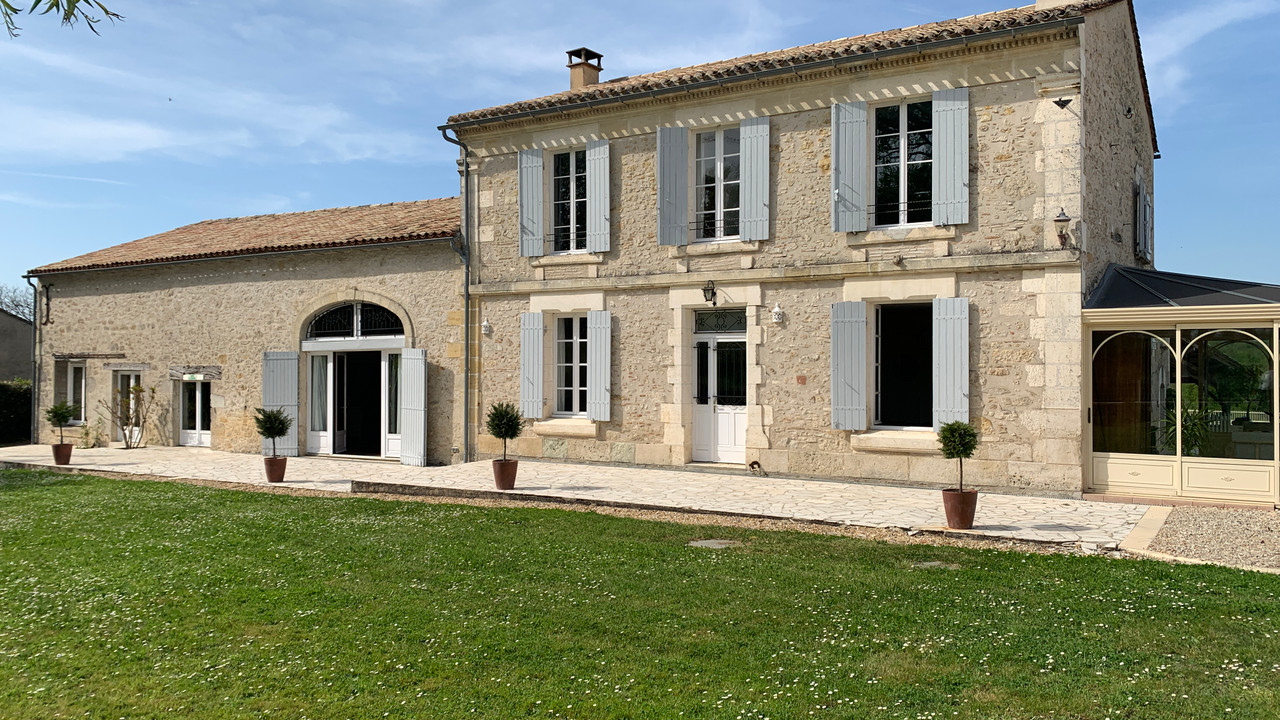
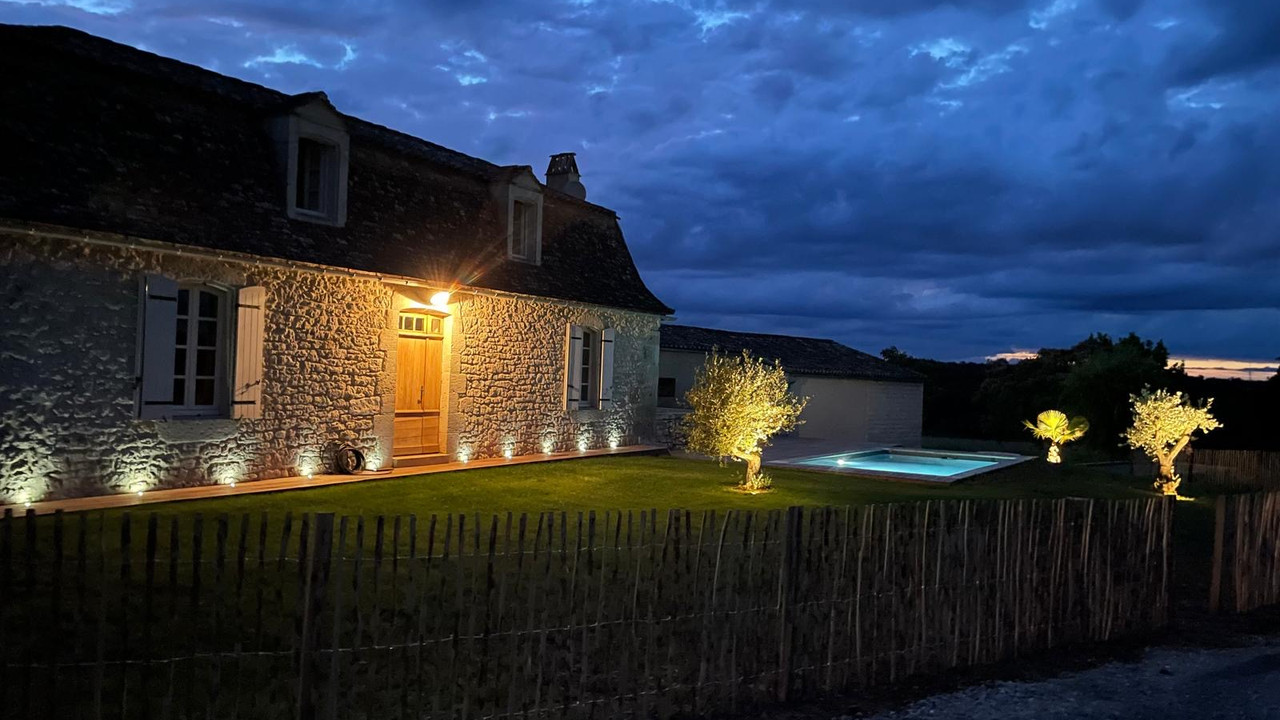
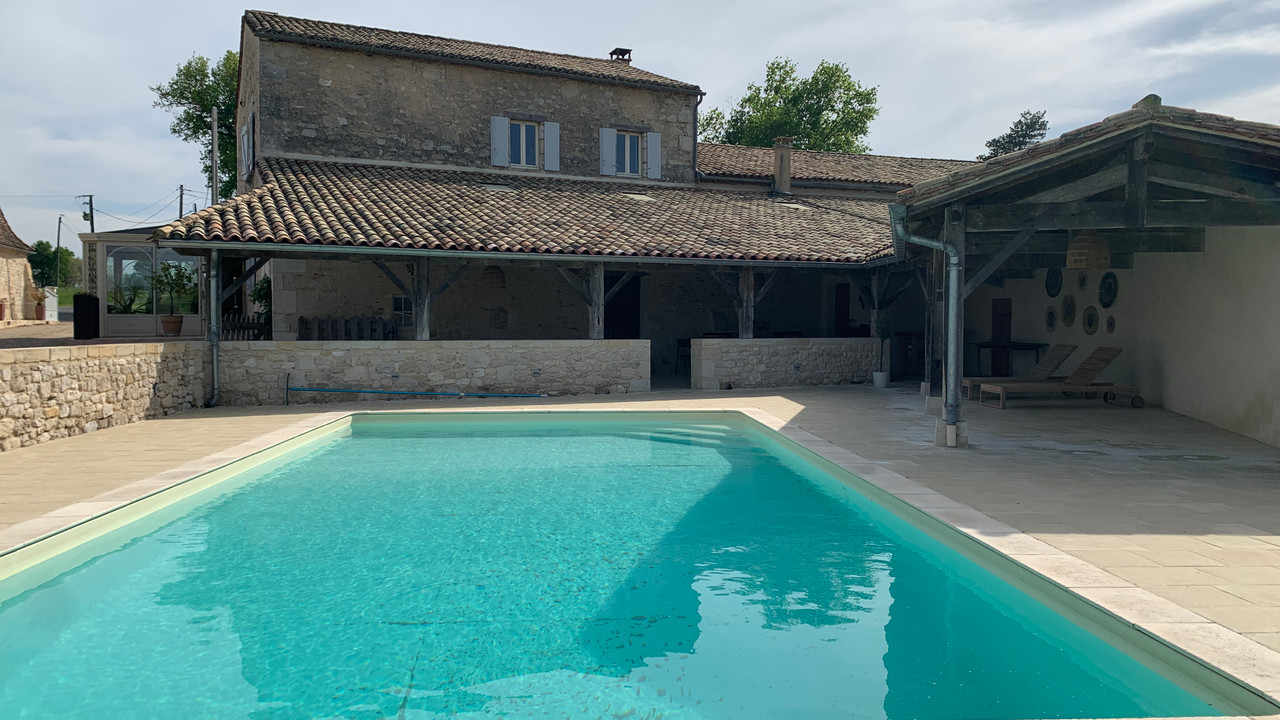
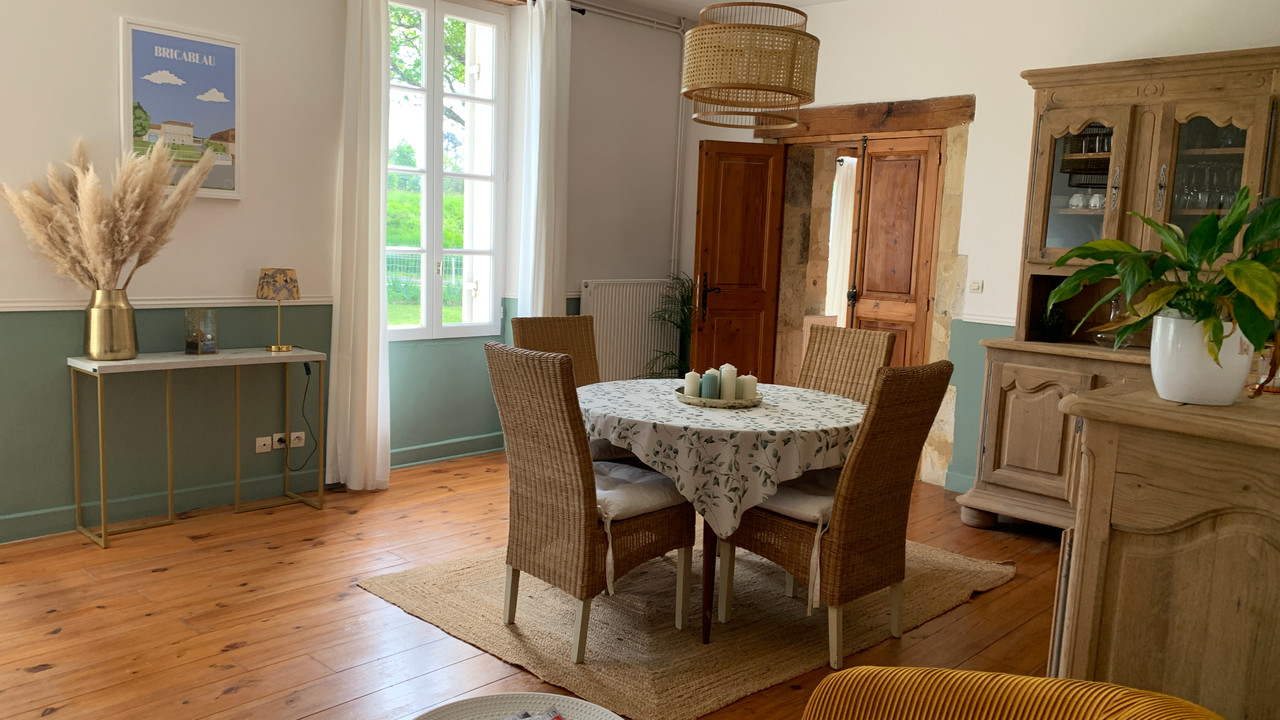
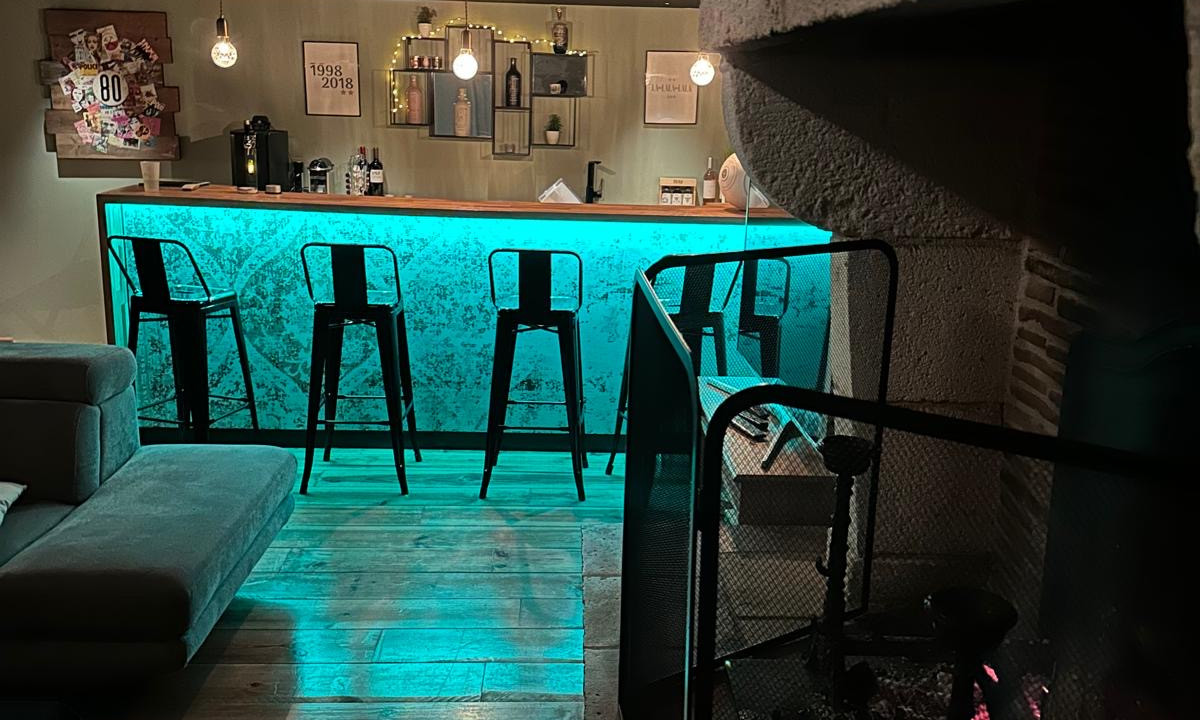
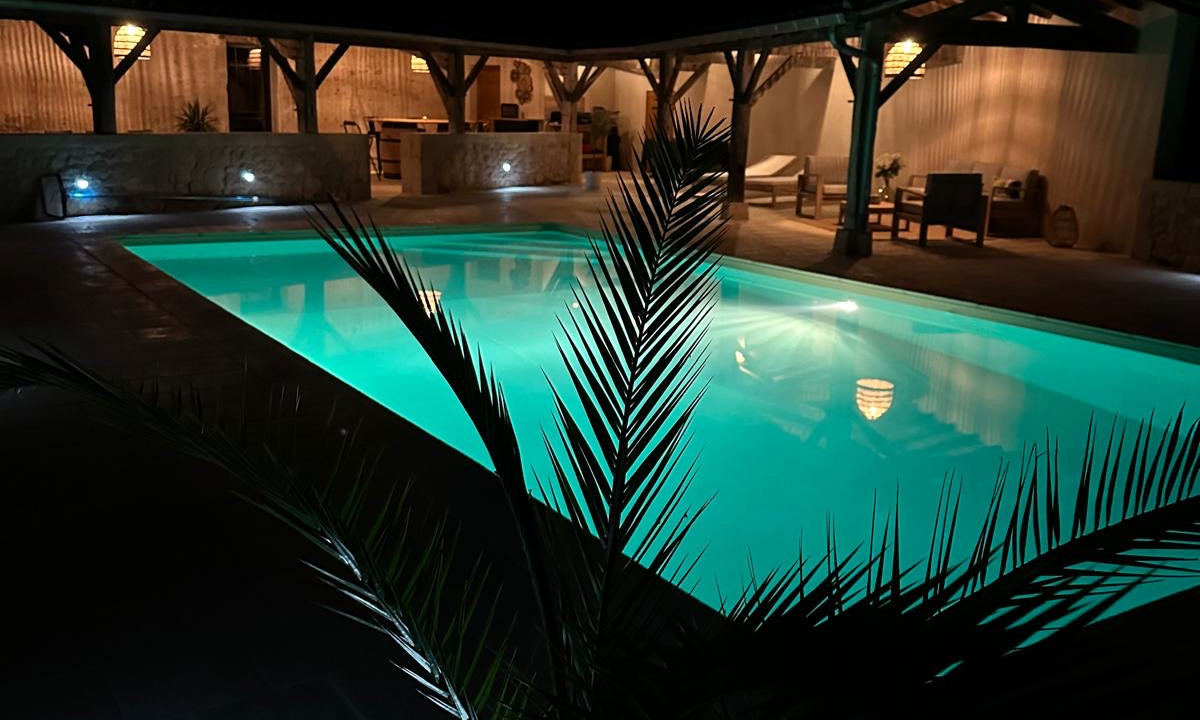
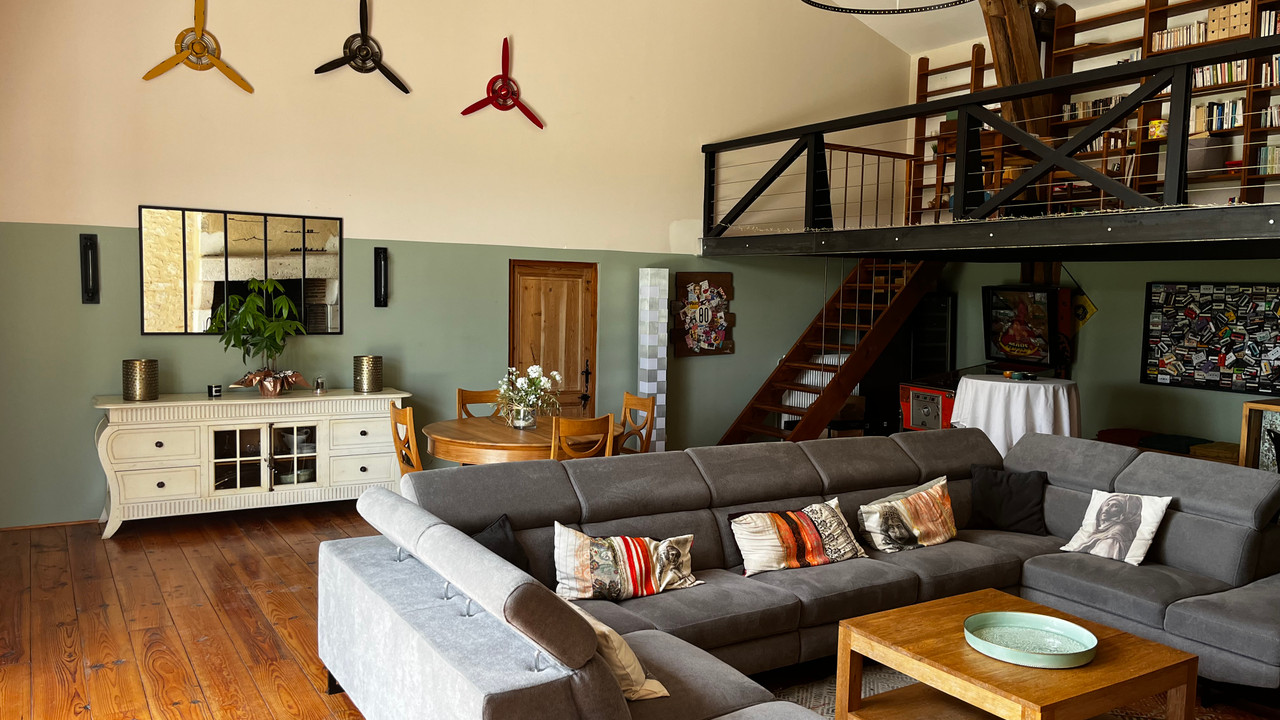
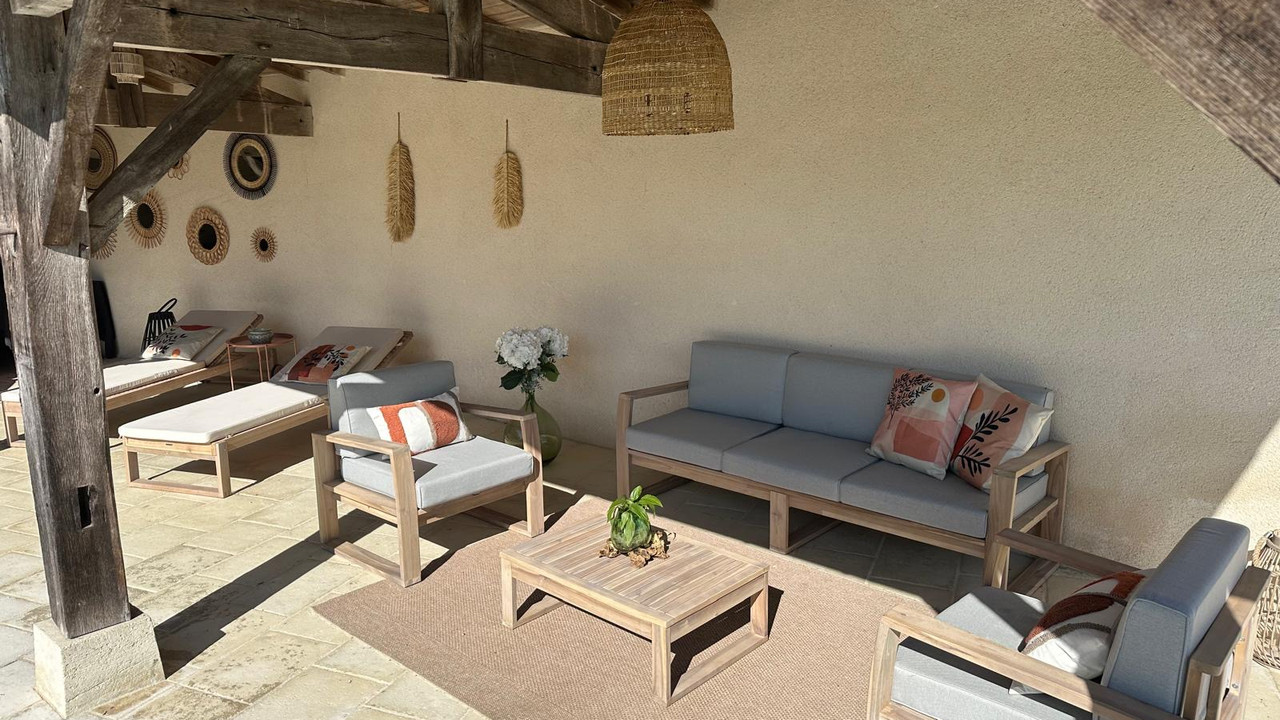
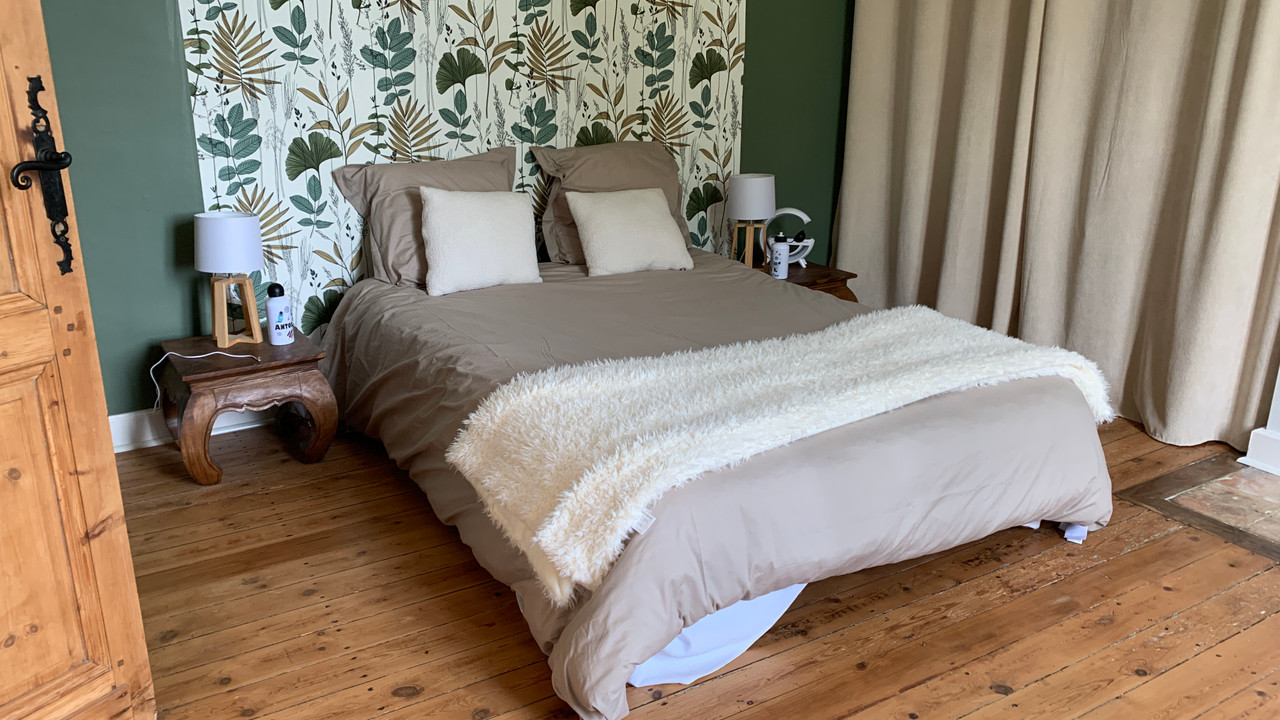
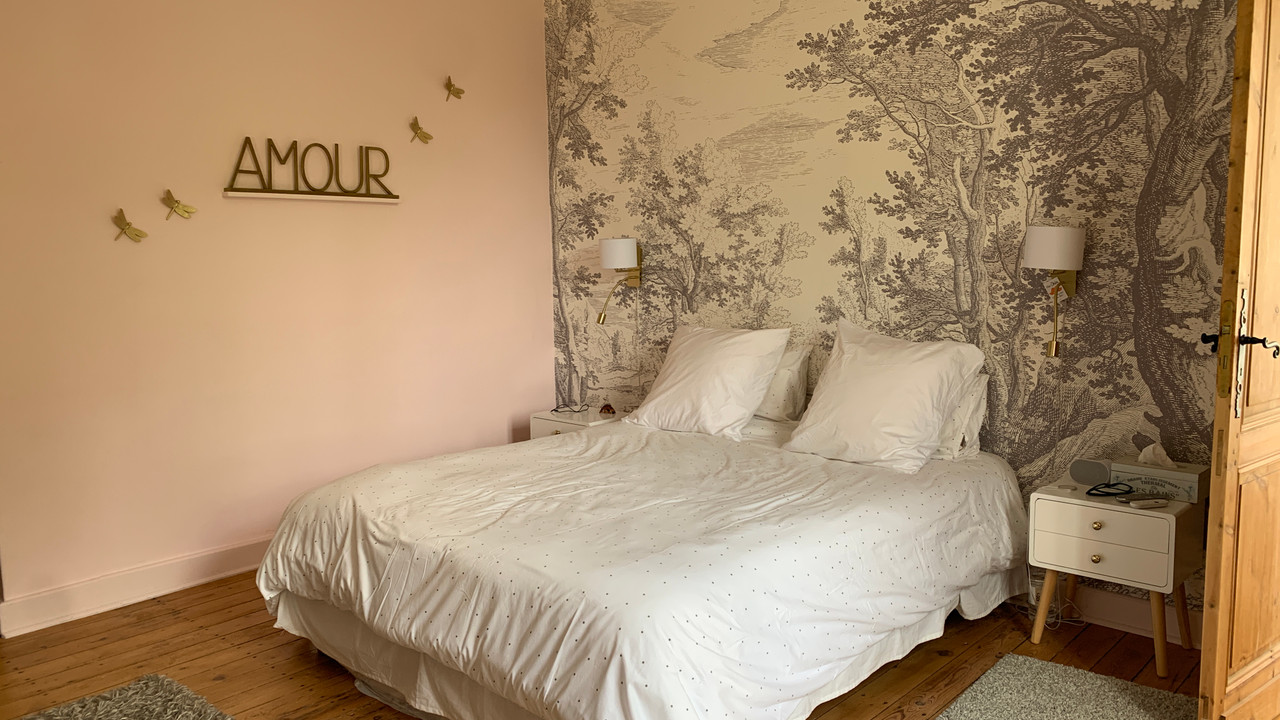
Idyllic Stone Property with Gîte and Two Pools – Your French Lifestyle Awaits! Looking for a place where you can wake up to rolling views, enjoy long sunny days by the pool, and maybe even host guests or special events? This beautifully restored stone home with a gîte offers the perfect blend of peace, charm, and potential.
Charming Country Home with Gîte – A Slice of Rural Bliss
Estate · Dordogne, New Aquitania, France
EUR 899.000
440 m²living6bedrooms
Location


Dordogne, New Aquitania, France
About Dordogne, New Aquitania, France
Local highlights, dining & things to do nearby
Why Dordogne, New Aquitania, France
The Dordogne, often referred to by its ancient name Périgord, is the quintessential image of rural France. It is defined by its "1,001 châteaux," limestone cliffs, meandering rivers, and prehistoric caves. For foreign buyers, the draw is a combination of timeless aesthetics and exceptional value for money compared to the French Riviera or Provence.
Whether you are looking for a medieval manor, a honey-colored stone farmhouse, or a lock-up-and-go cottage, the Dordogne offers a "slow life" appeal. It is an investment in lifestyle rather than high-yield speculation; it is a place where the landscape remains protected from heavy industrialization, ensuring your view remains relatively unchanged for decades.
Climate & Lifestyle
The climate is temperate and oceanic. Summers are warm and long, often stretching into a glorious "Indian Summer" in September and October. Winters are damp and cool but rarely harsh, though you should expect a few frosty mornings.
Life here revolves around the seasons and the stomach. The region is the world capital of black truffles, foie gras, duck confit, and walnuts. Weekly markets (notably in Sarlat, Issigeux, and Ribérac) are not just for shopping; they are the social heartbeat of the community. In the summer, "Marchés Nocturnes" (night markets) bring entire villages together to eat at communal trestle tables. It is a rustic, outdoorsy lifestyle centered on canoeing, hiking, and long, multi-course lunches.
Getting There & Around
While deep in the countryside, the Dordogne is surprisingly accessible:
- Air: Bergerac Dordogne Périgord Airport is the primary hub, heavily served by budget airlines (Ryanair, Transavia) connecting to the UK and Northern Europe. Bordeaux-Mérignac International Airport is a 1.5 to 2-hour drive away and offers transatlantic and pan-European flights.
- Rail: The TGV (high-speed train) from Paris stops in Libourne or Bordeaux, where you can catch regional TER trains to Périgueux or Sarlat.
- Driving: The roads are generally excellent and well-maintained, though narrow and winding in the Périgord Noir. A car is an absolute necessity here; public transport is minimal and unreliable for daily needs.
Practical Living
Daily life is remarkably comfortable for foreigners, provided you choose your location wisely.
- Connectivity: Fiber optic internet (La Fibre) has been aggressively rolled out across rural France. Most villages now have high-speed access, making remote work feasible.
- Healthcare: Facilities in Périgueux and Bergerac are excellent. For specialist care, Bordeaux is a world-class medical hub.
- Education: While there are quelques "international" sections in local schools, most expats opt for full immersion in French state schools.
- Shopping: Small villages have boulangeries, while "Zones Commerciales" on the outskirts of larger towns house massive E.Leclerc or Intermarché supermarkets.
Property Considerations
The iconic Dordogne property is built from warm, ochre-colored limestone with steep, terracotta-tiled roofs.
- Watch Outs: Older stone houses often lack foundations, leading to "rising damp" (humidity). Termite inspections are mandatory for a reason—ensure you review the DDT (Dossier de Diagnostic Technique) thoroughly.
- Renovation: Costs have risen significantly. Budget at least €1,500–€2,500 per square meter for a total renovation. Skilled "artisans" are in high demand; expect wait times of several months.
- Regulations: If your property is near a historical monument (common in the Dordogne), the Architectes des Bâtiments de France (ABF) will dictate what colors you can paint your shutters and what type of roof tiles you must use.
Buying as a Foreigner
The French buying process is highly regulated and secure.
- The Notaire: Every transaction must go through a Notaire, who acts for the state to ensure the title is clear. Unlike in the US or UK, the buyer pays almost all transaction costs (closing costs), which typically range from 7% to 8% of the purchase price.
- Process: You start with a Compromis de Vente (sales agreement), followed by a 10-day cooling-off period for the buyer. Completion usually takes 3 to 4 months.
- Pitfall: Be wary of buying as a "SCI" (property holding company) without specialist tax advice, as it can have complex implications for inheritance and capital gains tax.
Community & Expat Life
The Dordogne has one of the largest British and Dutch expat populations in France, particularly in the "Golden Triangle" between Sarlat, Bergerac, and Belvès. This means you can find English-speaking doctors, plumbers, and social clubs easily.
However, the "Dordogueshire" reputation can be a double-edged sword. Locals are generally welcoming and appreciate foreign investment in their village's heritage, but social integration depends heavily on your willingness to speak French. If you show an effort to participate in village "nettoyage" (cleaning) days or communal festivals, you will find a warm, supportive community that extends far beyond the expat bubble.