Why Languedoc-Roussillon, Hérault, France
Often described as "Provence without the price tag," the Hérault department in the Languedoc (now part of the Occitanie region) offers an authentic Mediterranean lifestyle. It is defined by its dramatic diversity: a coastline of sandy beaches, a vast interior of rolling vineyards, and the rugged foothills of the Cévennes mountains.
Investors are drawn here because the Hérault offers better value for money than the Côte d’Azur, while still providing high rental yields in the summer months. Whether you are looking for a sleek modern villa near Montpellier or a stone mas (farmhouse) in the vines, the Hérault offers a level of prestige and beauty that remains accessible.
Climate & Lifestyle
The climate is quintessentially Mediterranean, boasting over 300 days of sunshine per year.
- Summer: Hot and dry, with life centering around shaded terraces and the "siesta" hours between 2:00 PM and 4:00 PM.
- Winter: Generally mild and bright, though the "Tramontane" wind can be fierce, bringing cold, clear gusts from the northwest.
- Culture: The rhythm of life is dictated by the seasons and the vine. Local marchés (markets) are the social heart of the week. Expect a culture of "slow living," long lunches, and a deep-seated pride in local wines (AOP Languedoc, Pic Saint-Loup).
Getting There & Around
The Hérault is exceptionally well-connected:
- Air: Montpellier-Méditerranée (MPL) is the primary hub, but Béziers (BZR) is a favorite for budget carriers from the UK and Northern Europe. Perpignan, Carcassonne, and Nîmes are all within a 60–90 minute drive.
- Rail: The TGV (High-Speed Train) connects Montpellier to Paris in just 3.5 hours.
- Roads: The A9 and A75 motorways provide excellent access, though coastal roads become heavily congested in July and August. A car is essential if you are buying a villa in the hinterland.
Practical Living
For foreign residents, the Hérault is highly functional.
- Healthcare: Montpellier is world-renowned for its medical university and hospitals (CHRU); the quality of care is among the best in Europe.
- Education: There are several international schools in the Montpellier area (e.g., International School of Montpellier).
- Connectivity: Fiber-optic internet roll-out has been aggressive; even many small villages now have high-speed access, making it a viable hub for remote workers.
- Shopping: From massive "Hypermarche" complexes on city outskirts to artisanal boulangeries, daily needs are easily met.
Property Considerations
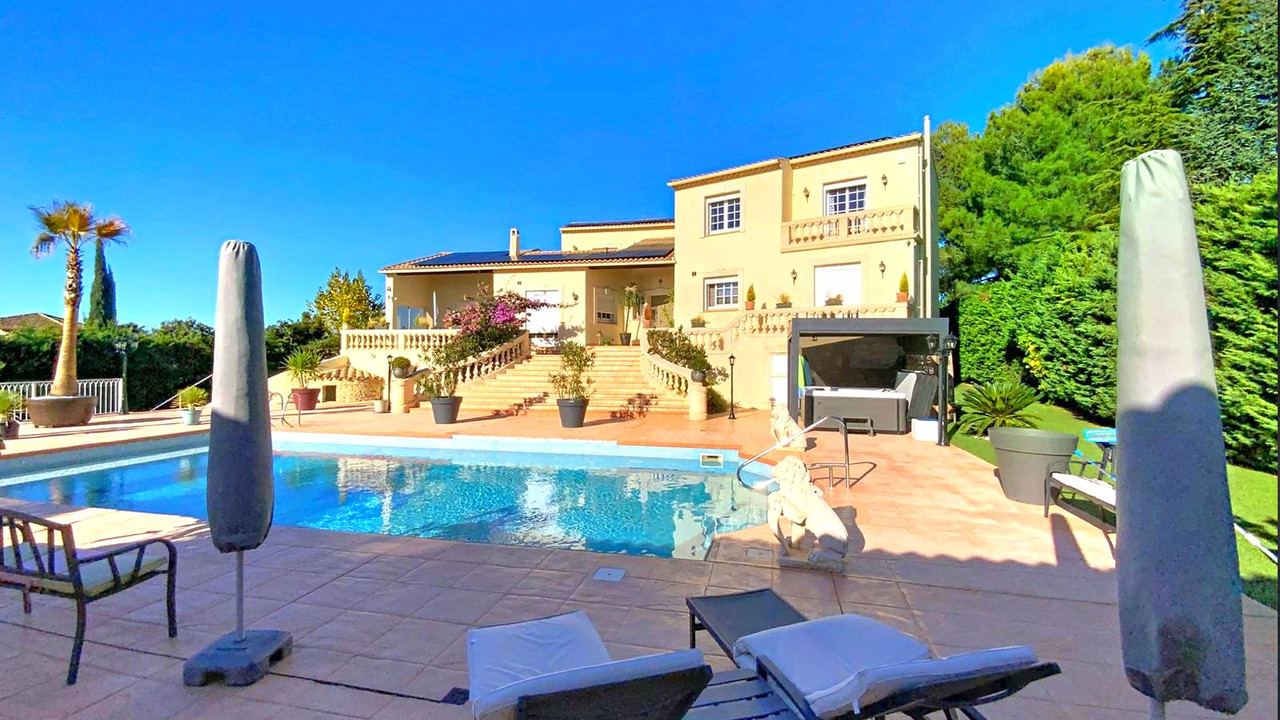
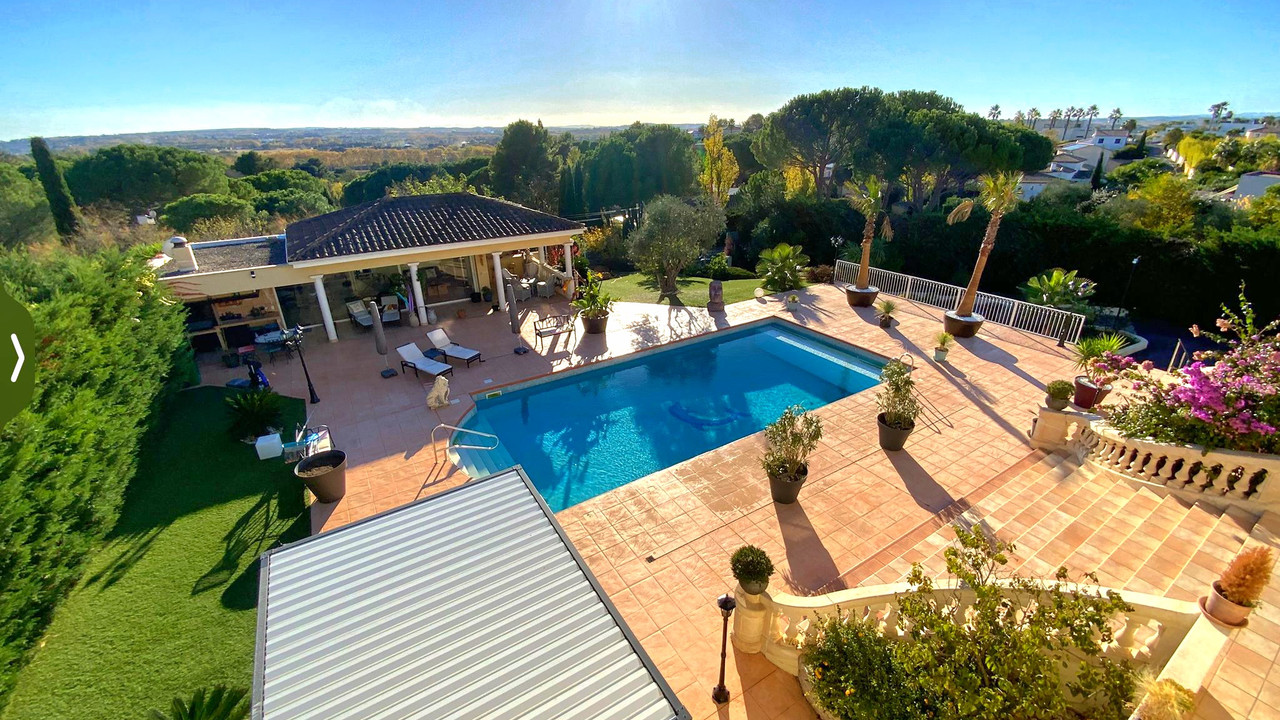
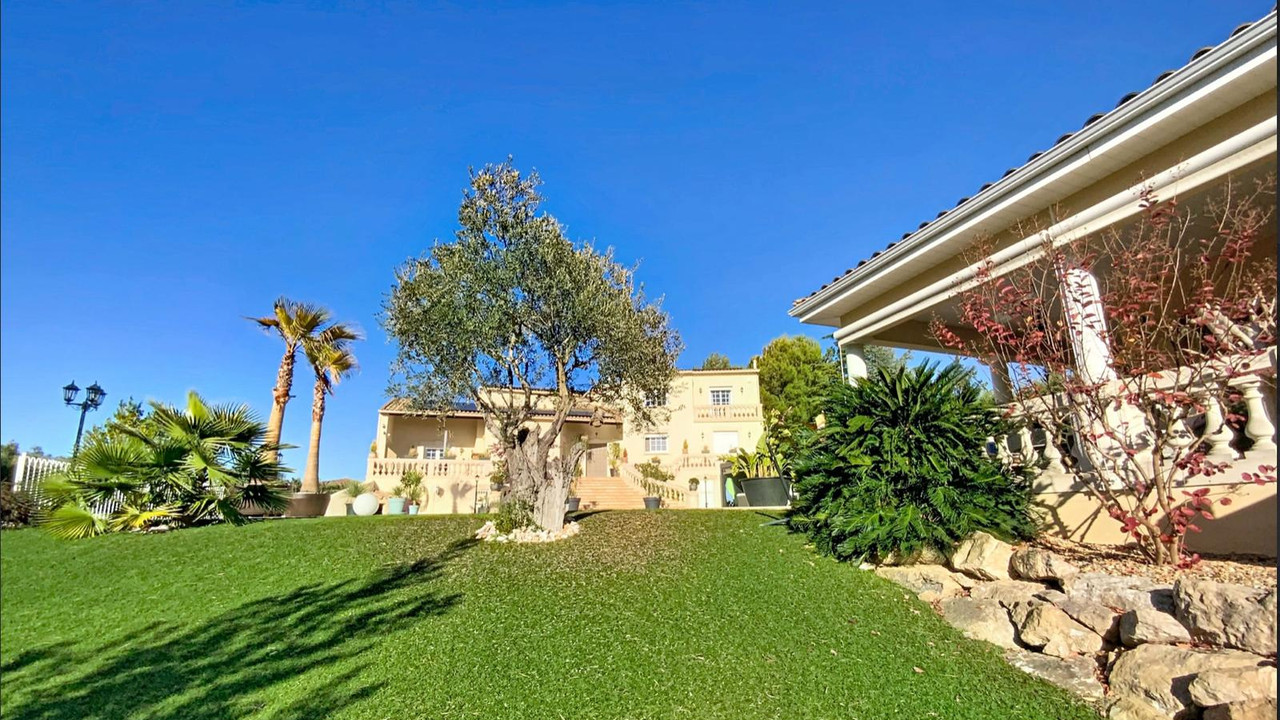
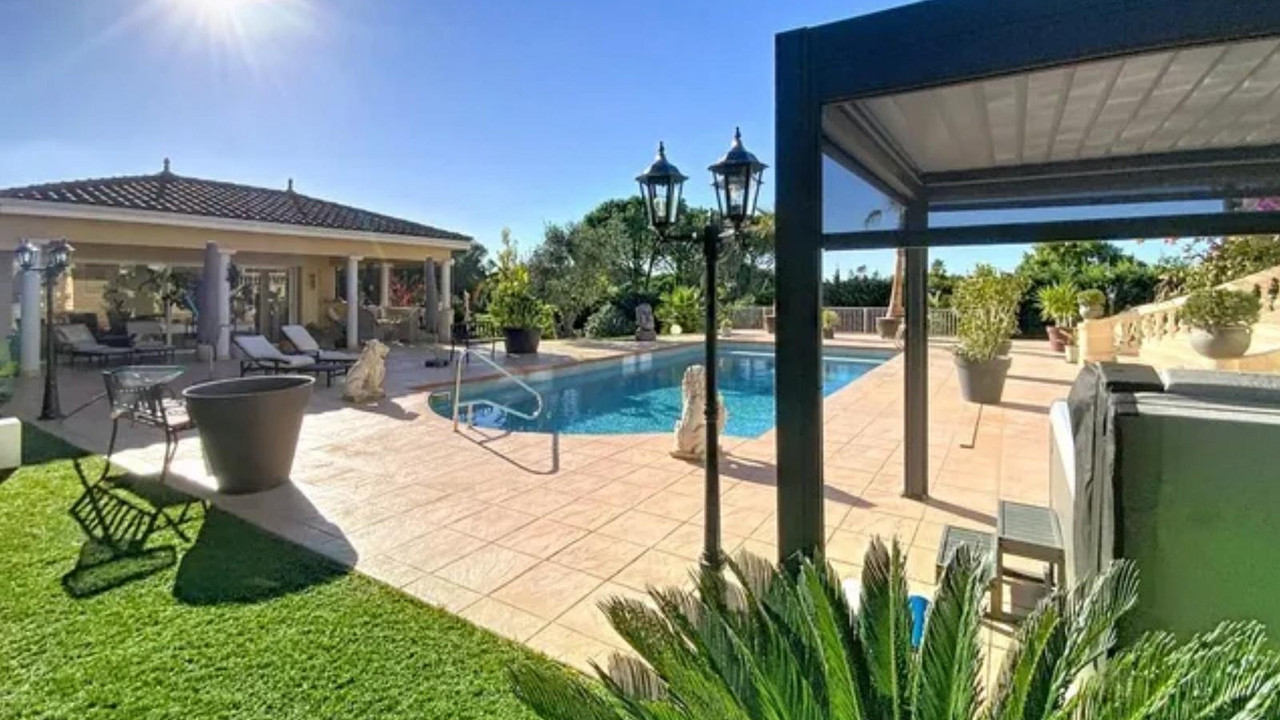
When buying a villa in the Hérault, you will encounter two main styles: the traditional stone Mas or Maison de Maître, and the modern Mediterranean "Villa" (rendered breezeblock with canal-tile roofs).
Things to Watch Out For:
- Flooding (Inondations): This is a critical risk in the Hérault. Check the Plan de Prévention des Risques d'Inondation (PPRI). Avoid homes in "Zones Rouges."
- Drought and Shrinkage: Long periods of heat cause clay soils to shrink and crack (retrait-gonflement des argiles), which can damage foundations. Always check for structural cracks.
- Termites: A termite inspection (diagnostic termites) is mandatory for sale, but ensure you read the report carefully.
- Renovation: Skilled tradespeople (artisans) are available but currently in high demand. If you buy a "fixer-upper," expect high costs for materials and a wait time of 6–12 months for major works. Always ensure your builder has assurance décennale (10-year insurance).
Buying as a Foreigner
France’s buying process is highly regulated and generally safe.
- The Notaire: The Notaire is a government-appointed official who handles the conveyance. They do not represent you—they represent the state—so many buyers choose to hire their own bilingual solicitor for independent advice.
- The Compromis de Vente: Once your offer is accepted, you sign this initial contract. You then have a 14-day cooling-off period during which you can withdraw without penalty.
- Fees: Budget approximately 7% to 8% of the purchase price for "Notaire fees" (which are actually mostly state taxes).
- No Restrictions: There are currently no restrictions on foreigners (EU or non-EU) buying property in France. However, post-Brexit, UK citizens must mind the 90-day Schengen rule unless they apply for a visa.
Community & Expat Life
The Hérault has a thriving, diverse international community, particularly around Pézenas, Uzès (nearby), and Montpellier.
- Integration: Unlike some "expat enclaves" in Spain, foreigners here tend to integrate more with the locals. Learning French is not just a courtesy; it is essential for a smooth life, especially when dealing with administration (la bureaucratie).
- Local Attitudes: People are generally welcoming, provided you respect local customs (always say "Bonjour" when entering a shop).
- Social Life: There are numerous "Association" clubs in every village—ranging from wine tasting to hiking—which are the best way to bridge the gap between "foreigner" and "local."