A Guide to Buying a Farmhouse in San Gimignano, Tuscany
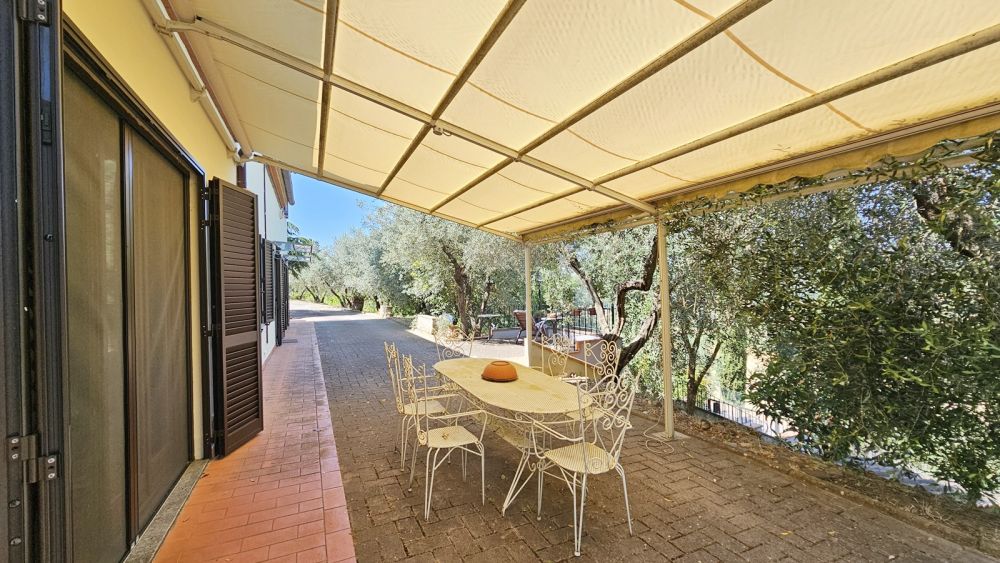
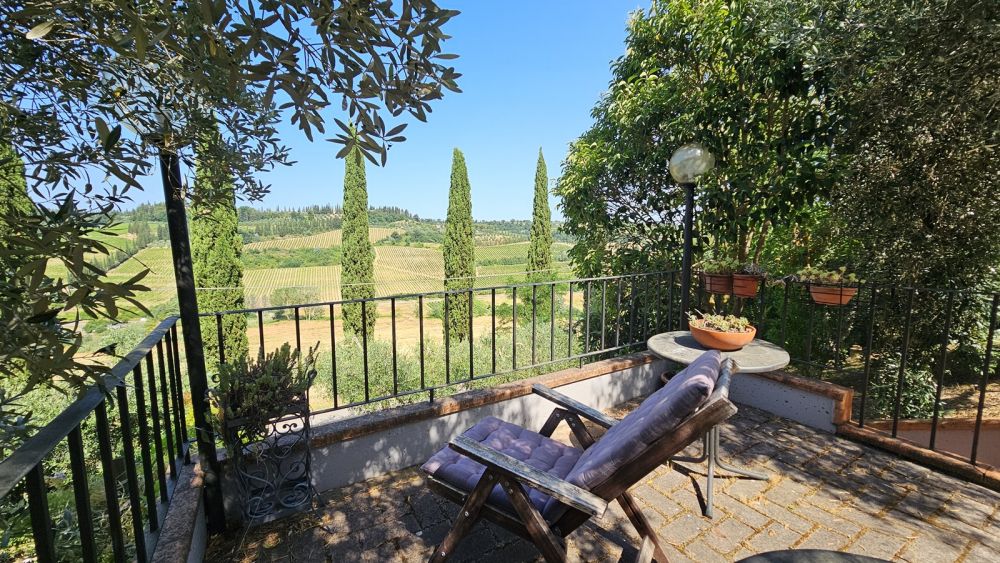
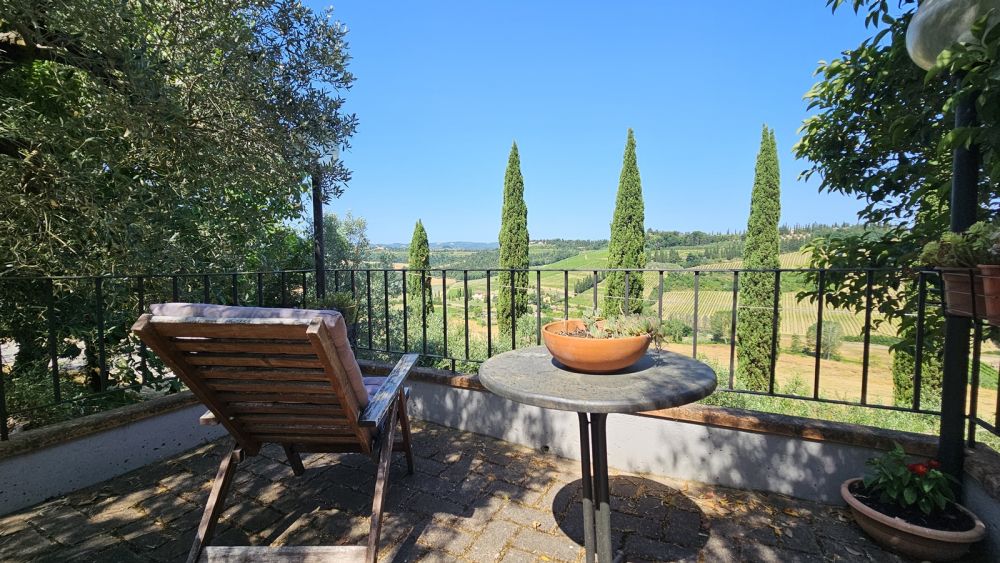
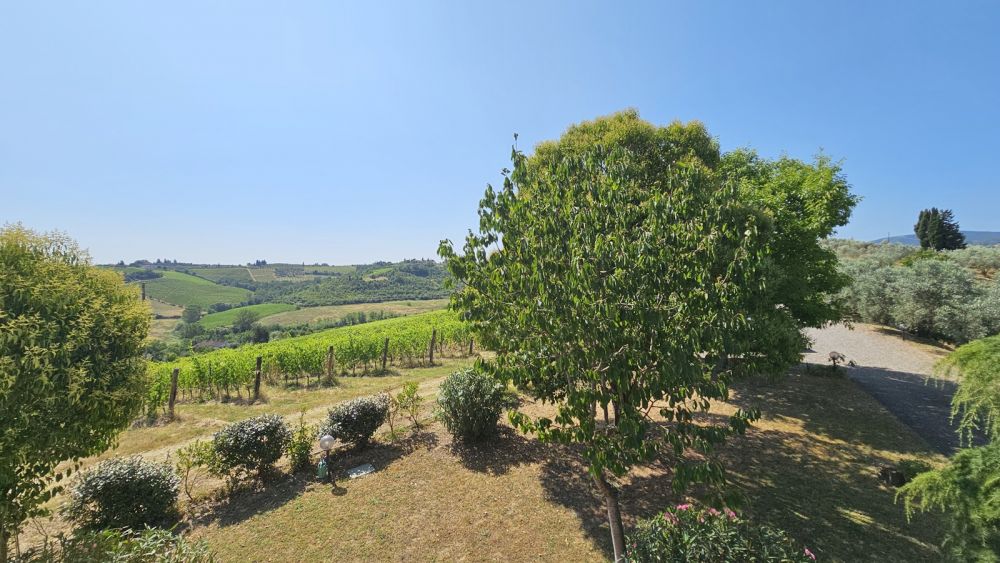
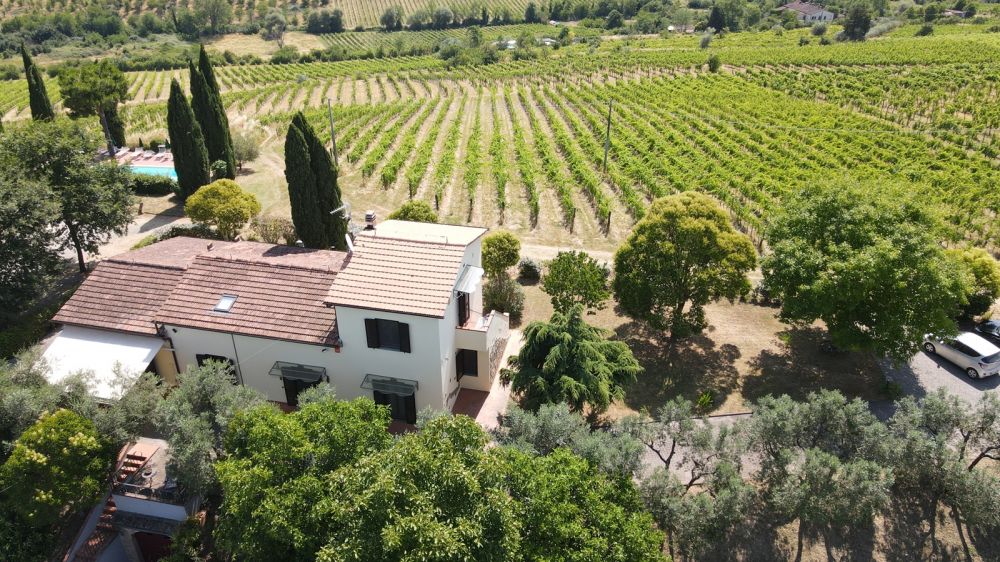
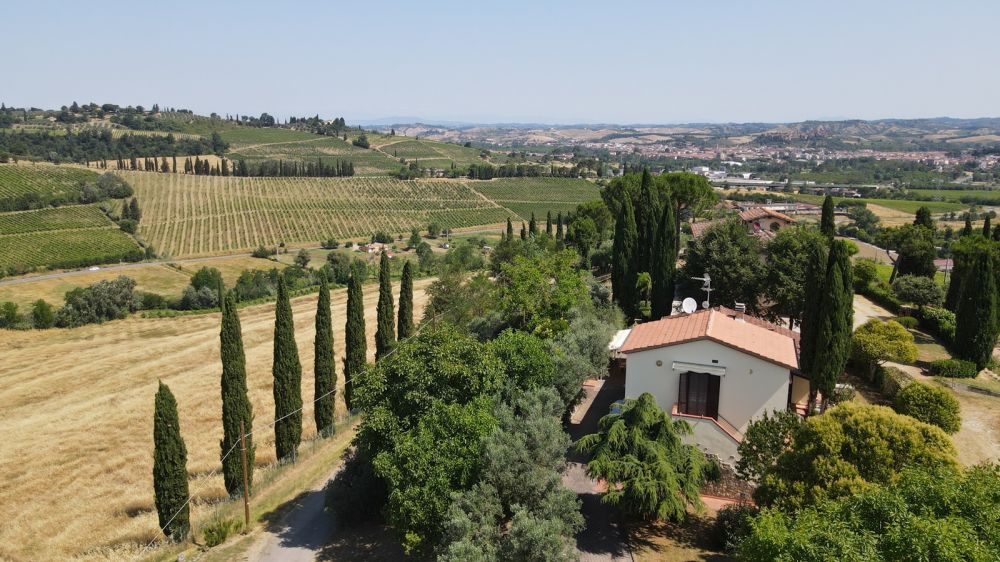
Known as the "Manhattan of the Middle Ages" due to its iconic stone towers, San Gimignano is one of Italy’s most prestigious addresses. For a foreign buyer, purchasing a farmhouse (colonica) in the surrounding hills of the Val d’Elsa represents the pinnacle of the Tuscan dream: rolling vineyards, silvery olive groves, and a globally recognized cultural heritage.
Why San Gimignano (Siena), Toscana, Italy
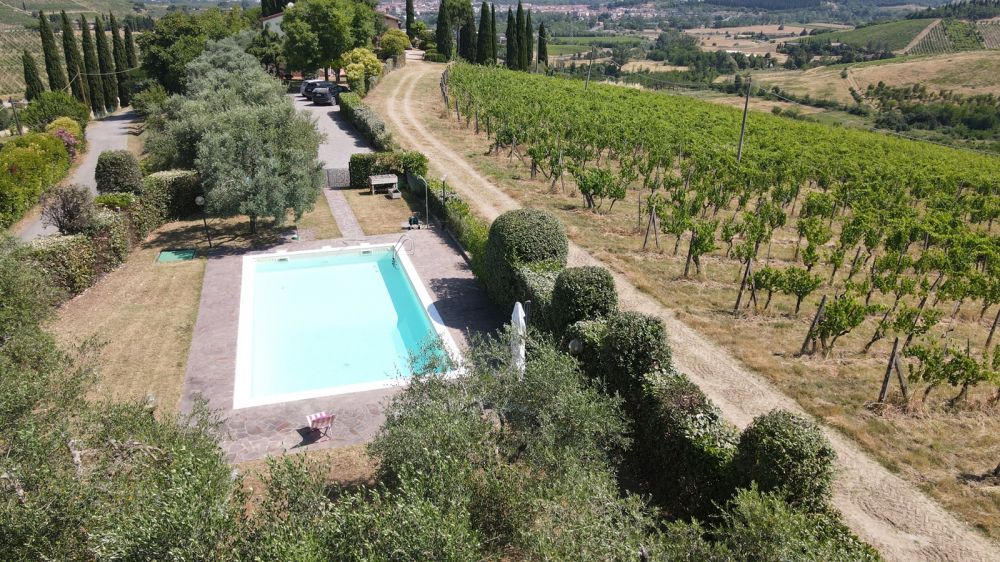
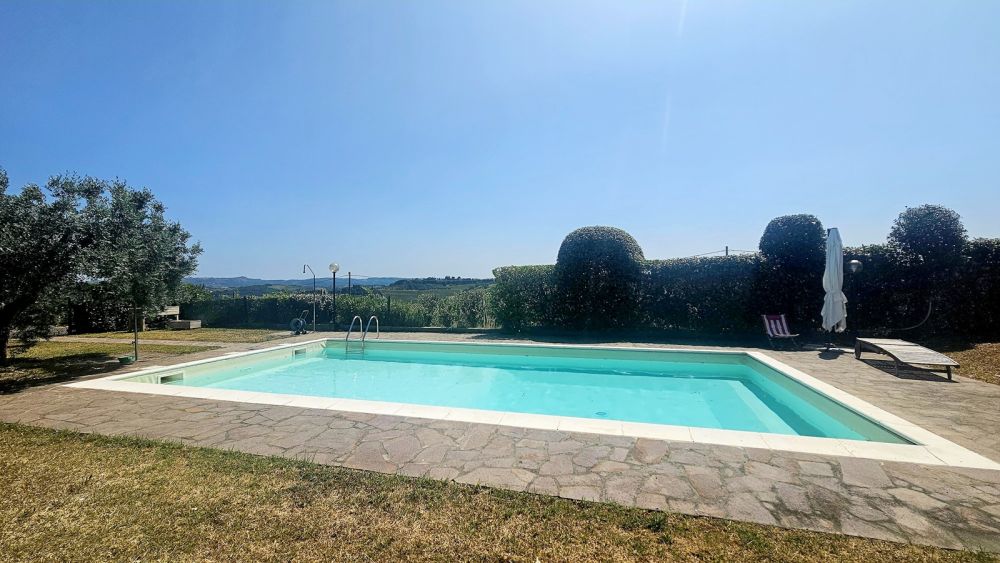
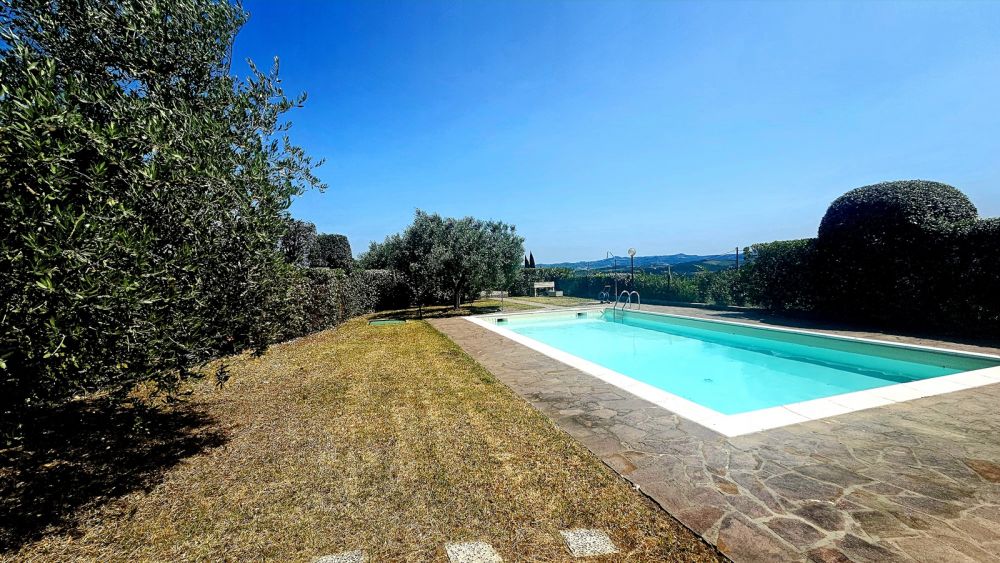
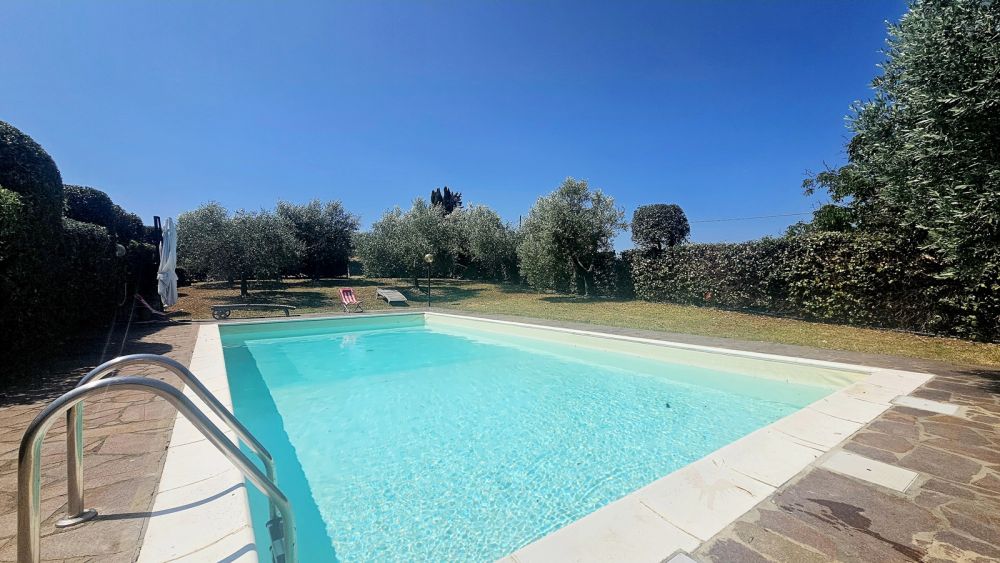
San Gimignano offers a rare blend of historical prestige and agricultural productivity. Unlike more remote parts of Tuscany, this area remains vibrant year-round due to its UNESCO World Heritage status and the production of Vernaccia wine and high-end olive oil. Investors are drawn by some of the highest rental yields in the region; a well-restored farmhouse with a pool here is a blue-chip asset that rarely loses value.
Climate & Lifestyle
Life in San Gimignano follows the rhythm of the harvest.
- Spring/Summer: Expect hot, dry summers (30°C+) filled with outdoor festivals and a bustling tourist presence.
- Autumn: The "Golden Season"—harvests bring a slower pace and cooler, misty mornings.
- Winter: It can be surprisingly damp and chilly (0°C to 10°C). Many shops in the historic center close in January, offering residents a peaceful, private reprieve.
The lifestyle is "Slow Food" personified. You will likely buy your oil from your neighbor and your bread from the local forno.
Getting There & Around
San Gimignano is exceptionally well-positioned in the "Golden Triangle" of Florence, Siena, and Pisa.
- Airports: Florence (Amerigo Vespucci) is ~50 minutes away; Pisa (Galileo Galilei) is ~70 minutes.
- Driving: The Florence-Siena “Autopalio” highway is easily accessible via Poggibonsi.
- Public Transit: The town has no train station. The nearest rail link is in Poggibonsi (15 mins), making a car essential for daily life. Roads are generally well-maintained but can be narrow and winding.
Practical Living
- Connectivity: While the town center has fiber, rural farmhouses often rely on EOLO (radio link) or Starlink. Always check signal strength during a viewing.
- Healthcare: There is a small clinic in town; the nearest major high-tech hospitals are in Poggibonsi (Campostaggia) and Siena (Le Scotte).
- Shopping: Small grocers are in the walls, but large supermarkets (Coop, PAM) are in Poggibonsi.
- International Schools: The International School of Florence is roughly a 45-60 minute commute, making it a viable but long daily trip.
Property Considerations
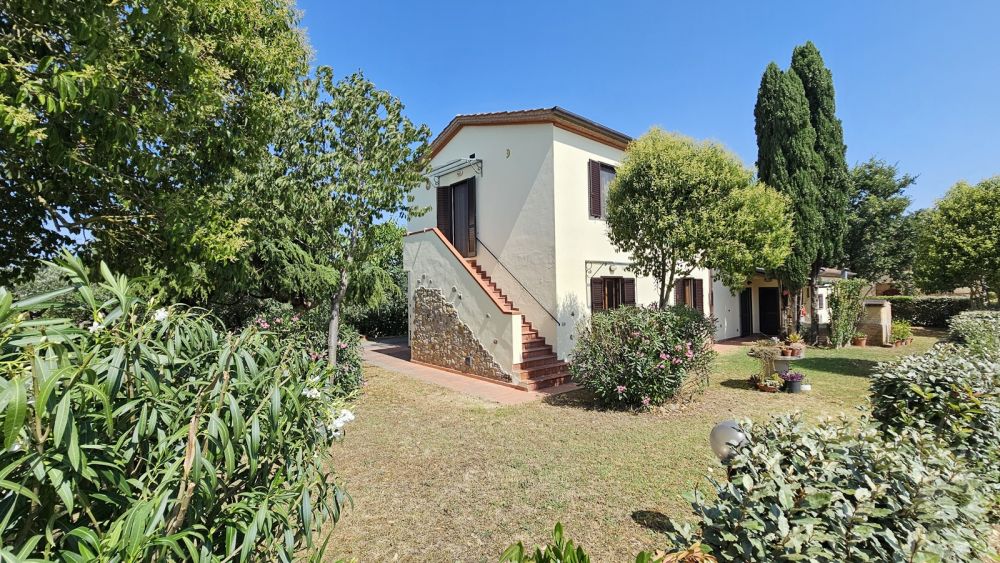
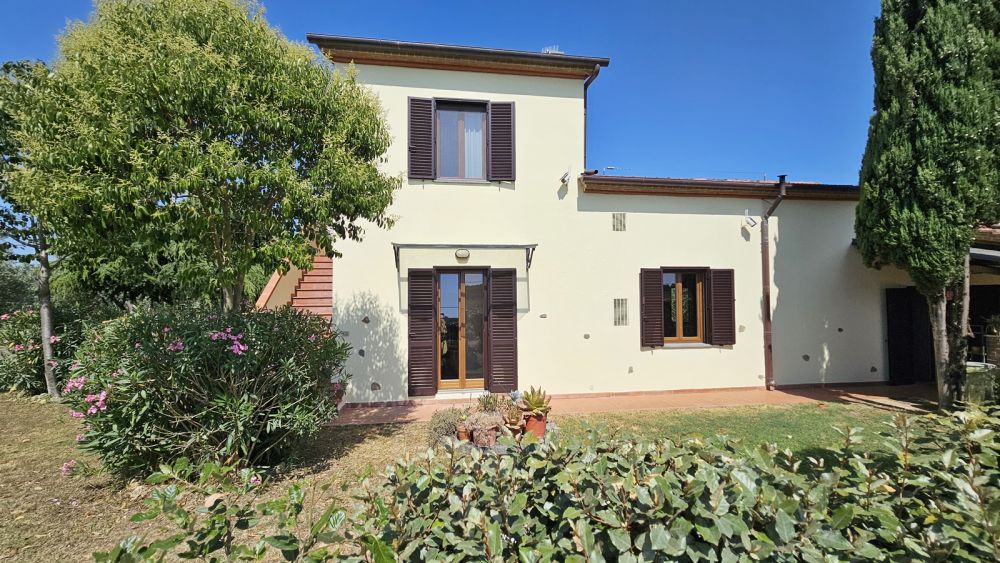
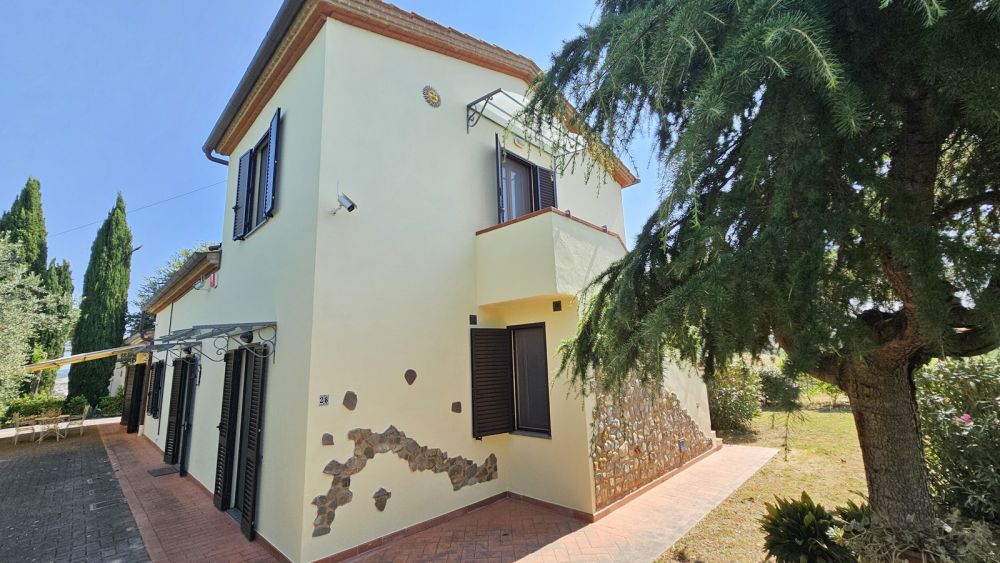
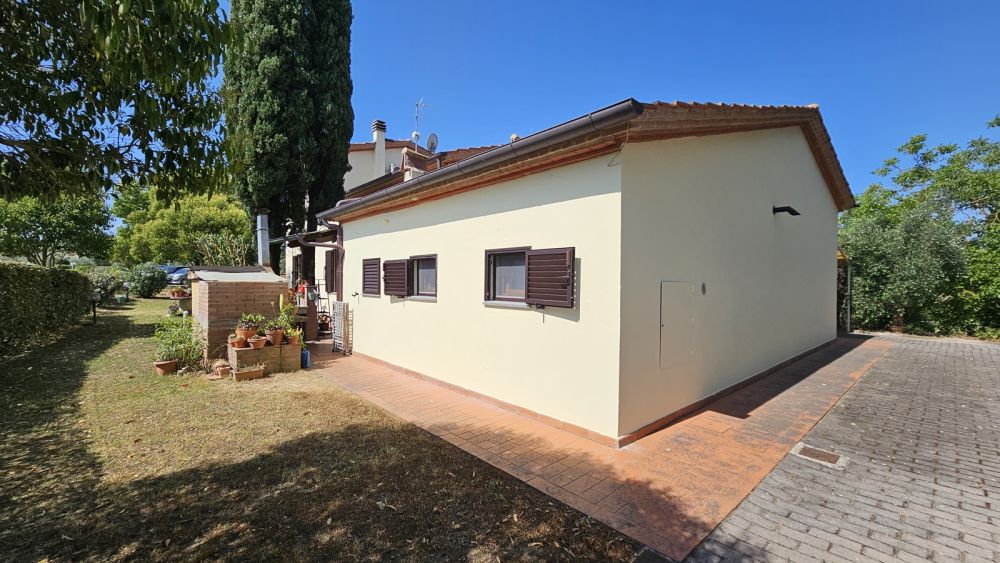
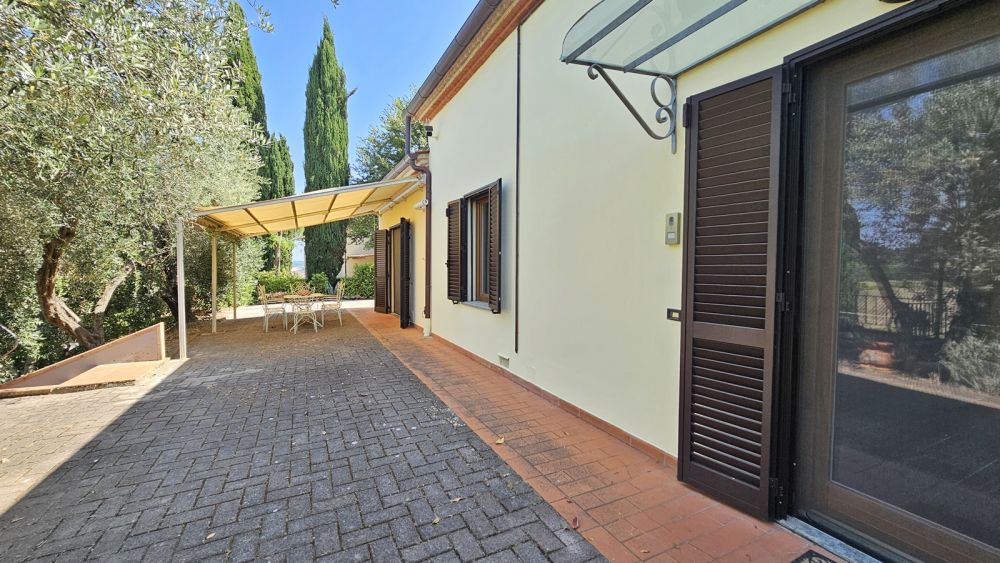
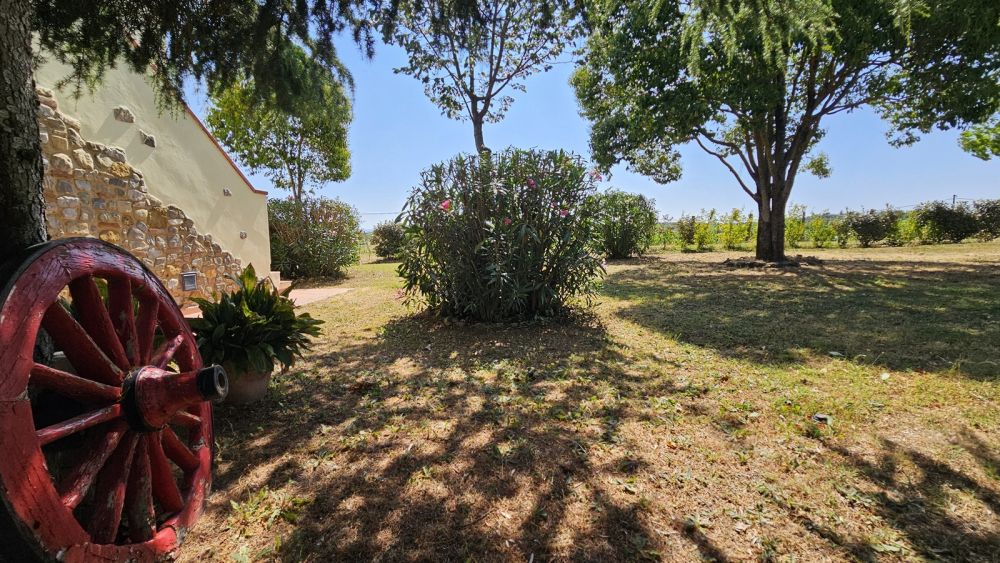
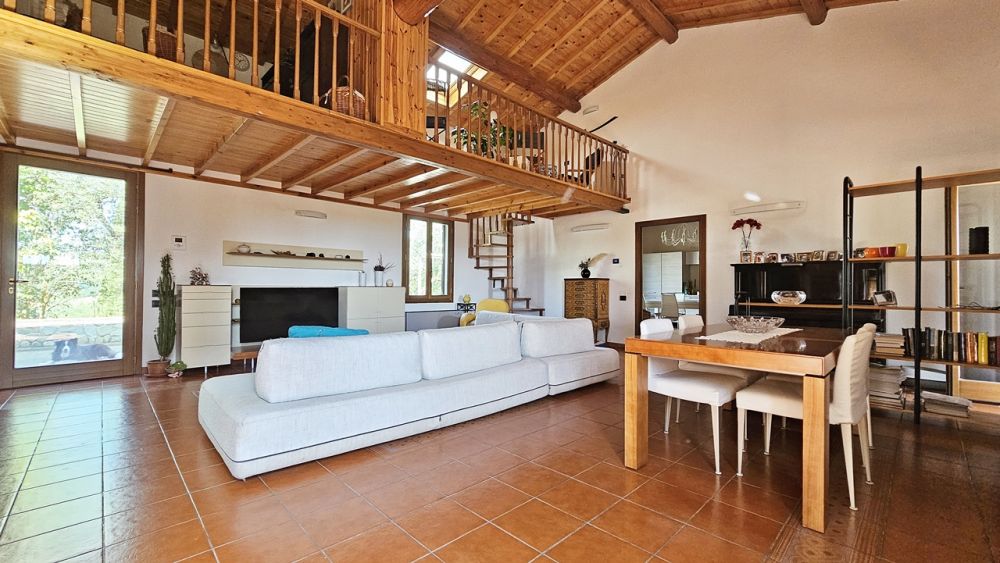
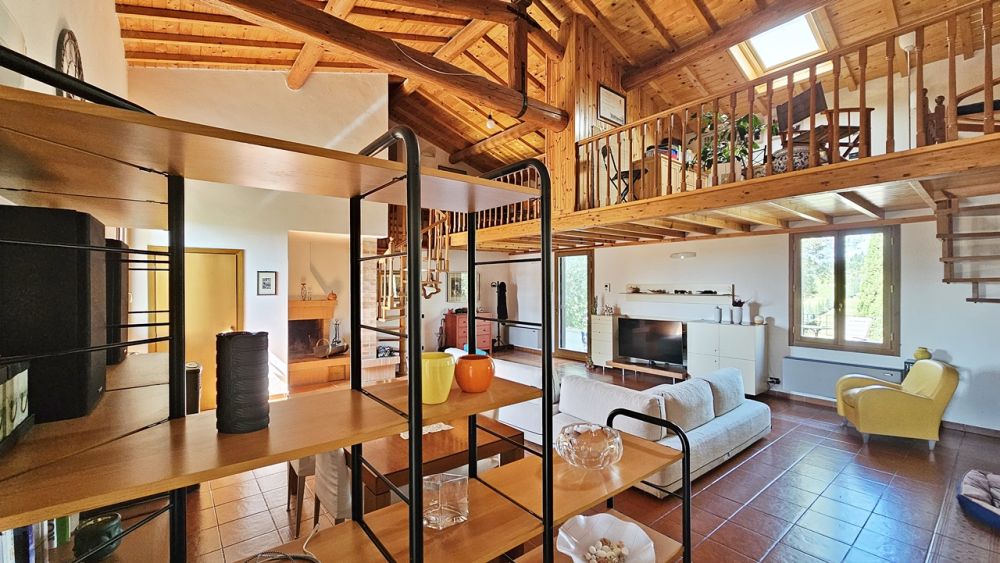
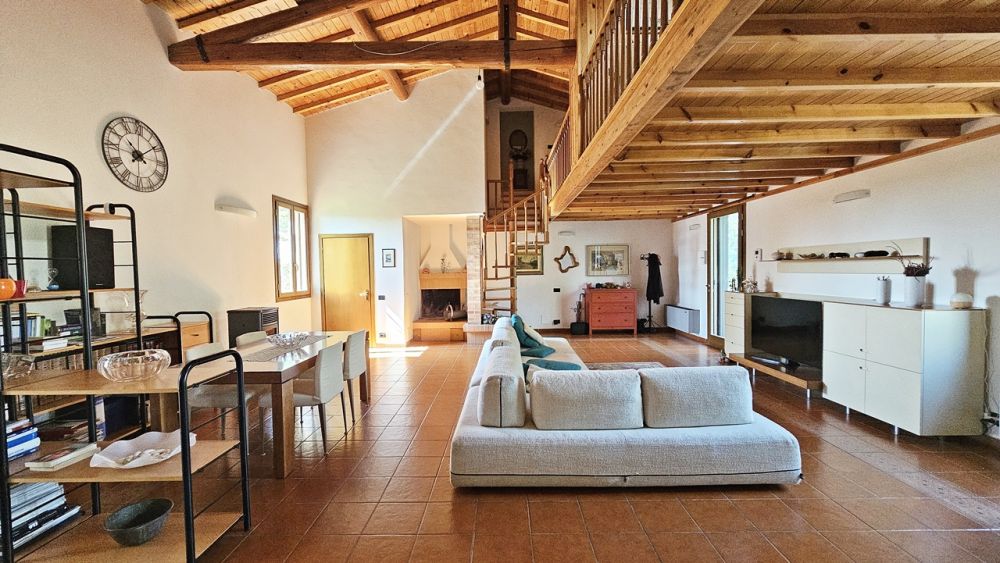
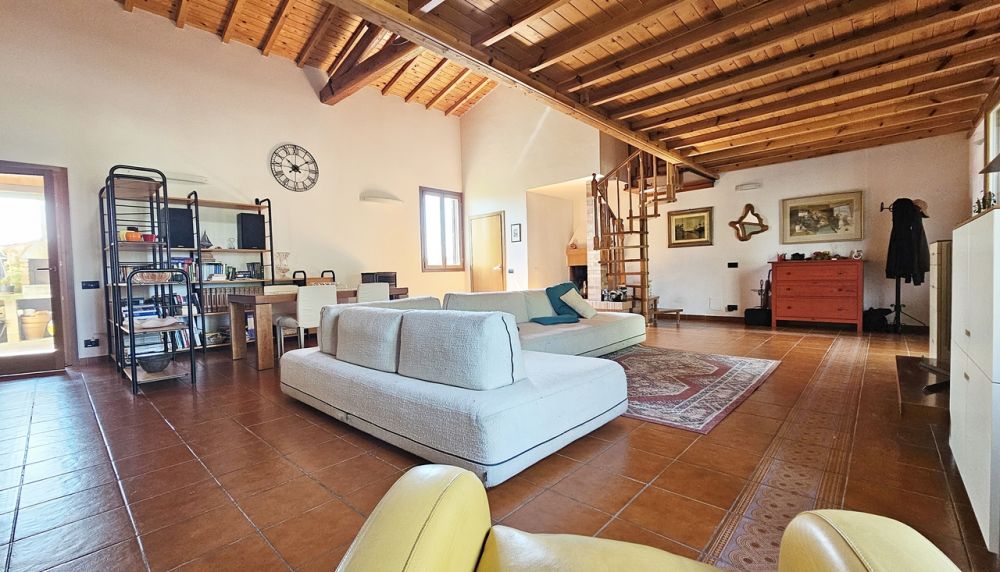
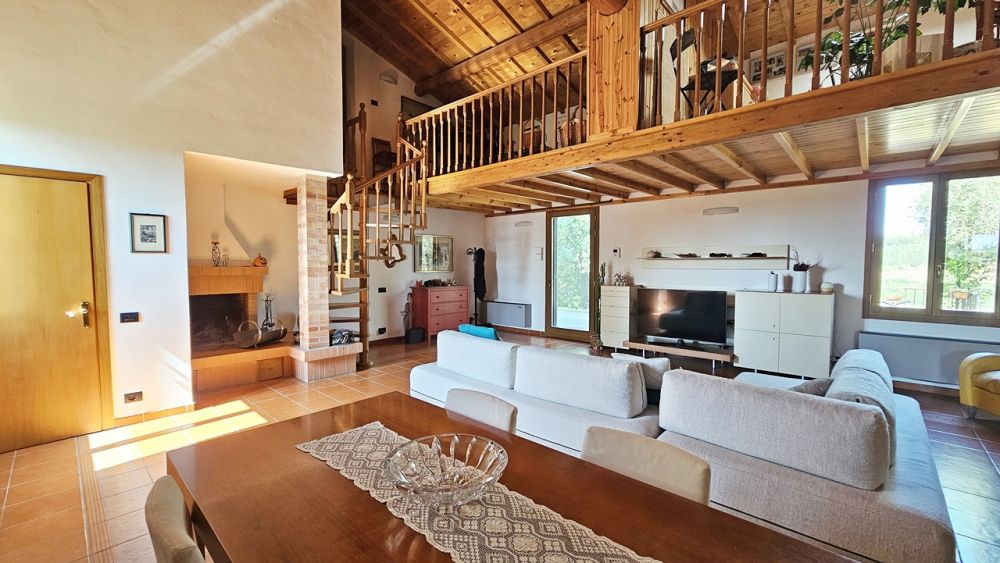
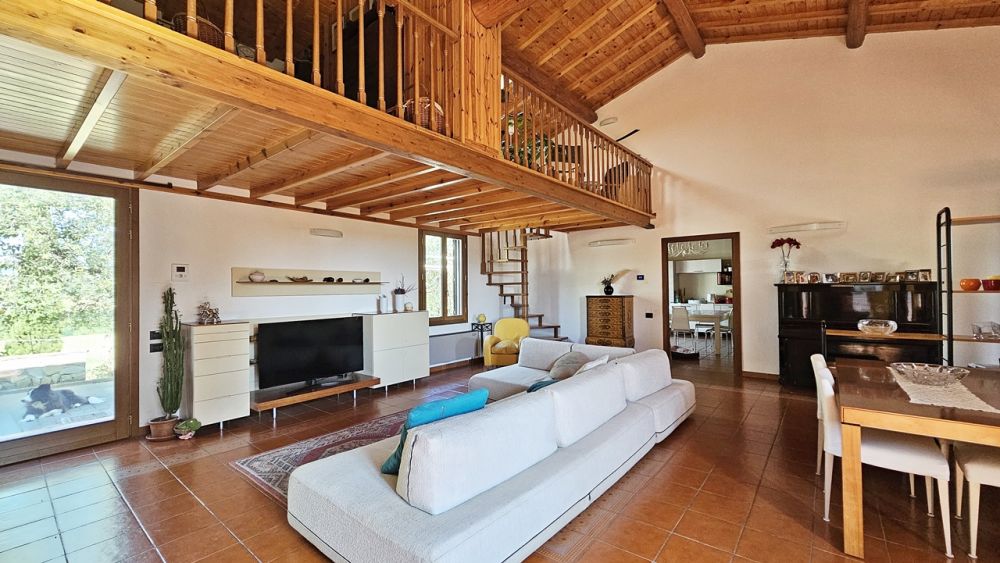
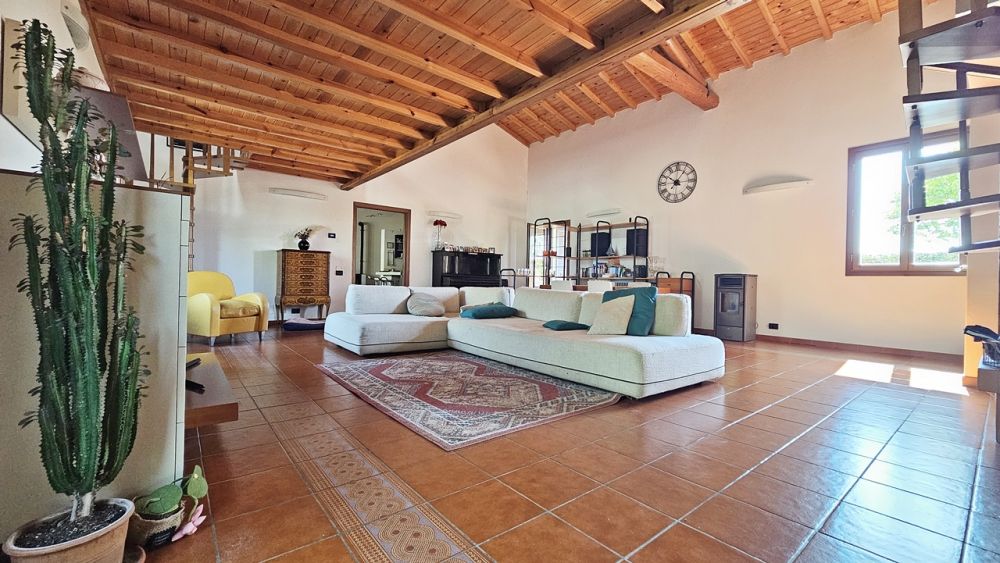
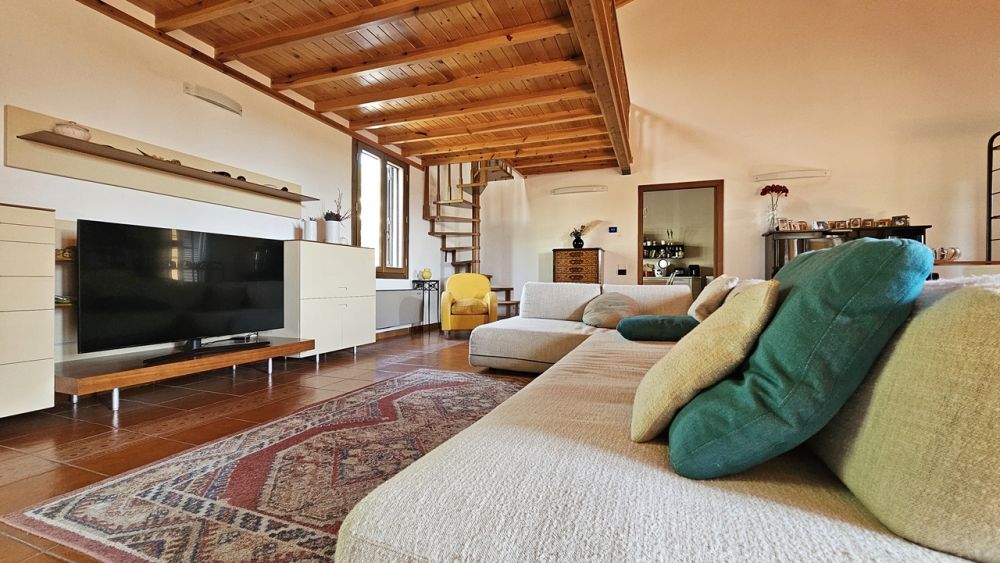
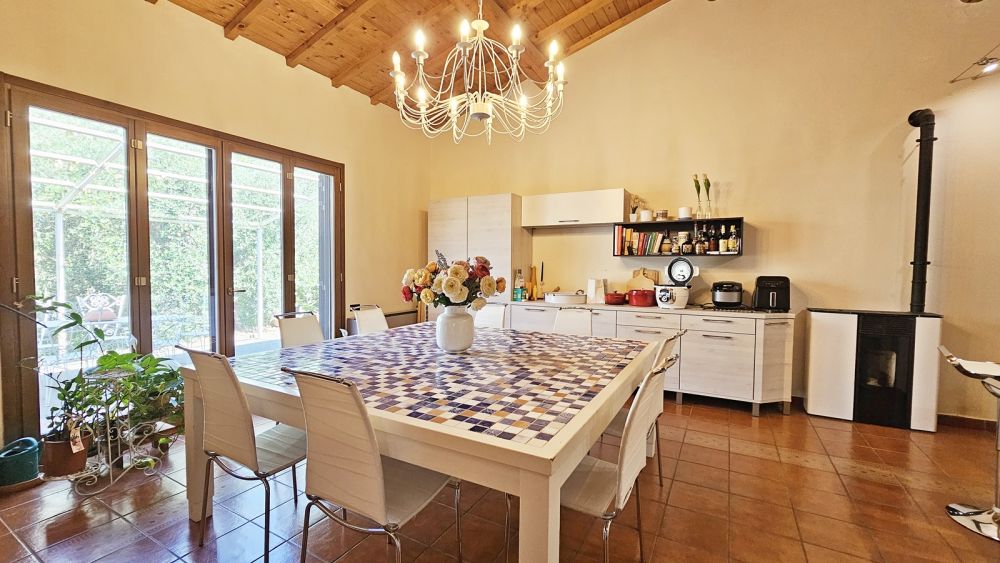
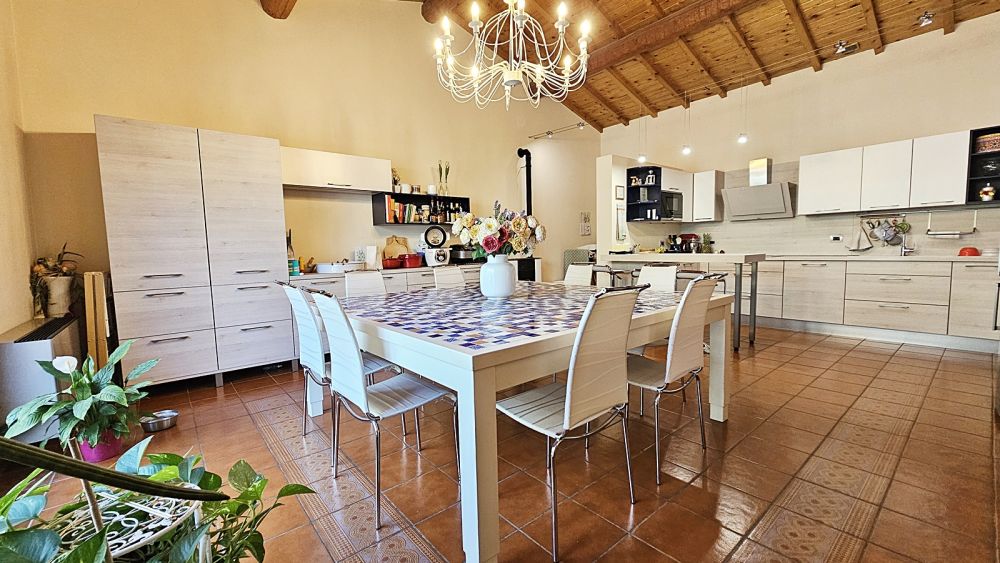
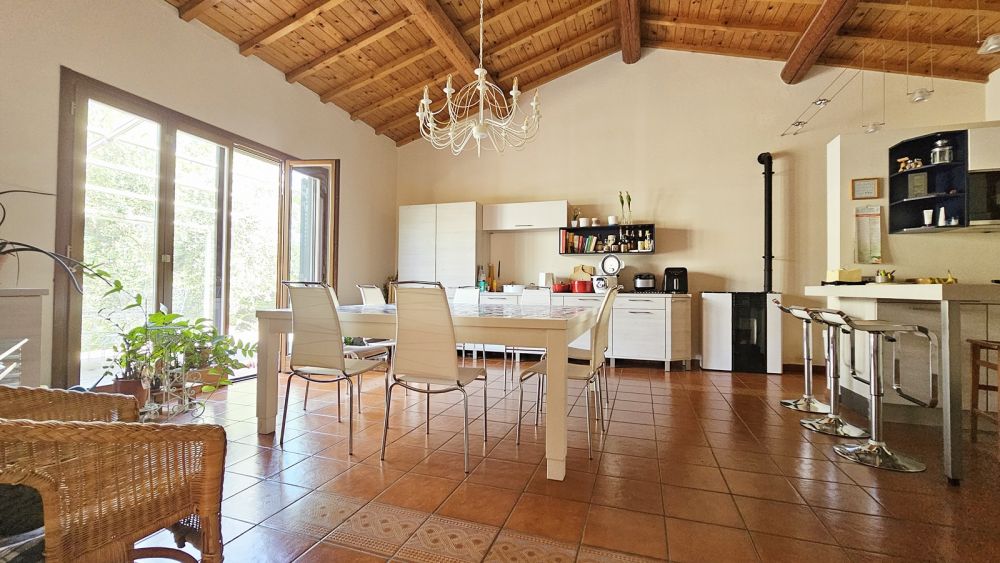
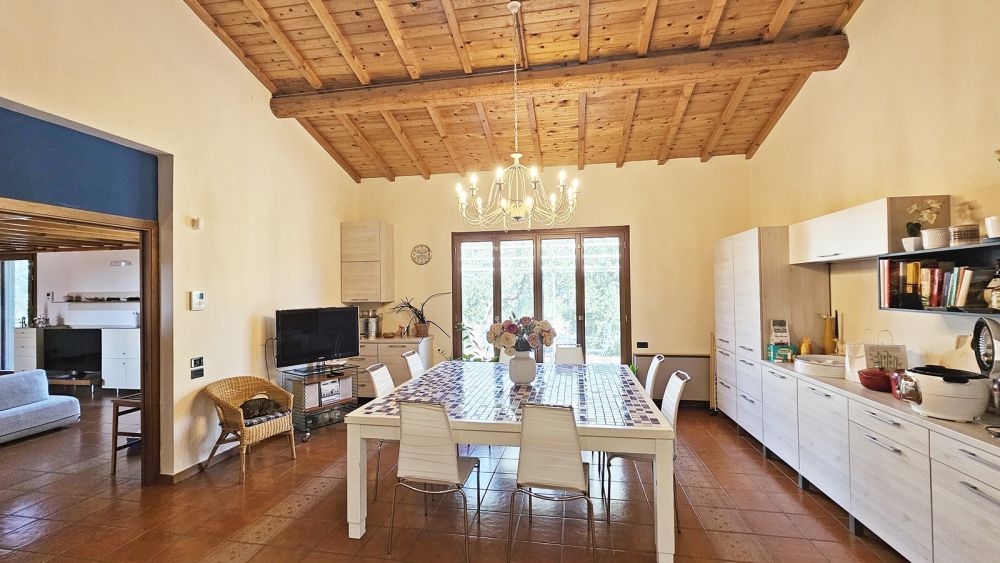
Tuscan farmhouses are built from local limestone and brick. While beautiful, they require specialized care.
- Heritage Restrictions: San Gimignano is heavily protected. Changing a window size or painting shutters the "wrong" green can result in heavy fines. Always consult a Geometra (land surveyor) to check for "abusi edilizi" (unauthorized past works).
- Humidity & Insulation: Old stone walls lack modern damp-proof courses. Ground floors can be prone to "rising damp."
- Renovation: Expect to pay €1,500–€2,500 per square meter for high-quality restoration. Skilled artisans are available but currently in high demand; book contractors well in advance.
- Water: If the property has a "pozzo" (well) rather than mains water, ensure it is registered and has a reliable yield during dry Augusts.
Buying as a Foreigner
Italy has no restrictions on foreign ownership for most nationalities (based on reciprocity).
- The Process: You begin with a Proposta d’Acquisto (offer), followed by a Preliminare (preliminary contract) where a 10-20% deposit is paid. The sale culminates at the Rogito (final deed) before a Notary.
- Costs: Budget 10-12% above the purchase price for taxes and fees. If you are a non-resident, the "registration tax" is 9% of the cadastral value (not the market price).
- Pitfall: Never skip a technical due diligence report. Italian law places the burden of checking building legality on the buyer.
Community & Expat Life
There is a sophisticated, understated expat community consisting of Northern Europeans, Americans, and British. Unlike the "Chiantishire" of the 1990s, the community today is more integrated with the locals.
- Language: In the town, English is widely spoken. In the countryside, you will need basic Italian to communicate with plumbers or farmers.
- Integration: The best way to integrate is through the land. If you produce wine or oil, you are immediately part of the local conversation. The San Gimignanesi are proud but welcoming to those who respect their heritage and contribute to the upkeep of the landscape.