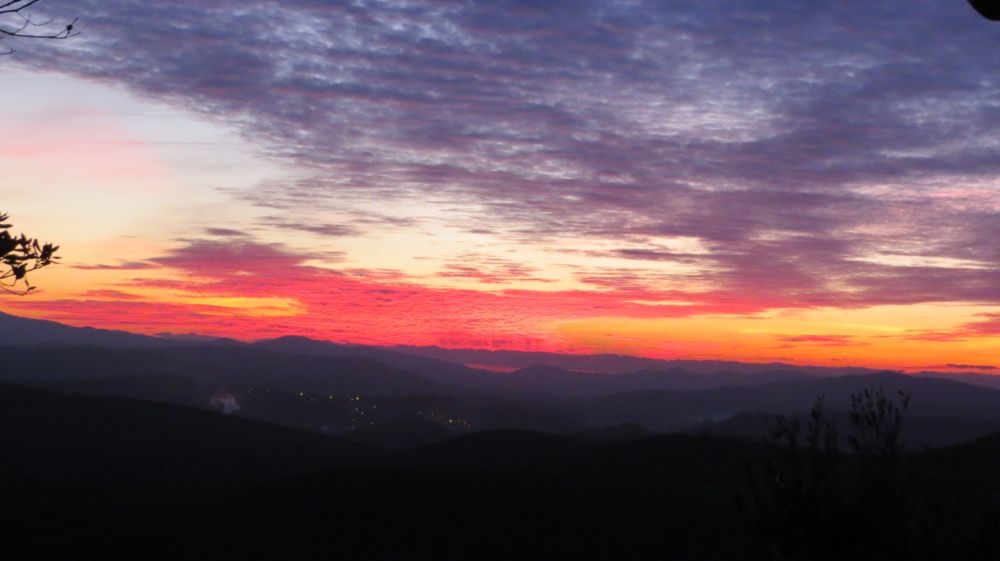
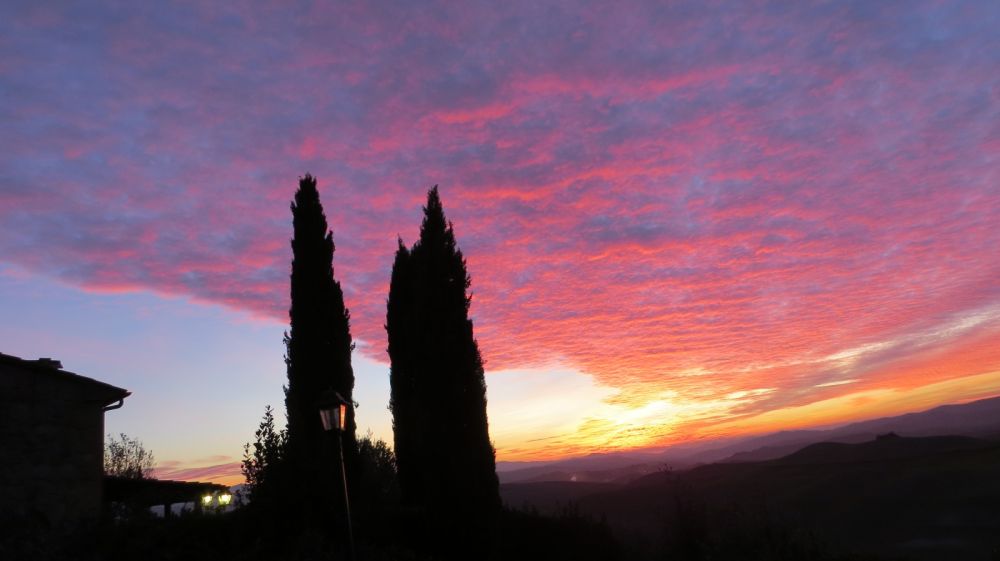
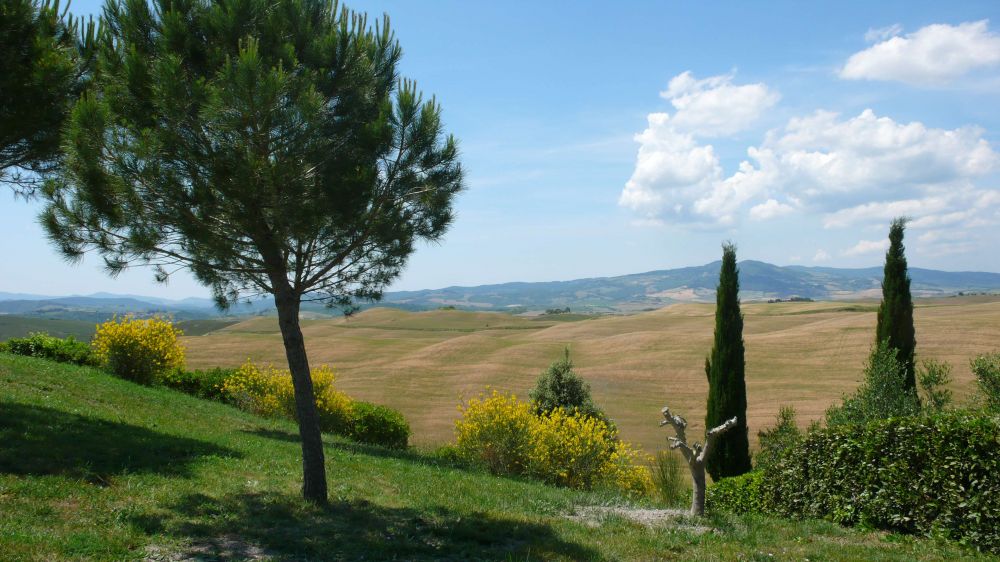
Why Volterra (Pisa), Tuscany, Italy
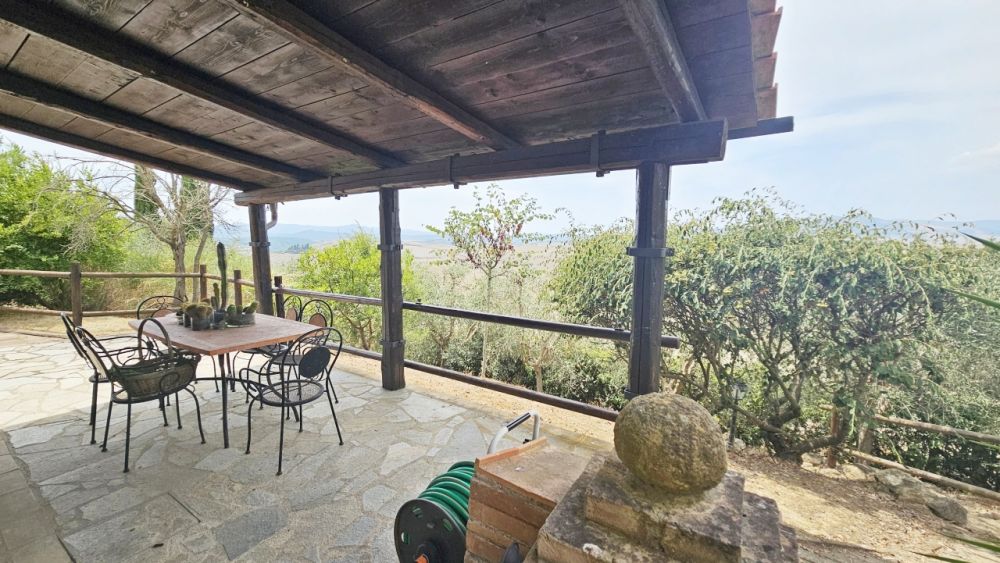
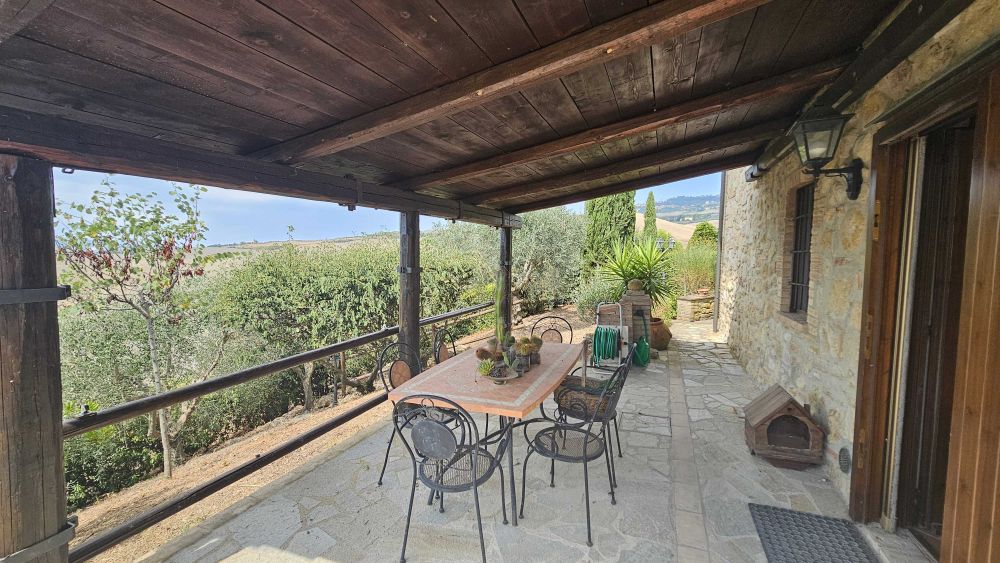
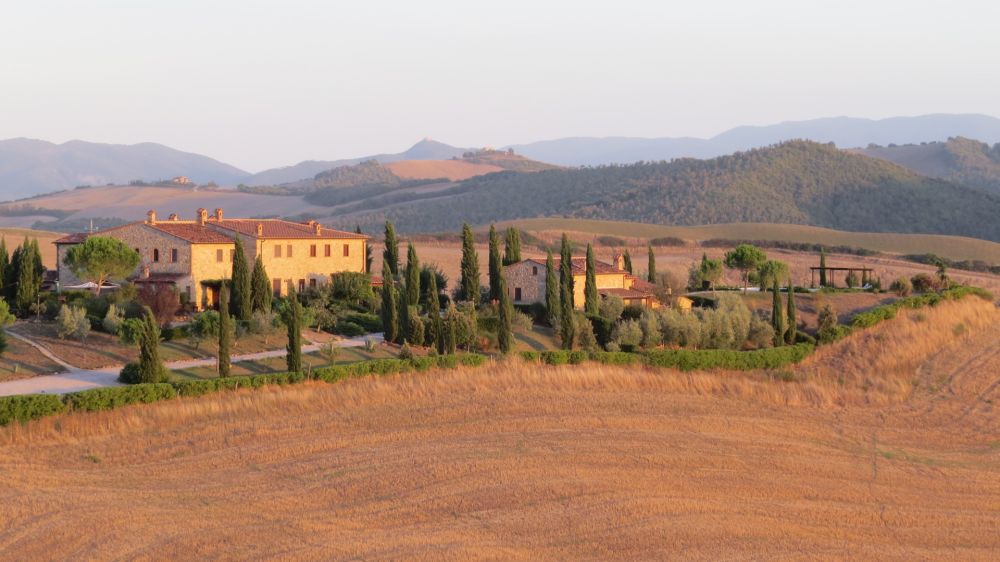
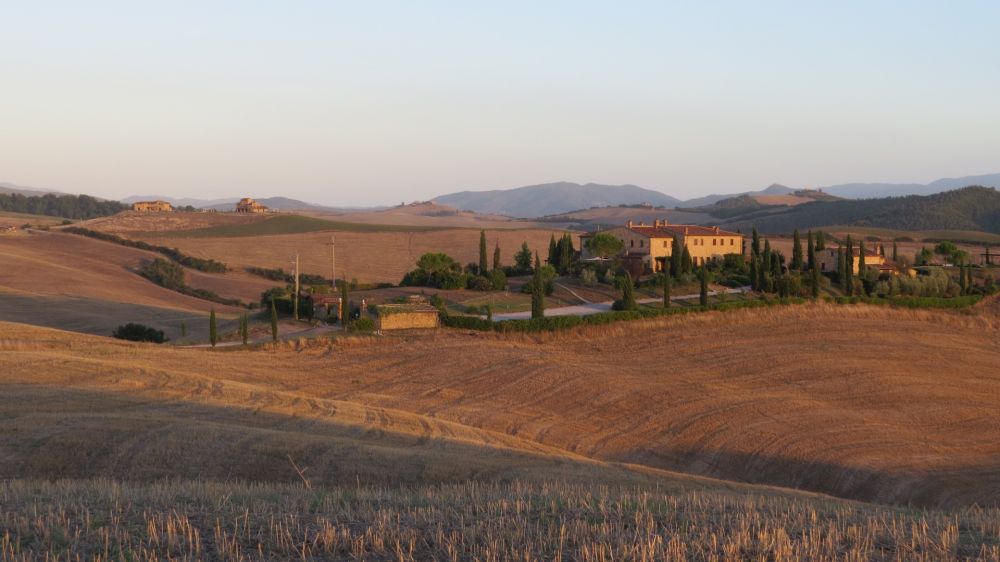
Volterra is often described as the "undiscovered" alternative to the more commercialized Chianti region. Perched on a dramatic hilltop 550 meters above sea level, it offers some of the most expansive panoramic views in Tuscany—stretching as far as the Tyrrhenian Sea on clear days.
For investors and homebuyers, Volterra offers a compelling blend of Etruscan history, Roman ruins, and medieval architecture. It is less crowded than San Gimignano but equally stunning. The value for money here is often superior to the areas surrounding Florence or Siena, yet you remain within the "Golden Triangle" of Tuscany. It is an ideal spot for those seeking a "slow living" lifestyle or a high-end holiday rental with a historical pedigree.
Climate & Lifestyle
Life in Volterra follows the rhythm of the seasons and the agricultural calendar. Because of its elevation, Volterra is notably cooler and windier than the humid valleys below.
- Summer: Warm and sunny, but rarely oppressive due to the hilltop breeze.
- Winter: Can be cold, misty, and occasionally snowy. It is a quiet, atmospheric time where the town returns to the locals.
- Food & Culture: The area is famous for truffles, wild boar (cinghiale), and salt production. The lifestyle is centered around the piazza, long lunches, and local festivals like Volterra AD 1398.
Getting There & Around
Volterra is centrally located but feels pleasantly secluded.
- Airports: Pisa International Airport (PSA) is the primary gateway, roughly 60–70 minutes away by car. Florence Airport (FLR) is about 90 minutes away.
- Driving: A car is essential. The roads winding up to the town are well-maintained but serpentine; those prone to motion sickness should take note.
- Major Cities: Siena (1 hour), Florence (1.5 hours), and the Tuscan coast/Bolgheri (45–55 minutes) are all within easy reach for day trips.
- Public Transport: There is no direct train station in the center (the nearest is Volterra-Saline, several kilometers down the hill), so reliance on buses or private vehicles is the norm.
Practical Living
Daily life in Volterra is remarkably functional for a hill town.
- Healthcare: Volterra has its own hospital (Ospedale Santa Maria Maddalena), which is a significant advantage over more remote rural areas.
- Shopping: There are several supermarkets (Conad, Coop) in the lower parts of town and a weekly Saturday market for fresh produce.
- Connectivity: While the historic center has fiber-optic options, rural farmhouses often rely on EOLO (fixed wireless) or satellite internet. Check signal strength during your viewing.
- Education: While there are no major international schools in Volterra itself, there are options in Florence or Livorno. Local schools are welcoming but operate entirely in Italian.
Property Considerations
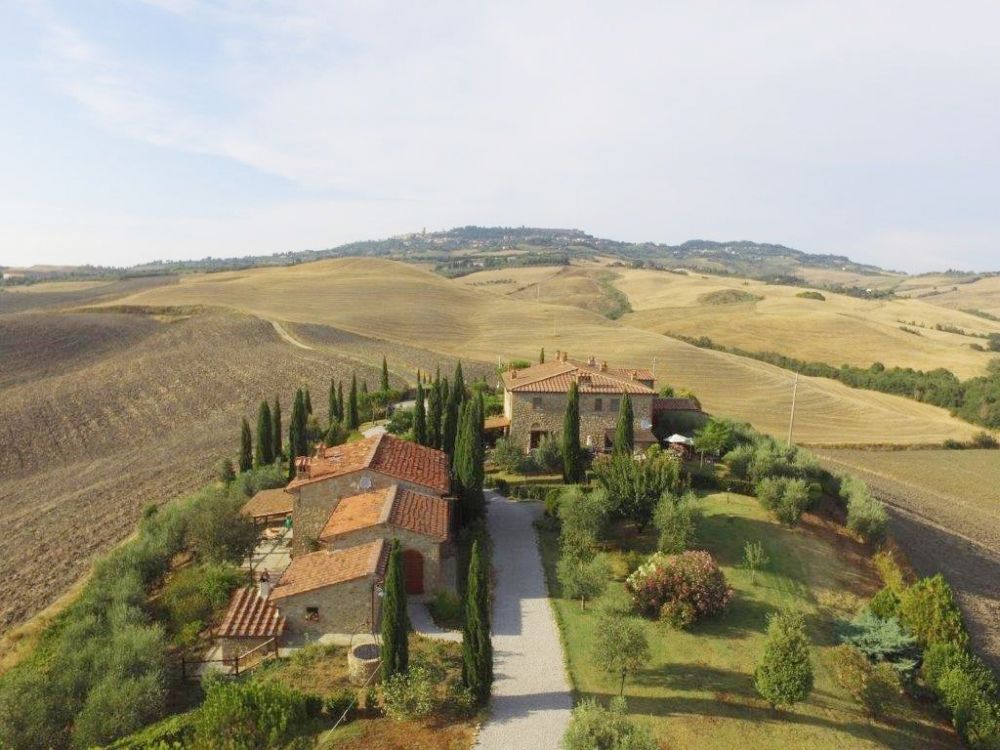
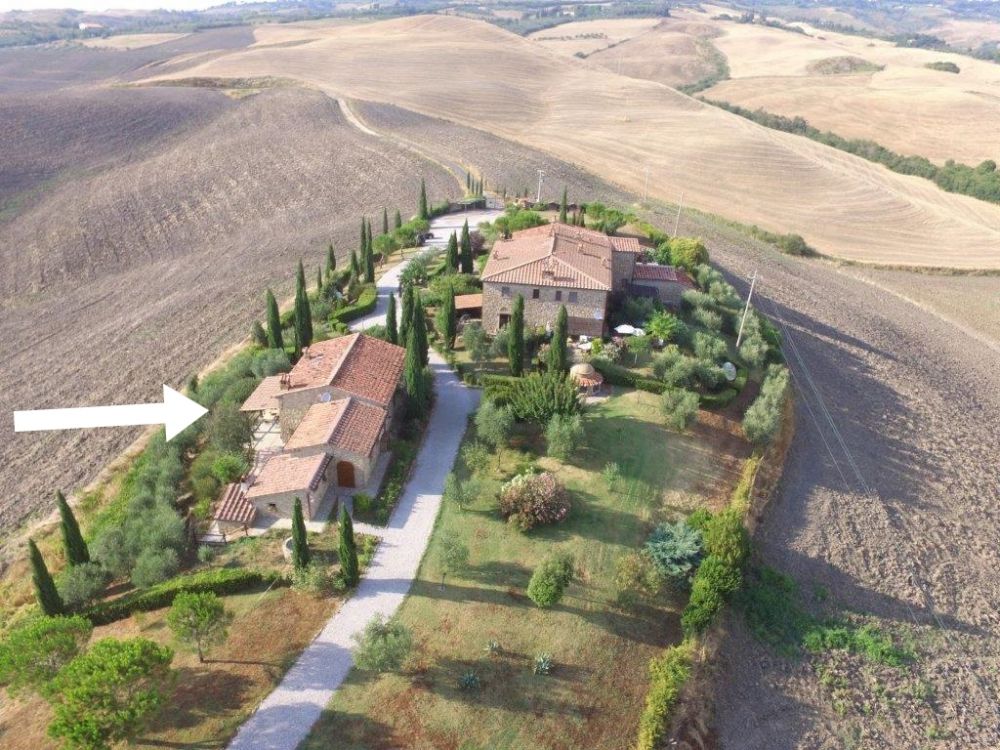
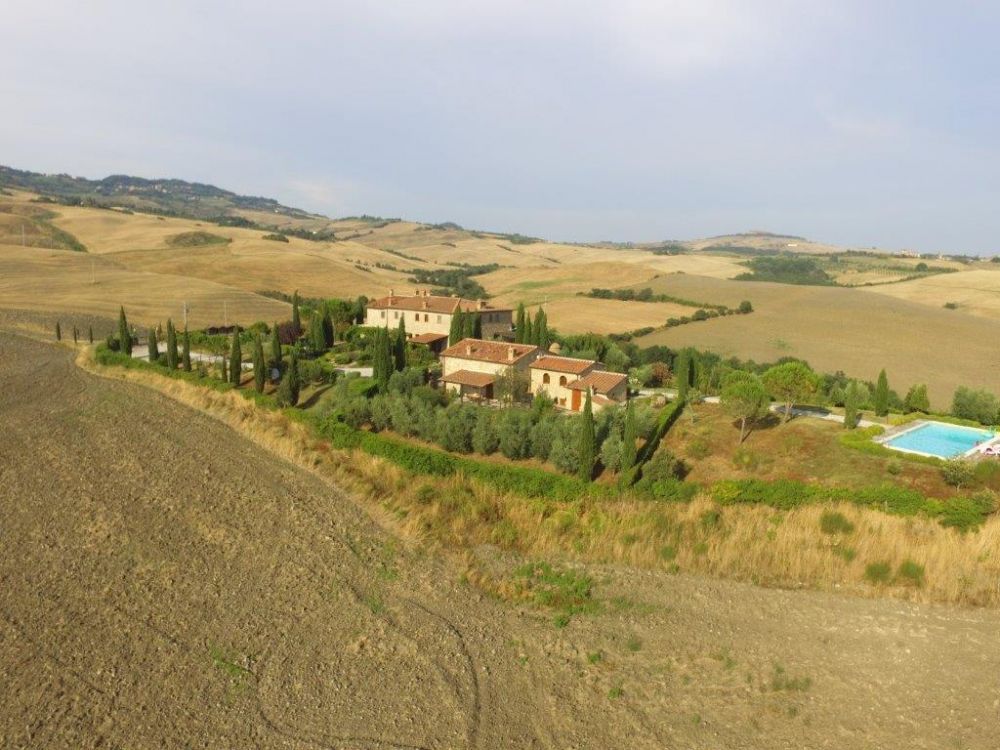
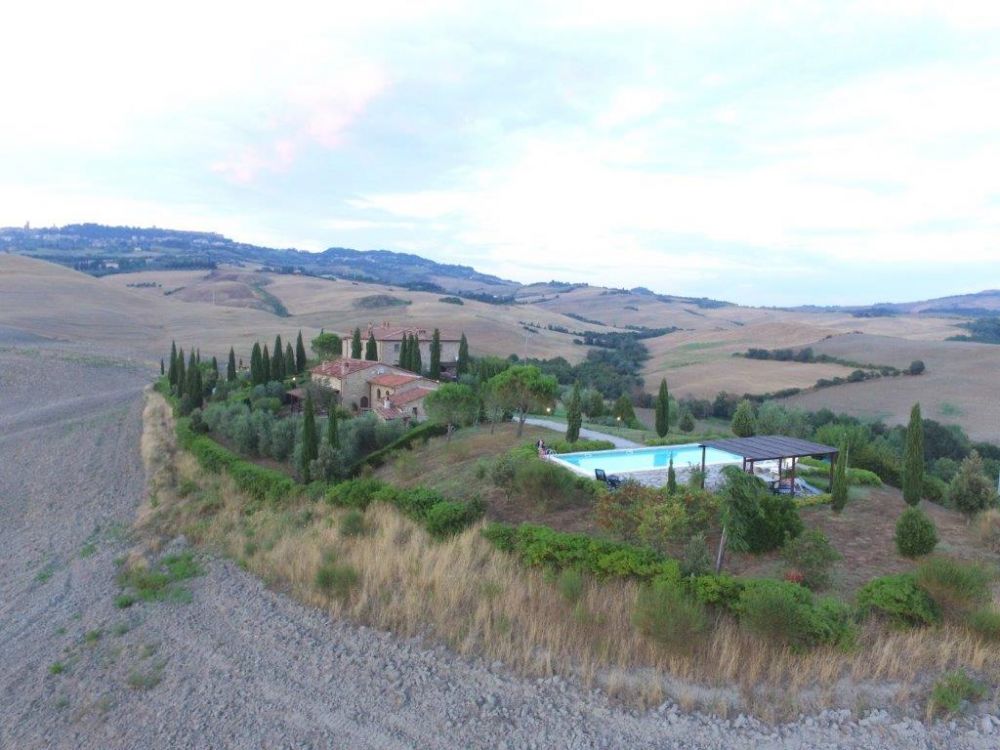
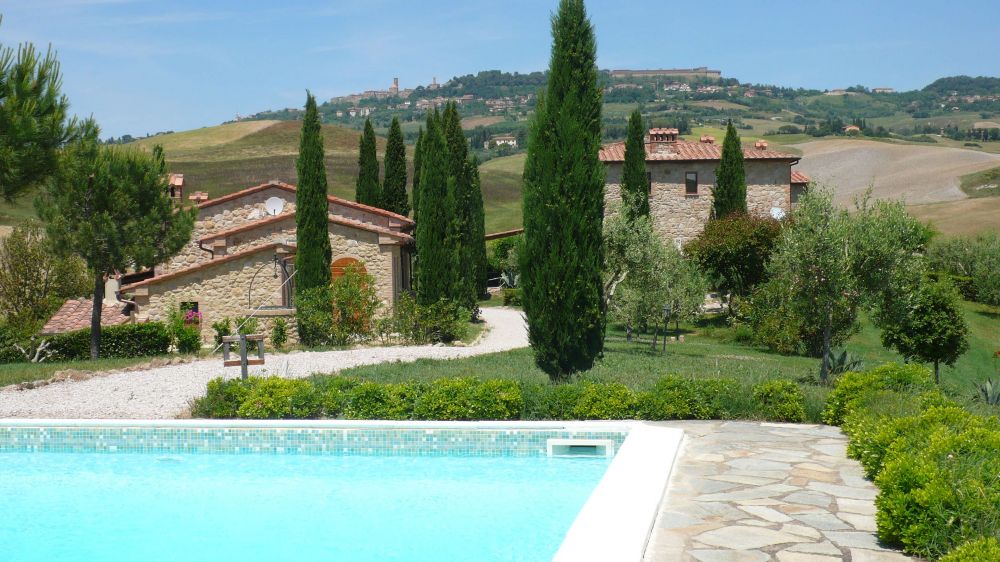
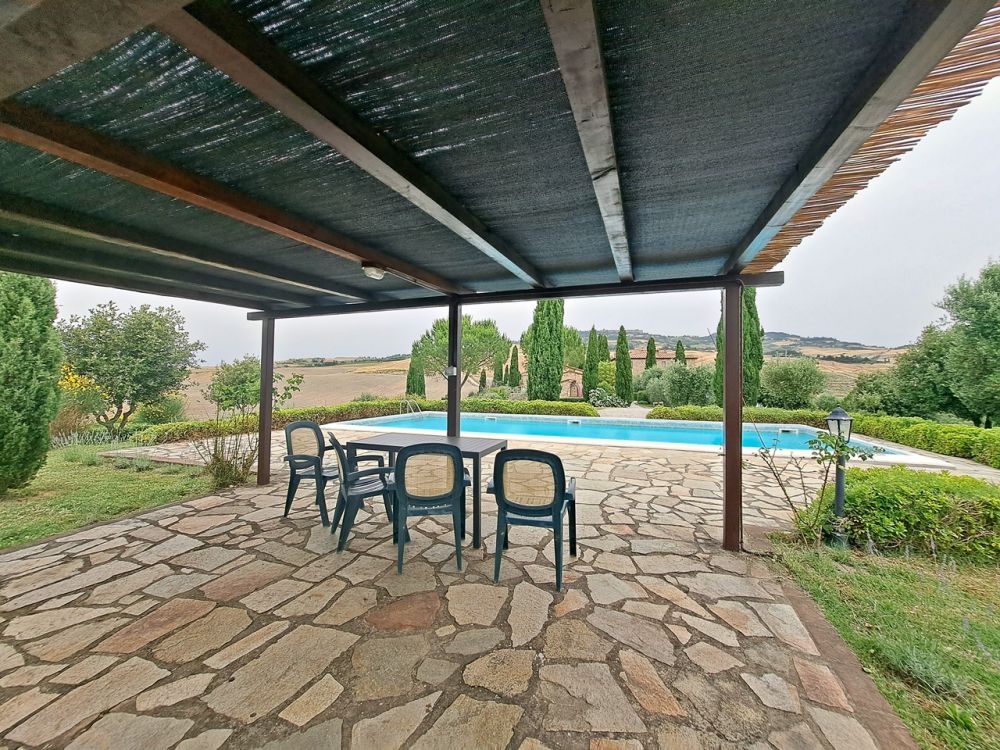
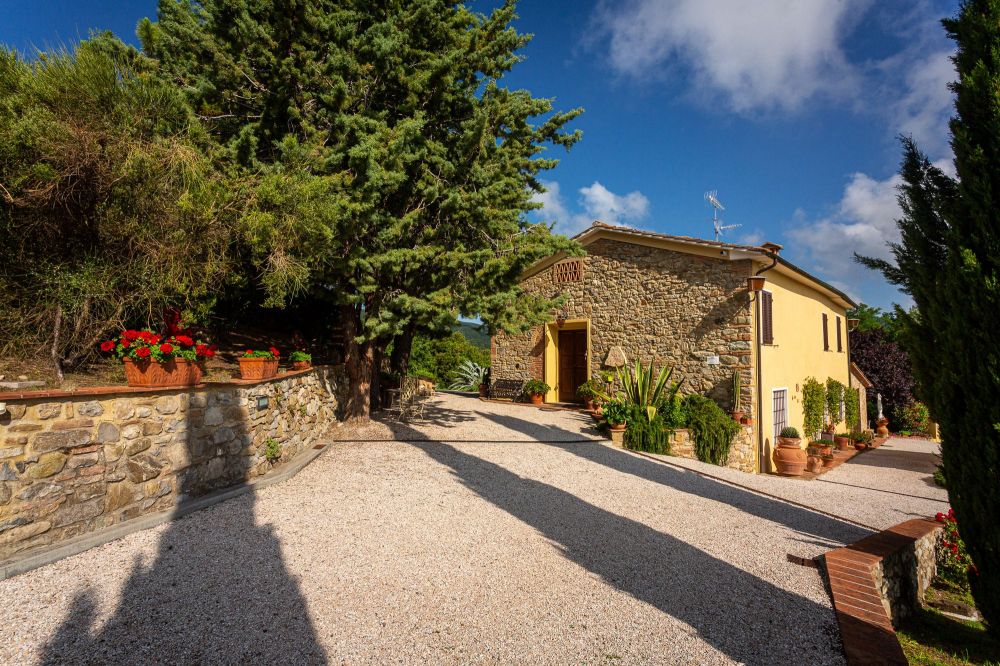
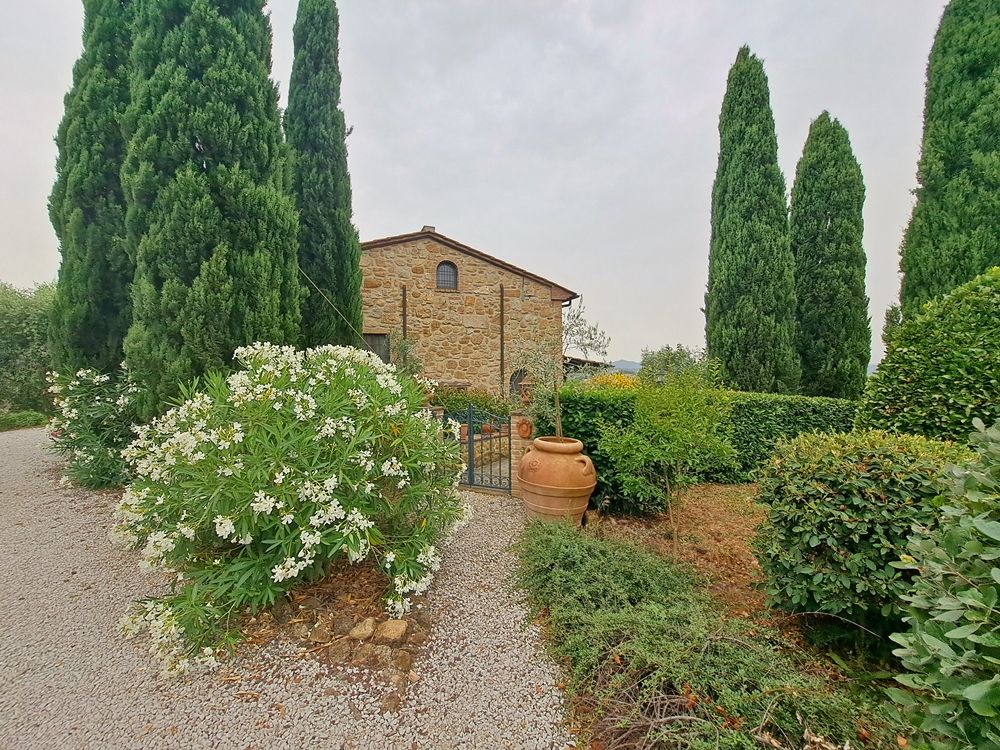
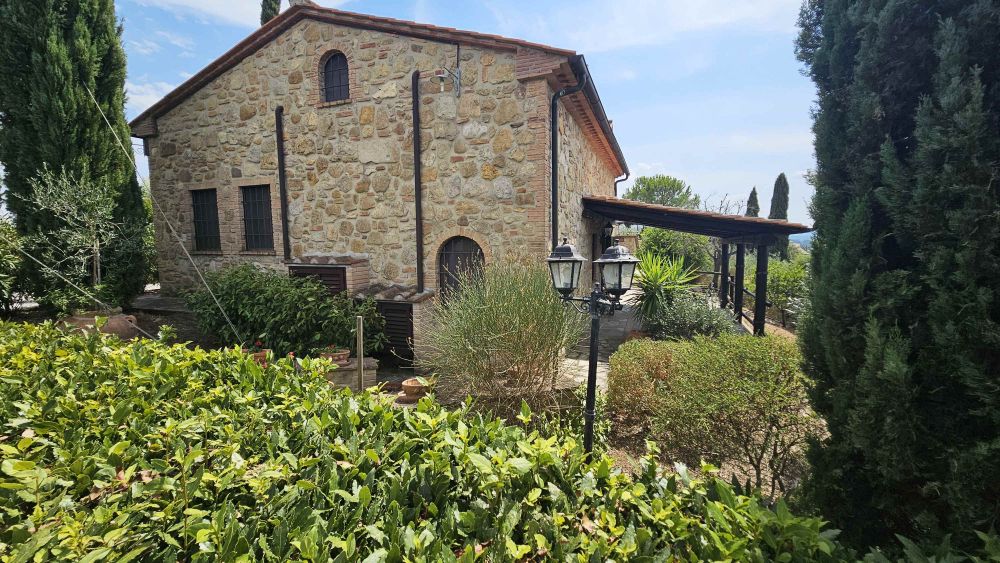
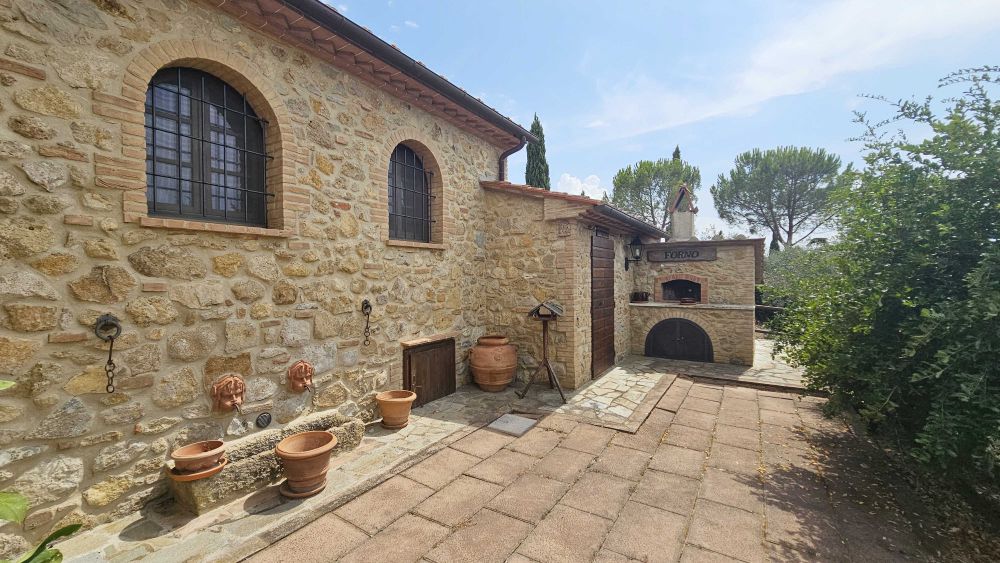
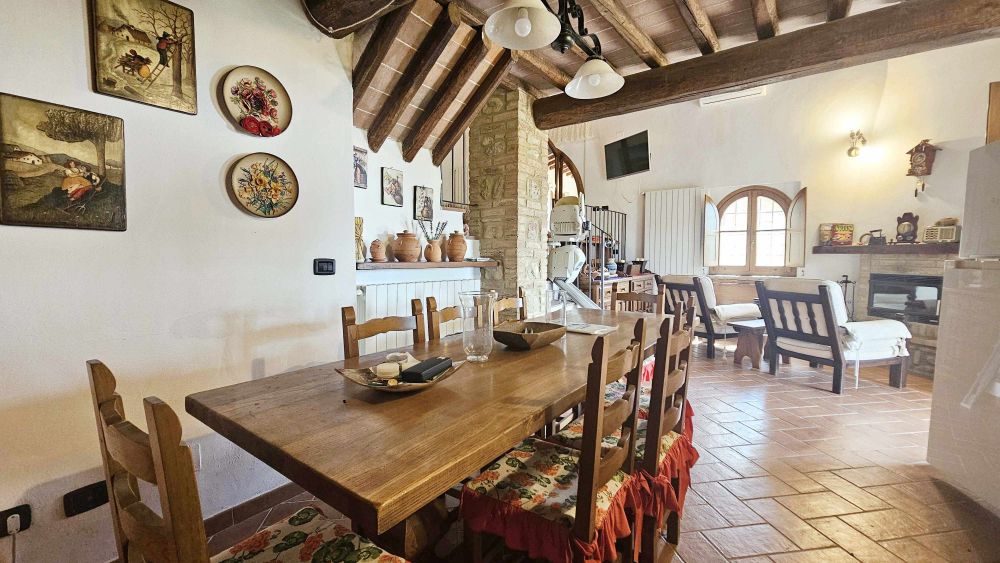
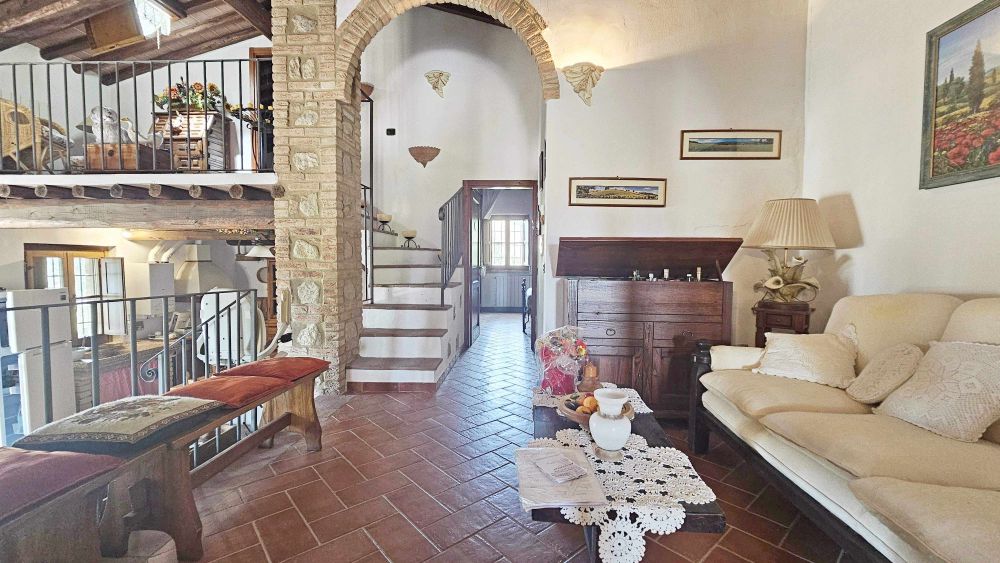
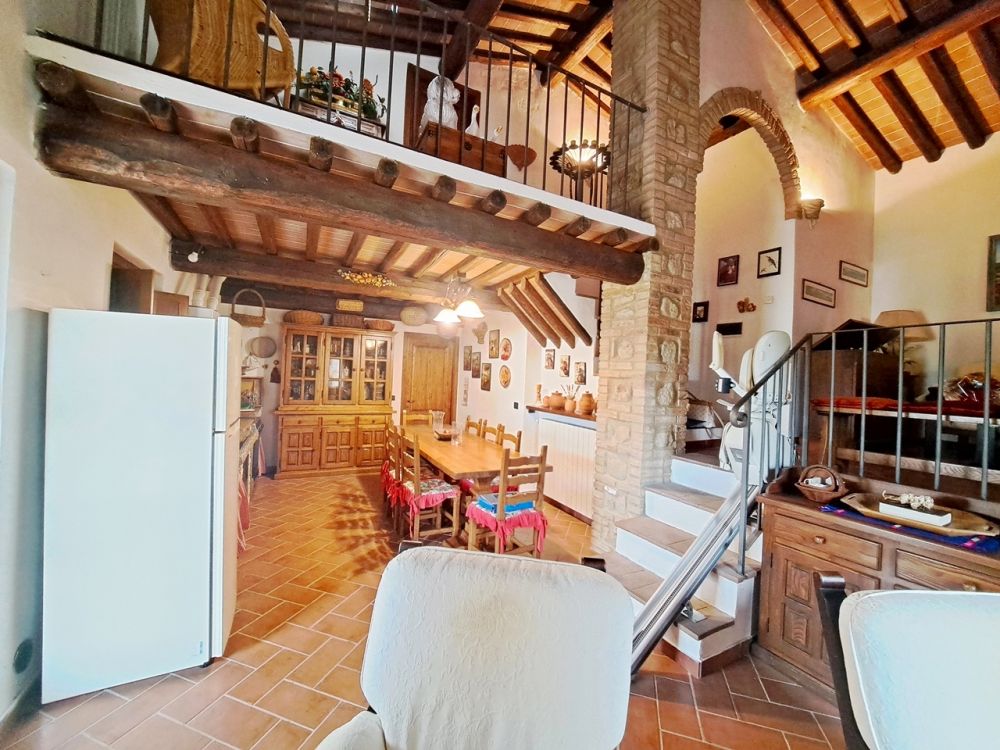
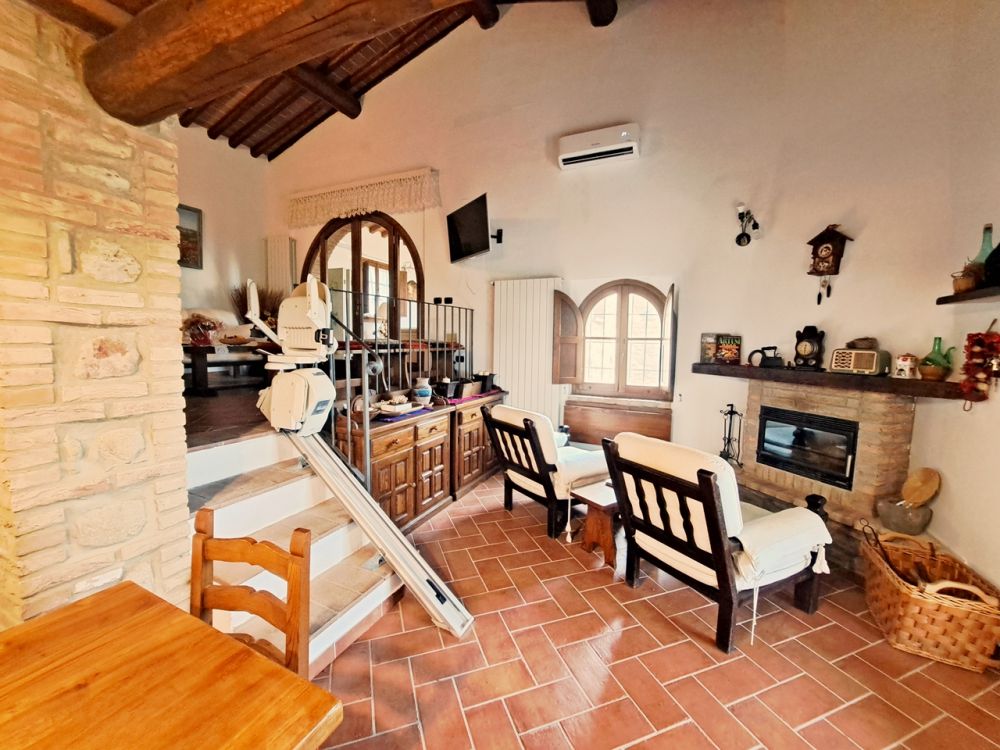
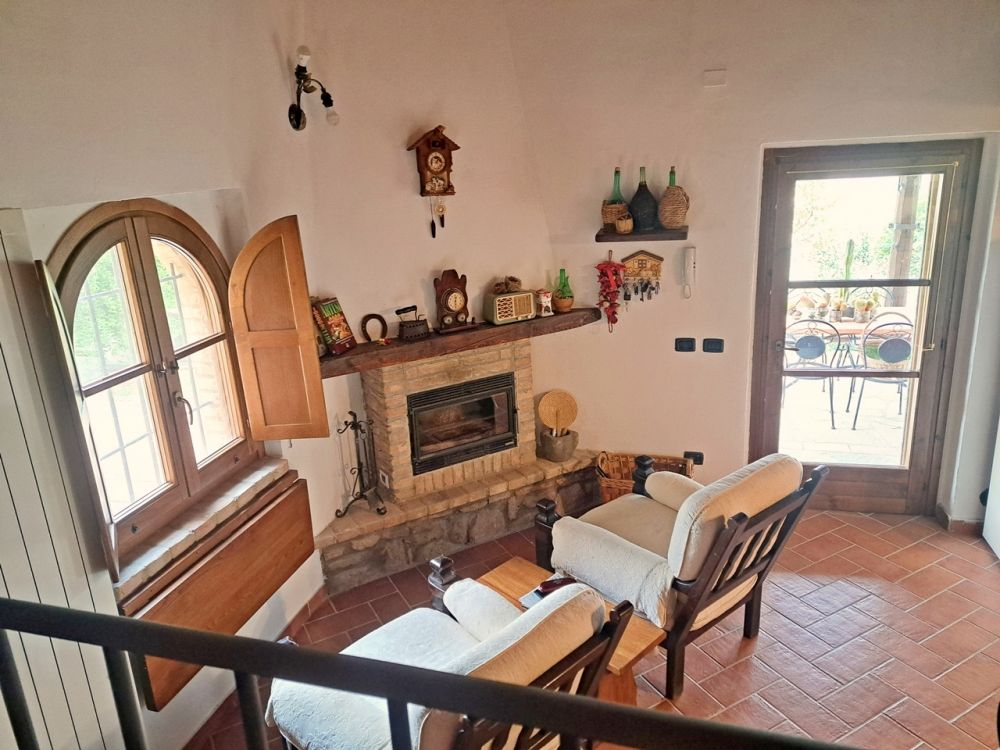
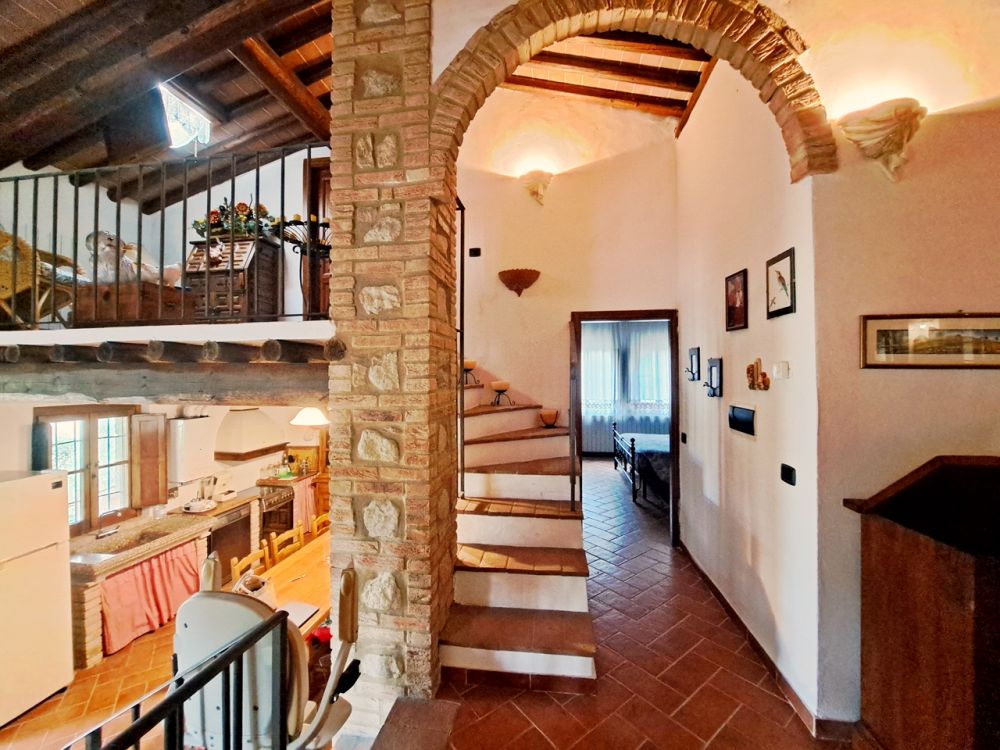
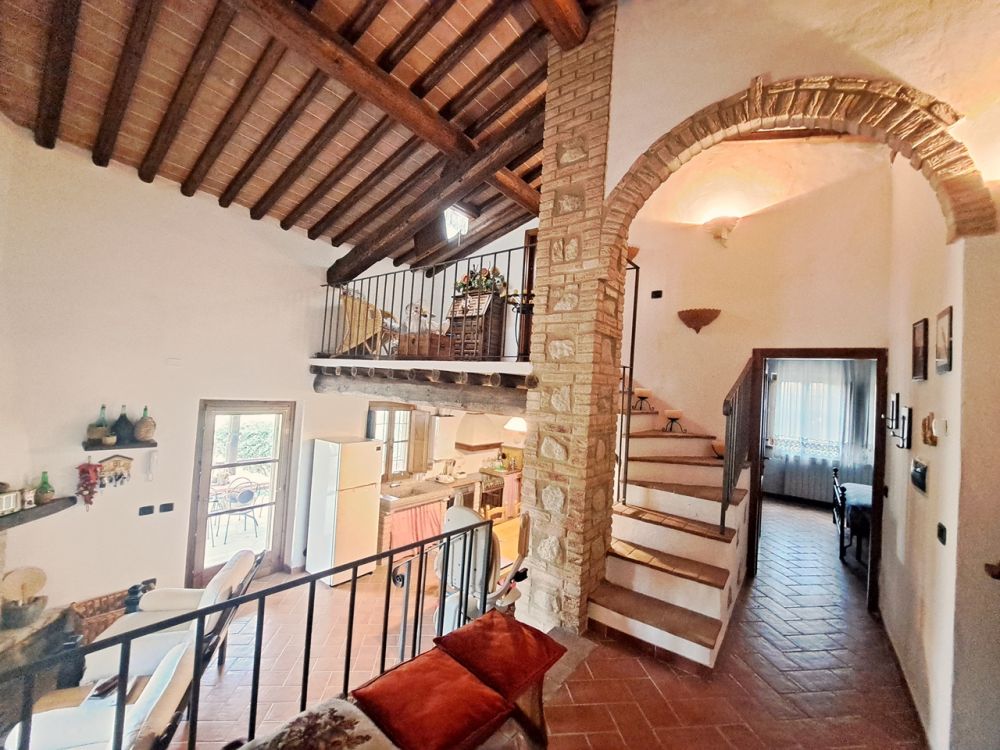
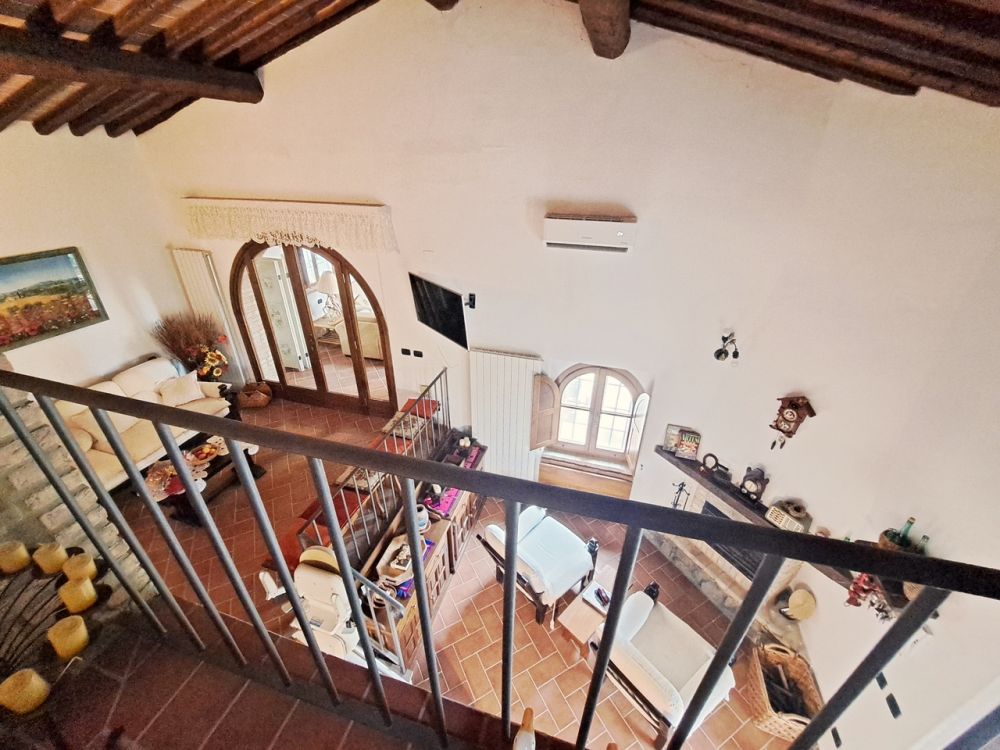
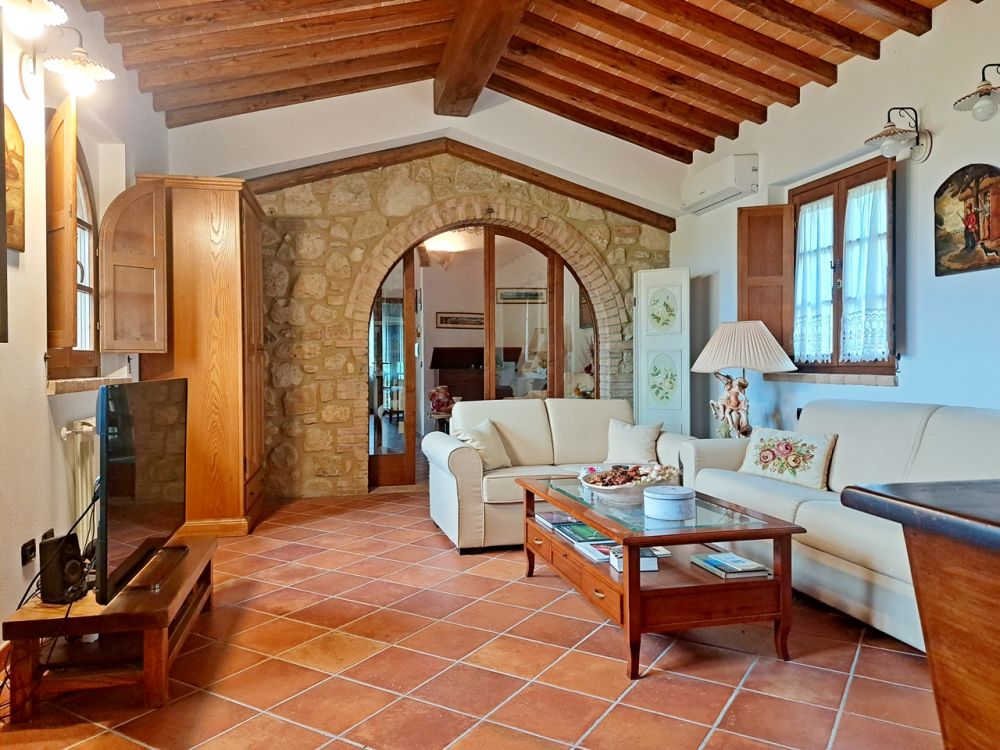
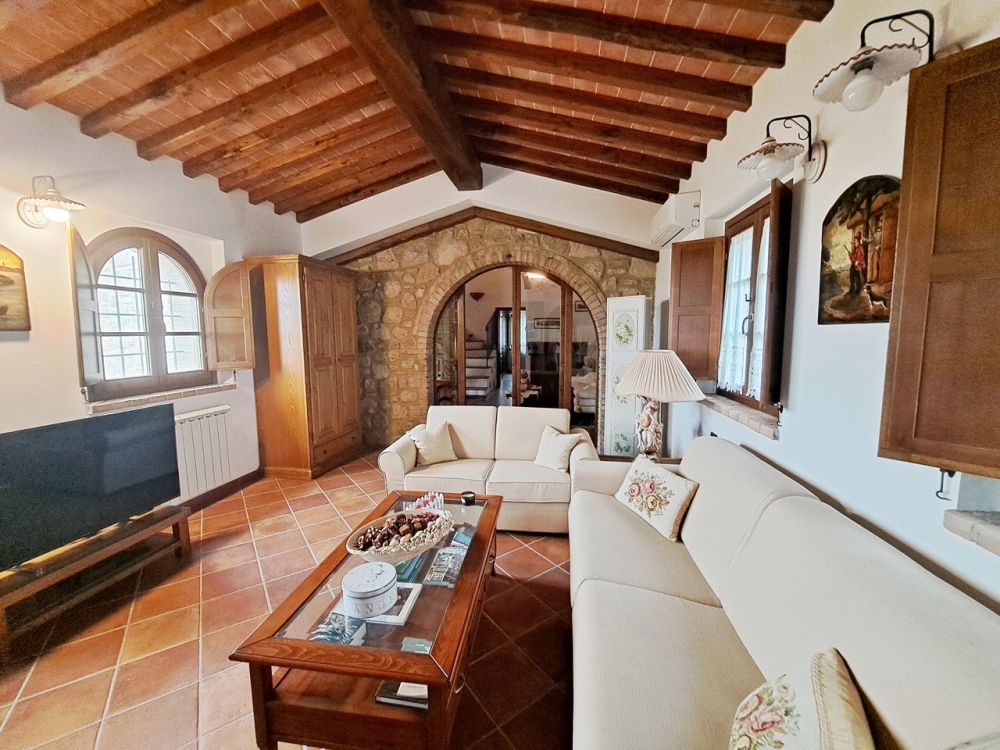
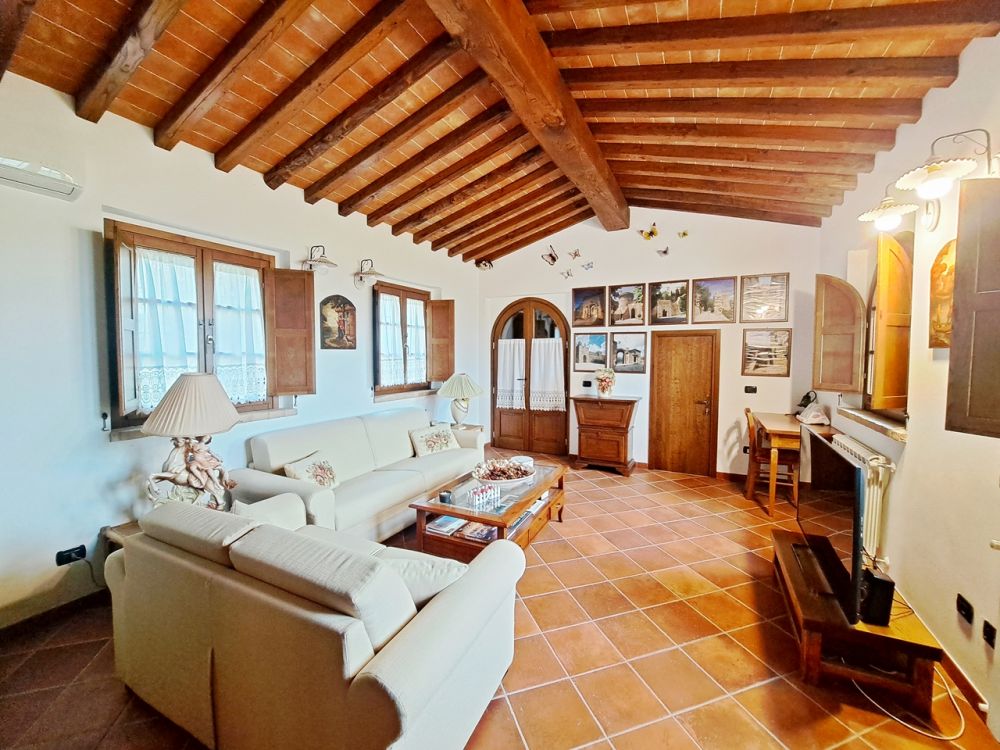
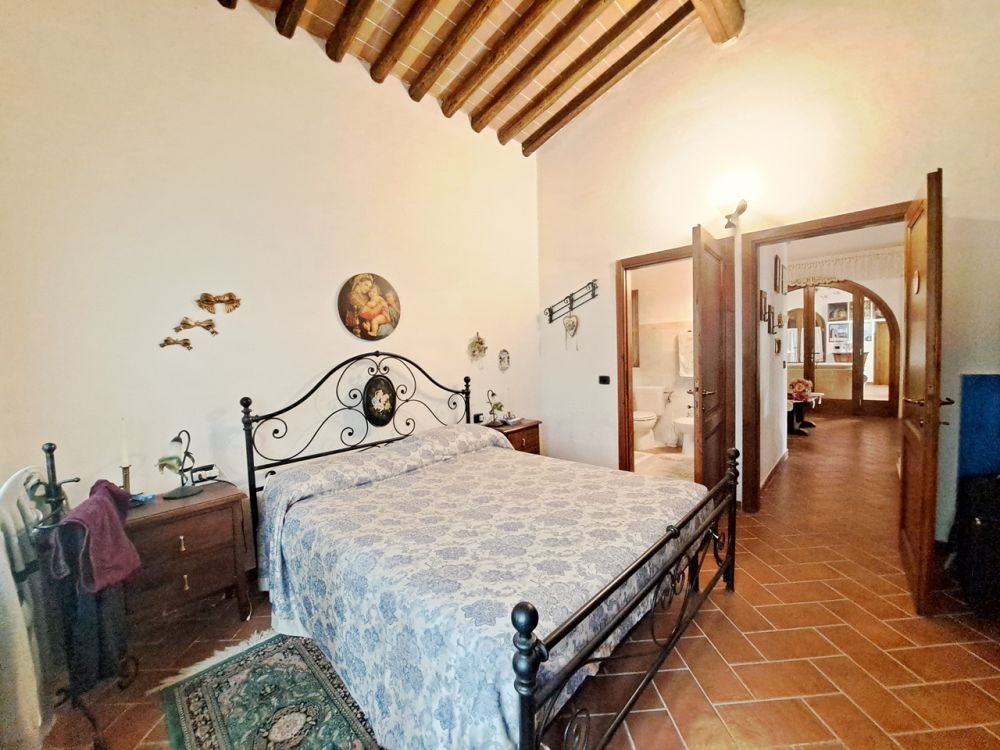
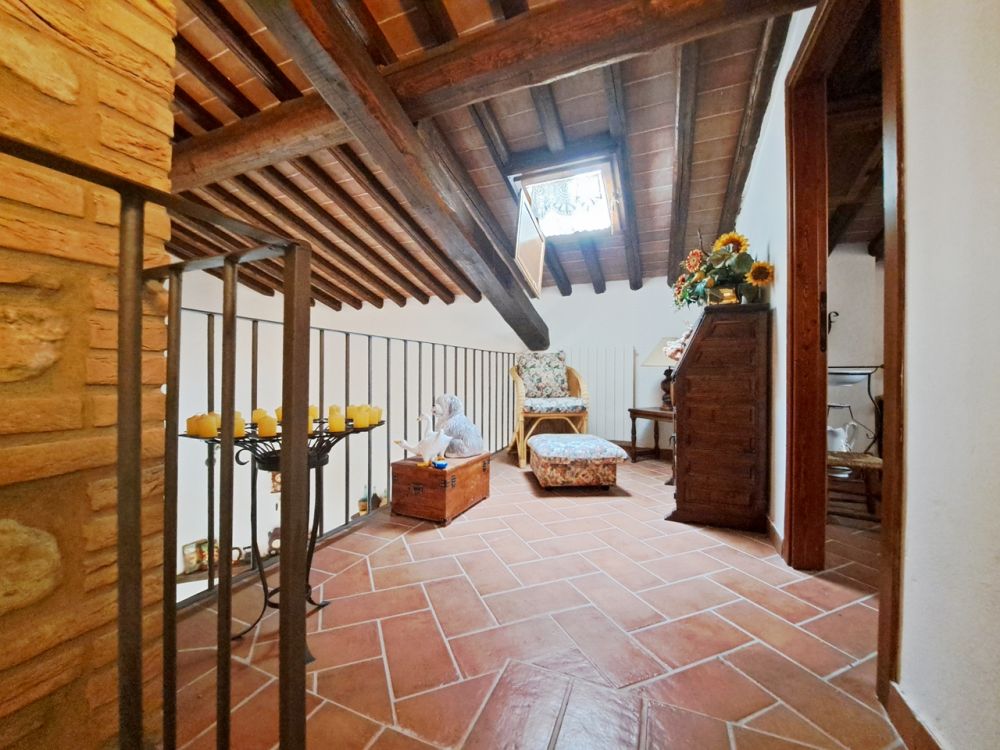
The classic Volterra farmhouse (rustico) is built from local "Pancotto" brick or sandstone.
- Key Issues:
- Clay Soils: The soil around Volterra is rich in clay (le balze). This can lead to structural movement or subsidence. Always hire a geometra (surveyor) to check for foundation cracks.
- Humidity: Thick stone walls are prone to rising damp. Traditional lime-based plasters are a must; avoid modern cement-based products that "suffocate" the stone.
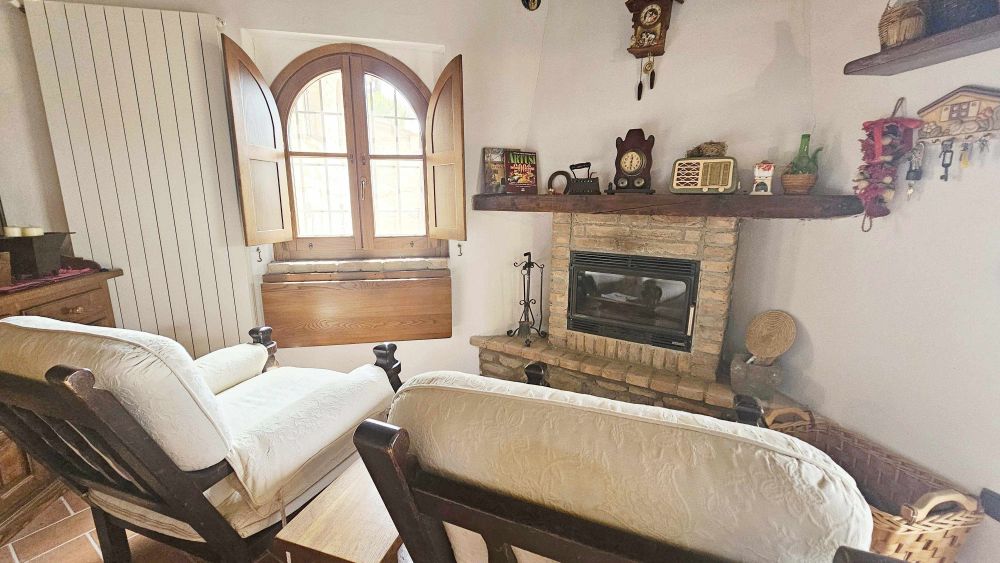
- Heating: Many older farmhouses still use LPG (GPL) tanks or wood pellets. Renovating to include heat pumps or solar is popular but requires navigating strict aesthetic regulations.
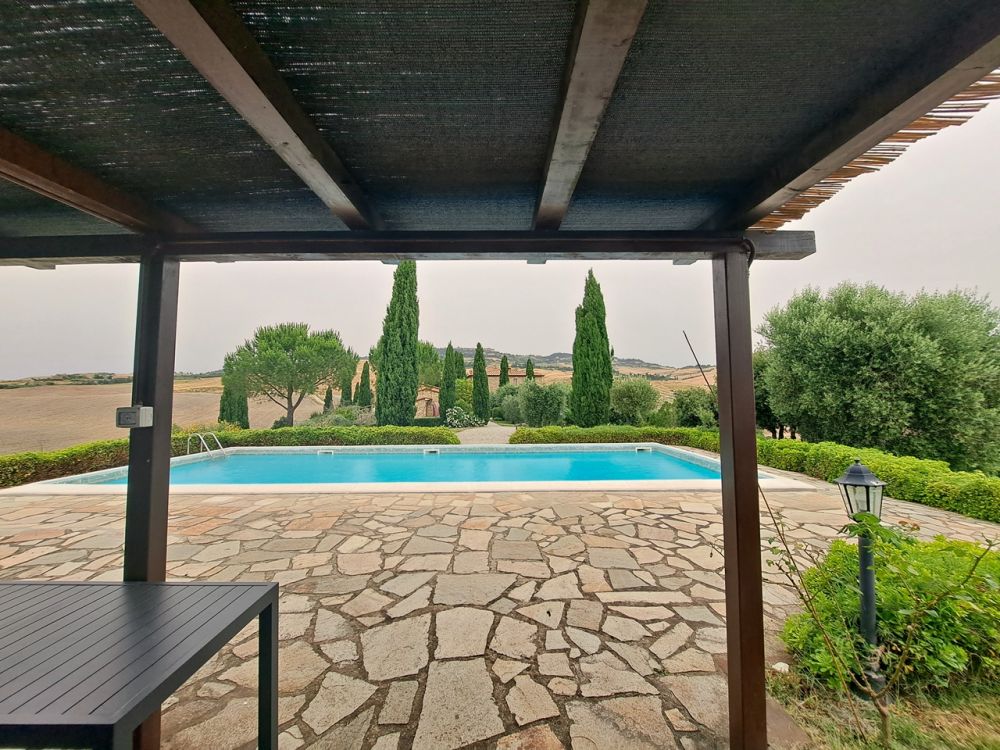
- Regulations: Volterra is under "vincolo paesaggistico" (landscape restrictions). Changing external windows, painting shutters a non-standard color, or adding a swimming pool requires rigorous permits that can take 6–12 months.
Buying as a Foreigner
Italy’s buying process is structured but bureaucratic.
- The Notary: The Notaio is a neutral public official who handles the deed and ensures the property has no liens. They do not, however, check for structural issues—that is your surveyor’s job.
- Costs: Budget 10–12% of the purchase price for taxes and fees. If you are buying as a non-resident (holiday home), the "imposta di registro" (registry tax) is 9% of the cadastral value. If you move your residency there within 18 months, this drops to 2%.
- Pitfall: Ensure the "Stato Legittimo" (legal status). Many old farmhouses have small illegal extensions or moved internal walls that were never registered. These must be "sanitized" by the seller before the sale.
Community & Expat Life
There is a sophisticated, international community in Volterra, including Northern Europeans, Americans, and Brits. However, it doesn't feel like an "expat enclave."
- Integration: Locals are generally polite and appreciative of foreigners who restore old properties. Learning basic Italian is essential for a smooth life; while younger shopkeepers speak English, your plumber or the local council clerk likely won't.
- Socializing: Join a local "Associazione" or take an alabaster carving class. Volterra is world-famous for alabaster, and the artisan community is a great gateway to local social circles.