Why Tuscany, Siena, Italy
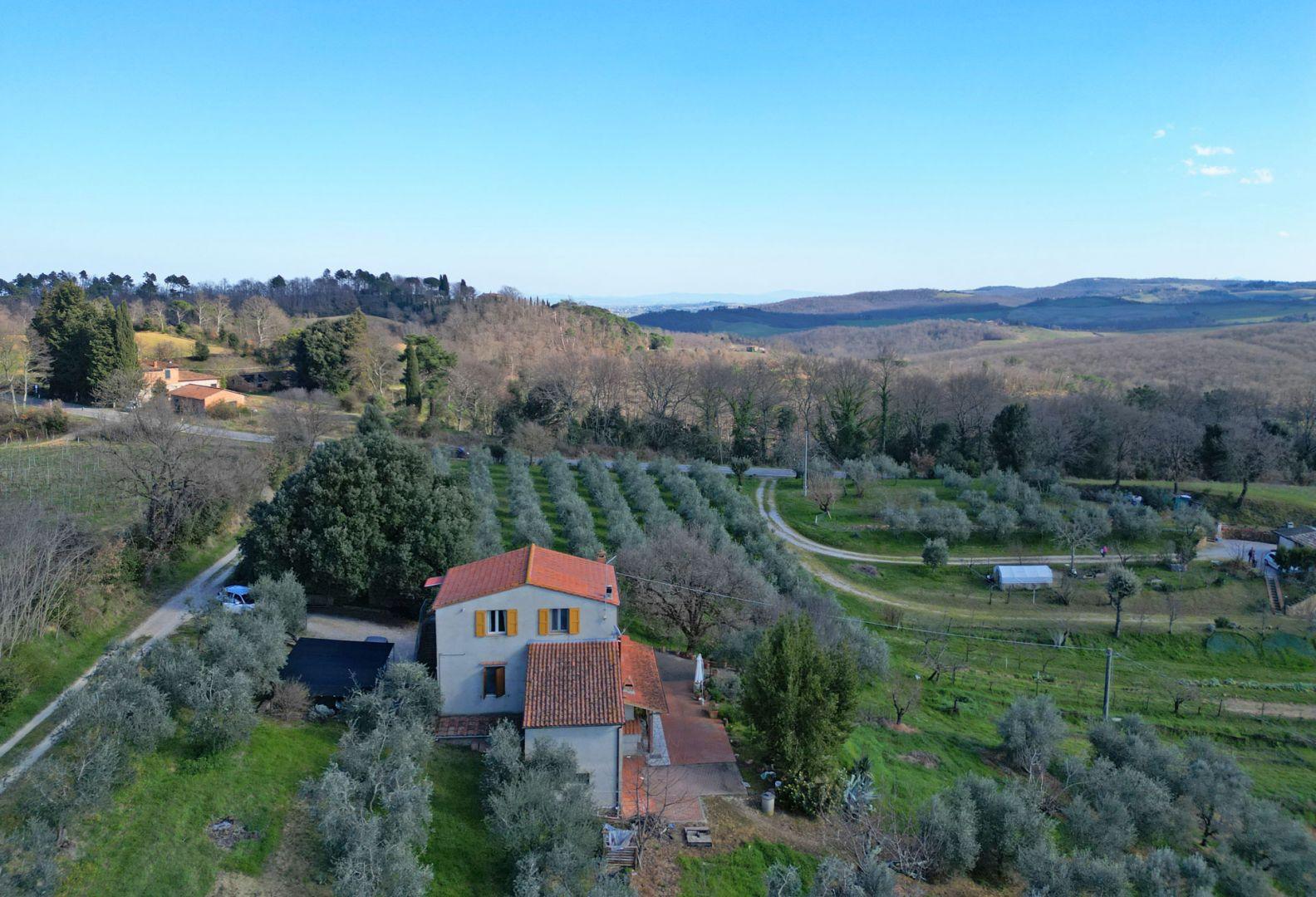
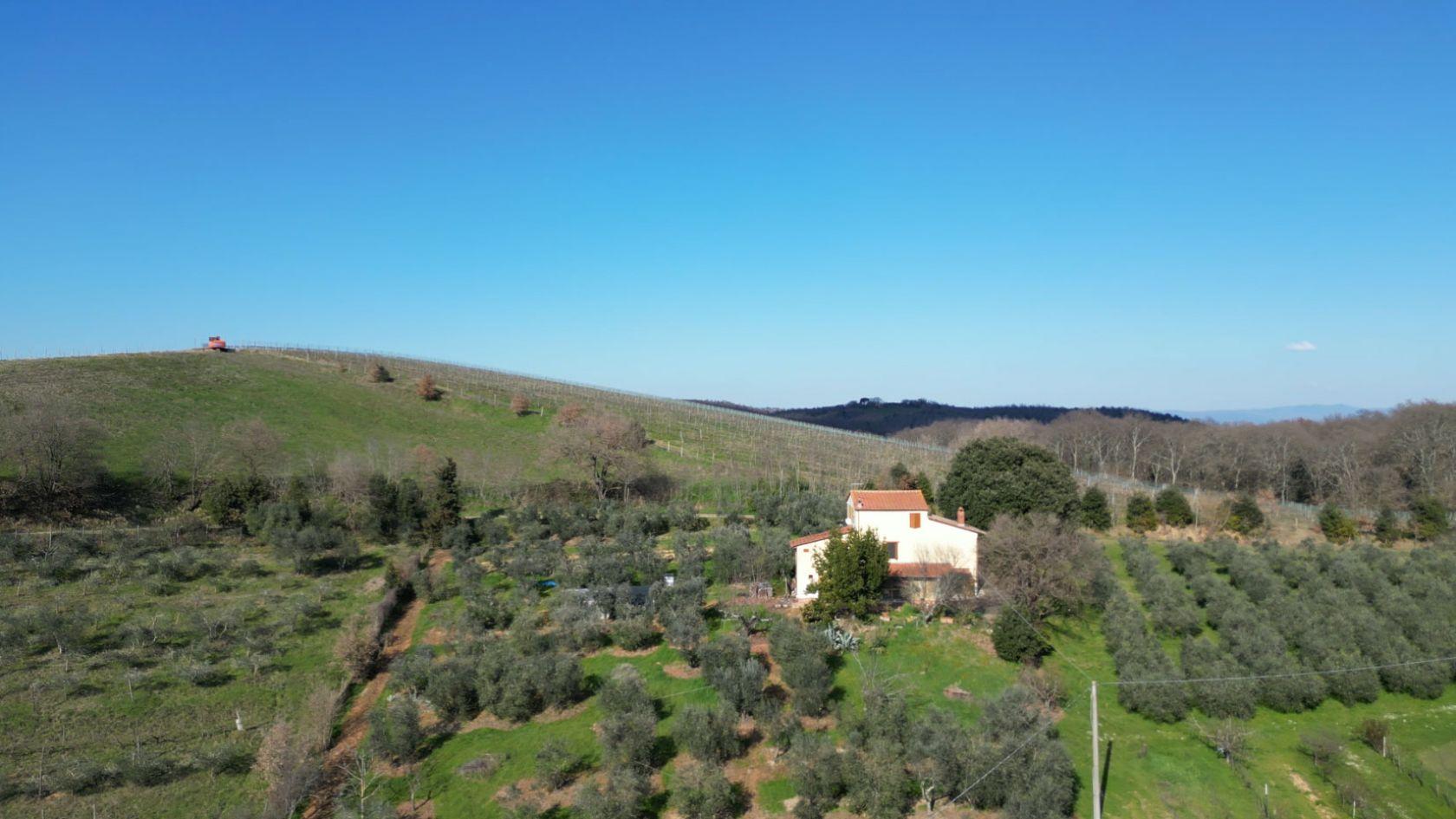
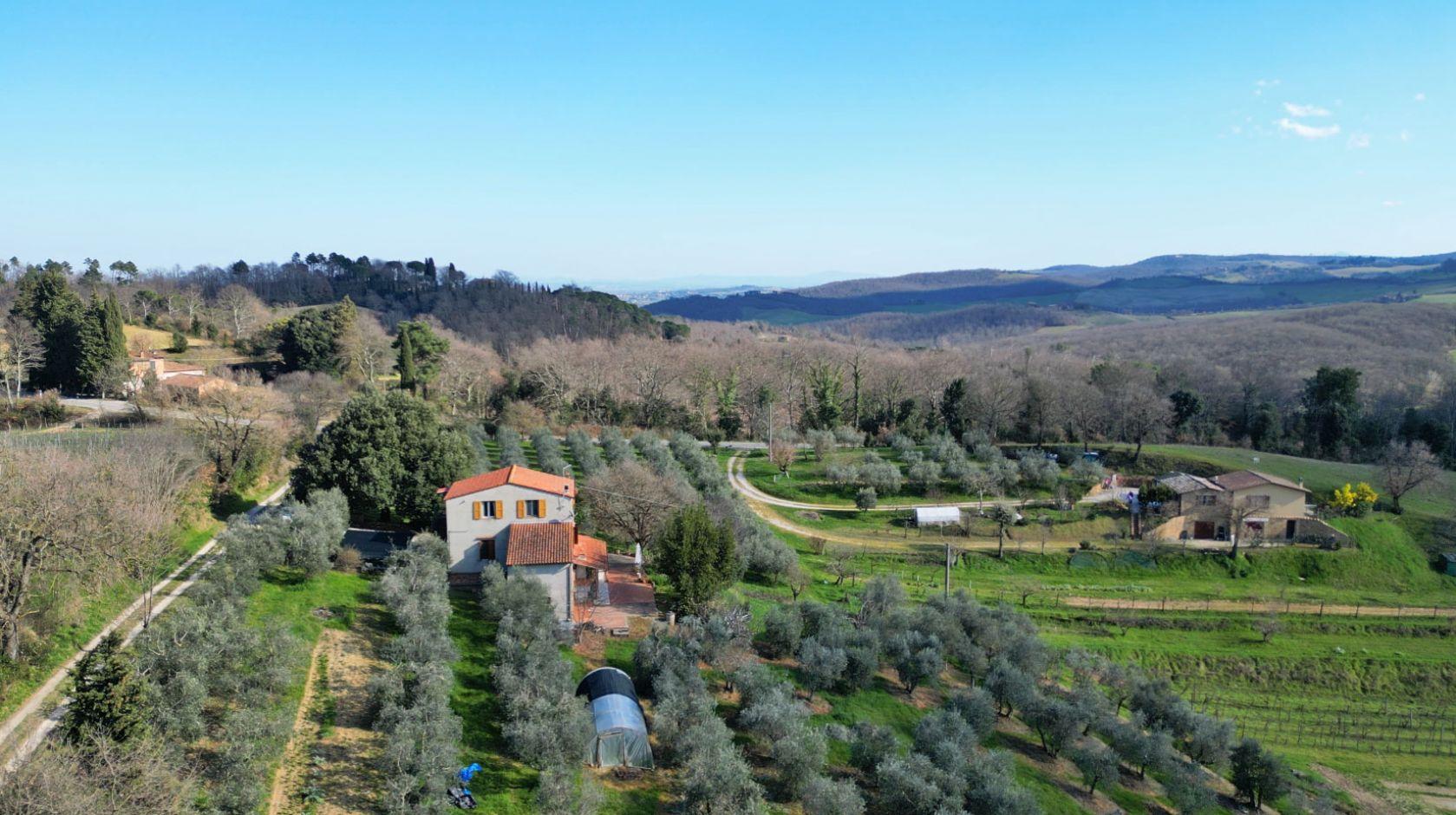
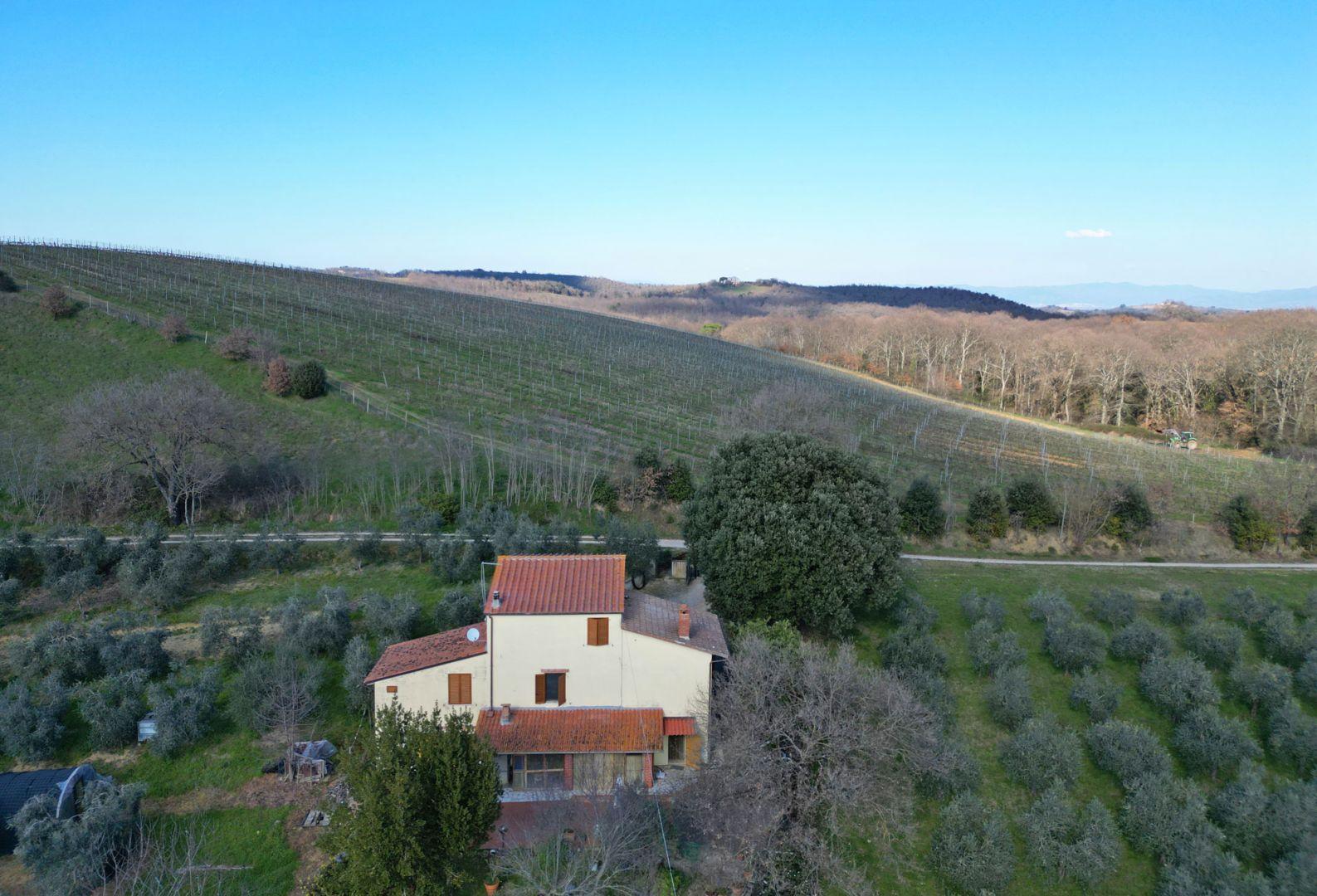
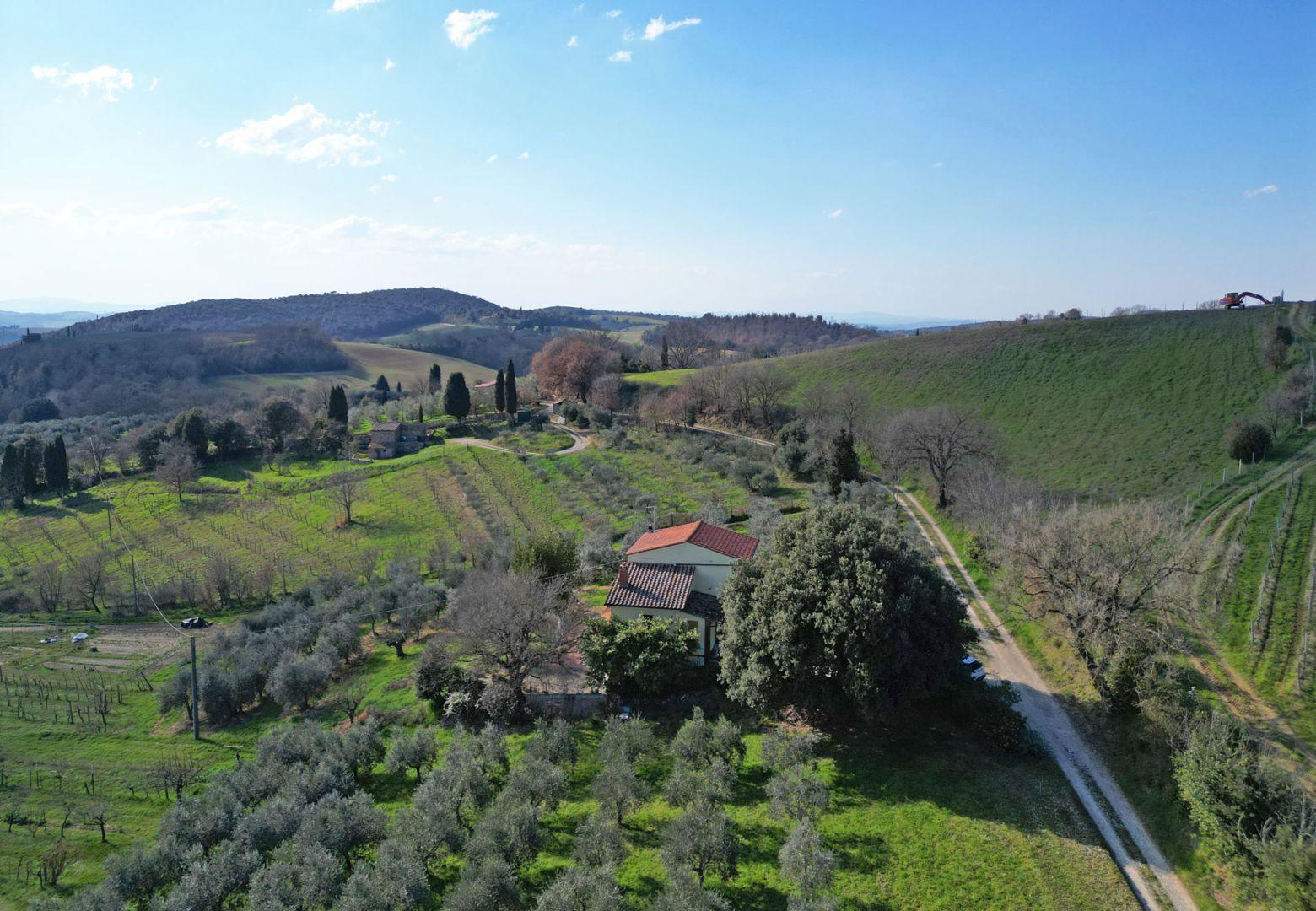
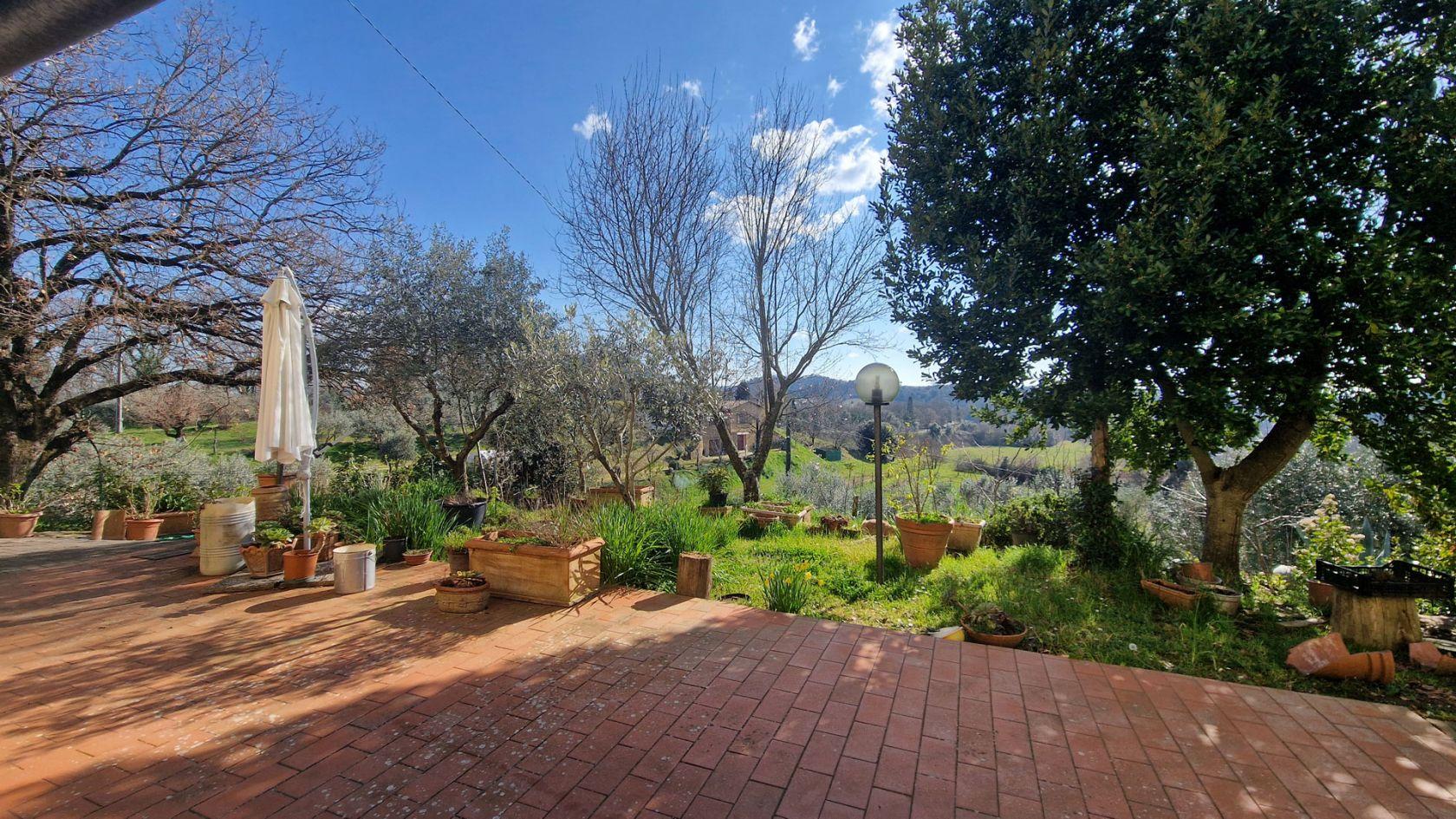
Siena and the surrounding province represent the quintessential image of Tuscany: rolling clay hills, cypress-lined avenues, and world-class vineyards. For a foreign buyer, this region offers a rare combination of high-prestige real estate and a "slow-living" philosophy that is increasingly hard to find in Northern Europe or North America.
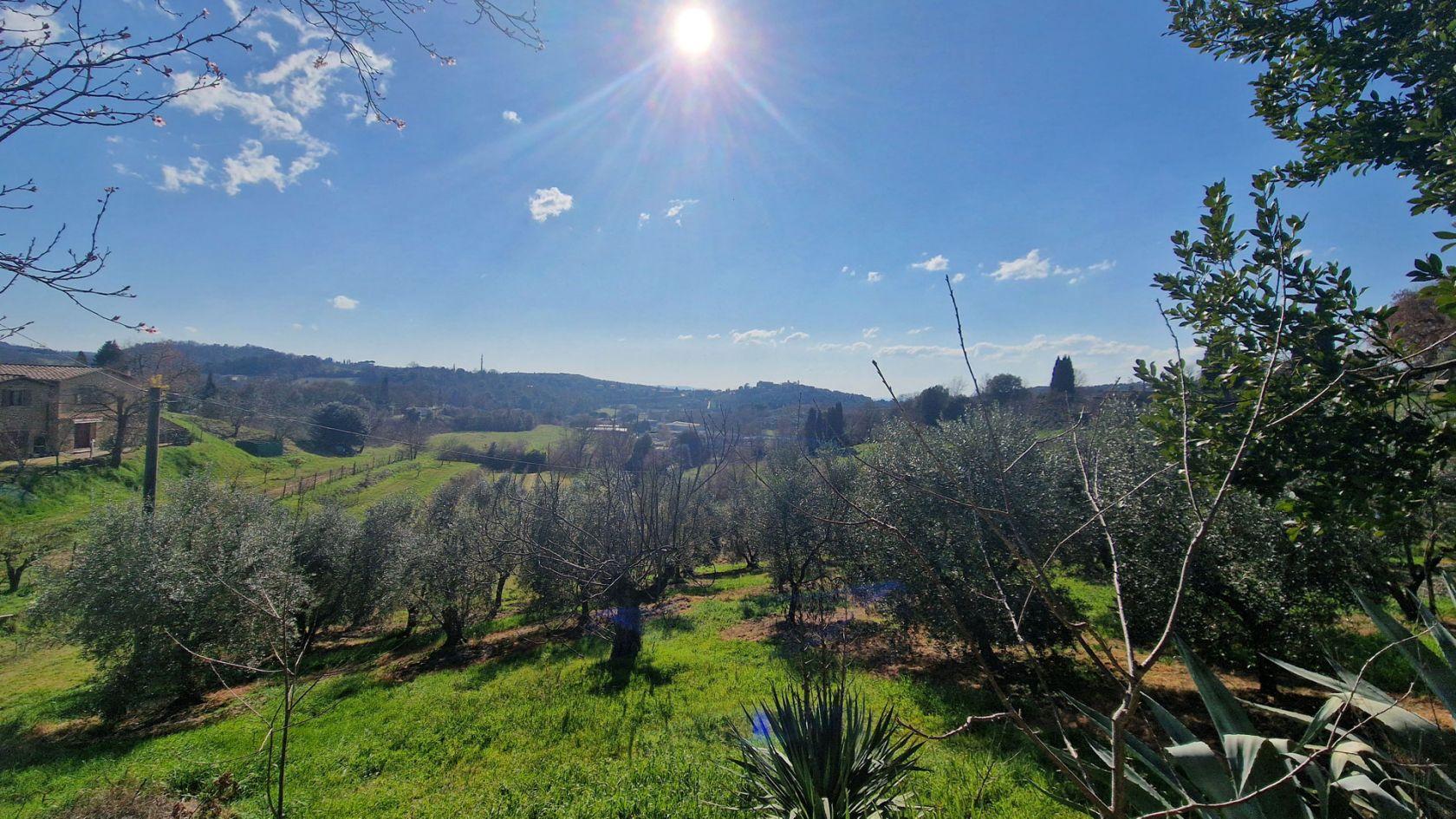
The draw here is twofold: lifestyle and preservation. Unlike the coastal areas, the Sienese countryside (including the Val d’Orcia and Chianti) is strictly protected. This ensures that the view you buy today will likely remain unchanged for decades. It is a blue-chip investment; while prices are high, they are remarkably stable compared to more volatile urban markets.
Climate & Lifestyle
Life in Siena follows the rhythm of the seasons and the agricultural calendar.
- Summer (June-August): Hot and dry, with temperatures often exceeding 30°C (86°F). This is the season of the Palio, Siena’s world-famous horse race, and outdoor village festivals (sagre).
- Winter (December-February): Surprisingly crisp and cold. While snow is rare, frost is common, and many stone villas can feel damp without proper heating.
- The Rhythm: Expect the "siesta" (pausa) between 1:00 PM and 4:00 PM, where shops close and pace slows. The food culture is centered on Cucina Povera—high-quality, simple ingredients like Chianina beef, Pecorino di Pienza, and local olive oil.
Getting There & Around
Siena is well-connected but retains a sense of seclusion.
- Airports: Florence (FLR) is 1 hour away, while Pisa (PSA) is roughly 1 hour 45 minutes. For long-haul flights from outside Europe, Rome Fiumicino (FCO) is a manageable 2.5 to 3-hour drive.
- Driving: A car is essential. The "Firenze-Siena" dual carriageway connects the region, but once you head into the hills, expect narrow, winding "white roads" (strade bianche).
- Public Transport: While trains connect Siena to Florence and Chiusi, rural villa living requires a private vehicle. Rural bus service is infrequent.
Practical Living
For a foreigner, daily life is generally smooth, provided you adjust your expectations regarding bureaucracy.
- Healthcare: Siena is home to the Santa Maria alle Scotte hospital, one of Italy’s top medical facilities. Private clinics are also readily available.
- Schools: Most international families look toward Florence for English-speaking schools, though some local private options exist.
- Digital Connectivity: Fiber-optic internet is widely available in the city center, but rural villas often rely on EOLO (fixed wireless) or Starlink. Always check the signal strength at a property before committing.
Property Considerations
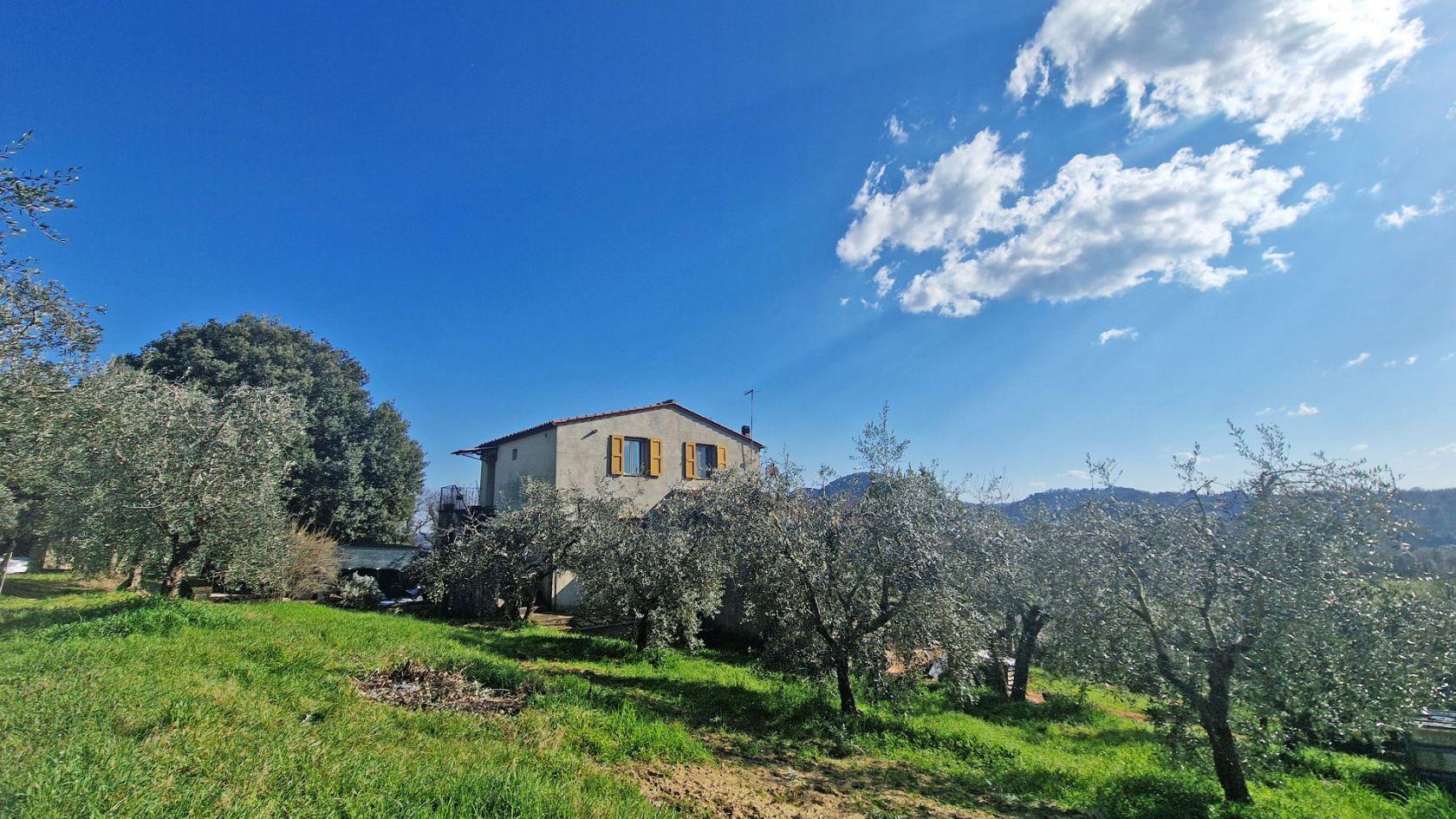
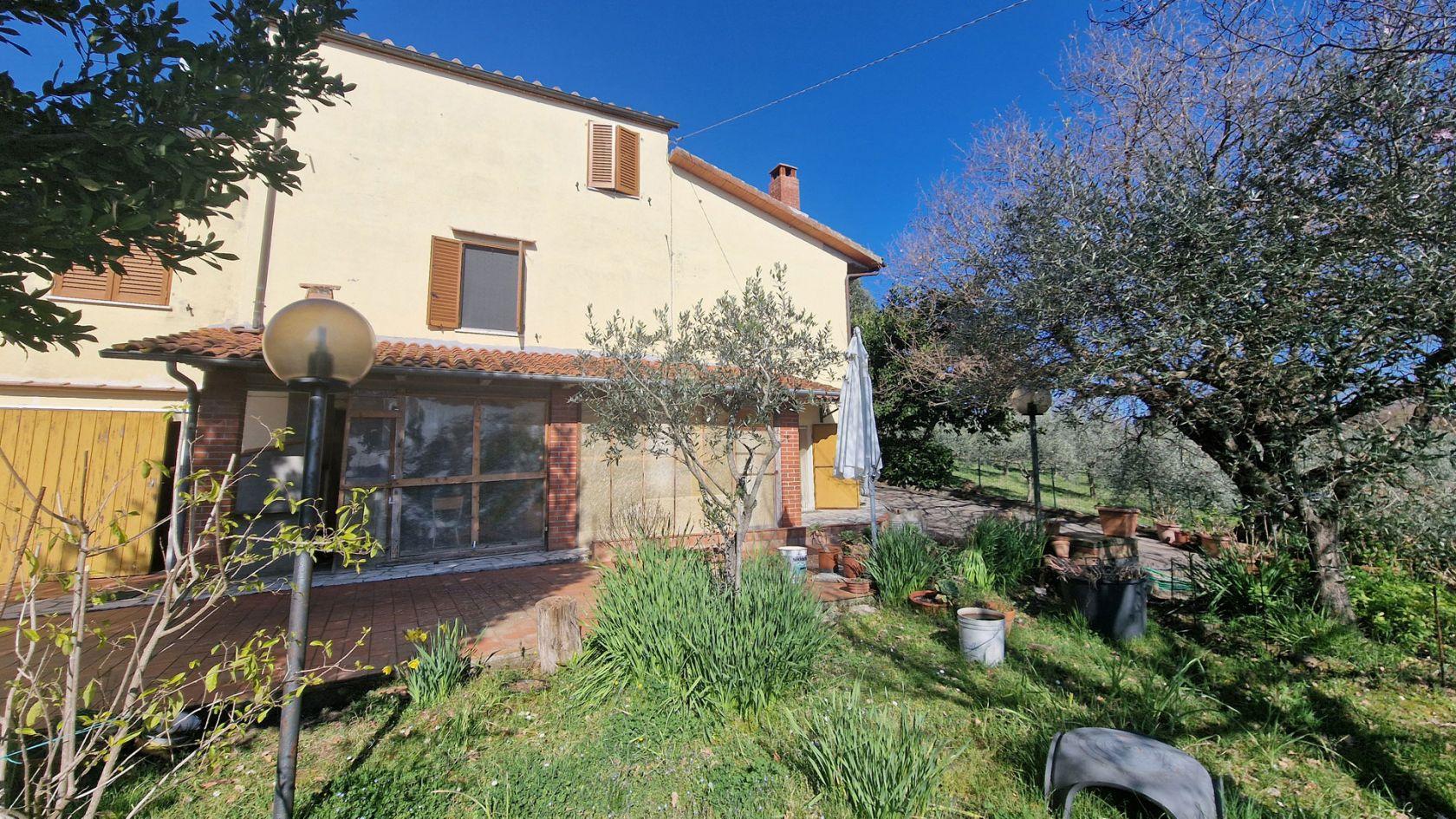
Tuscan villas are primarily stone-built (travertine or sandstone) with terracotta tile roofs and chestnut wood beams.
- The "Muri Maestri" (Main Walls): These are thick and offer great thermal mass, but they lack modern damp-proofing. Rising damp is the #1 issue in older villas.
- Heritage Restrictions: Most rural villas are vincolati (restricted) by the Soprintendenza. This means you cannot change the window sizes, external colors, or structural footprints without rigorous permits.
- Renovation: Costs for high-end renovations typically range from €1,800 to €2,500 per square meter. Skilled stonemasons (muratori) are available but in high demand; planning a project requires patience.
- Risks: While Tuscany is not a high-risk flood zone compared to the plains, check "geological risk" maps for landslide potential on steeply sloped estates.
Buying as a Foreigner
Italy’s buying process is transparent but heavy on paperwork.
- Codice Fiscale: You must obtain a tax code first.
- The Notary (Notaio): A neutral public official who handles the title transfer. They do not represent you, but the State. Hiring an independent lawyer (avvocato) is highly recommended for foreign buyers.
- Taxes: If buying as a non-resident, expect to pay 9% of the cadastral value (not the purchase price) as registration tax. For new builds, 10% VAT usually applies.
- The "Proposta" and "Preliminare": Once you sign the preliminary contract and pay the deposit (caparra), the seller is legally bound. If they back out, they must pay you double your deposit back.
Community & Expat Life
Siena has a sophisticated, quietly affluent expat community (British, American, and Northern European). Unlike the "Chiantishire" of the 1990s, the modern expat in Siena seeks integration rather than isolation.
- The Language: In the city, English is common. In the countryside, you will need basic Italian to communicate with tradesmen and local authorities.
- Integration: The Sienese are traditionally private but deeply loyal once a friendship is formed. Joining a local Contrada (neighborhood association) or participating in the olive harvest is the fastest way to gain local respect.
- Watch Out For: Avoid being the "absentee owner" who never visits. Locals value "presidio"—the idea of looking after the land. A well-maintained garden and vineyard go a long way in building goodwill with your neighbors.