Why Montaione (Firenze), Italy
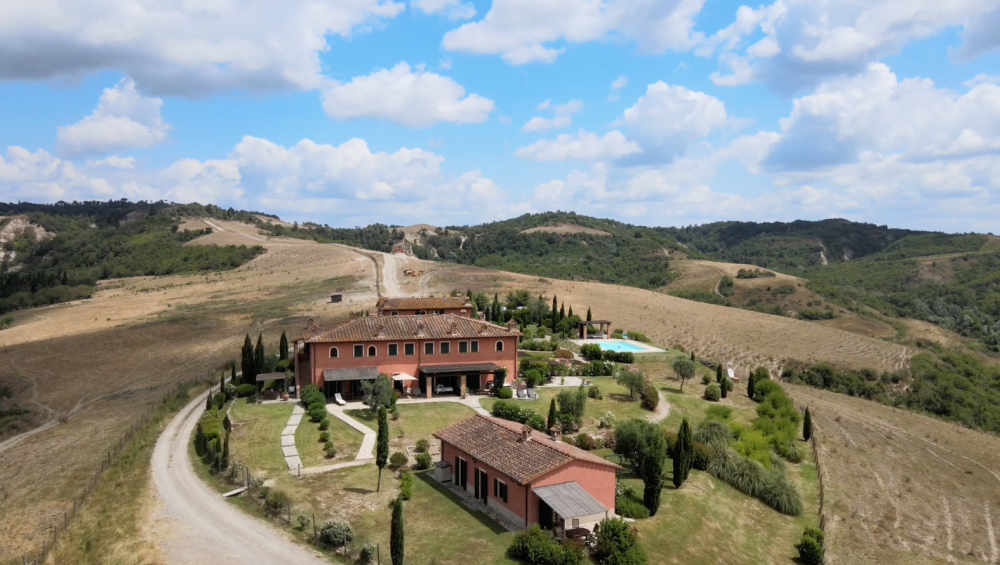
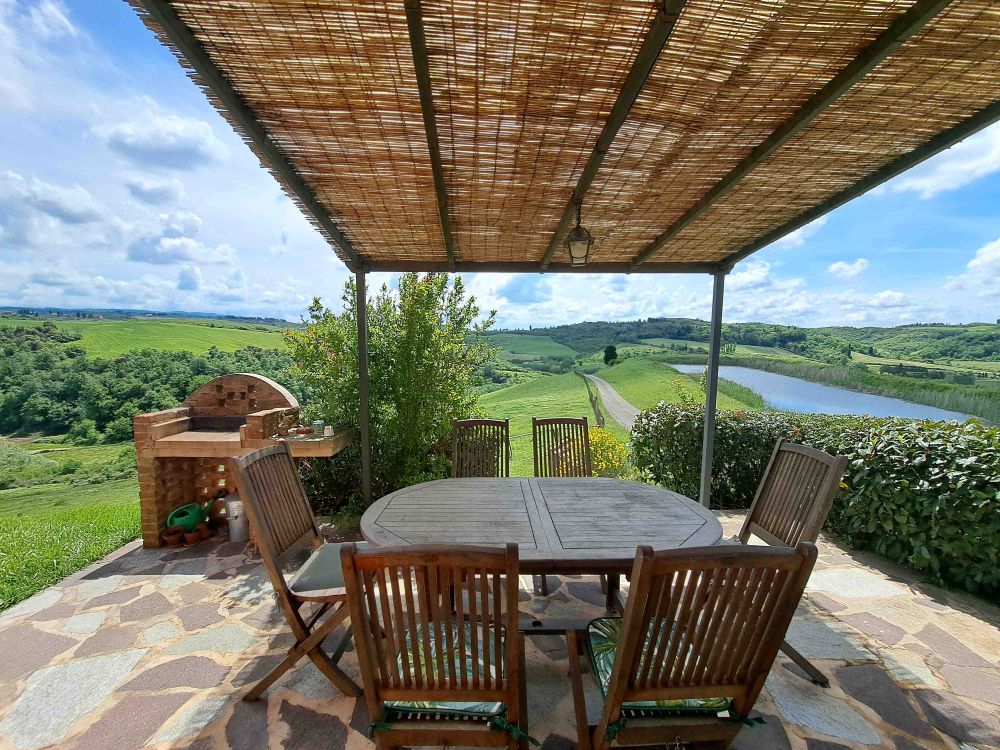
Montaione represents the "Golden Triangle" of Tuscany—the intersection of Florence, Pisa, and Siena—without the inflated price tags of the Chianti Classico region. For many foreign buyers, Montaione offers the quintessential Tuscan dream: rolling hills draped in vineyards, olive groves, and medieval hilltop skylines.
It is attractive because it offers a sense of seclusion and "slow living" while being strategically positioned. It is an ideal spot for an investment property; the area has a high demand for luxury villa rentals due to its proximity to the prestigious Castelfalfi golf resort and the truffle-rich forests of San Miniato.
Climate & Lifestyle
Life in Montaione follows the rhythm of the seasons and the agricultural calendar.
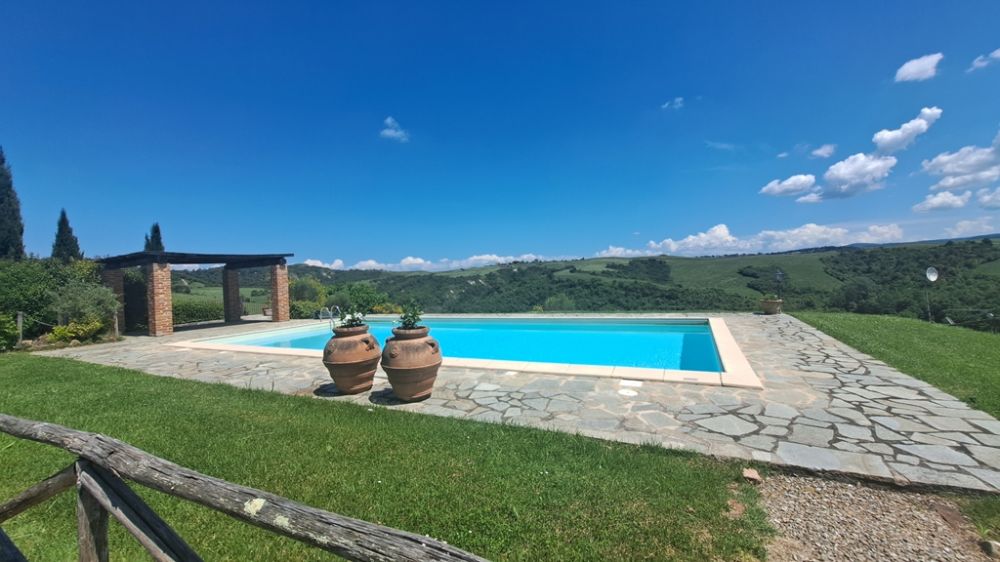
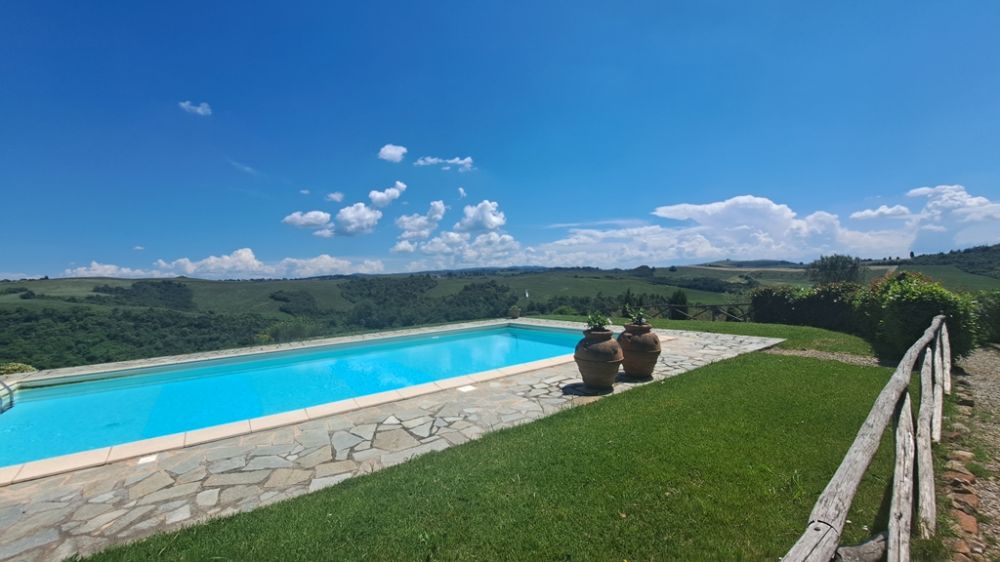
- Spring & Summer: Expect vibrant greens turning to gold, with temperatures ranging from 25°C to 35°C. July and August are hot, making a villa with a pool essential.
- Autumn: This is the local "Golden Age"—harvest season for grapes and olives, and peak truffle season.
- Winter: It is quieter and crisper. While snow is rare, temperatures can dip toward freezing at night, and many locals retreat to cozy trattorias featuring cinghiale (wild boar) and local red wines.
The lifestyle is social and outdoorsy. Expect long lunches and an emphasis on farniente (the sweetness of doing nothing), though you will find the town bustling during the Tuesday morning markets.
Getting There & Around
Montaione is exceptionally well-connected for a rural location:
- Airports: Pisa International (PSA) and Florence Peretola (FLR) are both roughly 50–60 minutes away by car.
- Driving: You are 50 minutes from Florence, 45 minutes from Siena, and 25 minutes from the towers of San Gimignano.
- Public Transport: A car is non-negotiable. While there are buses, they are infrequent. The nearest train station is in Castelfiorentino (15 mins), providing direct links to Florence and Siena.
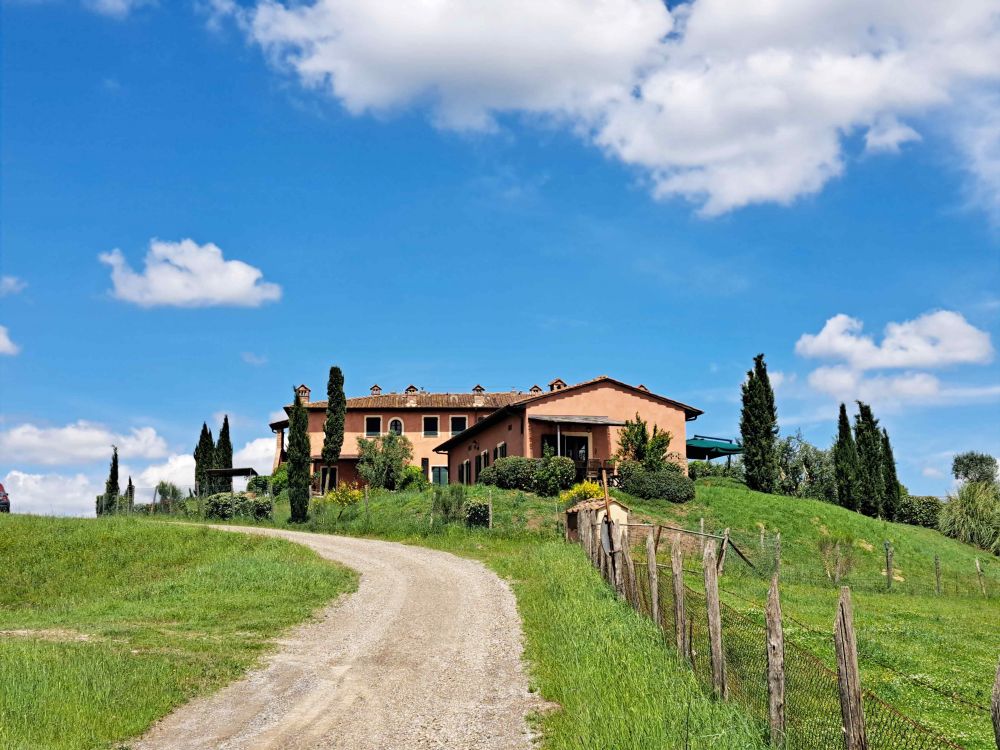
- Roads: Generally well-maintained, though the "white roads" (strade bianche) leading to many private villas are unpaved gravel. Ensure any property viewings include a check on road access for low-clearance vehicles.
Practical Living
Daily life is surprisingly convenient for a town of 3,500 people.
- Amenities: Montaione has several cooperatives and supermarkets (e.g., Coop). For "big box" shopping, Empoli or Castelfiorentino are nearby.
- Healthcare: There is a local pharmacy and a medical clinic for basics. The world-class hospitals of Florence/Pisa are within an hour’s rush.
- Connectivity: High-speed fiber is increasingly available in the town center, but rural villas often rely on EOLO (fixed wireless) or Starlink. Always check the signal during a viewing if you plan to work remotely.
- Education: There are no international schools in Montaione; the nearest are the International School of Florence or those in Pisa.
Property Considerations
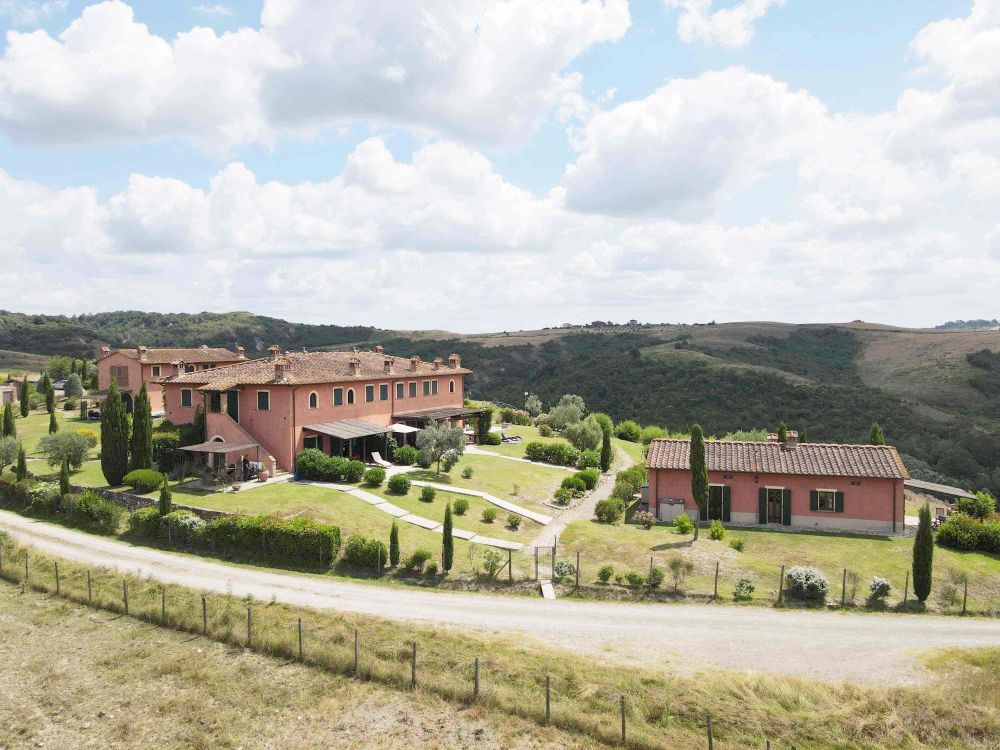
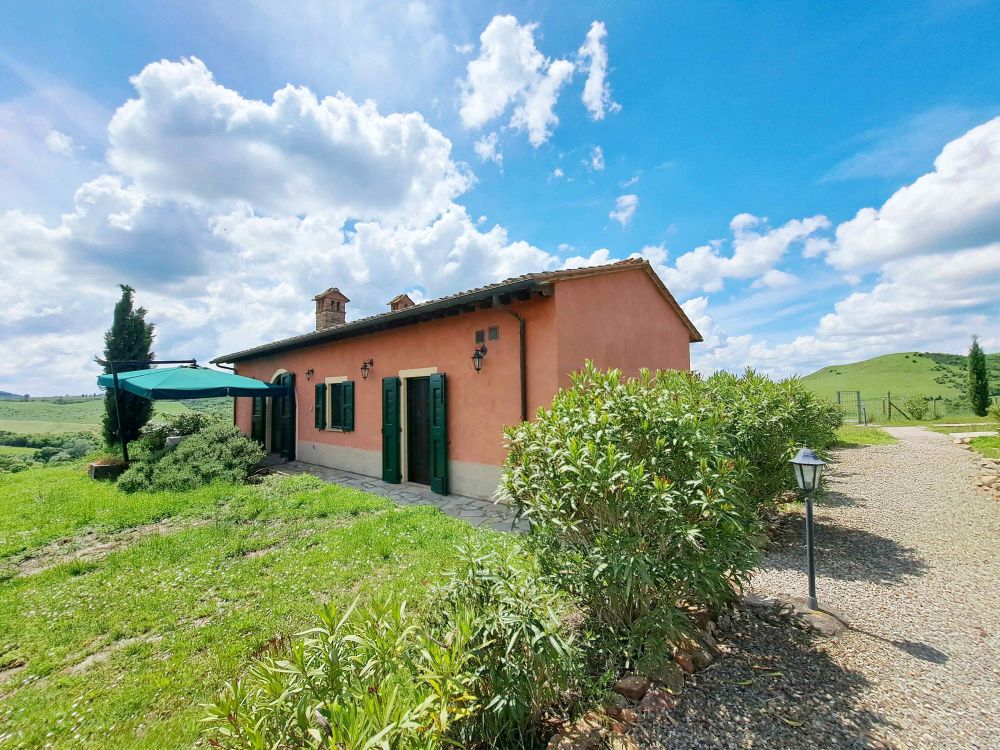
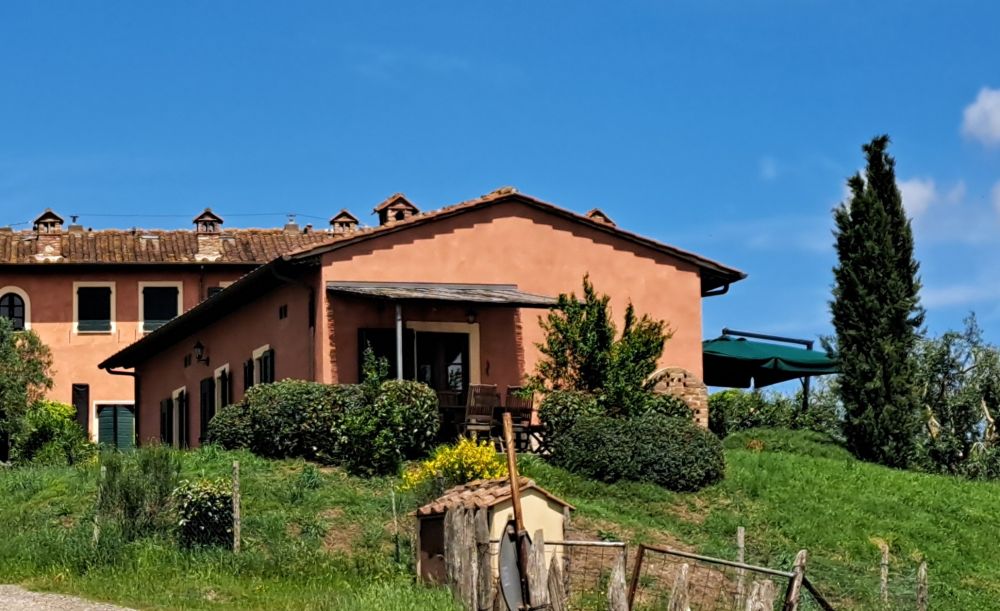
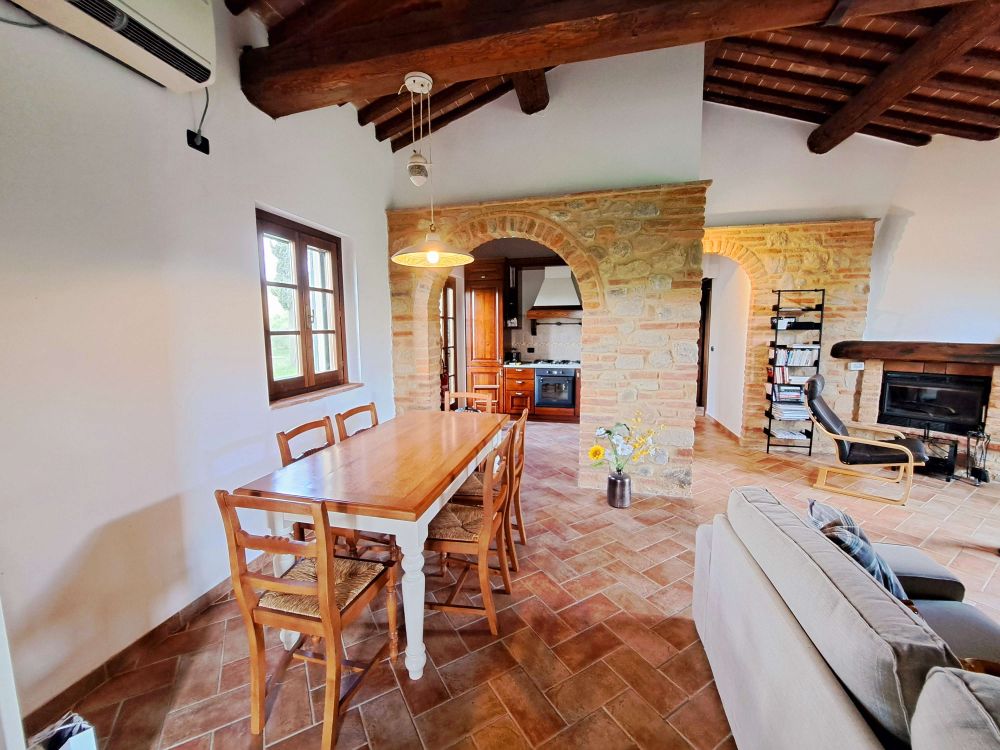
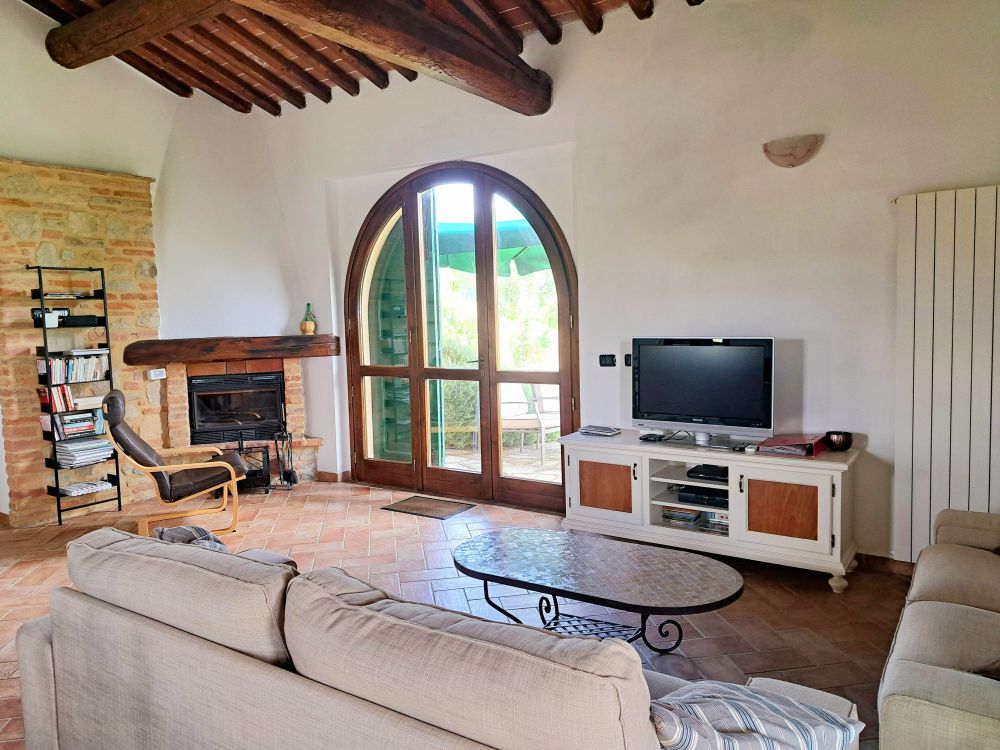
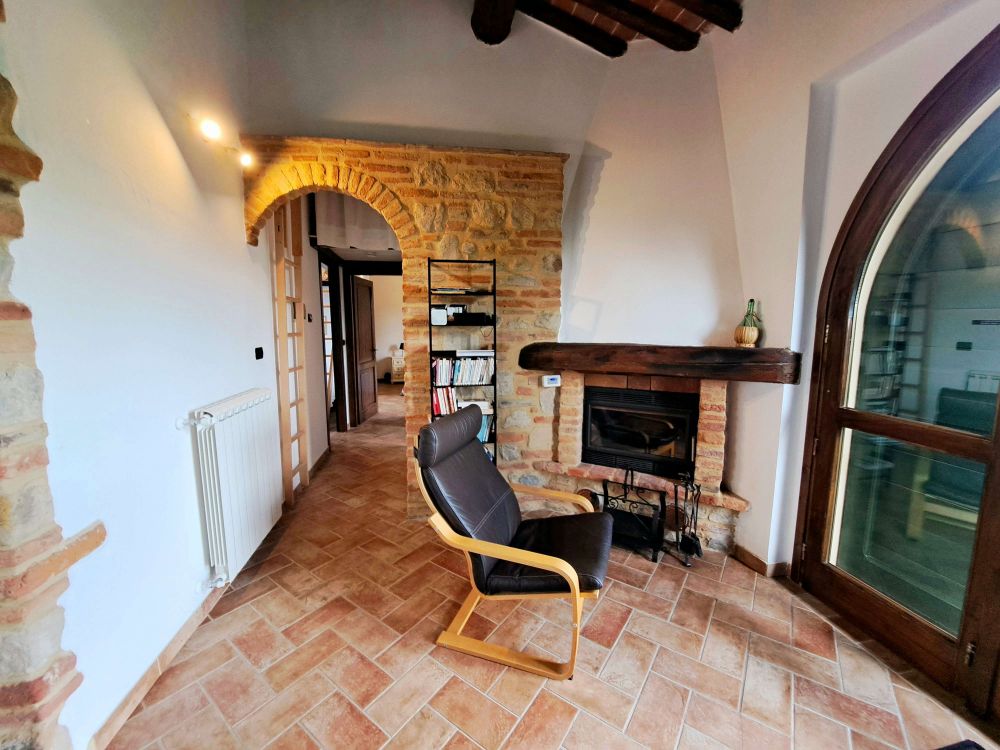
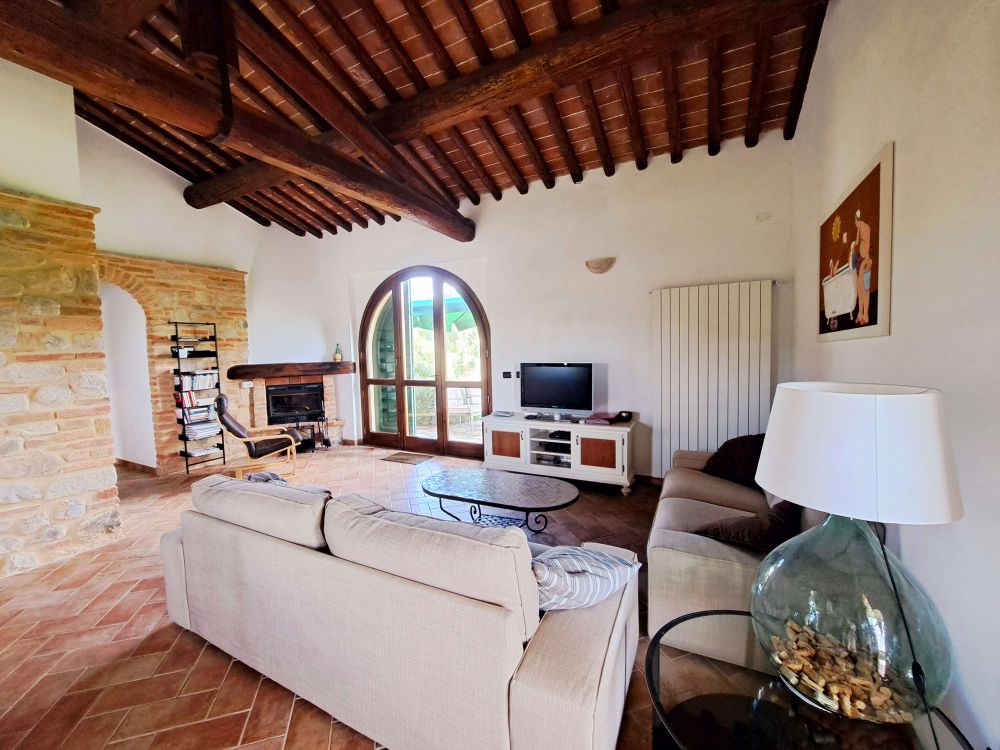
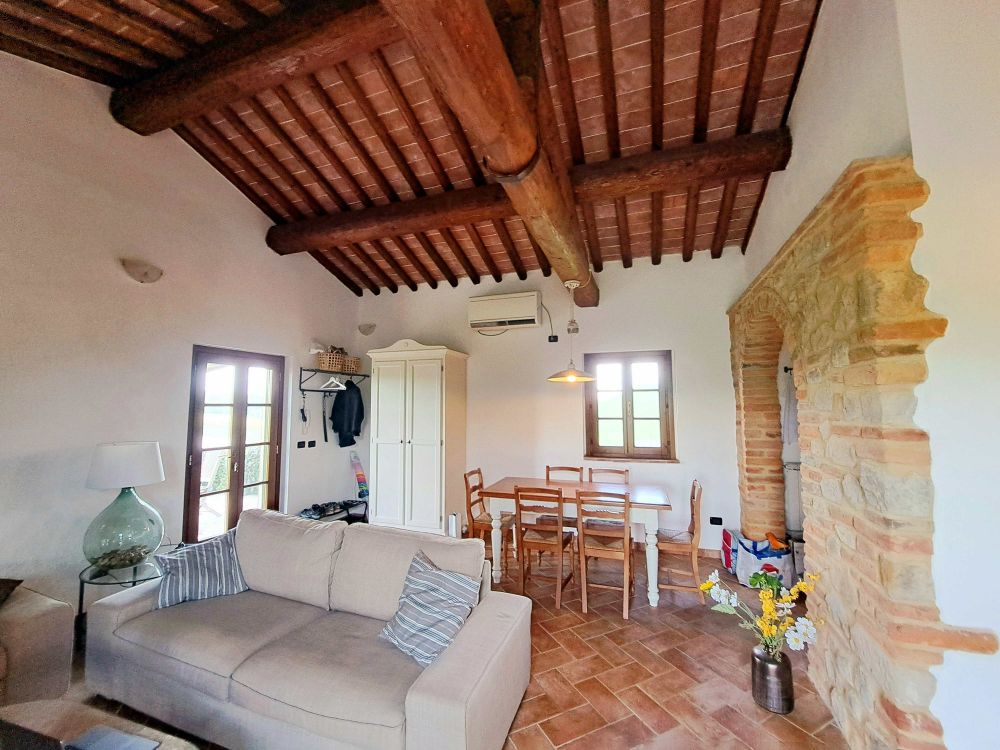
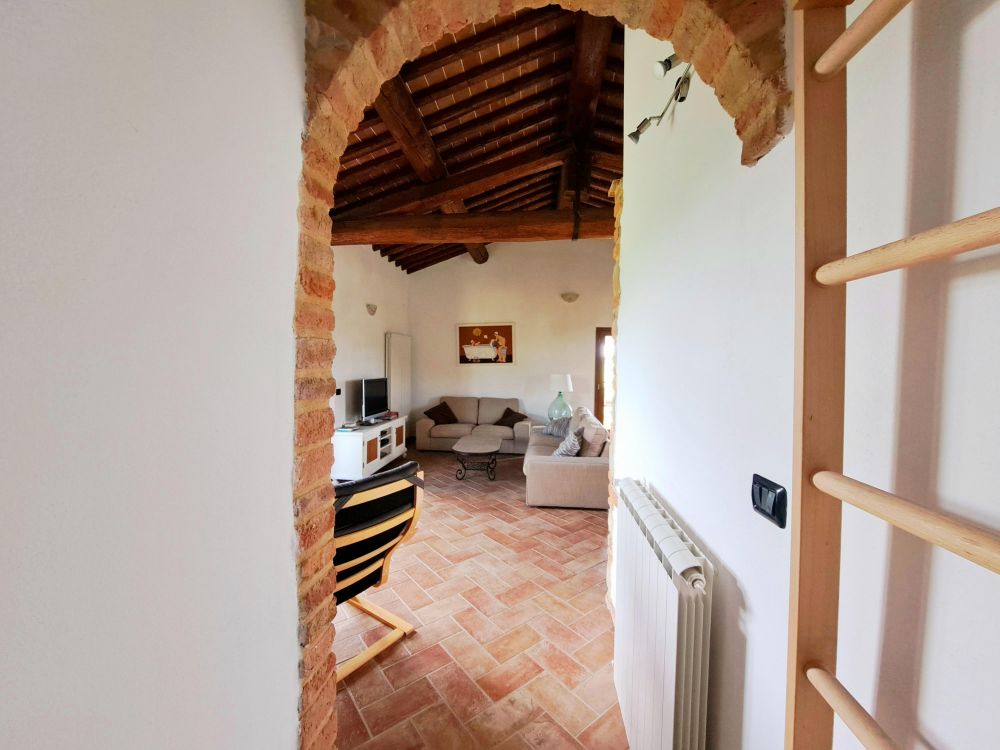
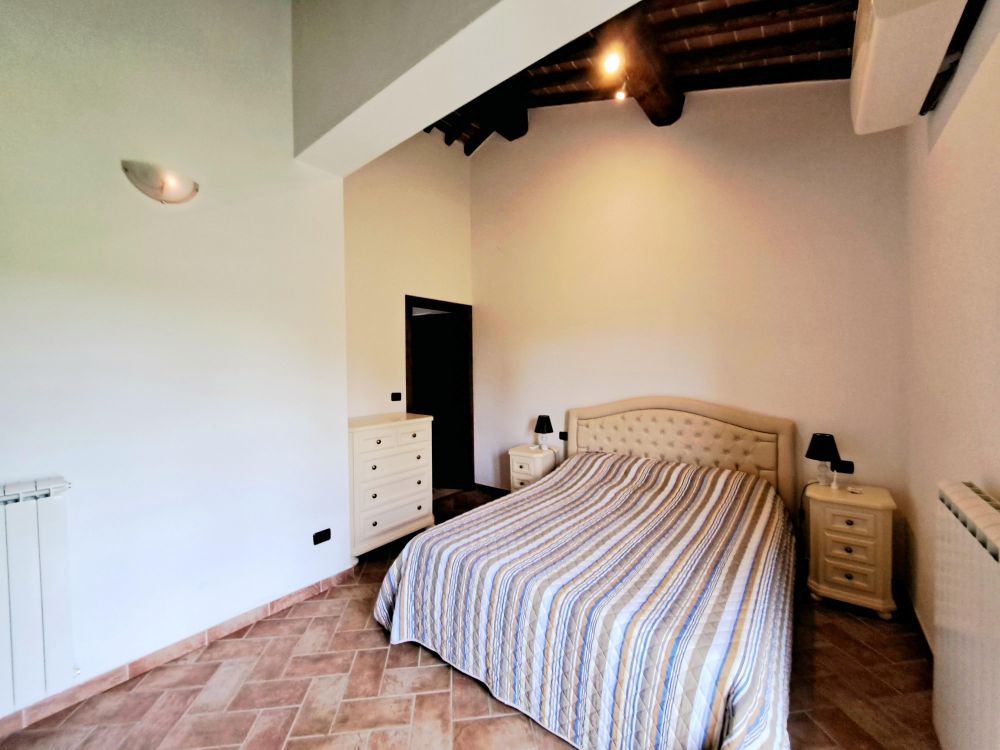
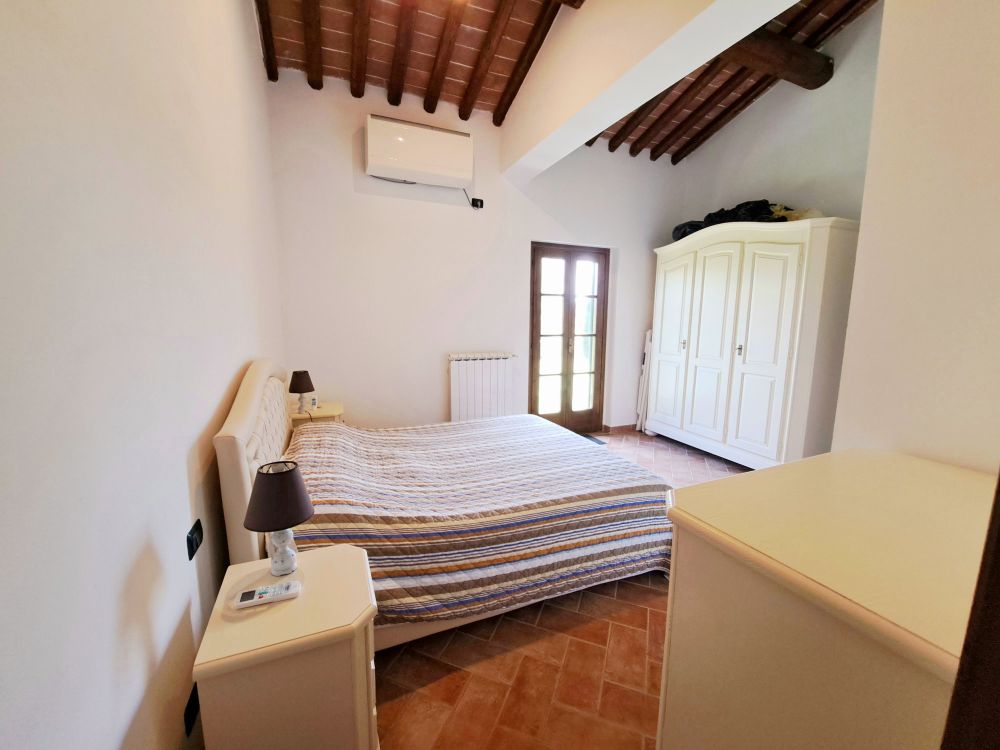
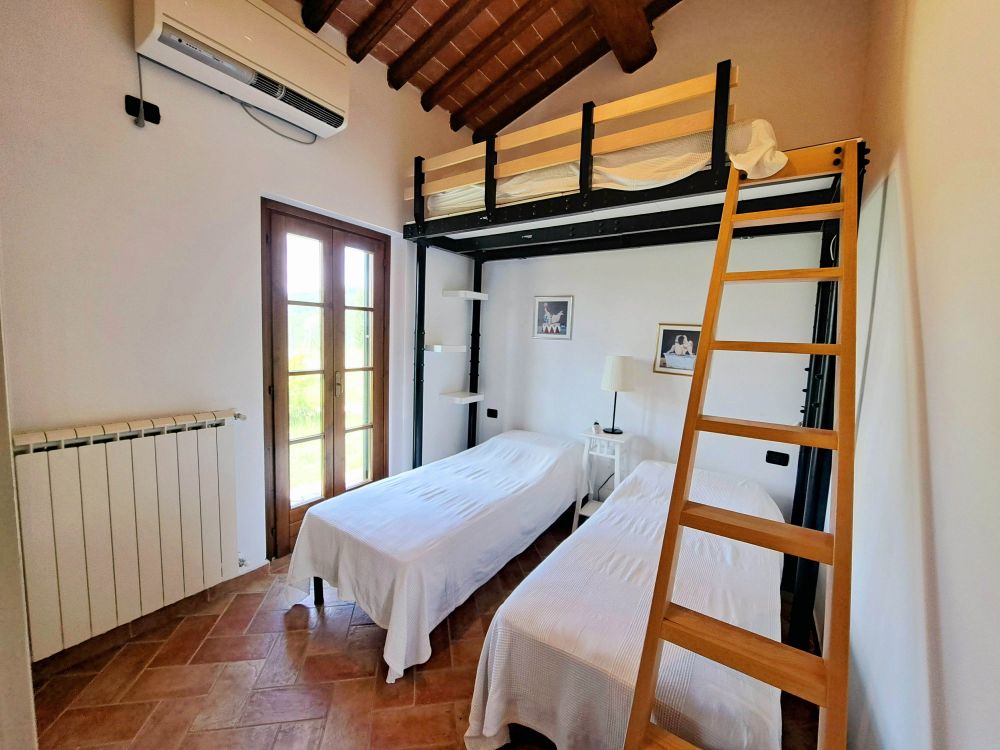
Villas here are typically Casali (farmhouses) built from local stone and terra cotta.
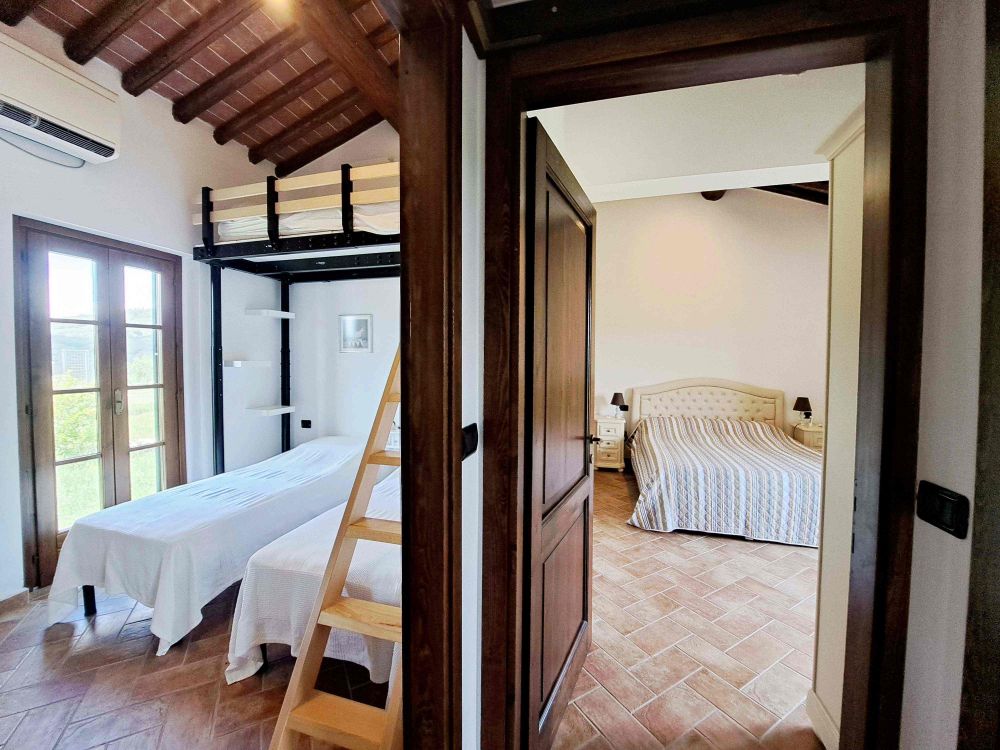
- The Build: Look for original cotto floors and chestnut wood beams.
- The Watchlist:
- Humidity: Rising damp is the most common issue in old stone houses without modern damp-proofing.
- Foundations: Ensure a Geometra (surveyor) checks for structural subsidence, as many villas are built on clay-heavy soil.
- Utilities: Many rural villas use LPG (GPL) tanks for heating, which can be expensive. Solar integration is popular but requires strict aesthetic approval.
- Regulations: Montaione is under "Landscape Restrictions" (Vincolo Paesaggistico). You often cannot change the exterior color, window size, or even the type of tiles without lengthy permit processes. Renovation costs usually range from €1,500 to €2,500 per square meter for high-end finishes.
Buying as a Foreigner
Italy’s buying process is transparent but bureaucratic.
- Codice Fiscale: You must obtain a tax code.
- Proposta d’Acquisto: A formal offer accompanied by a small deposit.
- Compromesso: The preliminary contract where a 10–20% deposit is paid.
- Rogito: The final deed signed before a Notary, who acts for the State, not the buyer.
- Costs: Budget 10–12% of the purchase price for taxes and fees. Non-residents pay higher "Registration Tax" (9% of the cadastral value) than residents (2%).
- Pitfall: Ensure the property has a Relazione Tecnica Integrata (Technical Report) proving that the current state of the house exactly matches the floor plans filed at the land registry. Discrepancies can halt a sale for months.
Community & Expat Life
Montaione has a sophisticated, understated expat community—mostly Northern Europeans and North Americans. It is not an "expat ghetto"; residents are integrated and highly respectful of local traditions.
- Language: While many shopkeepers speak basic English due to tourism, you will need some Italian to navigate utility companies or local bureaucracy.
- Social Life: Integration usually happens through wine, cycling, or the local "Pro Loco" events. The locals are initially reserved but incredibly loyal and helpful neighbors once a relationship is established. Buying a property here is seen as a long-term commitment to the land, and those who try to learn the language are greeted with open arms.