Why Normandy, Orne, France
While coastal Normandy draws the crowds to the D-Day beaches and Mont Saint-Michel, the department of Orne offers a more authentic, aristocratic, and rural experience. Known as "Le Pays d'Auge ornais," it is a land of rolling hills, ancient forests (like Écouves), and world-class equestrian estates.
For a buyer looking for a hotel or a manor house (manoir), Orne offers exceptional value for money compared to the Loire Valley or the Côte d’Azur. It is the heart of French horse breeding (the "Land of the Horse"), home to the National Stud Haras du Pin. Investors are drawn here by the region’s "slow tourism" appeal—think boutique cider farms, boutique wellness retreats, and proximity to Paris (often under 2.5 hours), making it a prime weekend getaway for wealthy Parisians.
Climate & Lifestyle
Lifestyle in the Orne is dictated by the seasons and the soil. The climate is oceanic: mild but damp. You will experience lush, green landscapes year-round, but be prepared for grey skies and frequent rain in the autumn and winter. Summers are pleasant and rarely suffer the extreme heatwaves found in Southern France.
The rhythm of life is quiet and punctuated by weekly markets in towns like Mortagne-au-Perche or Bellême. The local culture revolves around gastronomy—specifically Camembert cheese, calvados (apple brandy), and cider. For a hotelier, this provides an easy "farm-to-table" narrative that appeals strongly to modern tourists.
Getting There & Around
Orne is one of the more accessible rural departments:
- By Car: From Paris, it is a 2 to 2.5-hour drive via the N12 or A13. The port of Caen (Ouistreham) is about 1 hour away, providing easy ferry access to the UK (Portsmouth).
- By Rail: Direct trains run from Paris Montparnasse or Saint-Lazare to towns like Argentan, Alençon, and Flers.
- Airports: Paris Charles de Gaulle (CDG) and Orly are the main hubs. For private aviation or smaller European hops, Caen-Carpiquet or Deauville-Normandie airports are closer.
- Roads: Road quality is generally excellent, though rural lanes are narrow. A car is an absolute necessity here; public transport between villages is minimal.
Practical Living
For a foreigner, daily life in Orne is comfortable but requires some adaptation:
- Connectivity: Fiber optic internet (La Fibre) is being rolled out rapidly across the Perche and Orne regions, but always verify the connection for a specific manor house before buying.
- Healthcare: Alençon and Argentan have modern hospitals. However, like much of rural France, there is a shortage of GPs (déserts médicaux), so finding a local family doctor can take time.
- Education: International schools are rare within Orne; most expats choose local French schools for immersion or look toward Caen or Paris for international curricula.
- Shopping: Large "Hypermarches" (Leclerc, Carrefour) are located on the outskirts of main towns, while villages maintain excellent artisanal bakeries and butchers.
Property Considerations
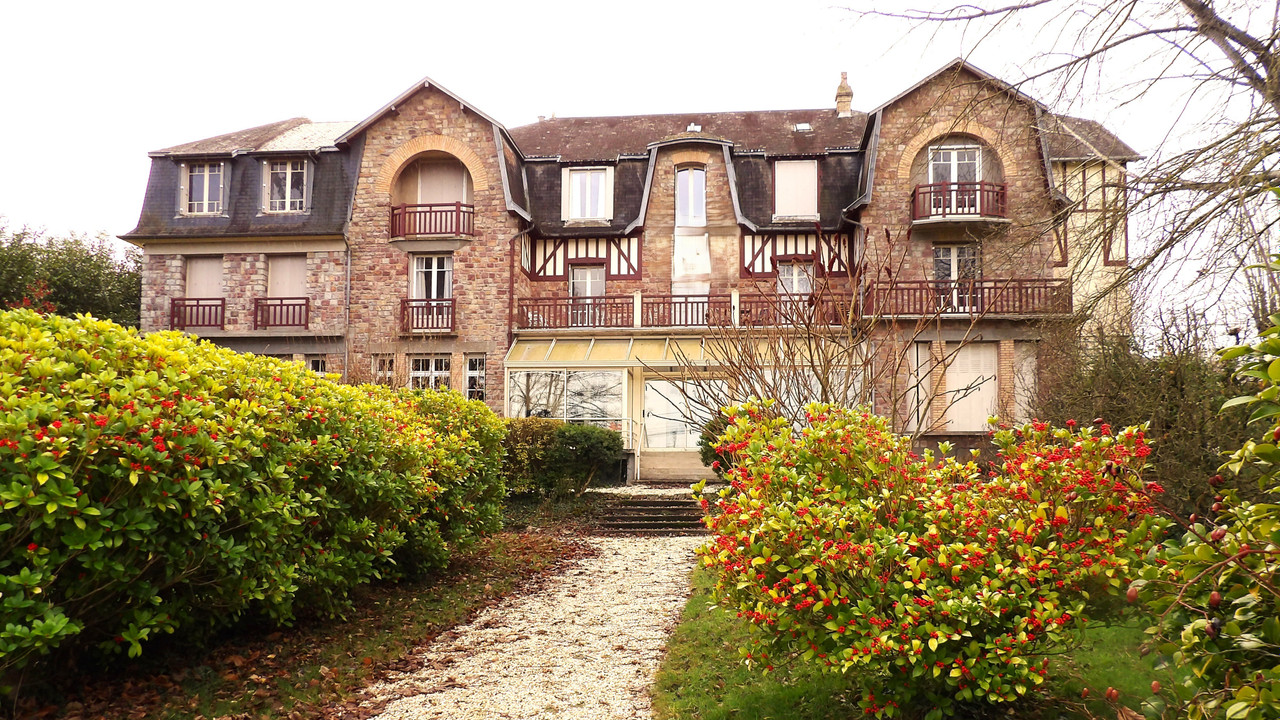
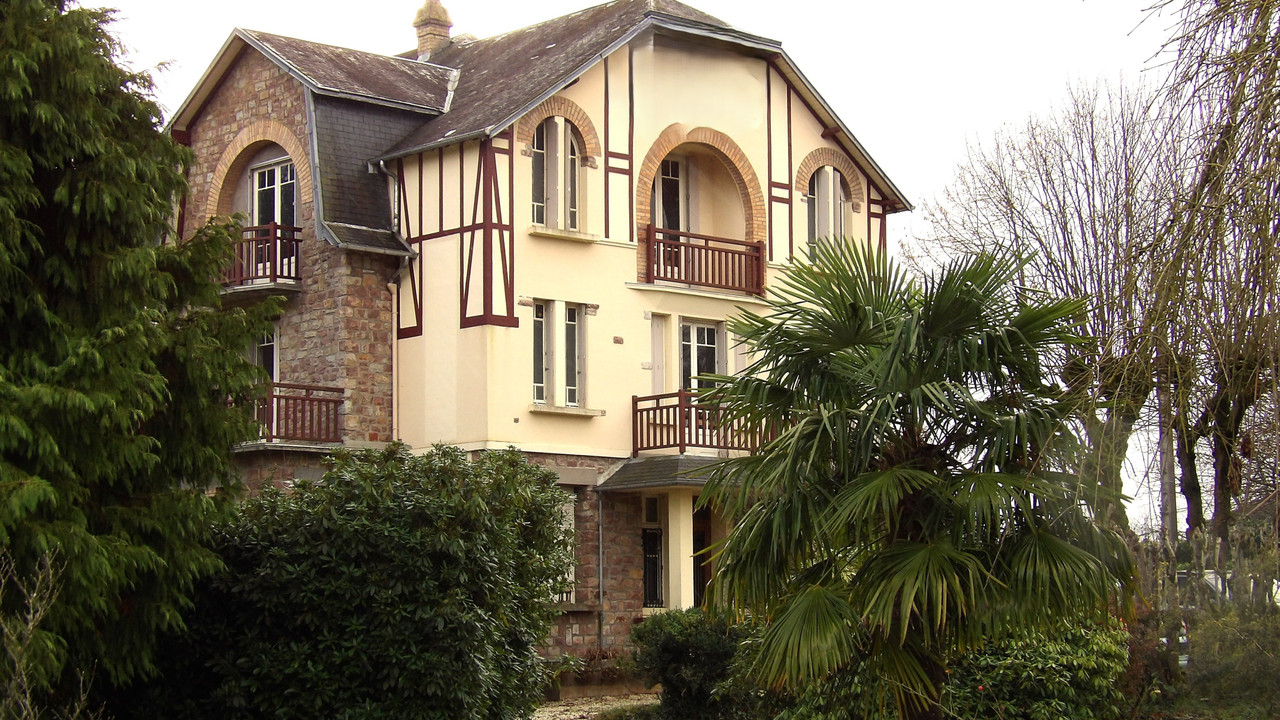
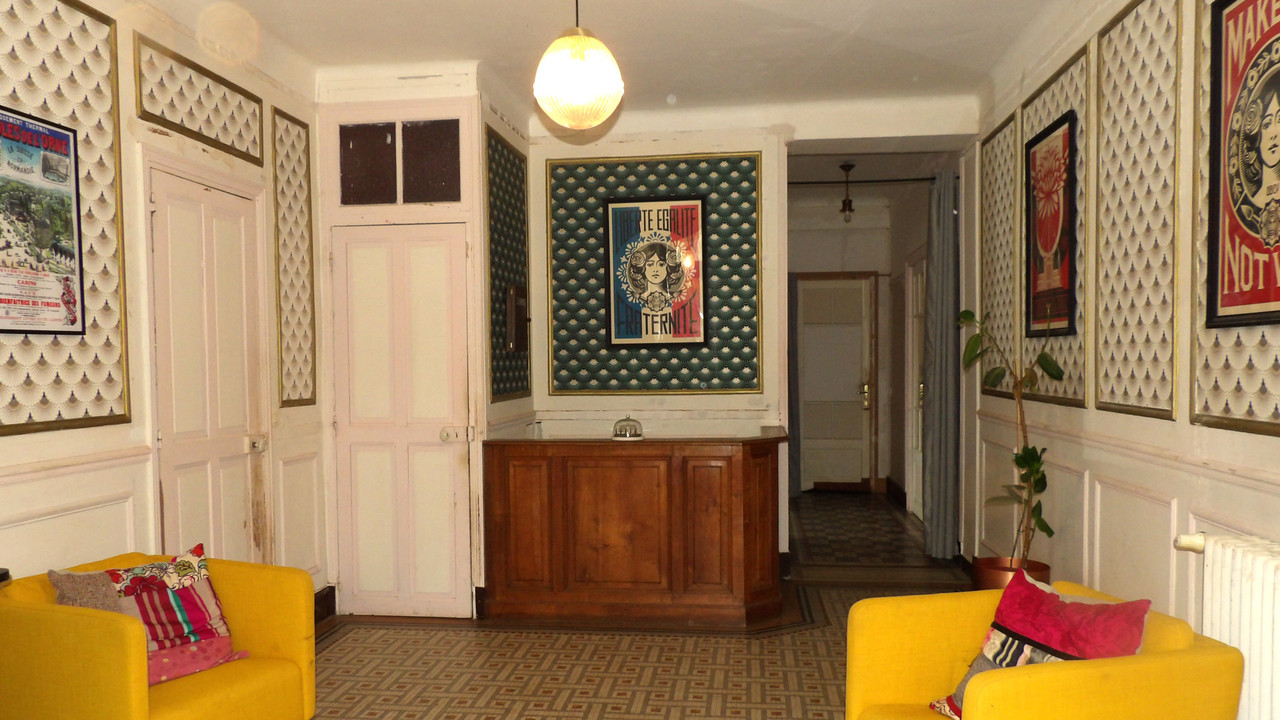
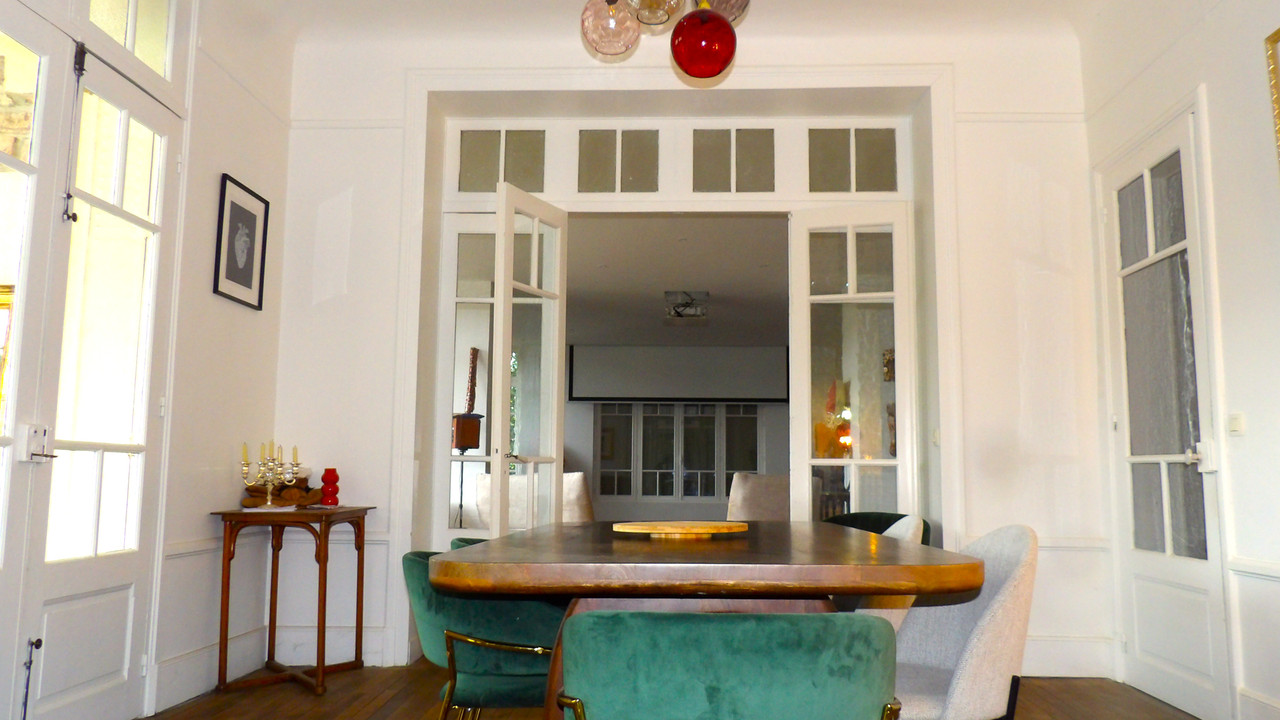
Manors in Orne are typically built from limestone or schist with slate or clay tile roofs. While stunning, they require specialized maintenance.
- Humidity: This is your biggest enemy. Older stone buildings without "vide sanitaire" (crawl spaces) often suffer from rising damp. Ensure the cellar is well-ventilated.
- Heating: Many manors still rely on expensive oil heating (fioul). Transitioning to heat pumps or biomass boilers is a significant but necessary investment.
- Heritage Restrictions: If the property is a Monument Historique or "Inscrit," you may be eligible for tax breaks on renovations, but every nail you hammer will require Architecte des Bâtiments de France (ABF) approval.
- Renovation: Artisan tradespeople (artisans) in Normandy are highly skilled but in high demand. Expect long lead times and high costs for authentic materials like lime plaster or handmade tiles.
Buying as a Foreigner
The French buying process is highly regulated and secure:
- The Notaire: The Notaire acts for the state, ensuring the title is clear. We recommend appointing your own Notaire (it costs the same as sharing the seller's) who speaks English.
- The Process: You start with a Compromis de Vente (sales agreement) followed by a 10-day cooling-off period. Completion usually takes 3-4 months.
- Costs: Budget an additional 7% to 8% of the purchase price for "notary fees," which are actually mostly property transfer taxes.
- Non-Residents: There are no restrictions on foreigners buying property. However, if you are a non-EU citizen, you will need a visa for stays longer than 90 days.
Community & Expat Life
Orne has a sophisticated expat community, particularly around the Perche National Park. It attracts a mix of British, Dutch, and "weekend" Parisians. Unlike some coastal areas, Orne hasn't been "overrun"; it remains very French.
- Language: To run a hotel, French is essential. While locals are welcoming, the bureaucracy and trade interactions require a working knowledge of the language.
- Integration: The best way to integrate is through local events—horse shows, communal dinners, and the "Mairie" (town hall) functions. Being a "manor owner" carries a certain social weight; showing an interest in the history of the house will quickly win over your neighbors.