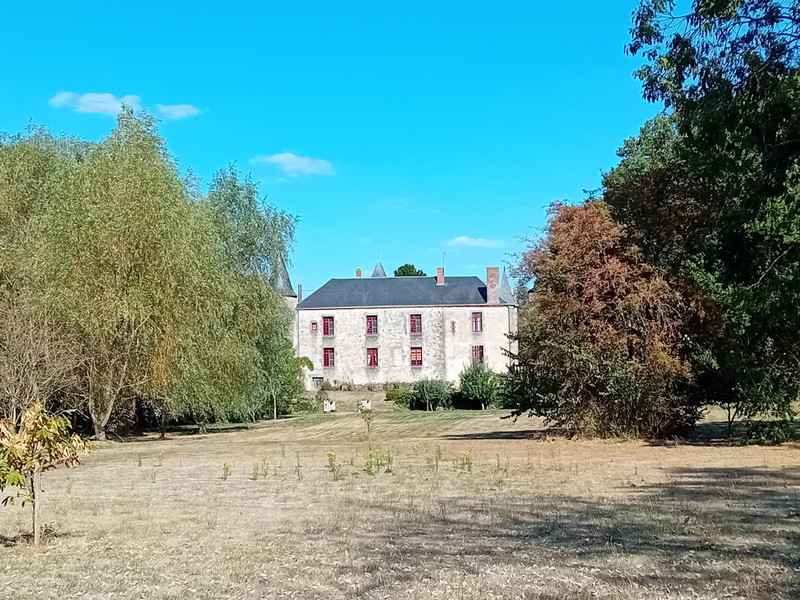
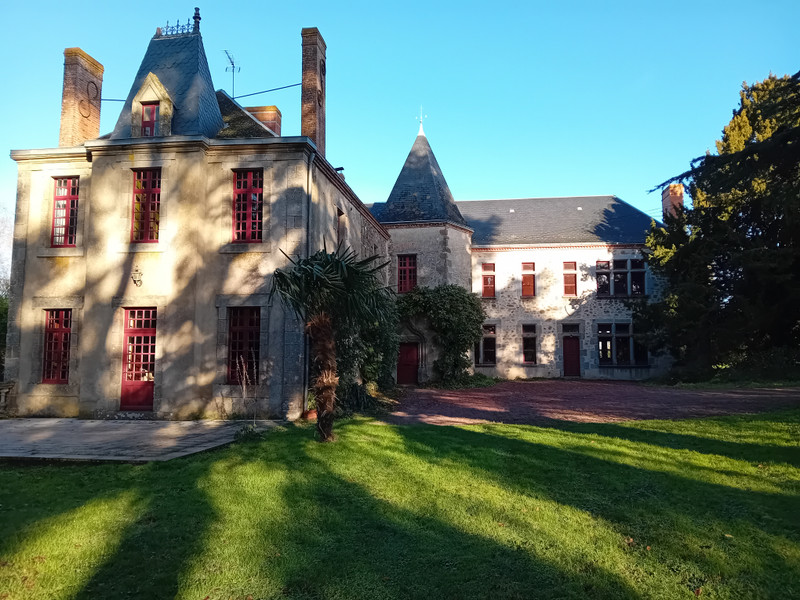
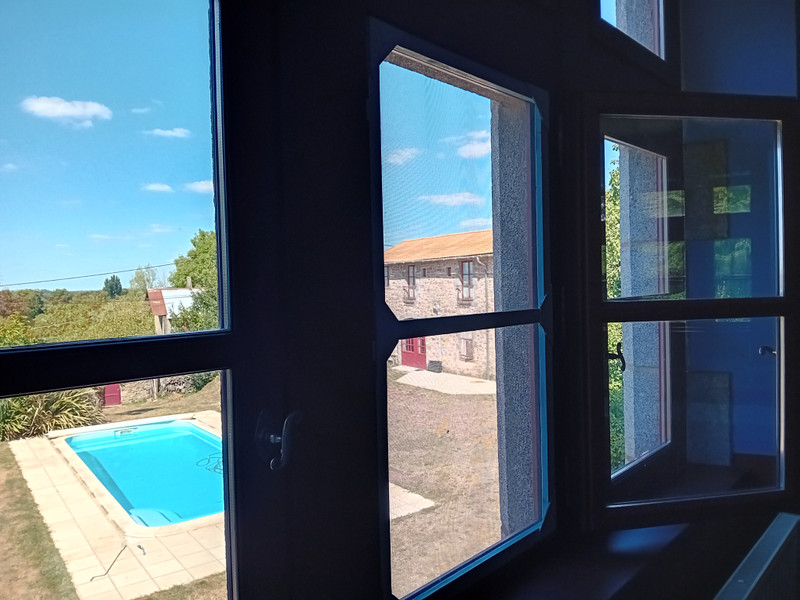
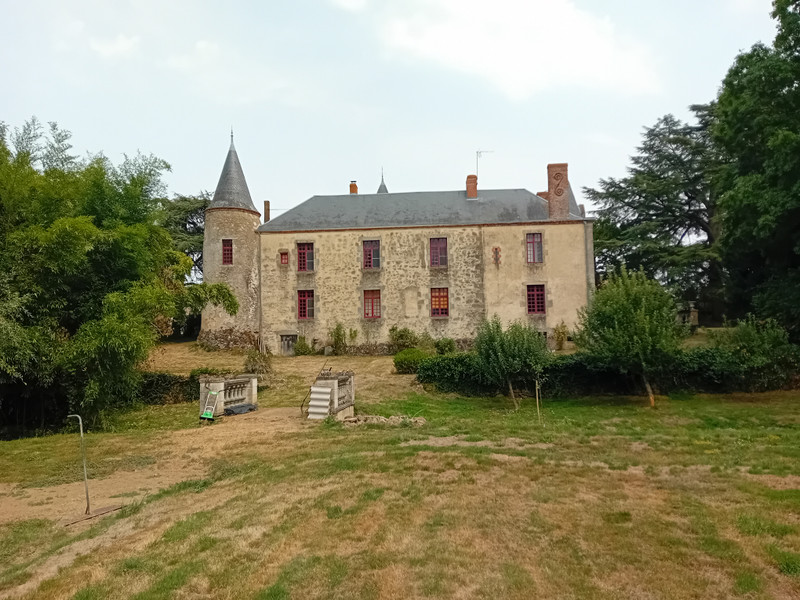
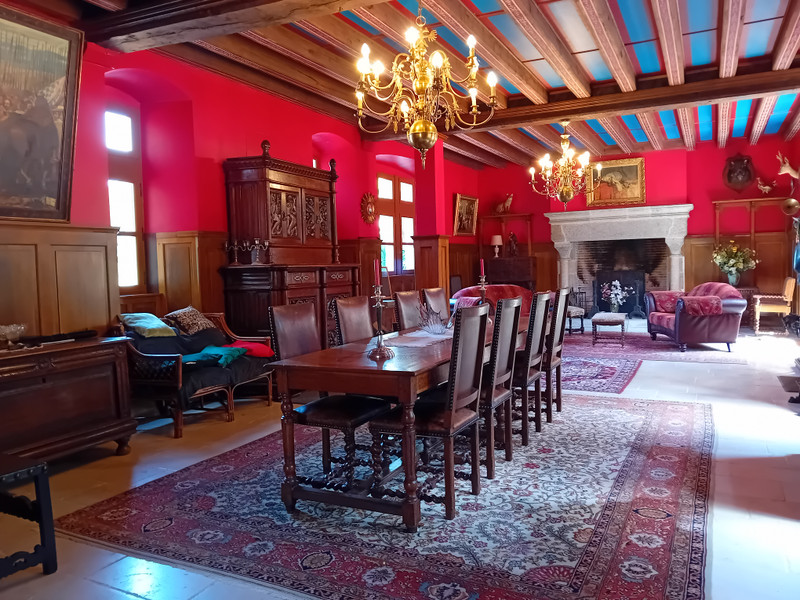
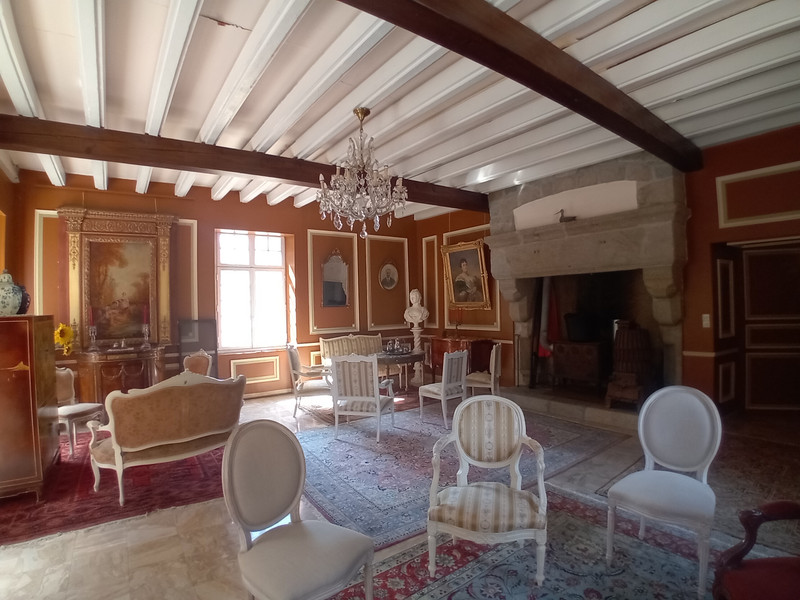
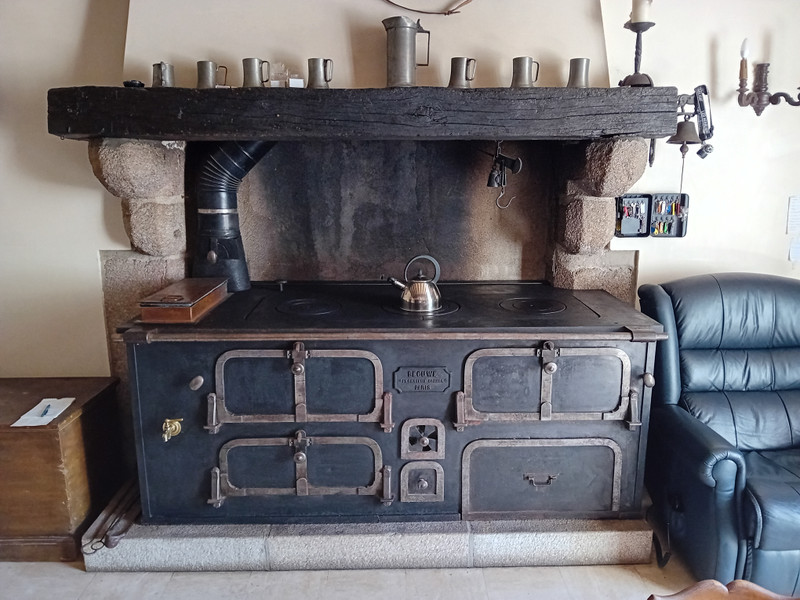
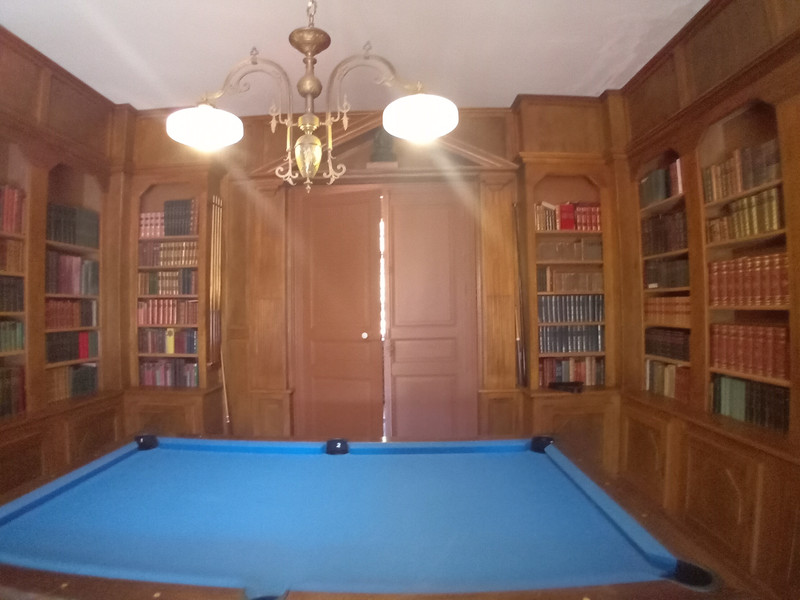
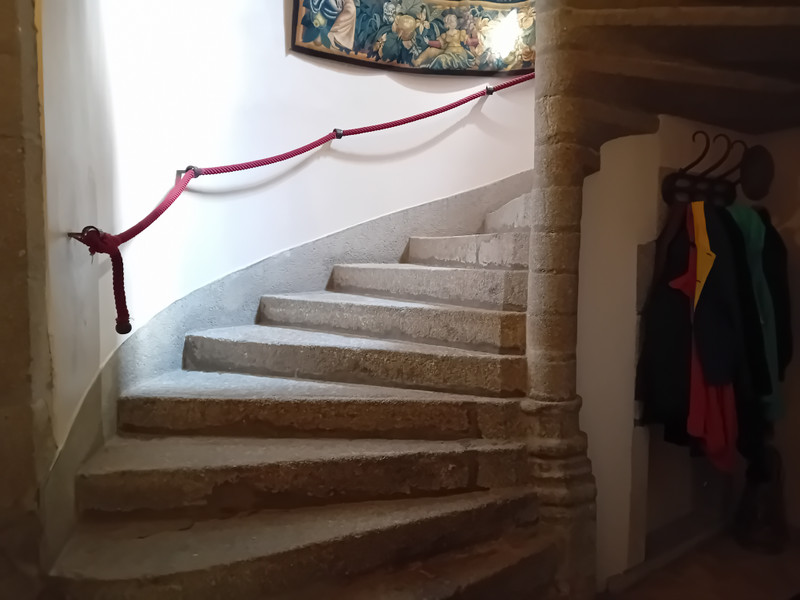
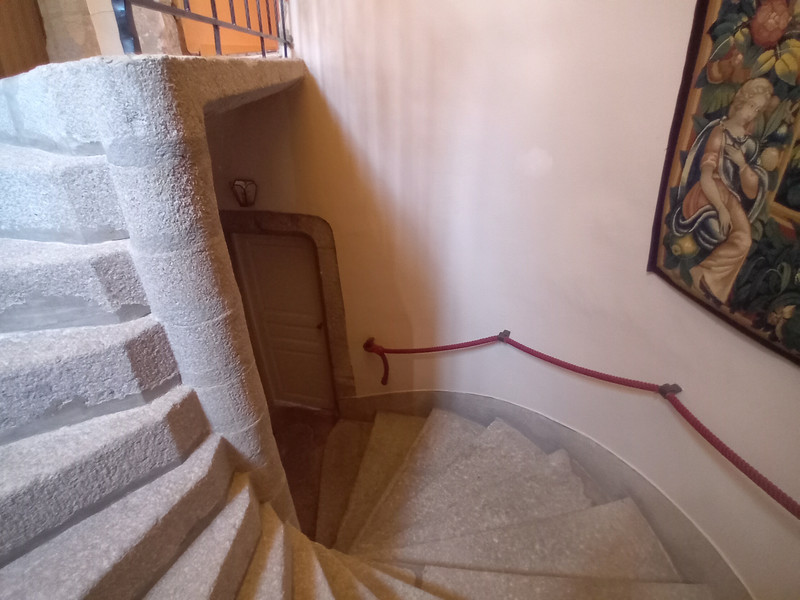
A magnificent château spanning the 14th, 19th, and 20th centuries, with a cottage, pool, and tennis court in the Deux-Sèvres. This grand property tells the story of French architectural evolution across six centuries, set in beautiful Charentais countryside.
14th-19th Century Château with Pool and Tennis
Château · Poitou-Charentes, Deux-Sèvres, France
€1,170,212
600 m²living20,000 m²plot8bedrooms
Location


Poitou-Charentes, Deux-Sèvres, France
About Poitou-Charentes, Deux-Sèvres, France
Local highlights, dining & things to do nearby
Why Poitou-Charentes, Deux-Sèvres, France
The Poitou-Charentes region, and specifically the department of Deux-Sèvres (79), is often described as France’s "best-kept secret." For a buyer seeking a Château, this area offers an incredible value-for-money proposition compared to the Loire Valley or the Côte d'Azur.
Investors are drawn here by the sheer romanticism of the landscape—a mix of rolling hills, the mysterious "Green Venice" (Marais Poitevin), and river-fed valleys. Because it is less "touristy" than neighboring regions, you can acquire a significant historical estate with several hectares of land for the price of a small apartment in Paris. It is an ideal location for those seeking privacy, a slow pace of life, or a boutique hospitality project (Chambres d'hôtes).
Climate & Lifestyle
The climate in Deux-Sèvres is surprisingly mild, benefiting from its proximity to the Atlantic. It enjoys high sunshine hours—often cited as the second sunniest region in France after the Mediterranean—but without the scorching, arid heat of the south. Winters are generally cool and damp, while spring and autumn are long and pleasant.
The lifestyle is quintessentially rural French. Life revolves around the marché hebdomadaire (weekly market), where locals buy goat cheese (a regional specialty), Cognac, and Pineau des Charentes. The rhythm is dictated by the seasons; it is a quiet, contemplative region where Sunday afternoons are reserved for long family lunches and walks in the countryside.
Getting There & Around
While Deux-Sèvres feels secluded, it is remarkably well-connected:
- Air: The nearest hubs are Nantes (NTE), La Rochelle (LRH), and Poitiers (PIS). Bordeaux (BOD) is also accessible within a 2-hour drive for long-haul international flights.
- Rail: The TGV (high-speed train) stops in Niort, connecting you to Paris in just under 2 hours.
- Road: The A10 and A83 motorways provide excellent access. Driving to the coastal beaches of La Rochelle takes about an hour from Niort.
- Local Transport: Public transport is sparse. A car is an absolute necessity for anyone owning a Château in this rural landscape.
Practical Living
Daily life is straightforward, provided you are prepared for a more rustic pace.
- Health: Niort and Thouars have excellent hospitals. However, in deep rural areas, finding an English-speaking GP can be a challenge.
- Connectivity: France has invested heavily in fiber-optic internet (la fibre). Even many remote Châteaux now have access to high-speed internet, making remote work feasible.
- Education: There are few international schools within Deux-Sèvres itself; most expats either use local French schools for immersion or look toward Bordeaux or Nantes for international curriculums.
- Shopping: Large "Hypermarches" (Leclerc, Carrefour) are located on the outskirts of towns like Niort, Bressuire, and Parthenay.
Property Considerations
Châteaux in Deux-Sèvres are typically built from light-colored limestone (Tuffeau) with slate or terracotta tile roofs.
- Watch Outs: Humidity and Rising Damp are the most common issues in older stone properties. Termites are a risk in the southwest; always ensure a recent Diagnostic Technique is provided.
- Renovation: Finding "artisans" (skilled tradespeople) who understand heritage stone and lime mortar is crucial. Costs are high, and there is a shortage of labor, so expect projects to take longer than planned.
- Regulations: Many Châteaux are Inscrit or Classé (listed). This means any exterior changes—including window replacements—require strict approval from the Architecte des Bâtiments de France (ABF).
Buying as a Foreigner
The French buying process is highly regulated and generally safe.
- Compromis de Vente: The initial sales agreement. Once signed, you have a 10-day cooling-off period.
- Notaire: The Notary is a government official who handles the conveyance. They represent the state, not necessarily you. Hiring your own independent legal counsel is recommended.
- Costs: Budget an additional 7–9% of the purchase price for "Notary Fees," which are primarily state taxes.
- Restrictions: There are currently no restrictions on foreigners buying property, but if you are a non-EU citizen, you must manage your visa status (Schengen 90/180-day rule) carefully.
Community & Expat Life
There is a robust, helpful expat community in Deux-Sèvres, primarily consisting of British, Dutch, and German retirees or "lifestyle-changers." Unlike the Dordogne, which can feel "over-citified," Deux-Sèvres remains authentically French.
Integration Tip: The locals are welcoming but reserved. Speaking even basic French is the "golden key." If you show an interest in the local village life—attending the Fête du Village or the communal Méchoui (barbecue)—you will find yourself embraced by the community. Expect to be the "Chatelain" (Château owner) of the area; it comes with a certain social status and an expectation that you will maintain the heritage of the building for the village's pride.
Characteristics
Details
- Property Type
- Château
- Period
- 14th-19th-20th Century
Special Features
- Swimming Pool
- Yes
- Tennis Court
- Yes
- Cottage
- Yes