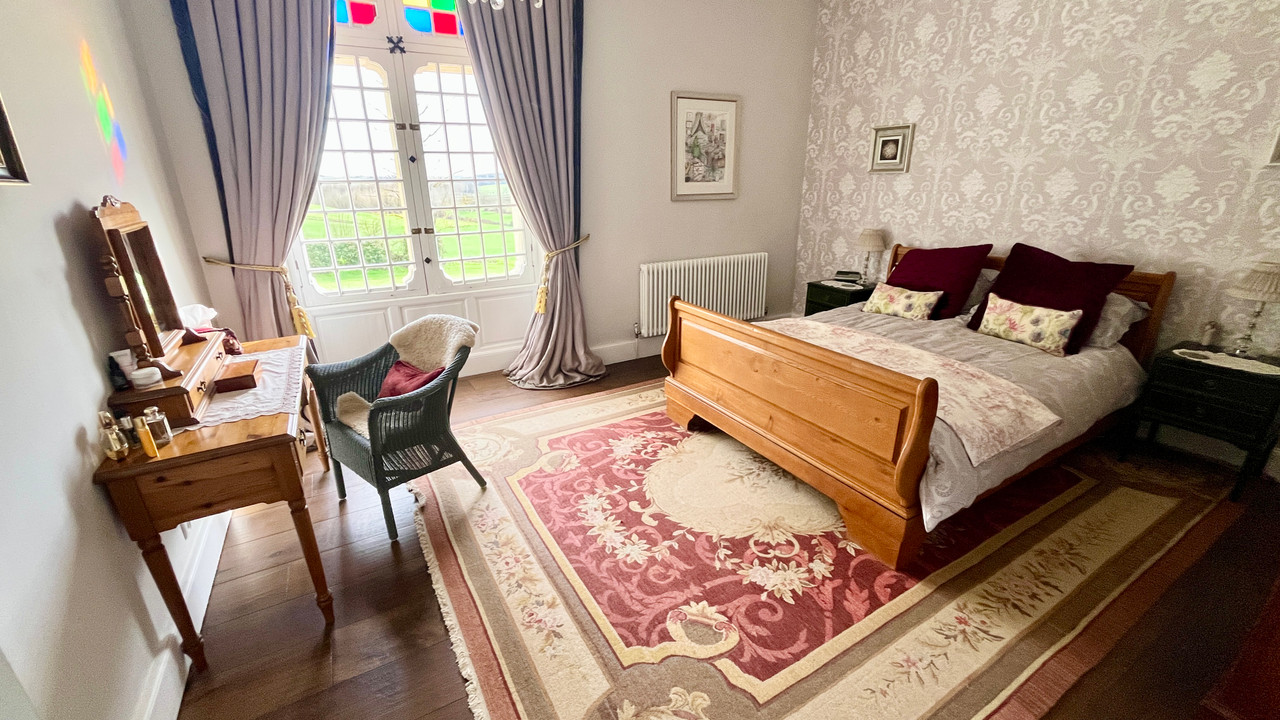
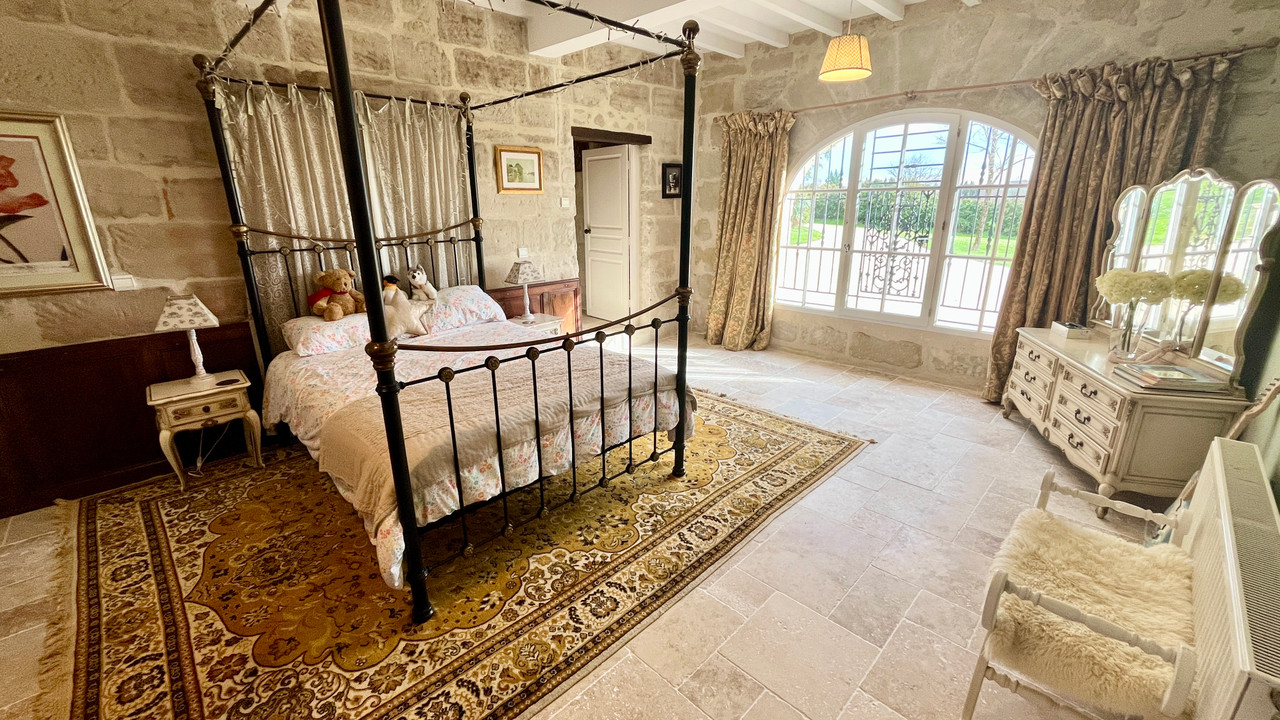
Why Aquitaine, Lot-et-Garonne, France
Often referred to as the "Tuscany of France," Lot-et-Garonne is a hidden gem nestled between the heavyweights of Bordeaux and Toulouse. For buyers seeking a manor or a sprawling estate (domaine), this department offers exceptional value for money compared to the neighboring Dordogne or the glitzy Côte d'Azur.
The draw here is authenticity. It is a land of rolling valleys, sunflower fields, and fortified medieval towns (bastides). Investors are attracted by the preservation of "La France Profonde"—a slow, rural lifestyle that remains largely untouched by mass tourism. If you are looking for privacy, land for horses or vines, and historic architecture without the "tourist trap" price tag, this is your destination.
Climate & Lifestyle
The climate is semi-oceanic, characterized by mild winters and long, hot summers. Autumns are particularly glorious—golden and warm, lasting well into October. While the region avoids the bone-chilling cold of the north, it does experience significant rainfall in spring, which keeps the landscape lush and green.
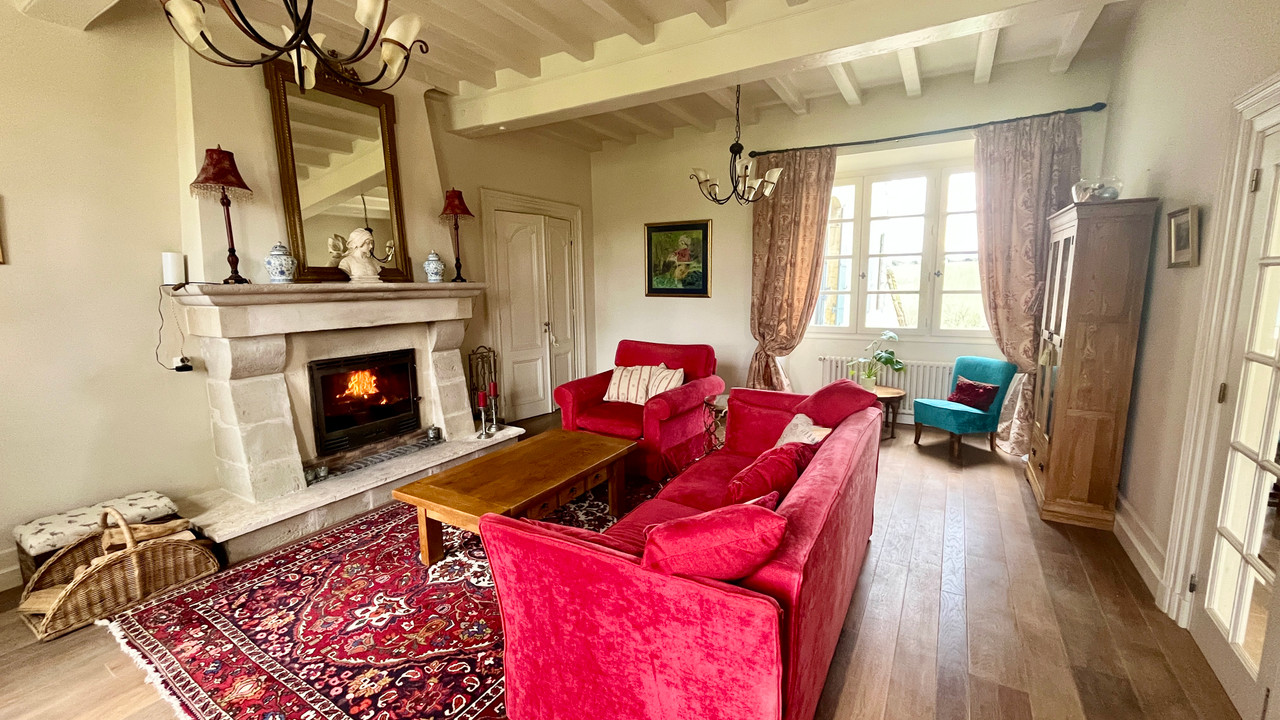
Life revolves around the "Market Culture." Morning starts at a café in a bastide town like Monflanquin or Villeréal, followed by a trip to the local market for pruneaux d’Agen (the region’s famous dried plums) and duck confit. The pace is slow; shops often close for two hours at lunch. It is a seasonal rhythm where summer is for festivals and night markets, and winter is for cozy firesides in your stone manor.
Getting There & Around
The region is exceptionally wellnd-connected for such a rural area:
- Airports: Bergerac (EGC) to the north and Agen (AGF) locally serve many European routes. For long-haul flights, Bordeaux (BOD) and Toulouse (TLS) are approximately 1.5 to 2 hours away.
- Rail: The TGV (high-speed train) stops in Agen, connecting you to Paris in just over 3 hours.
- Driving: The roads are generally excellent and uncongested, though a car is an absolute necessity. Most estates are located several kilometers from the nearest village.
Practical Living
Daily life is surprisingly straightforward, though a basic level of French is essential for administrative tasks.
- Healthcare: Excellent. Agen and Villeneuve-sur-Lot have high-quality hospitals. Local GPs (médecins généralistes) are plentiful.
- Education: While local schools are good, international families often look toward Bordeaux for IB programs. However, for younger children, immersion in the local French system is the norm.
- Connectivity: Massive investment in "Fibre Optique" means even many remote manors now have high-speed internet—vital for those working remotely.
- Shopping: "Hypermarches" (Leclerc, Auchan) are found on the outskirts of larger towns, providing everything from hardware to gourmet food.
Property Considerations
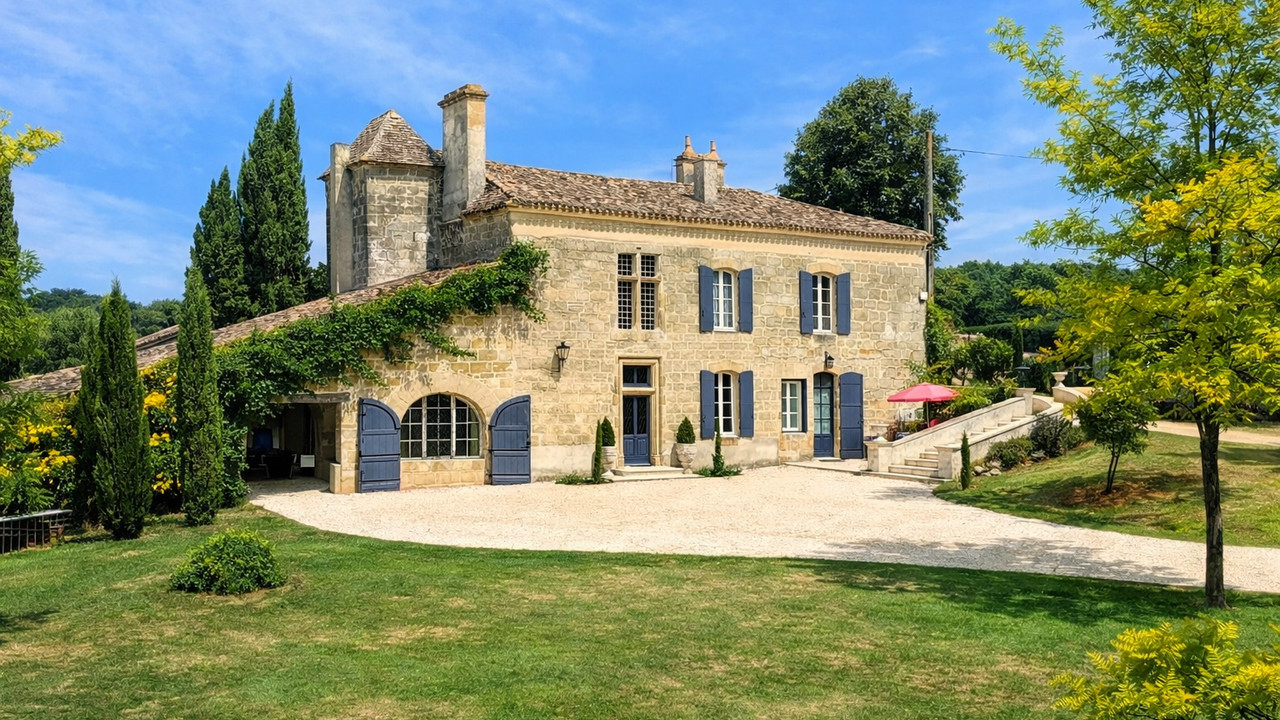
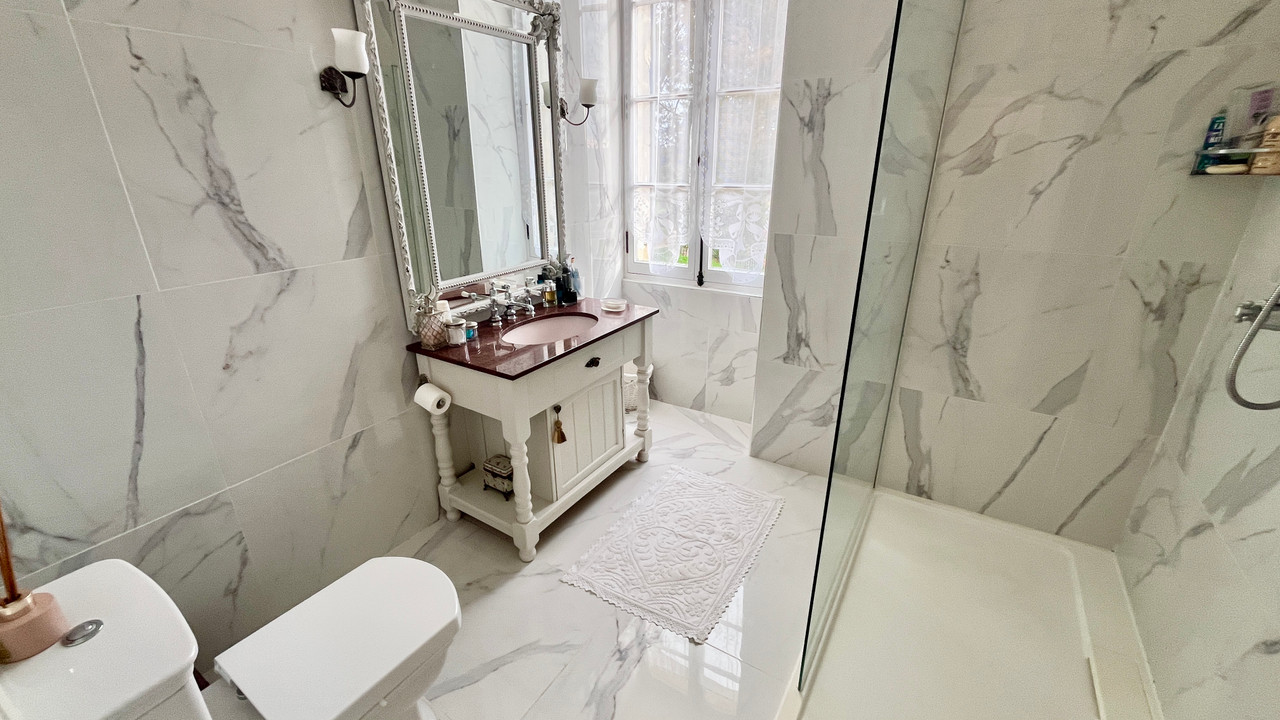
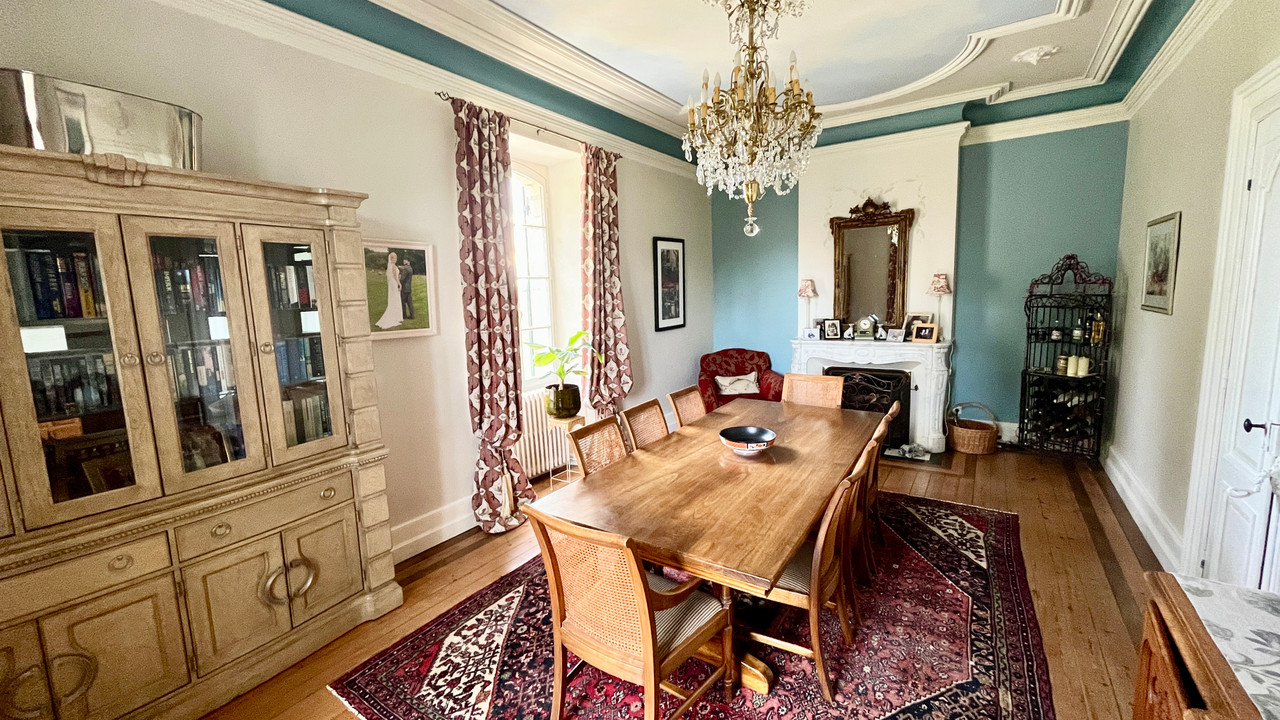
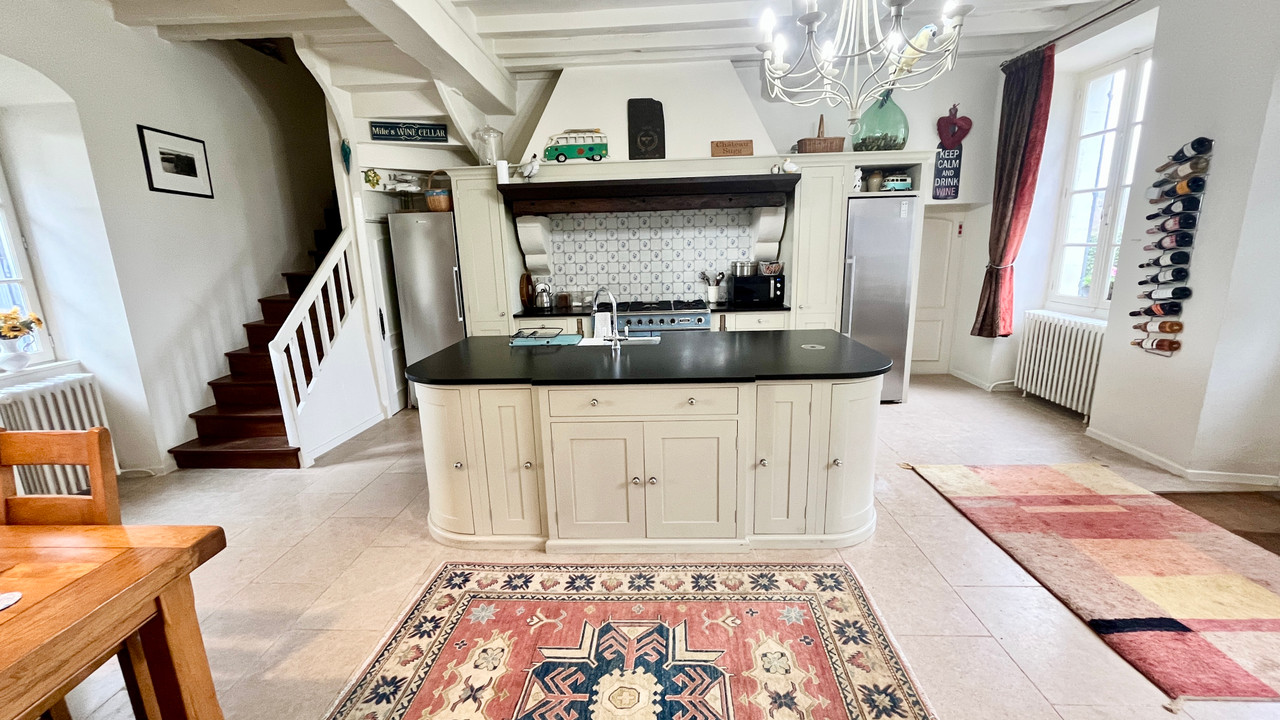
Manors in Lot-et-Garonne are typically built from warm, blonde limestone or "Maison de Maître" style brick.
- Structure: Look for stone "girondine" styles. While sturdy, these old properties often lack insulation.
- The "Three Termites": In this region, a termite inspection (diagnostic) is mandatory. Wood-boring insects can be a serious issue in old timber frames.
- Humidity: Many estates sit near the Lot or Garonne rivers; check for rising damp and ensure the property is not in a zone inondable (flood zone).
- Renovations: Skilled artisans (artisans) are available but in high demand. Expect to pay a premium for heritage-grade work. If the property is near a church or historic monument, the Architectes des Bâtiments de France (ABF) may dictate what colors you can paint your shutters or the type of tiles you use.
Buying as a Foreigner
The French buying process is highly regulated and secure.
- The Notaire: The sale must be handled by a notaire, who acts for the state to ensure the title is clear. We recommend hiring your own notaire (the fee is split between the buyer's and seller's notaire at no extra cost to you).
- Costs: Budget approximately 7–8% of the purchase price for "notary fees," which are actually mostly property taxes.
- The Compromis de Vente: Once your offer is accepted, you sign this initial contract. You then have a 10-day "cooling-off" period to withdraw without penalty.
- Pitfall: Be wary of agricultural rights. If the estate includes significant farmland, the SAFER (a land agency) has a right of first refusal to buy the land to keep it in agricultural use. Your notaire will manage this, but it can delay closing by 2–3 months.
Community & Expat Life
There is a robust, sophisticated expat community consisting mainly of British, Dutch, and Americans. Unlike the Dordogne, where expats sometimes outnumber locals, the Lot-et-Garonne remains quintessentially French.
Integration is highly valued. If you participate in village events—the fête du village or communal dinners—you will be welcomed with open arms. Don't expect everyone to speak English; making an effort to learn French is the single most important factor in whether your move to a French estate is a success or a lonely endeavor. Most foreigners find that their "manor life" succeeds best when they balance their privacy with active participation in the local town's social fabric.