Why Andalucía, Marbella, Spain
Marbella is the crown jewel of the Costa del Sol, offering a unique blend of traditional Andalusian charm and high-end cosmopolitan living. For buyers, the draw is three-fold: prestige, infrastructure, and microclimate.
Unlike many coastal resorts that shutter in the winter, Marbella is a year-round destination. It offers a "Golden Triangle" (Marbella, Estepona, and Benahavís) that provides some of Europe’s most secure and luxurious gated communities. Whether you are looking for a rental investment with high yields or a primary residence, Marbella retains its value better than almost any other Mediterranean location due to its limited land supply and global brand recognition.
Climate & Lifestyle
Sheltered by the Sierra Blanca mountains, Marbella enjoys a unique microclimate with over 300 days of sunshine and an average annual temperature of 18°C (64°F).
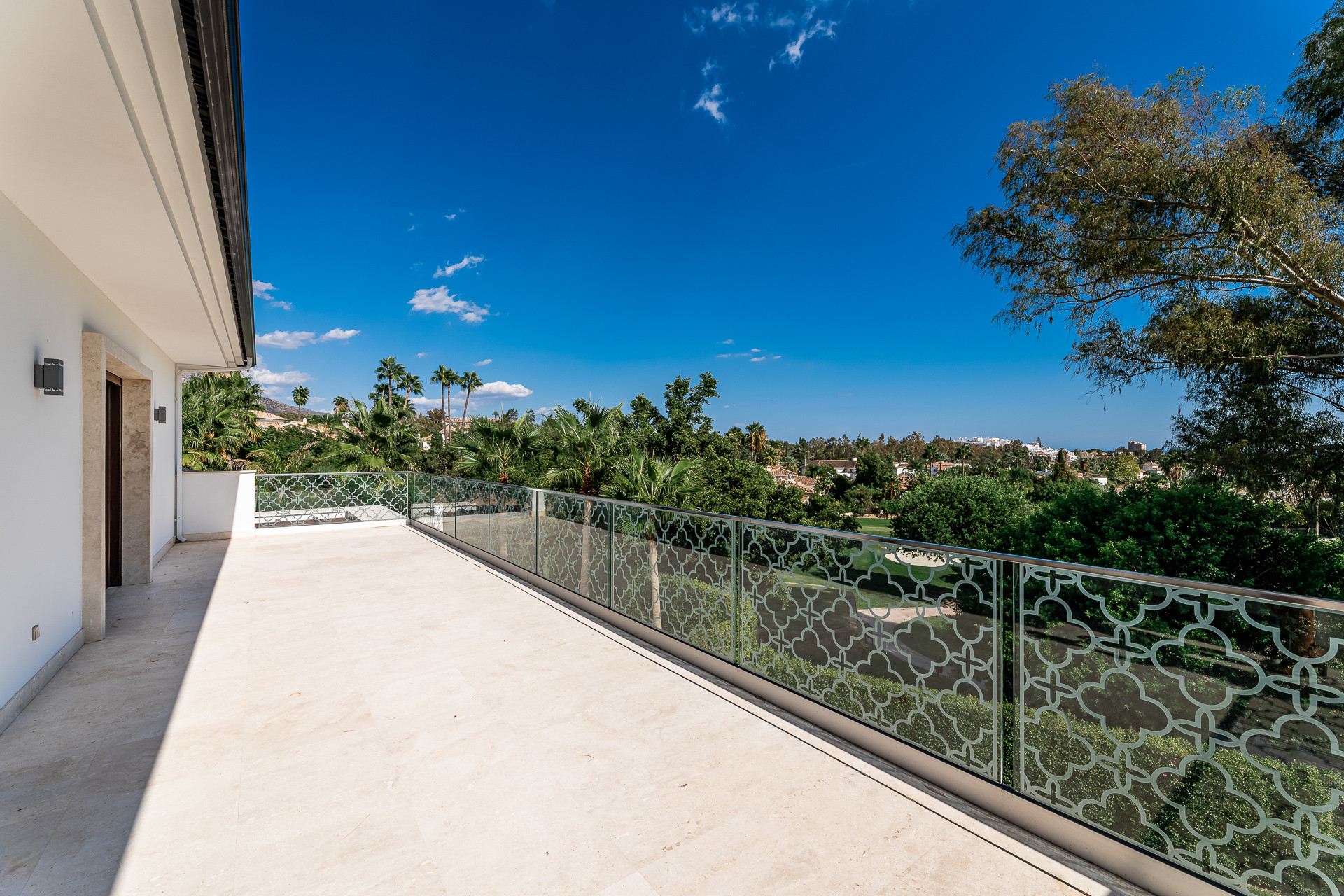
Lifestyle here revolves around the "outdoor room." Expect long lunches at chiringuitos (beach restaurants), golf on world-class courses, and evening strolls in the Casco Antiguo (Old Town). Life moves at a slower pace; businesses often close for siesta in the mid-afternoon, and dinner rarely starts before 9:00 PM. While peak summer (July/August) is vibrant and crowded, the "shoulder seasons" of May and September offer the best balance of weather and tranquility.
Getting There & Around
- Airports: Málaga-Costa del Sol Airport (AGP) is approximately 40 minutes away via the AP-7 toll road. It is one of Spain’s busiest airports, offering direct flights to most European capitals and North America.
- Driving: The roads are excellent. The A-7 coastal road is scenic but can be congested; the AP-7 (toll motorway) is the faster, stress-free alternative.
- Public Transport: While there is a coastal bus service, a car is essential for villa living, as many luxury urbanizations are nestled in the hills. High-speed rail (AVE) from Málaga connects you to Madrid in under 3 hours.
Practical Living
For foreigners, Marbella is remarkably easy to navigate.
- Healthcare: Home to top-tier private hospitals like Quirónsalud and HC Marbella, where English is widely spoken.
- Education: Some of Spain’s best international schools are located here, including Aloha College, Swans, and the British School of Marbella.
- Connectivity: High-speed fiber-optic internet is standard in most urbanizations.
- Shopping: From the luxury boutiques of Puerto Banús to the convenience of El Corte Inglés and numerous organic supermarkets, you won't miss any comforts from home.
Property Considerations
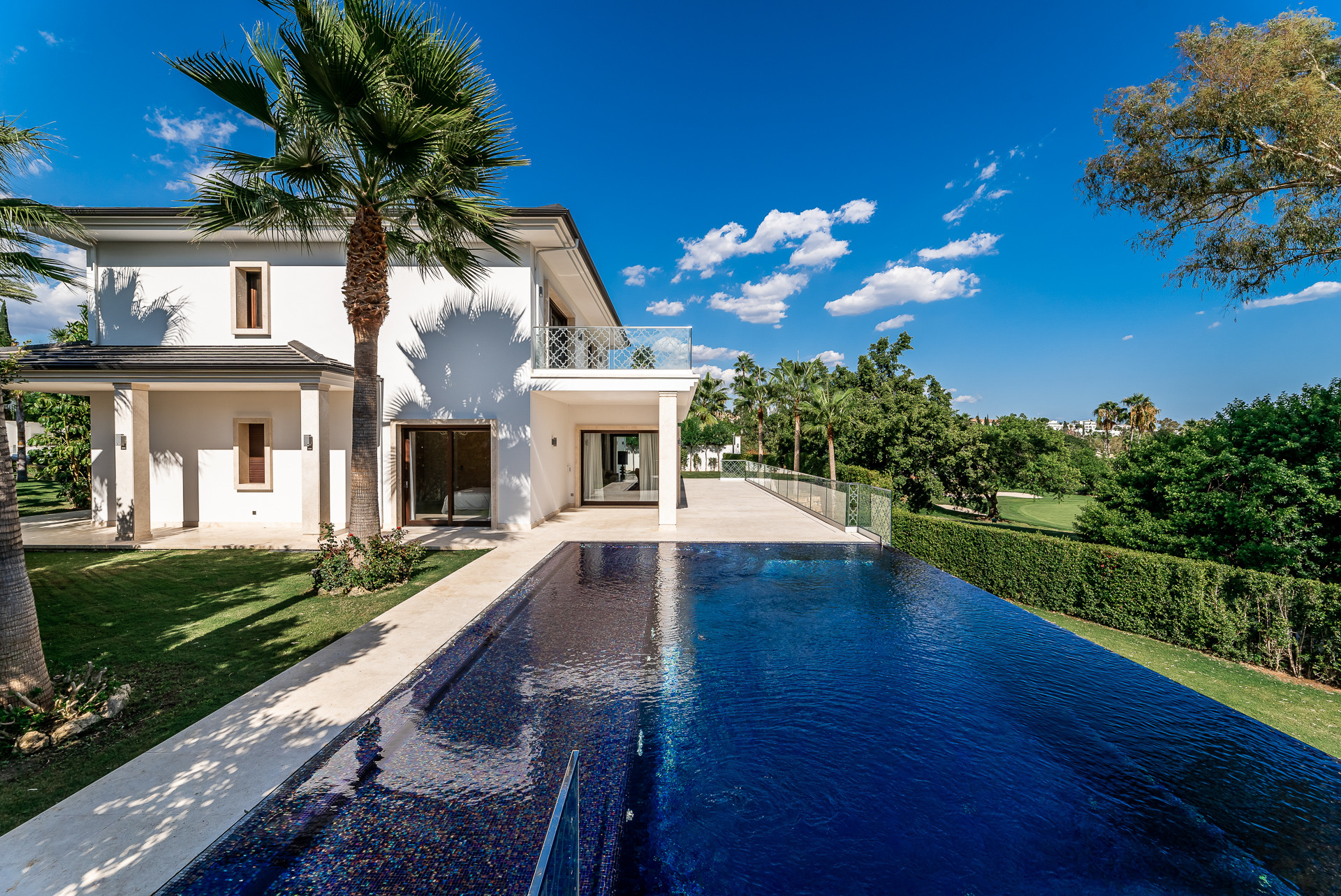
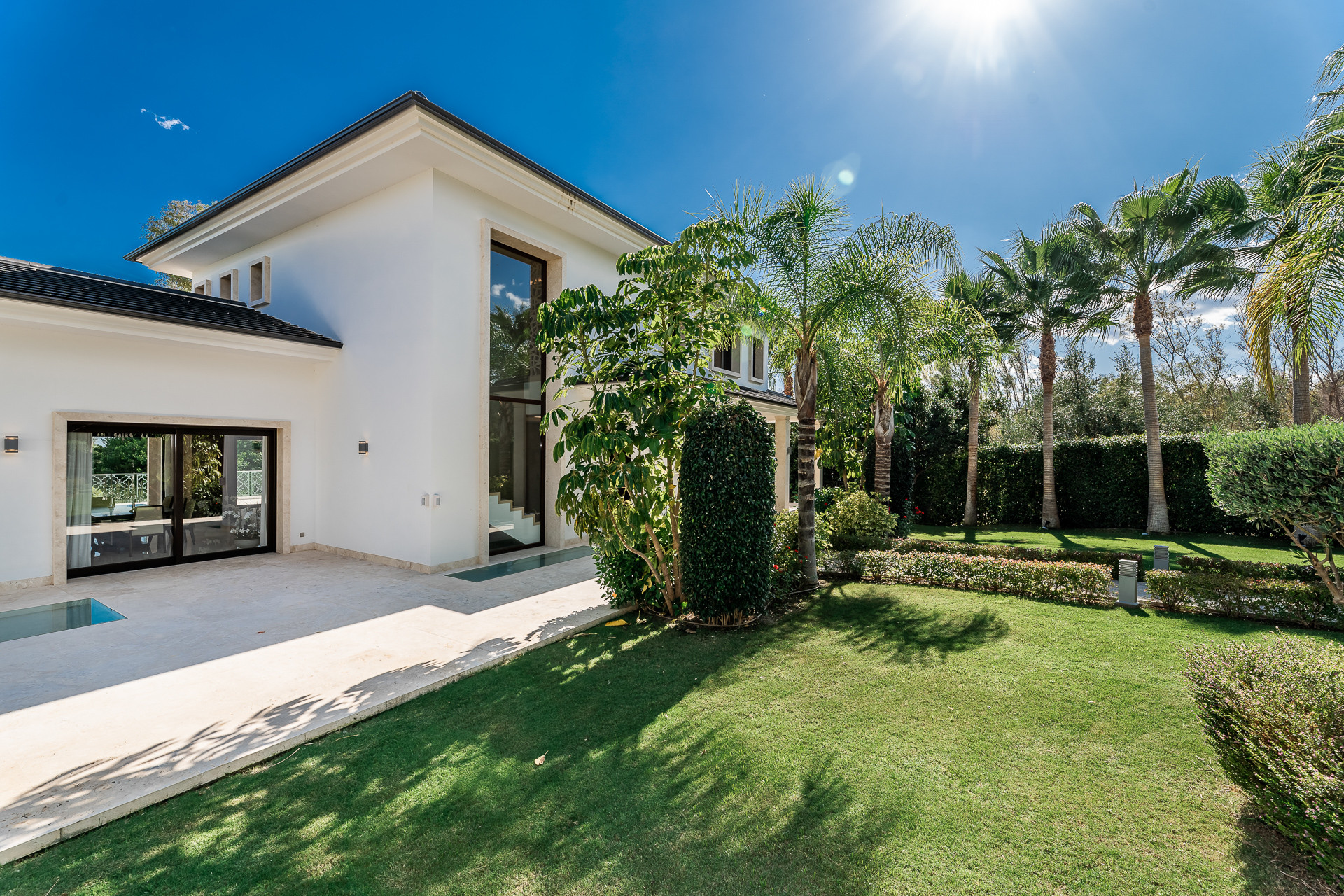
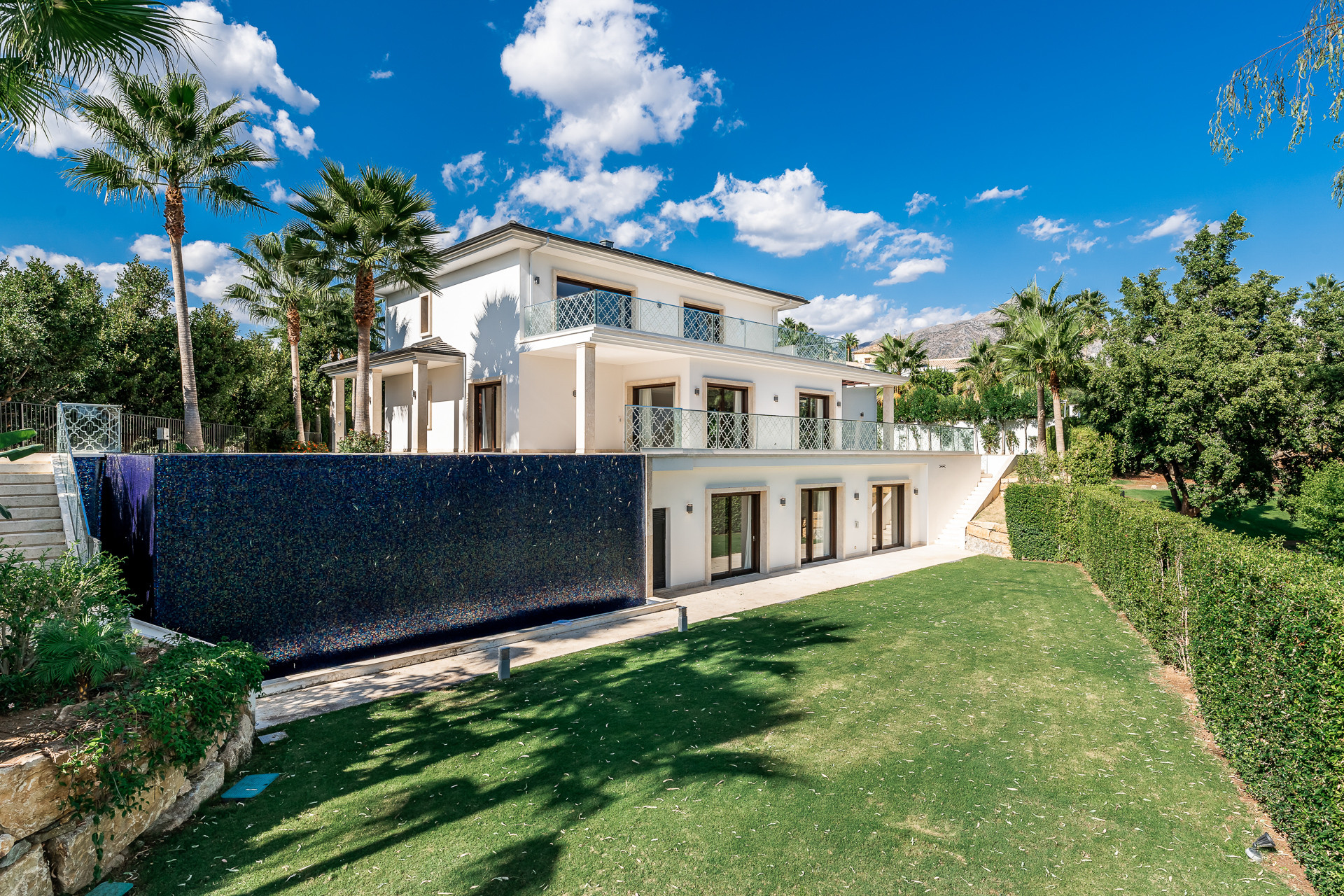
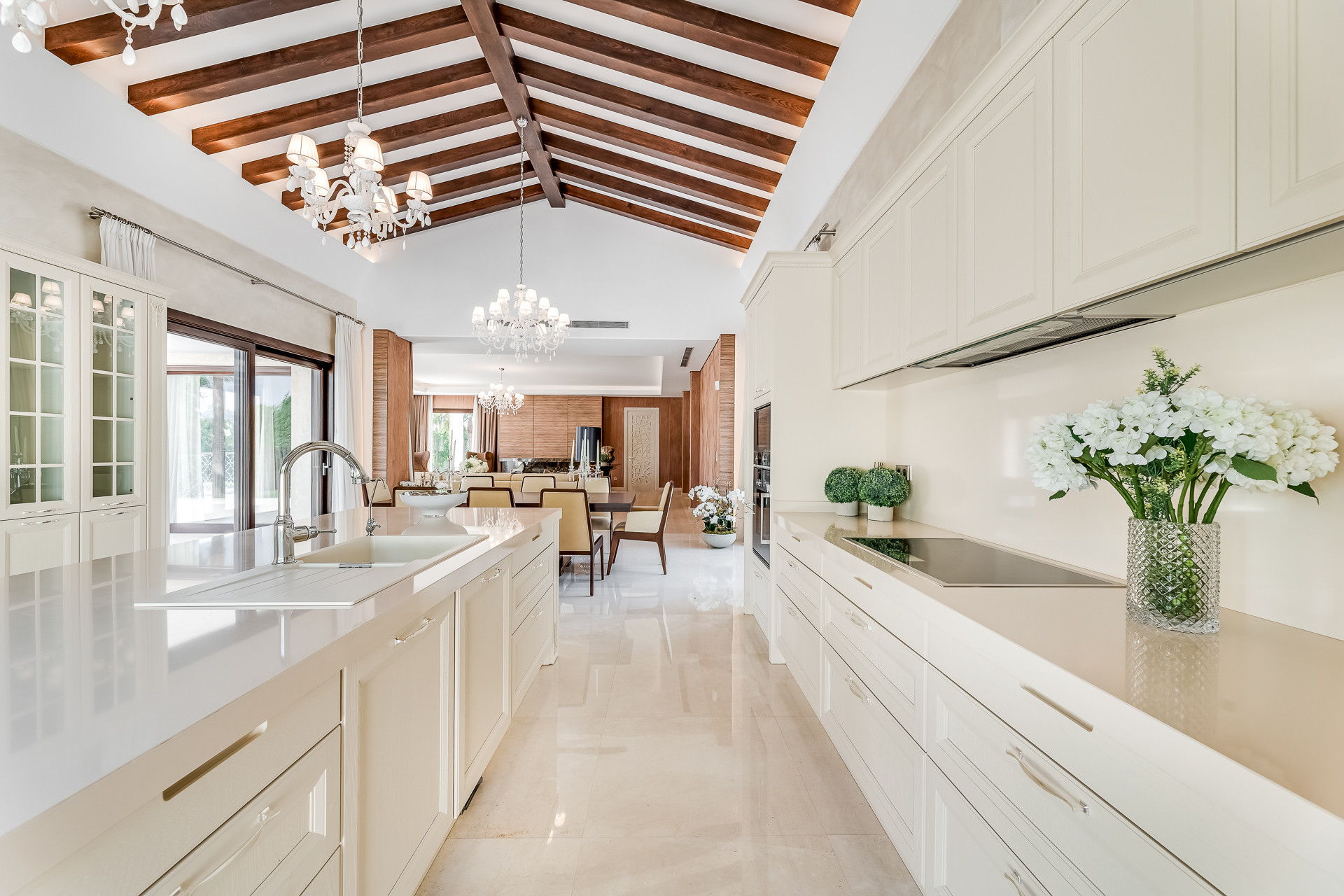
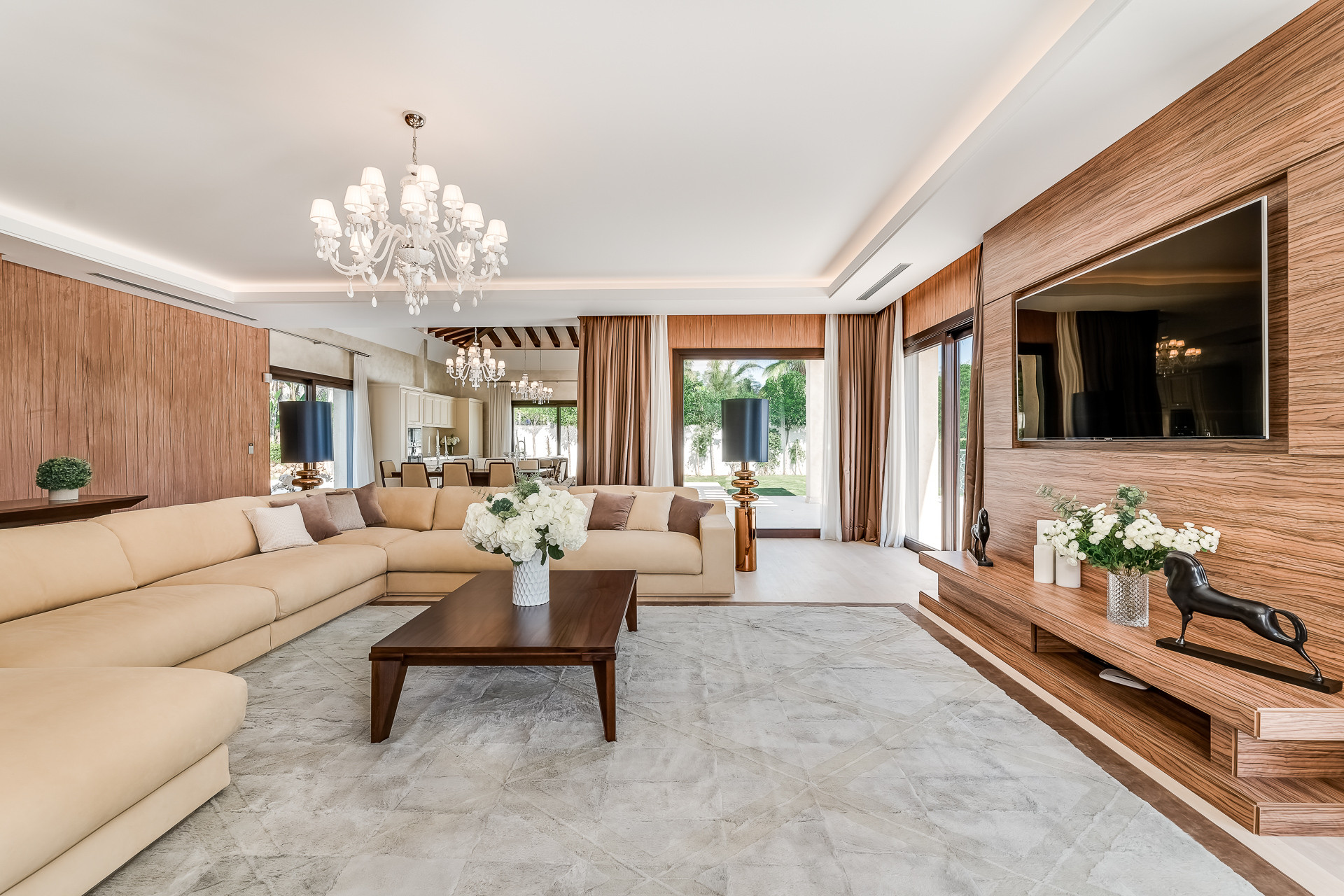
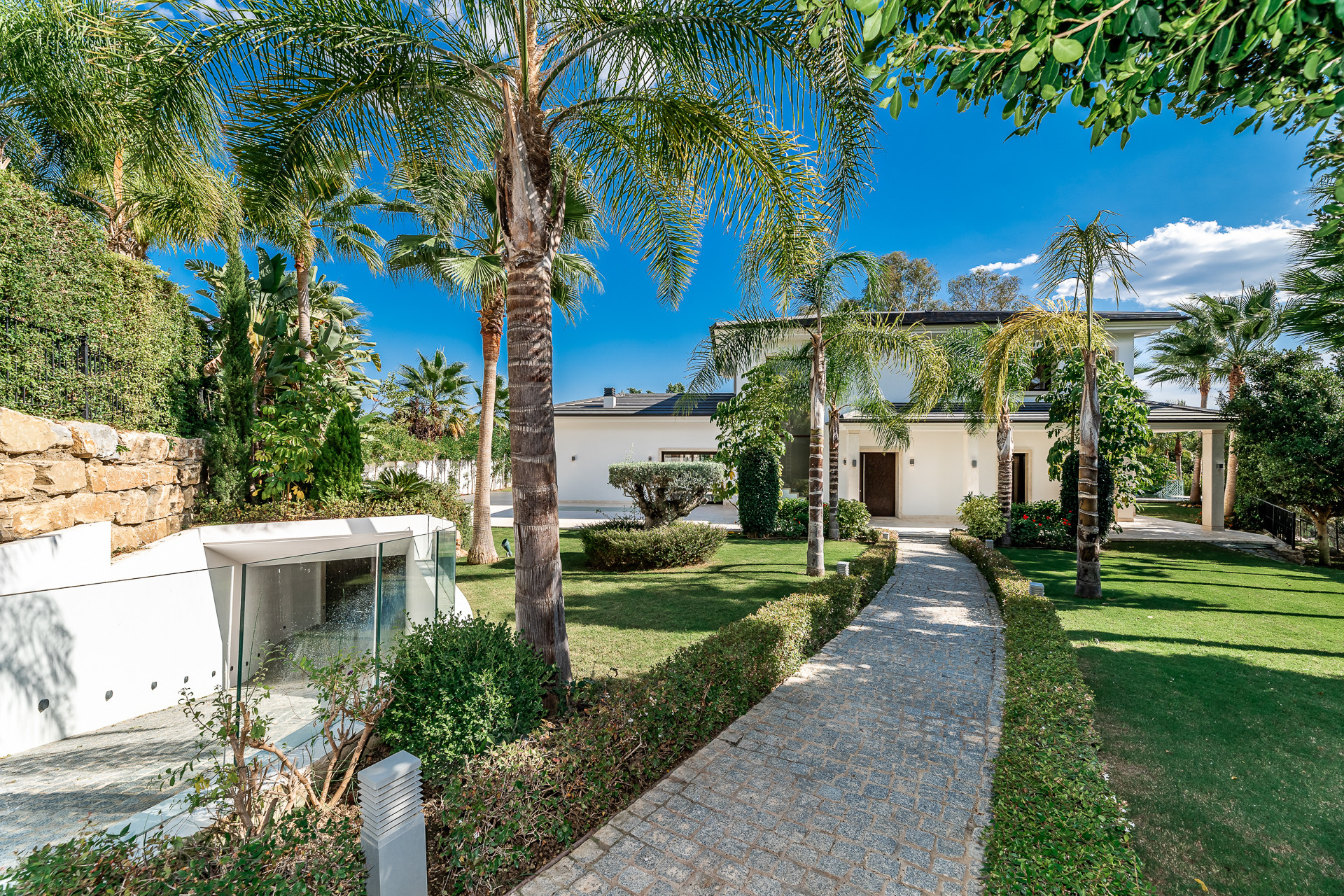
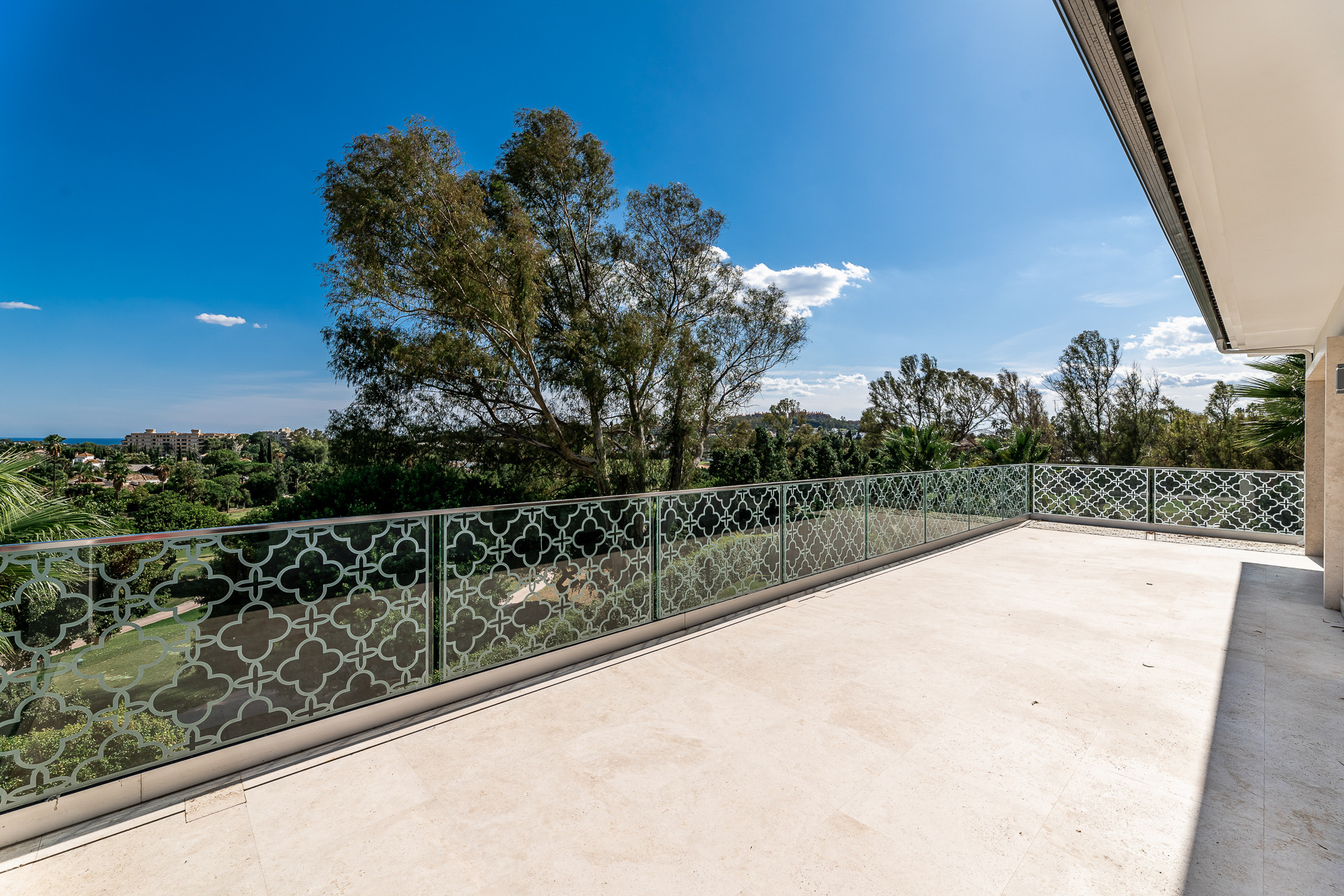
Villas in Marbella typically fall into two categories: "Andalusian Classic" (whitewashed walls, terracotta tiles) and "Modern Minimalist" (floor-to-ceiling glass, sleek lines).
Things to watch for:
- Humidity: The proximity to the sea means "rising damp" is a common issue in older villas. Ensure a professional survey checks for proper insulation.
- Legal Status: Always verify the Licencia de Primera Ocupación (LPO). Some older developments faced historical zoning issues; modern properties are generally safer.
- Renovations: Skilled tradespeople are plentiful, but "Marbella pricing" exists. Expect to pay a premium for English-speaking contractors. Always ensure you have a Licencia de Obra (building license) before starting any structural work.
Buying as a Foreigner
The buying process is structured but requires professional guidance.
- NIE Number: You must obtain a Spanish tax identification number.
- The Notary: All property transfers must be signed before a Notary Public.
- Costs: Budget an additional 10-12% on top of the purchase price for taxes and fees. This includes ITP (Transfer Tax) for resales (7%) or IVA (VAT) for new builds (10%), plus notary, registry, and legal fees.
- Golden Visa: Buyers from outside the EU can still qualify for residency by investing €500,000+ in real estate (though check for recent legislative updates, as Spain has signaled potential changes to this scheme).
Pitfall: Never sign a "Reservation Contract" without having a lawyer review the property’s debt status (Nota Simple).
Community & Expat Life
Marbella is a true melting pot. You will find large British, Scandinavian, German, and Arabic communities. Because the population is so international, language barriers are minimal; you can comfortably live here speaking only English, though learning basic Spanish is highly respected by locals.
Integration is easy through social clubs, tennis/padel academies, and golf clubs. Local Andalusians are generally welcoming of foreign buyers, provided there is a respect for local customs and the environment. To truly integrate, venture beyond the luxury bubbles and support local businesses in San Pedro de Alcántara or Marbella center.