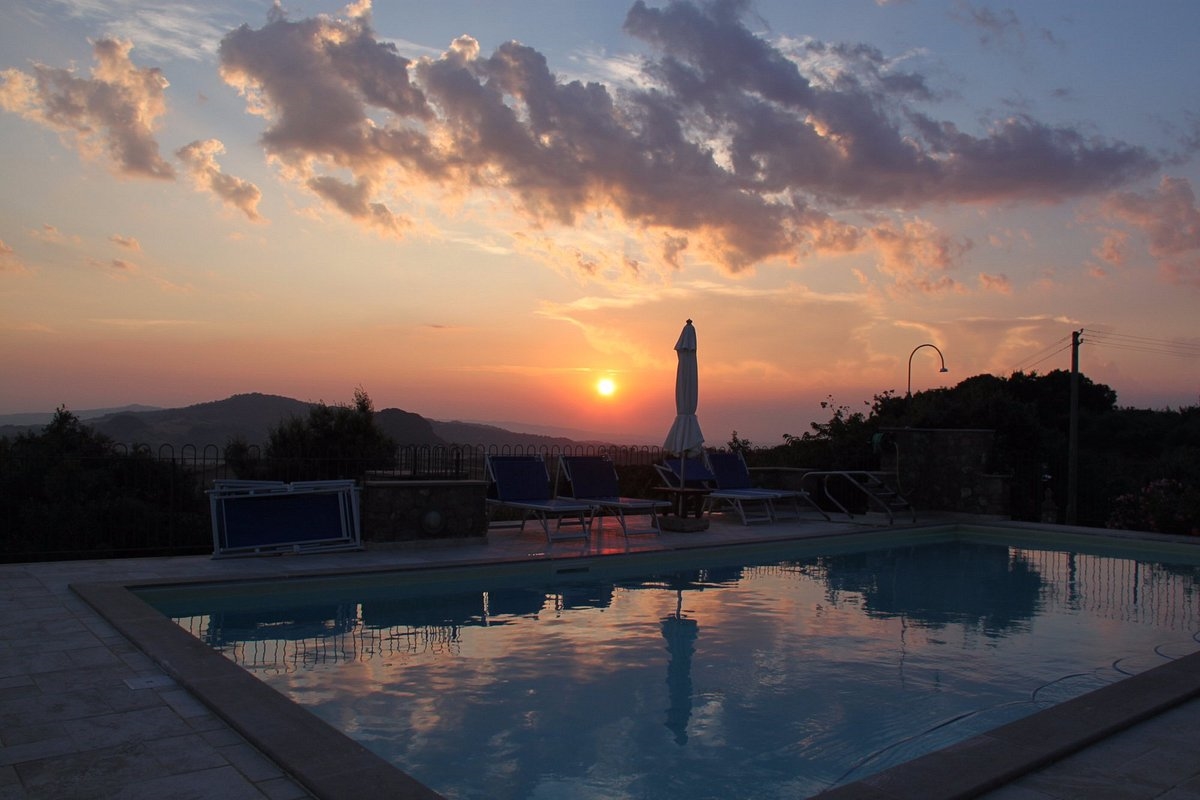
Why Volterra (Pisa), Tuscany, Italy
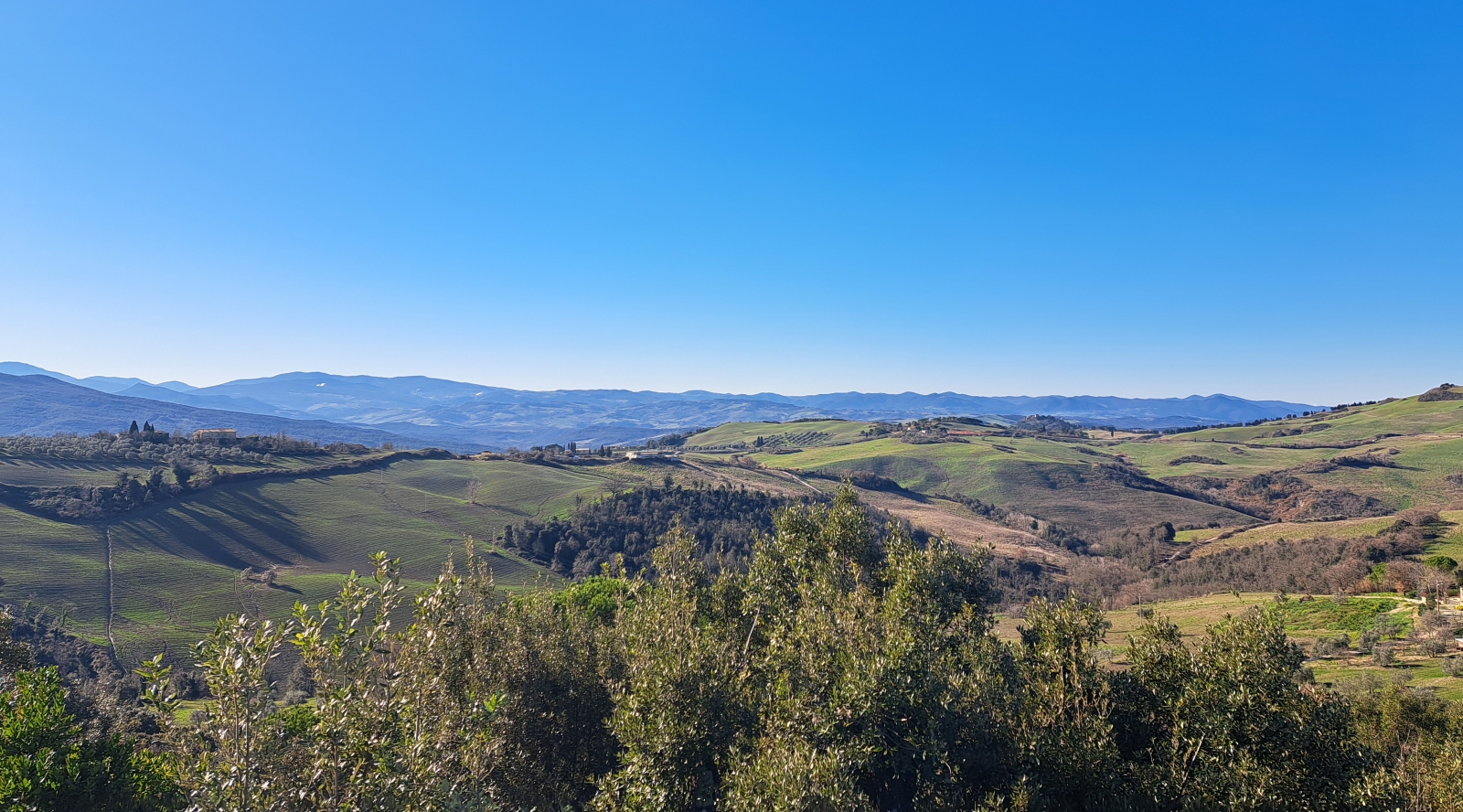
Volterra is often described as the "undiscovered" cousin of San Gimignano. Perched on a dramatic hilltop surrounded by defensive walls, this Etruscan city offers some of the most commanding views in all of Tuscany. For a farmhouse buyer, Volterra is attractive because it offers a more authentic, less "theme-park" version of Italy compared to the Chianti region.
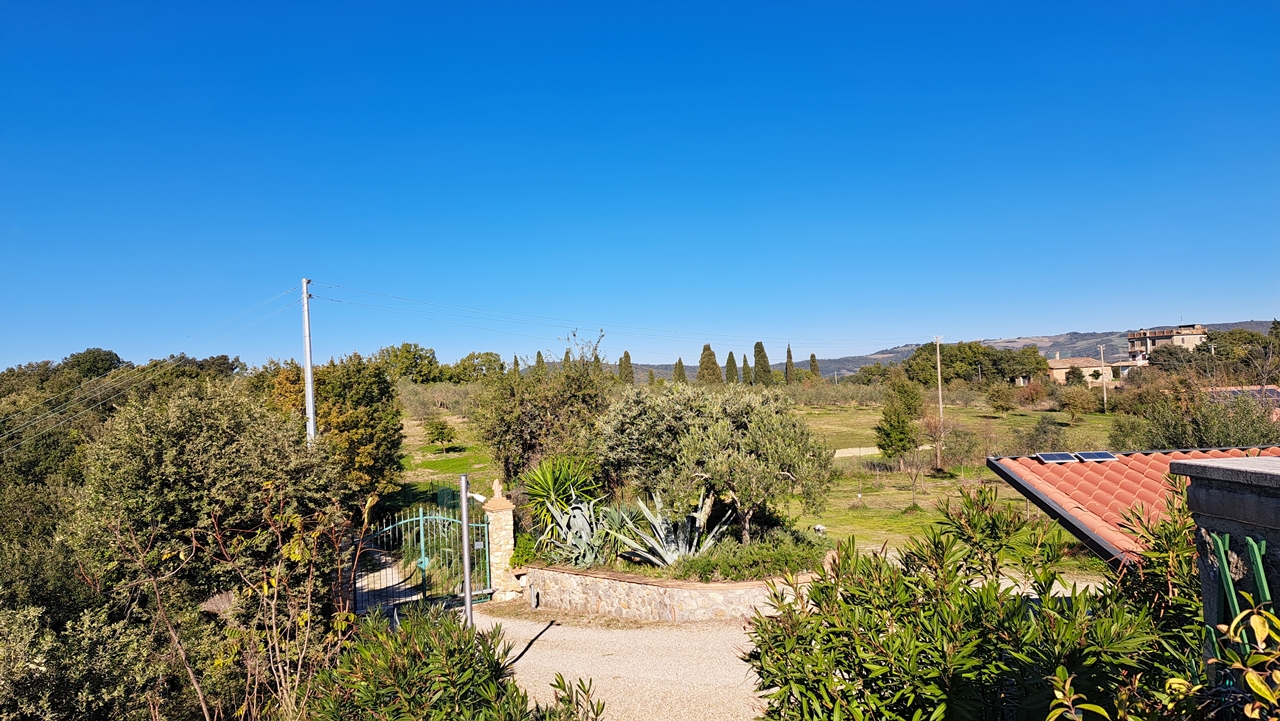
The investment appeal lies in its dual identity: it is a thriving local community with year-round life, yet it is a major magnet for cultural tourism. Owning a farmhouse here means being surrounded by the balze (dramatic clay cliffs) and rolling wheat fields, providing a sense of isolation and peace without being more than a ten-minute drive from a Michelin-starred meal or a world-class archaeological museum.
Climate & Lifestyle
Lifestyle in Volterra is dictate by the seasons and the altitude (530m above sea level).
- Spring/Summer: From May to September, life moves outdoors. Expect hot, dry days, though Volterra is notably breezier and more comfortable than the sweltering valleys of Florence or Pisa.
- Autumn/Winter: Autumn is glorious with the olive harvest and truffle season. Winters are crisp and can be surprisingly cold; fog often rolls into the valleys, creating an ethereal island-like effect for the town above.
The rhythm is slow. Mornings are for the market and espresso; afternoons are for the riposo (nap); and evenings are for the passeggiata through the Piazza dei Priori. The local cuisine is hearty, dominated by wild boar (cinghiale), pecorino cheese, and salty Tuscan bread.
Getting There & Around
While Volterra feels secluded, it is strategically located:
- Airports: Pisa International Airport (PSA) is the primary gateway, roughly 1 hour and 15 minutes away. Florence Airport (FLR) is about 1.5 hours away.
- Driving: A car is non-negotiable for farmhouse living. Roads are generally well-maintained but winding and hilly. Florence and Siena are both reachable within 75–90 minutes.
- Public Transport: Volterra has no direct train station (the nearest is Saline di Volterra, which is limited). Bus services connect to Cecina and Pontedera, but they are geared toward students and commuters rather than tourists.
Practical Living
Daily life is remarkably functional for a rural area:
- Amenities: The town has several well-stocked supermarkets (Conad, COOP) and a weekly Saturday market for fresh produce.
- Healthcare: Volterra has its own hospital (Ospedale Santa Maria Maddalena), which is a significant advantage over more remote Tuscan villages.
- Connectivity: Fiber optic is available in the town center, but for farmhouses, you will likely rely on EOLO (fixed wireless) or Starlink, which work excellently given the clear lines of sight from the hills.
- Education: While there are no international schools in Volterra itself, there are options in Florence and Pisa. Local schools are welcoming, but full Italian immersion is the only path for children.
Property Considerations
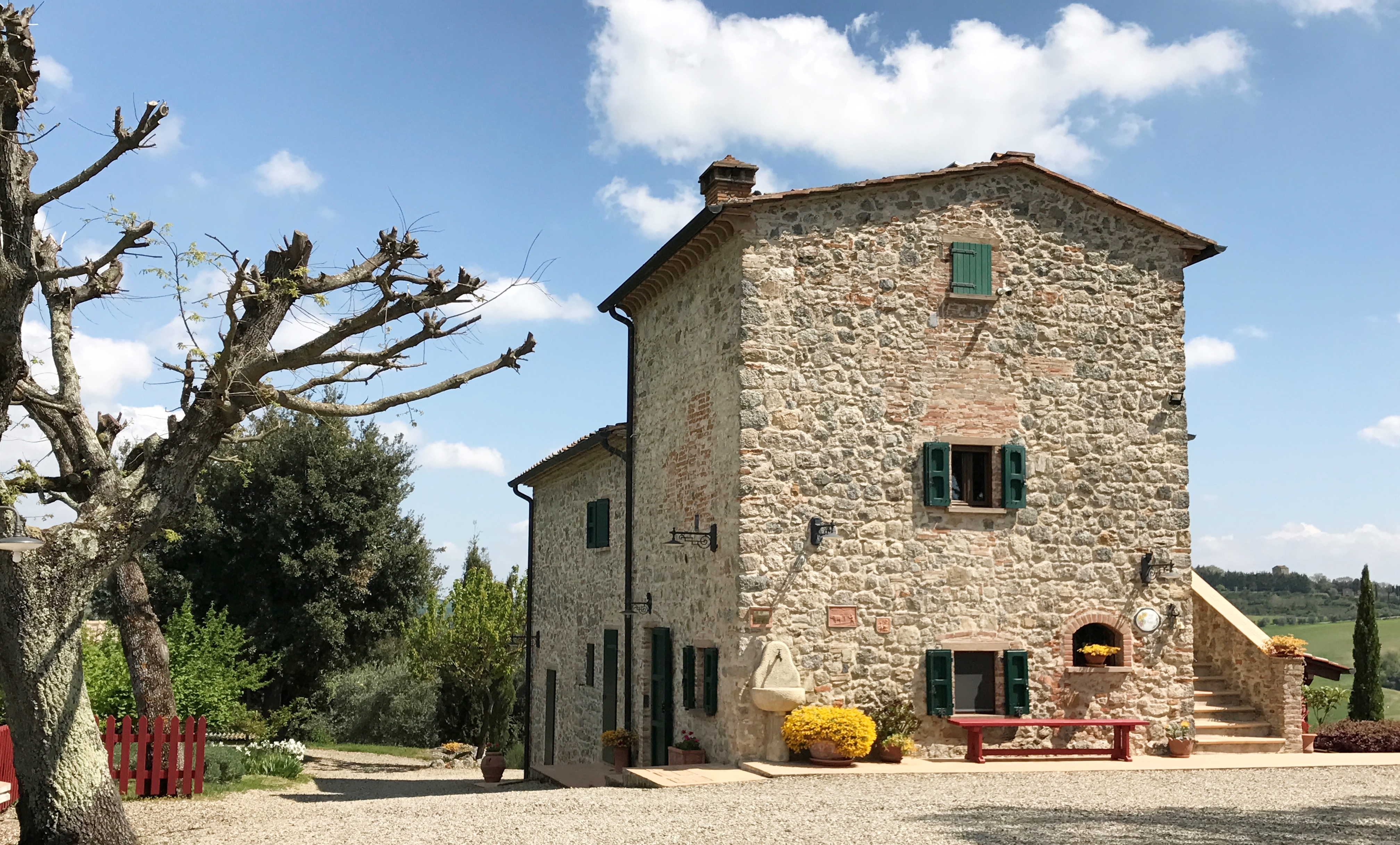
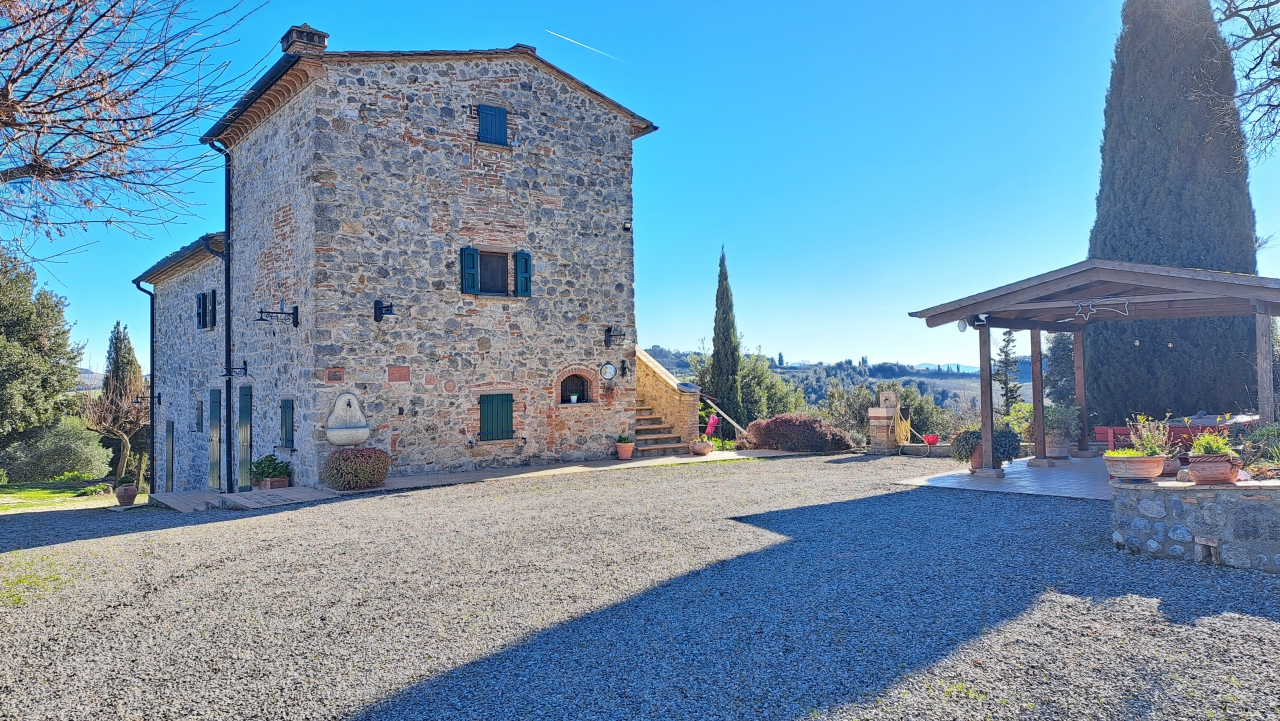
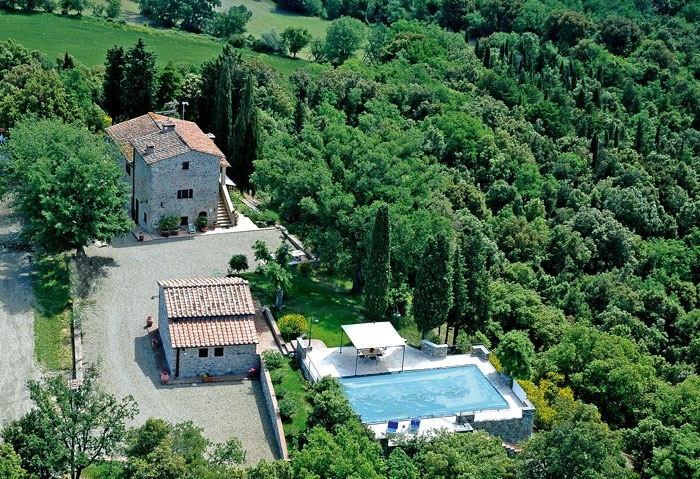
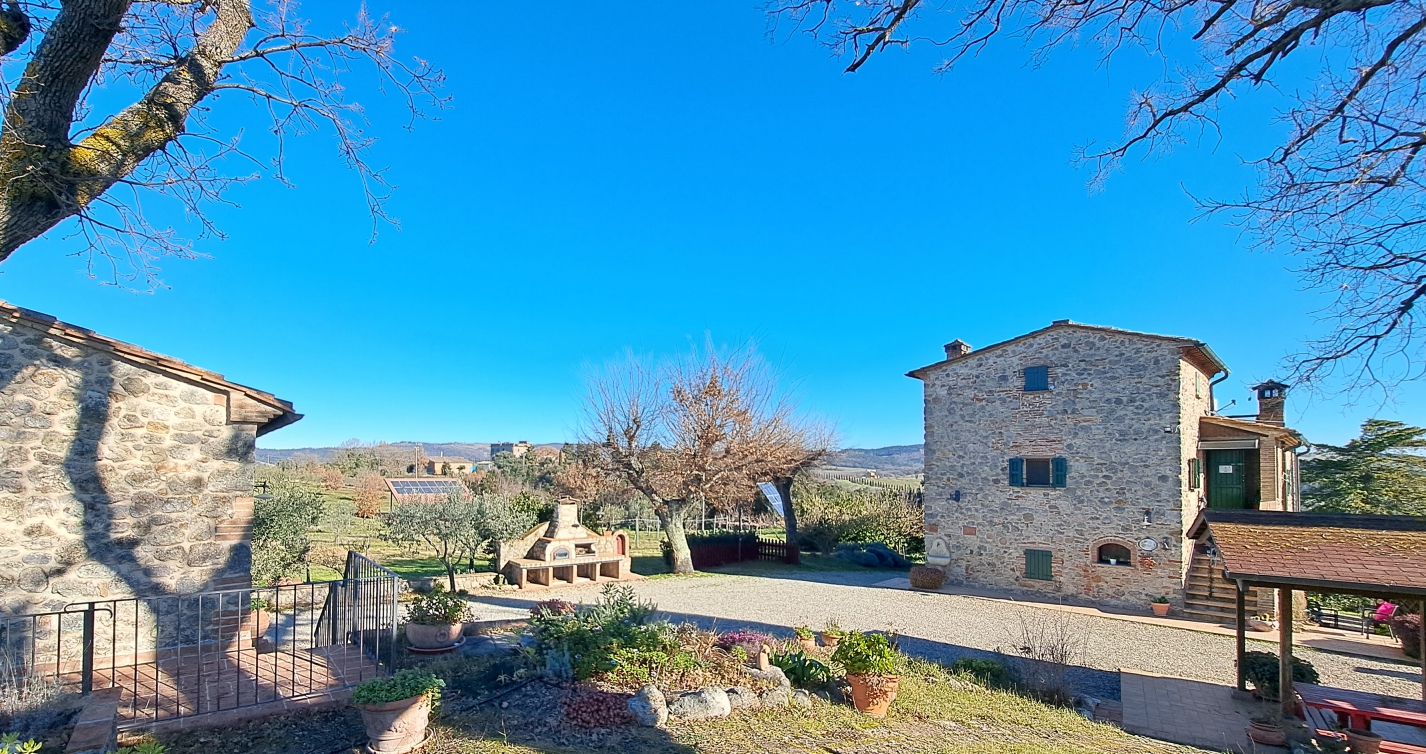
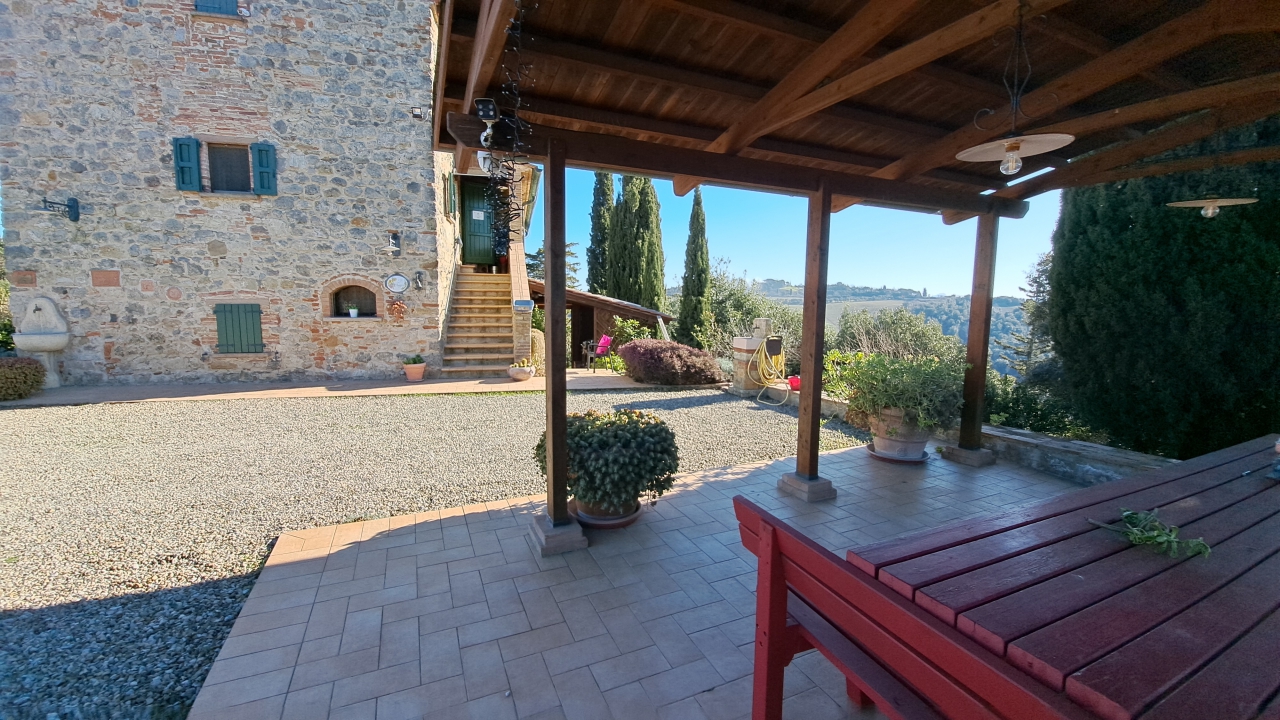
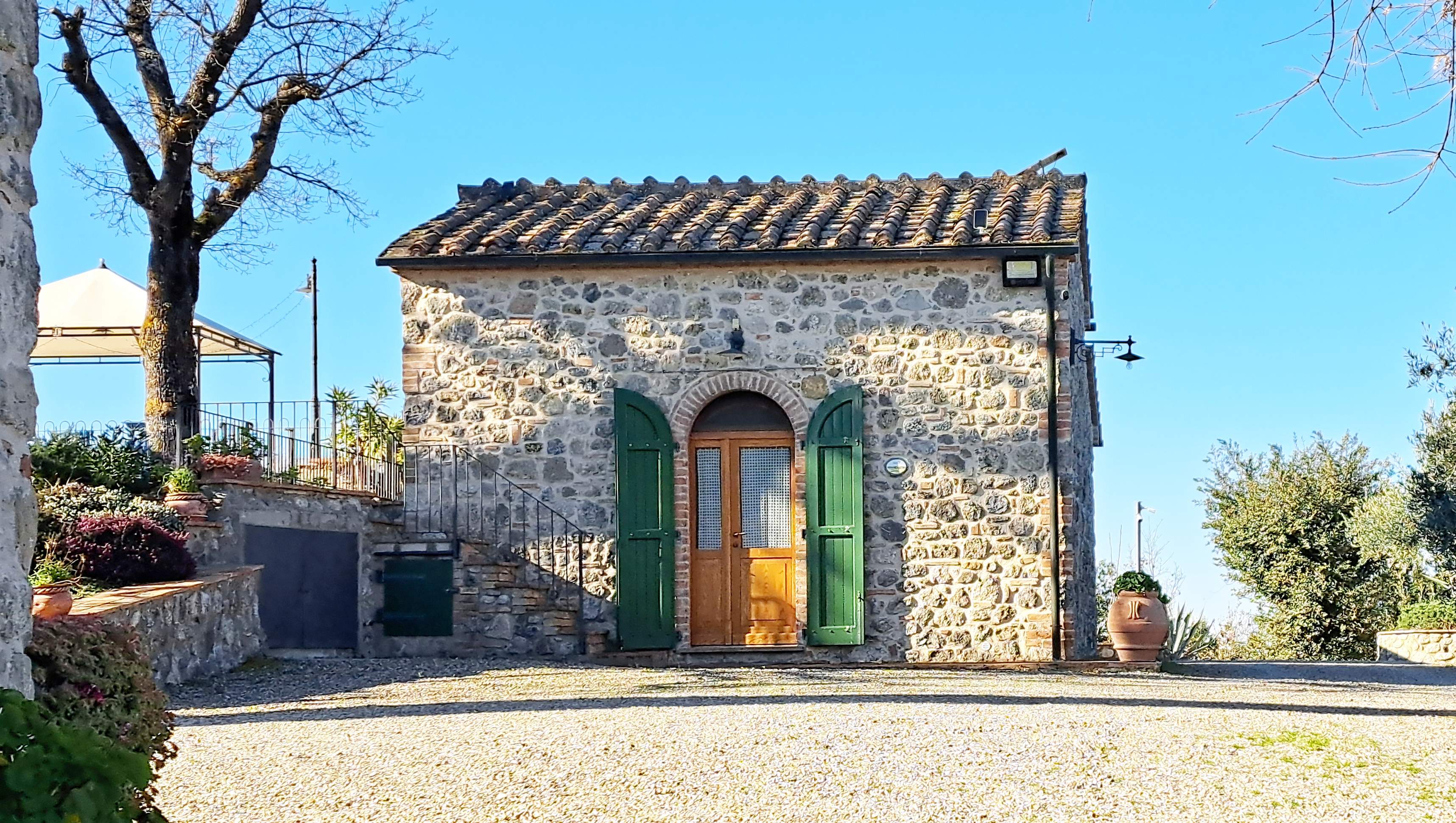
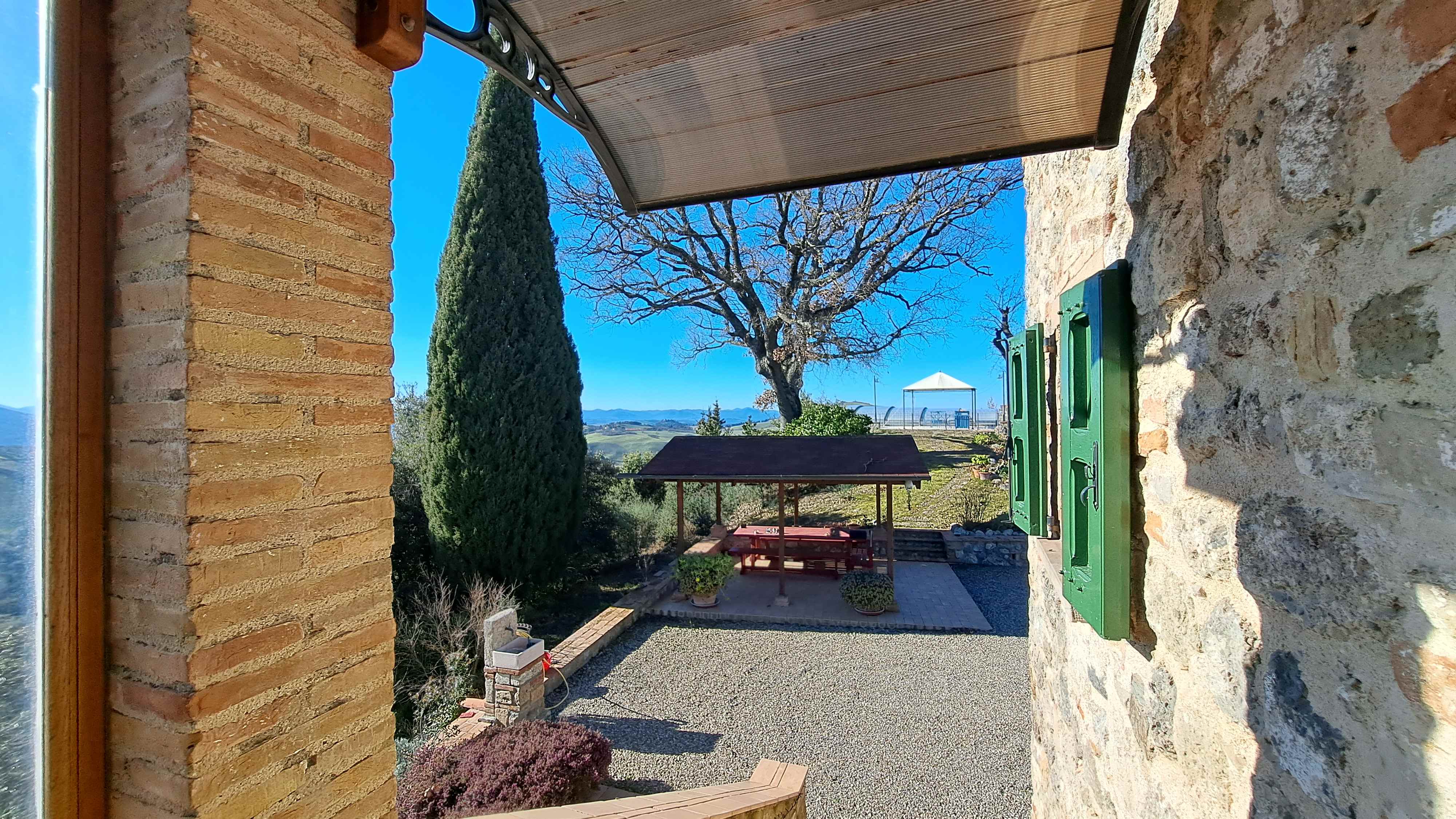
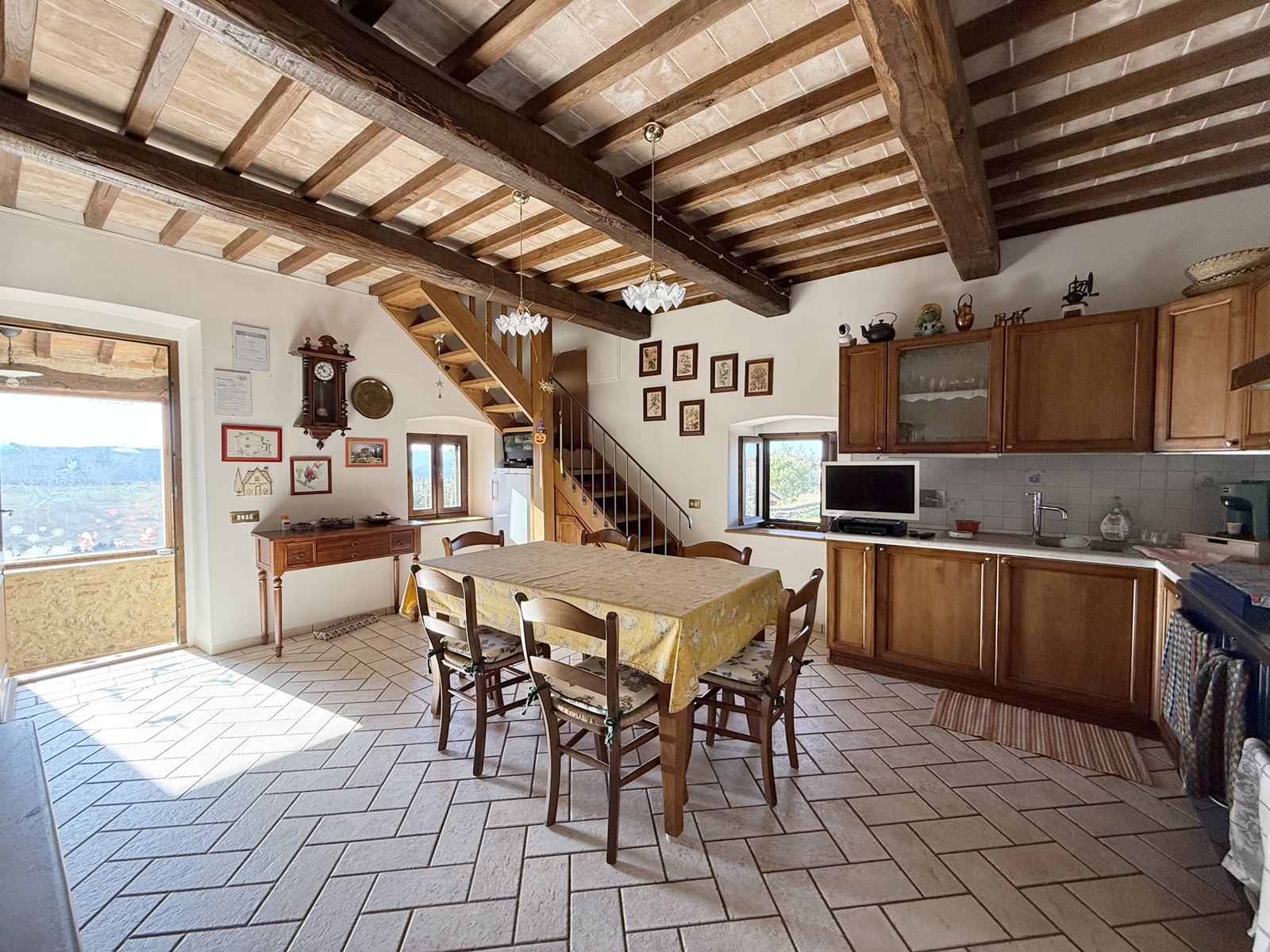
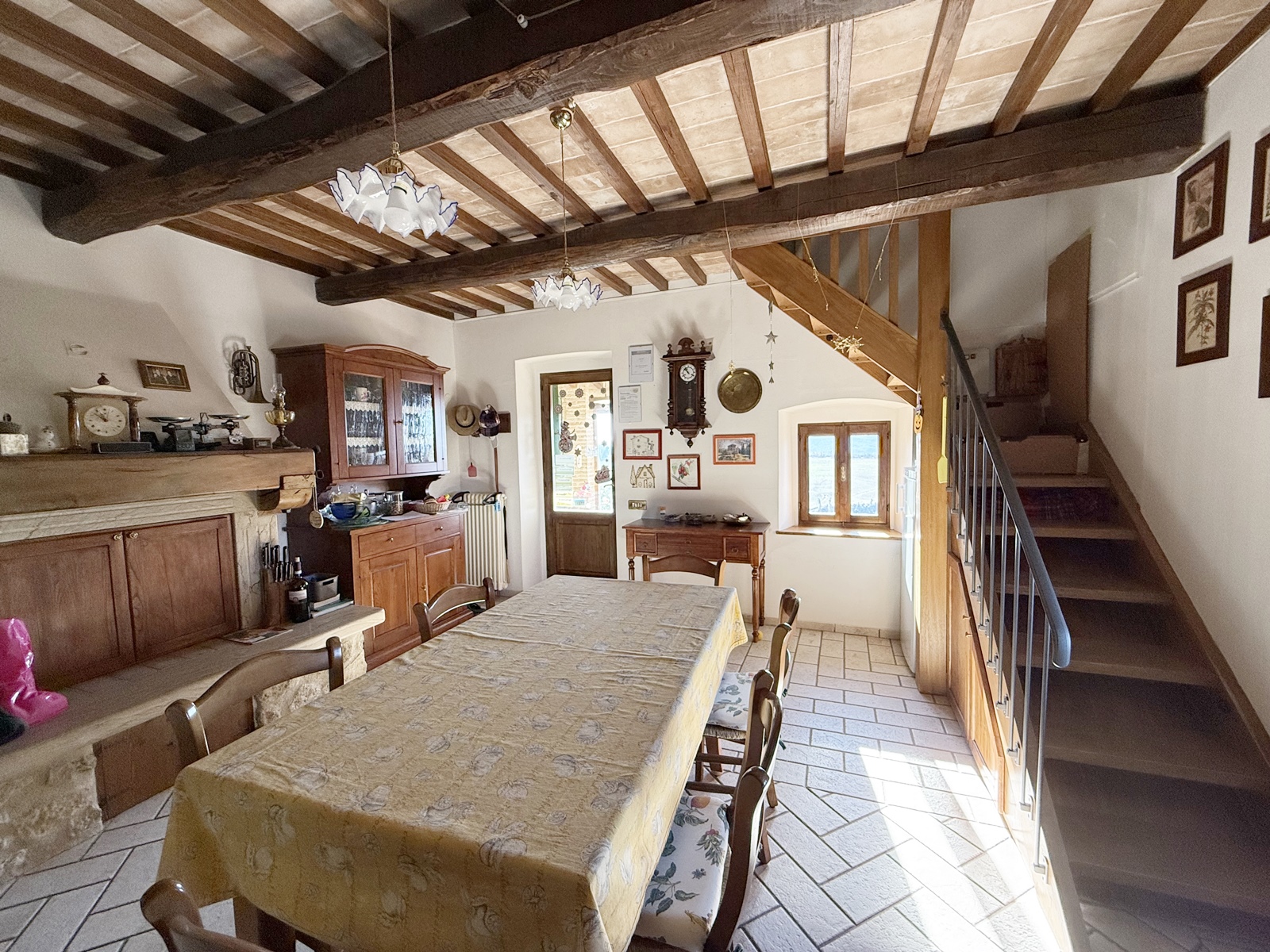
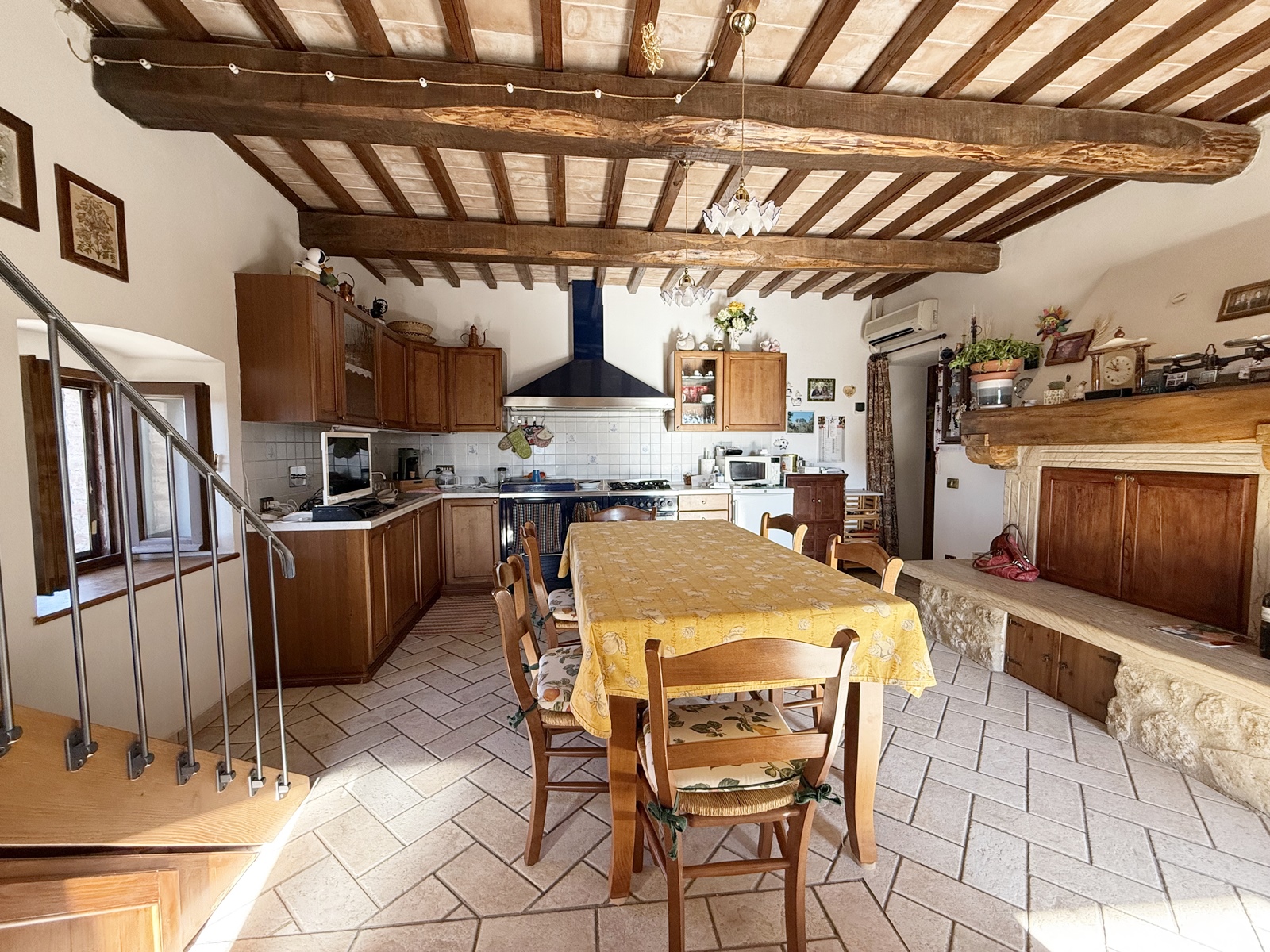
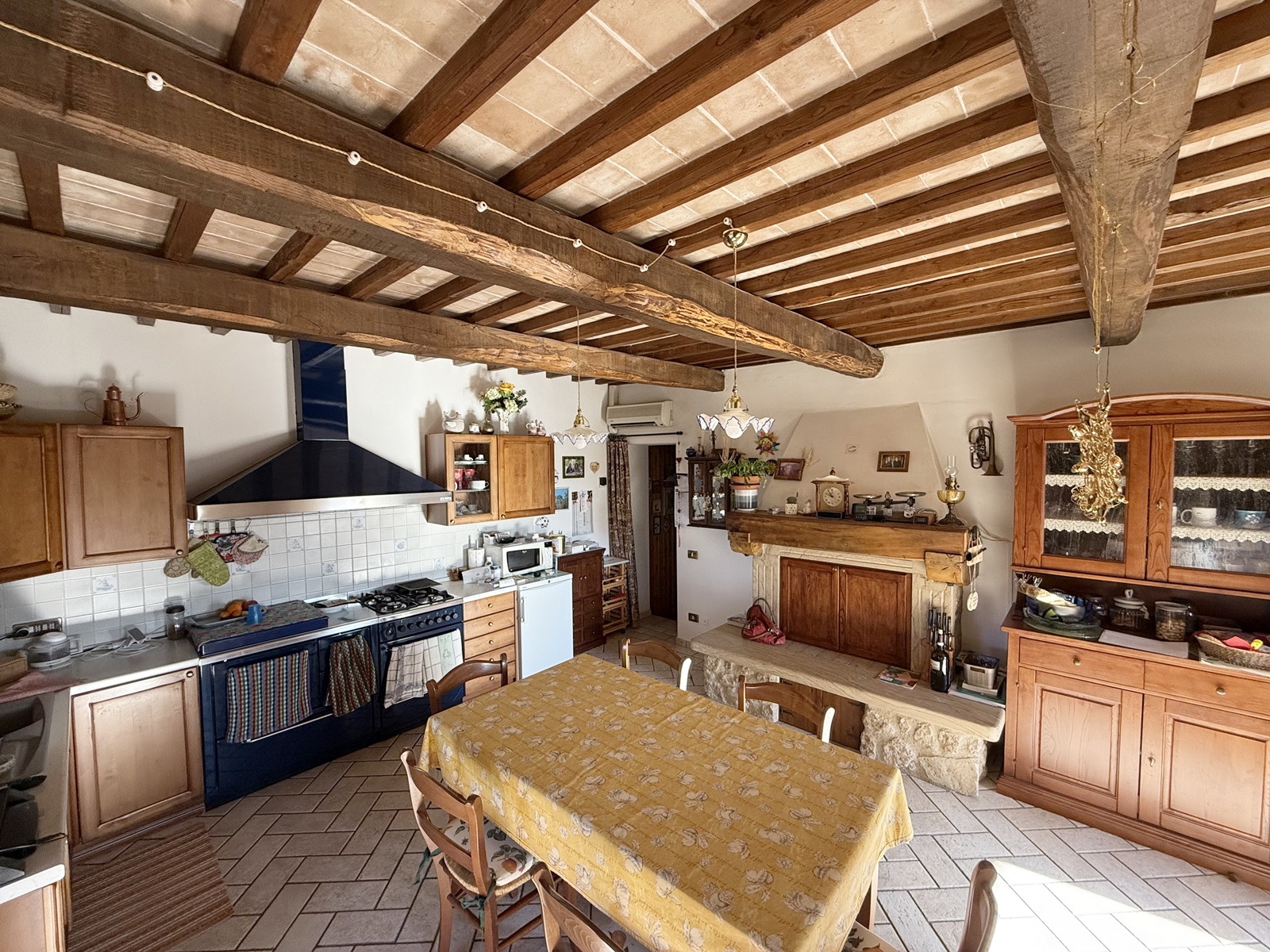
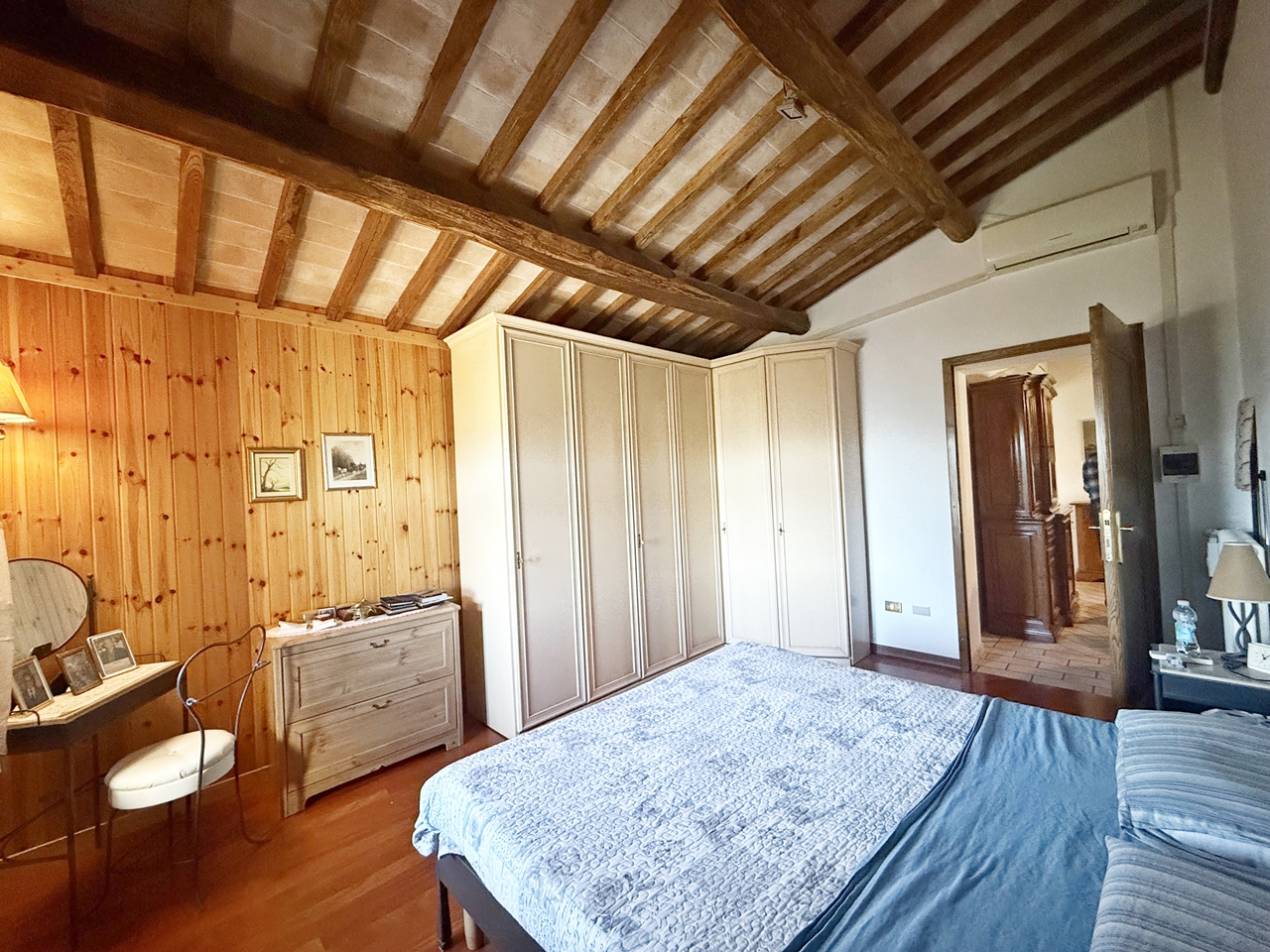
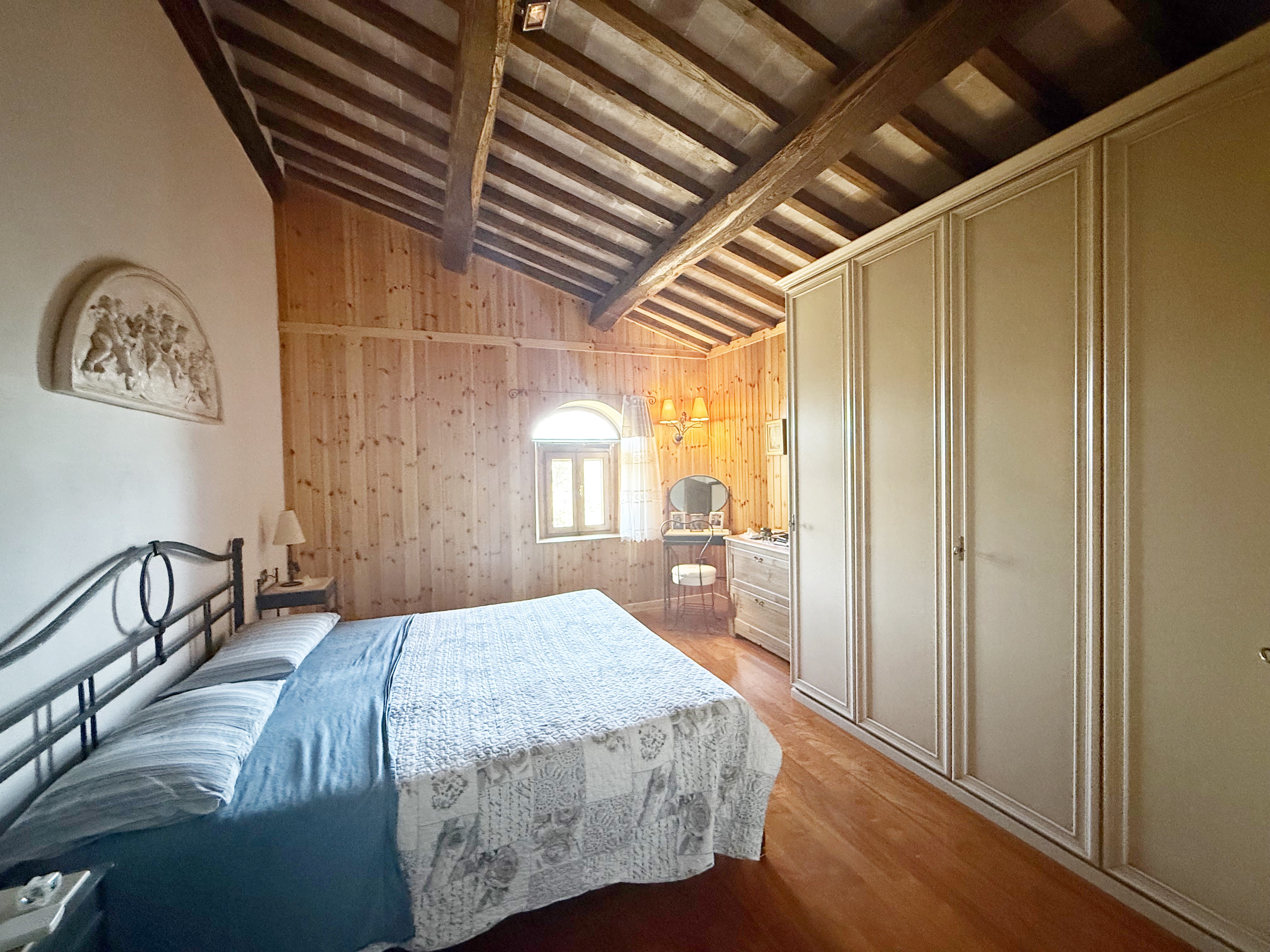
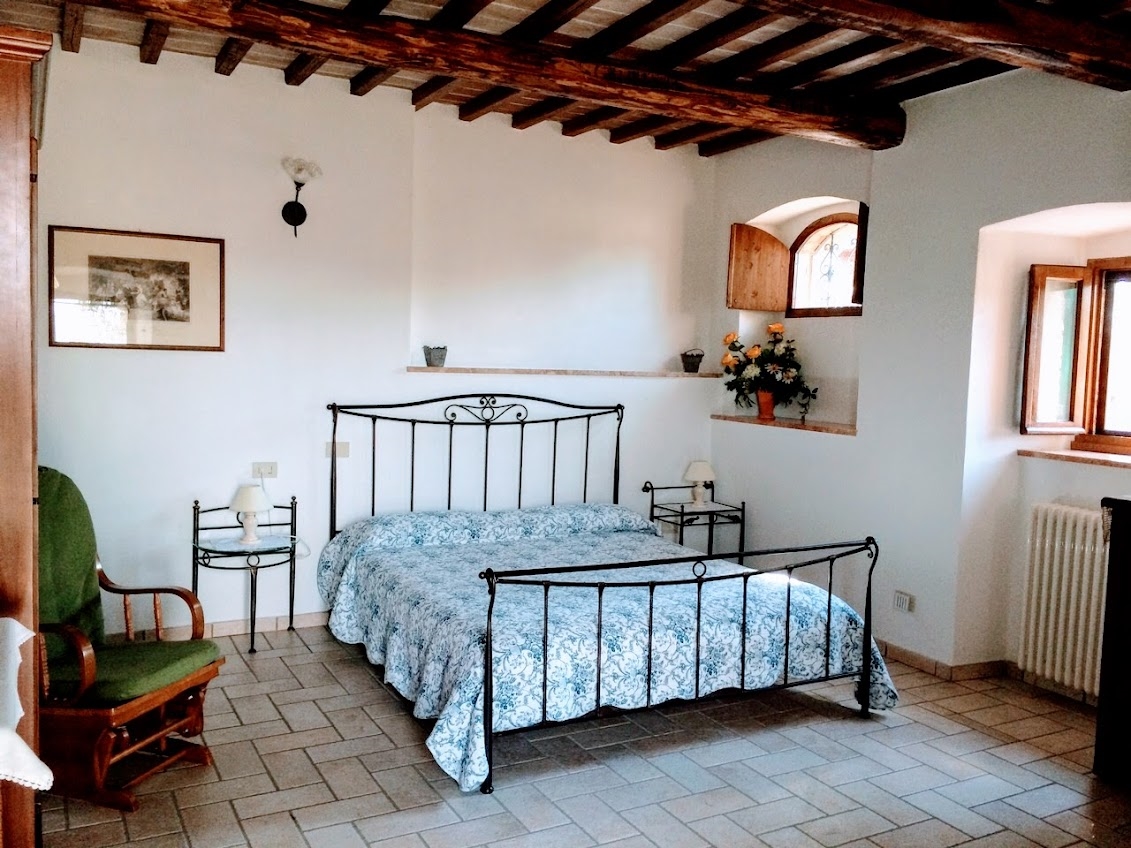
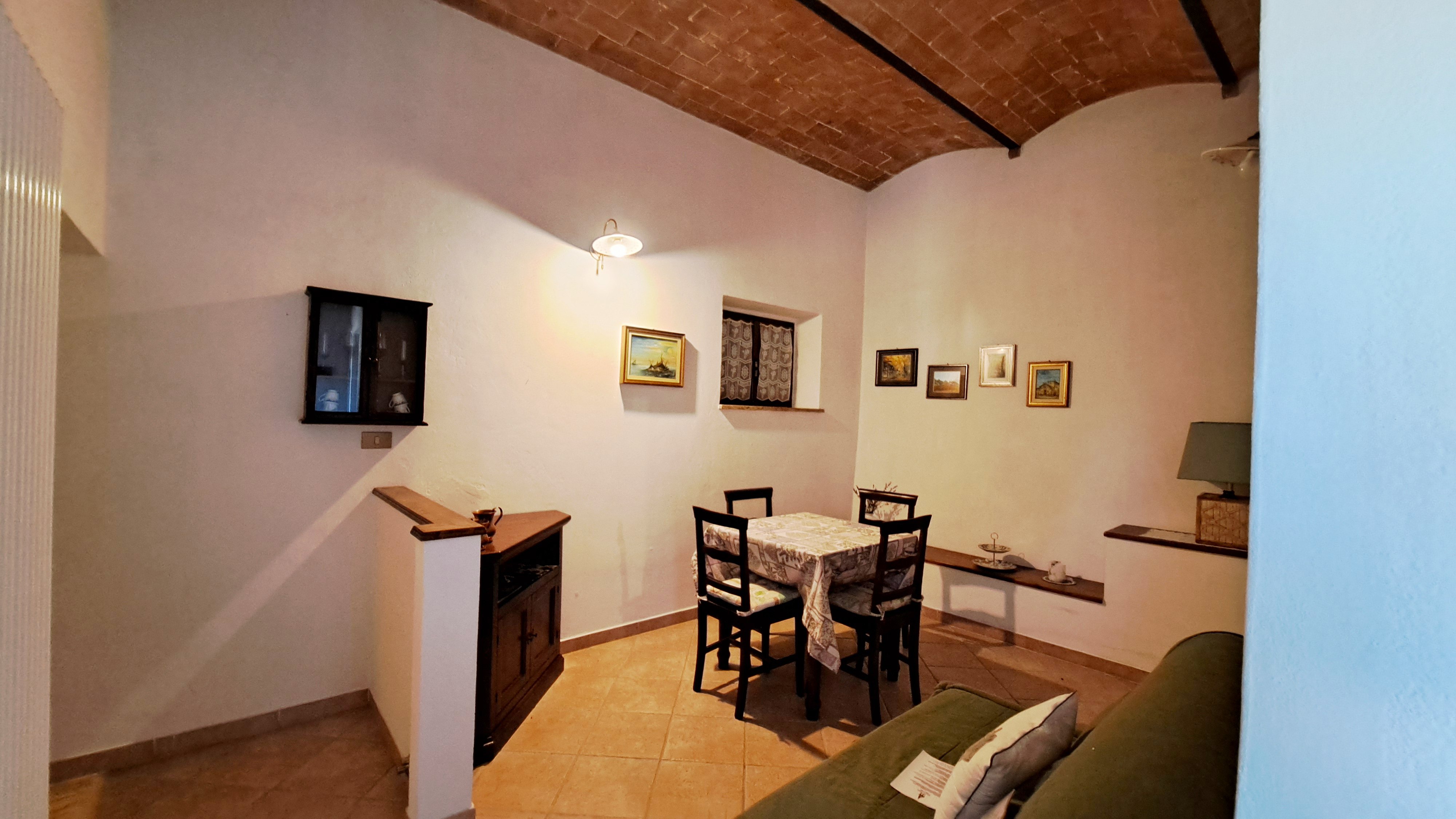
Tuscan farmhouses ( rustici) are built from local limestone and sandstone. While beautiful, they require specific maintenance.
- Structural Health: Check for "rising damp" (humidity) in thick stone walls, which lack modern damp-proof courses. Ensure the foundations are solid, as the clay-heavy soil in the Volterra area can shift during periods of drought and heavy rain.
- Renovation: Most farmhouses are under strict "Belle Arti" (Fine Arts) restrictions. You often cannot change the window sizes, external stone color, or roof tiles.
- Costs: Renovation costs are high (typically €1,500–€2,500 per sqm for high-quality work). Skilled local geologists and architects (geometra) are essential to navigate the complex building permits (SCIA).
Buying as a Foreigner
Italy’s buying process is rigorous but transparent if you have the right team:
- Codice Fiscale: You must obtain an Italian tax code first.
- Proposta d’Acquisto & Preliminare: A formal offer followed by a preliminary contract and a deposit (usually 10-20%).
- The Notary: The Notaio represents the State, not you. They ensure the title is clean, but you should still hire an independent lawyer to check for hidden liens or agricultural "pre-emption rights" (where neighbors have first right of refusal).
- Taxes: If buying as a non-resident, expect to pay 9% land registry tax on the cadastral value (not the purchase price) for non-luxury homes.
Watch out for: Ensure all renovations done by the previous owner were fully permitted. If not, you inherit the "abuse" and the fines.
Community & Expat Life
There is a sophisticated, low-key expat community in Volterra consisting mainly of Northern Europeans and Americans. Unlike the "Chianti-shire" areas, expats here tend to integrate more with locals.
- Language: In the shops, you can get by with English, but for a farmhouse lifestyle (dealing with plumbers, farmers, or the municipality), Italian is vital.
- Social Life: Integration happens through "doing." Join a local olive oil cooperative or participate in the numerous festivals (Contrade). Volterrans are initially reserved but deeply loyal once a friendship is established.
Volterra offers a rare balance: it is a monumental city of art that still feels like a functioning agricultural town, providing a high quality of life for those willing to embrace the pace of the Tuscan countryside.