Why Languedoc-Roussillon, Aude, France
The Aude department, often referred to as "Cathar Country," offers a compelling alternative to the overpriced French Riviera. For family buyers, it represents the "authentic" South of France: a landscape of dramatic limestone citadels, rolling vineyards, and the serene Canal du Midi.
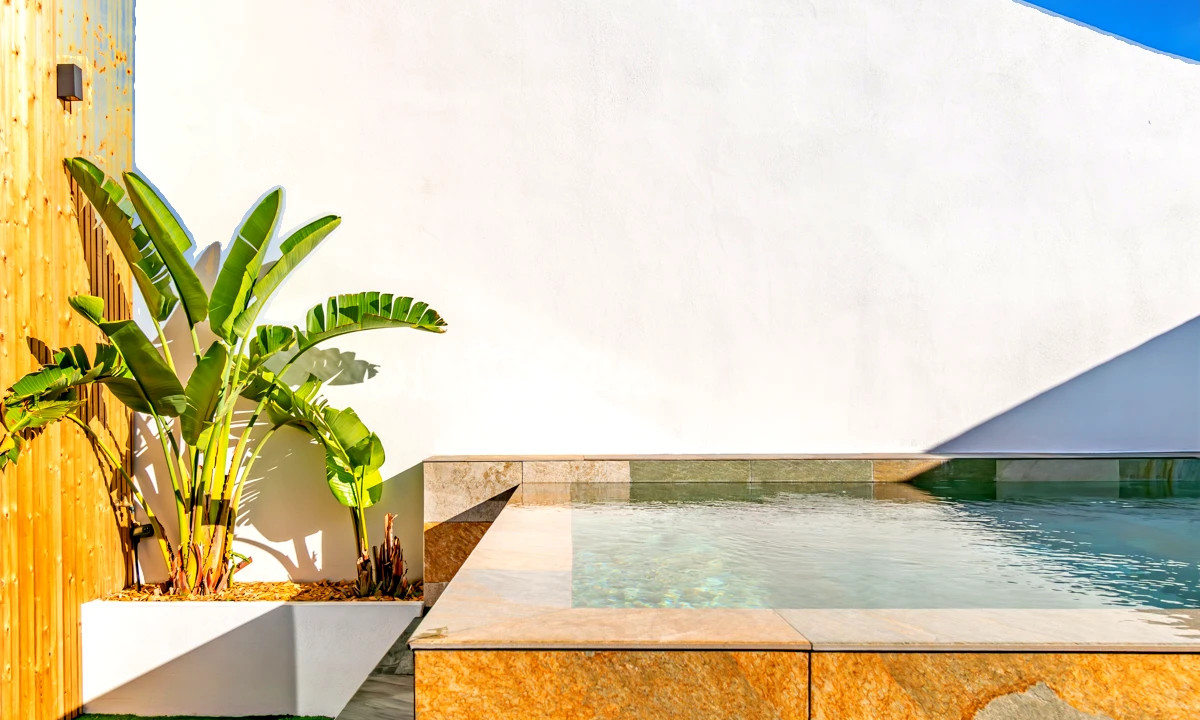
Investors and homebuyers are drawn here by the value for money. You can often purchase a sprawling stone manor or a villa with a pool in Aude for the price of a small apartment in Cannes. It provides a diverse geographical mix, stretching from the sandy Mediterranean beaches of Narbonne to the rugged foothills of the Pyrenees, making it ideal for families who crave outdoor variety.
Climate & Lifestyle
Life in Aude follows the rhythm of the seasons and the vine.
- Climate: Expect hot, dry summers (often exceeding 30°C) and mild winters. However, the region is famous for the Tramontane—a powerful, dry wind from the northwest. While it clears the skies to a brilliant blue, it can be chilly and persistent.
- Rhythm: Daily life is centered around the village square. Markets (like those in Lézignan-Corbières or Revel) are the social highlights of the week.
- Culture: The lifestyle is famously "slow." Lunch breaks are long, and the local cuisine is hearty, featuring cassoulet, wild boar, and world-class Corbières wines. It is less "glitzy" than Provence and far more laid-back.
Getting There & Around
Aude is exceptionally well-connected for international owners:
- Airports: Carcassonne Airport is a major hub for budget airlines (Ryanair). For more global connections, Toulouse-Blagnac and Montpellier airports are both within a 60-to-90-minute drive.
- Roads & Rail: The A61 motorway (the Autoroute des Deux Mers) bisects the department, connecting the Atlantic to the Mediterranean. The TGV (high-speed train) stops in Narbonne and Carcassonne, putting Paris about five hours away.
- Transport Note: A car is non-negotiable if you live in a village. While rail links between towns are good, rural bus services are infrequent.
Practical Living
For long-term family living, Aude is well-equipped but requires some navigation:
- Healthcare: Facilities in Carcassonne and Narbonne are excellent. For specialized care, the university hospitals in Toulouse are world-class.
- Education: While there are fewer "International Schools" than in Paris, the International School of Toulouse is reachable for those on the western edge. Most expats opt for local French schools, which are generally welcoming to foreign children.
- Connectivity: Fiber optic (Fibre) is being aggressively rolled out even in rural "black zones," but always verify the connection speed of a specific property before buying if you work from home.
- Shopping: Large "Hypermarches" (Leclerc, Carrefour) are located on the outskirts of towns, but smaller Boulangeries and Épiceries remain the heart of village commerce.
Property Considerations
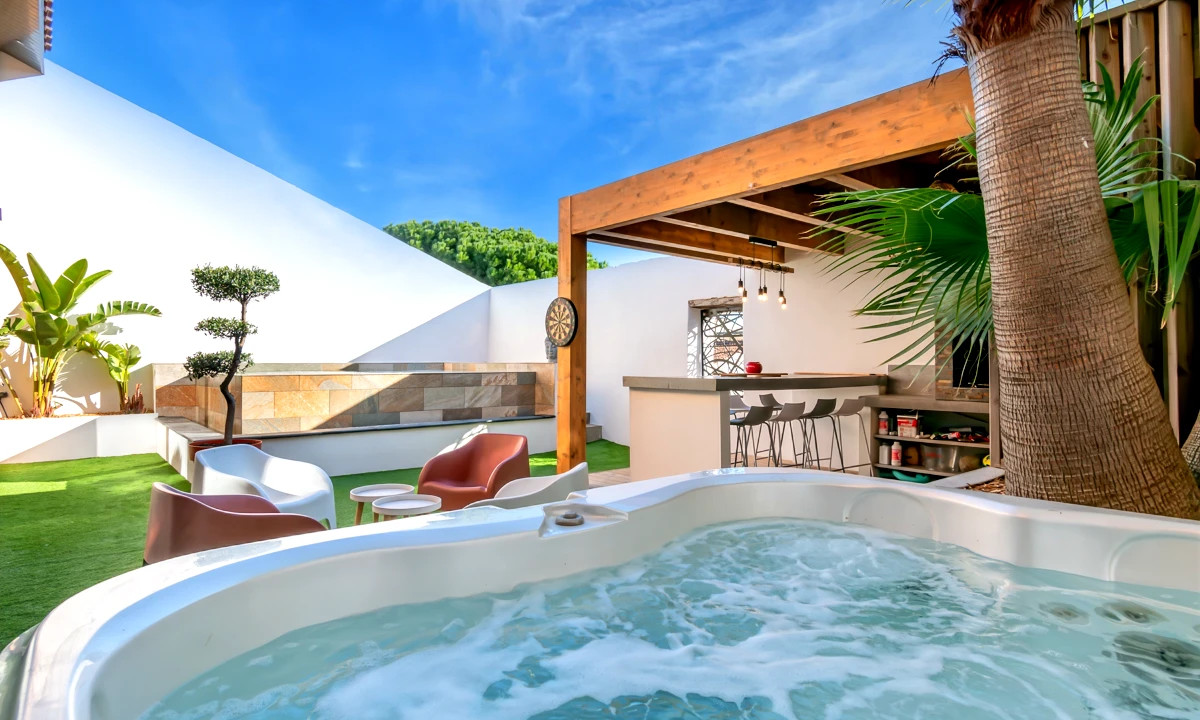
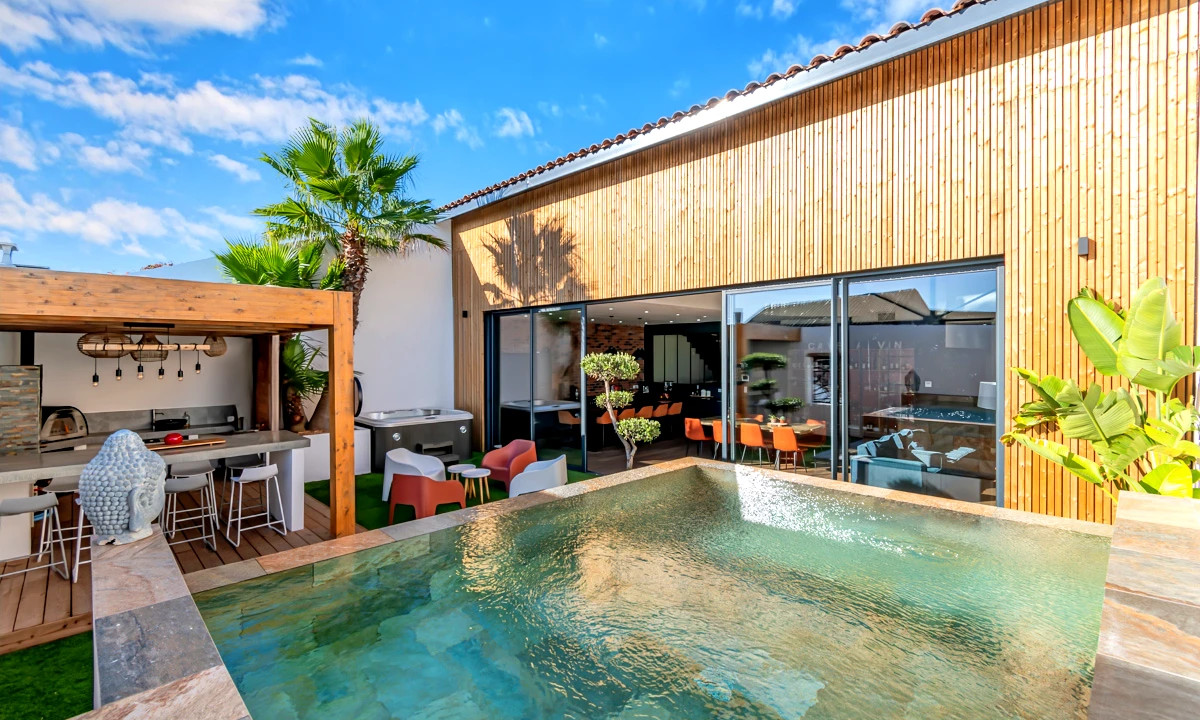
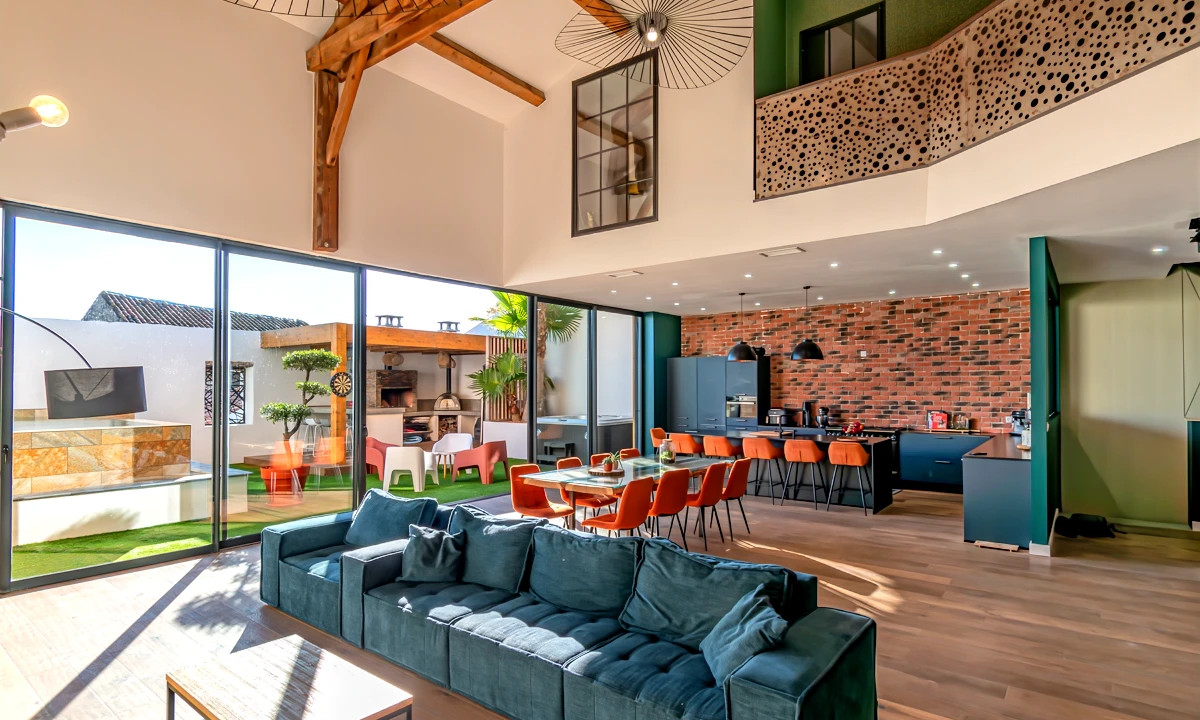
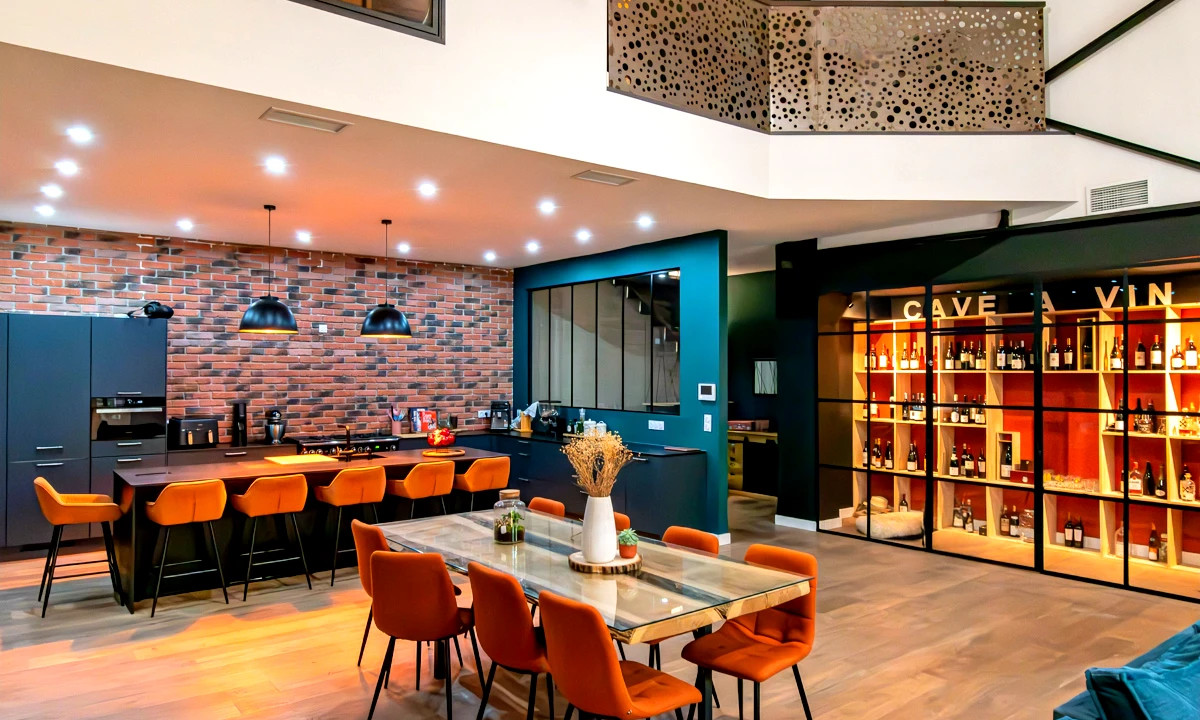
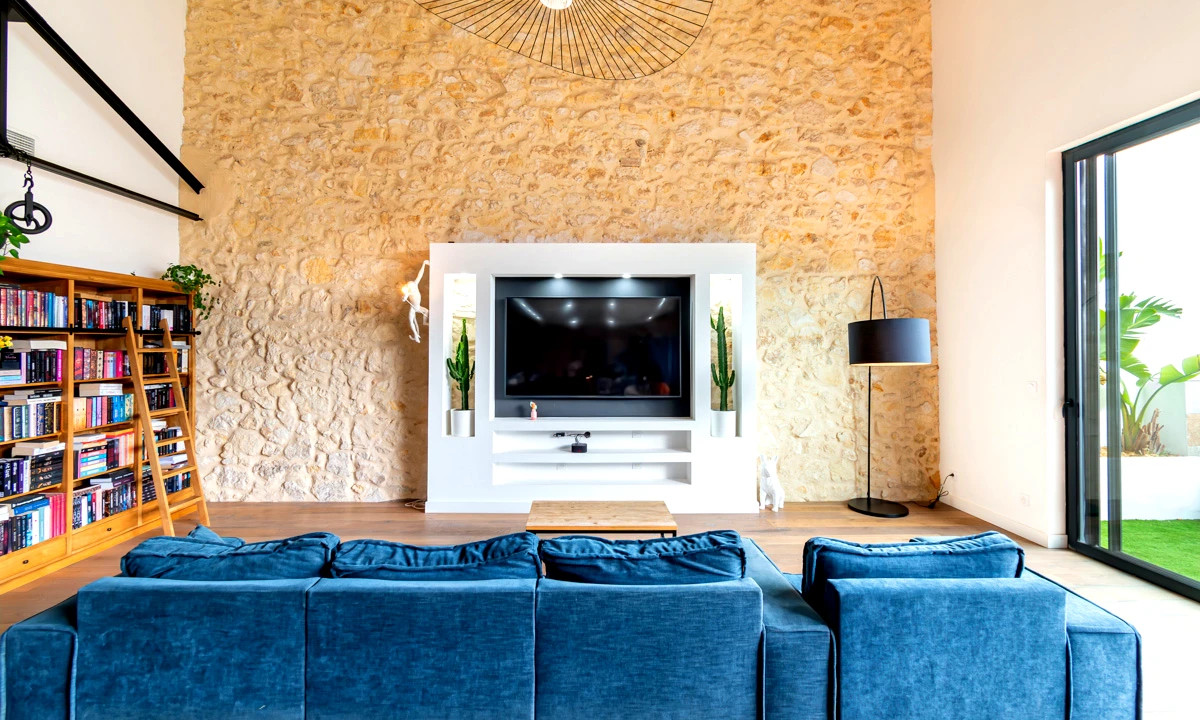
Buying a family home here usually means choosing between an Aubergine (stone farmhouse), a Maison de Maître (grand town house), or a modern villa.
- Watch Outs: Older stone properties often suffer from rising damp due to a lack of damp-proof courses. Always check for termites, which are prevalent in the south; a "Diagnostic" report is mandatory during sale.
- Flood Zones: Aude is prone to "flash floods" (épisodes cévenols). Check the Plan de Prévention des Risques d'Inondation (PPRI) to ensure the house isn't in a high-risk red zone.
- Renovations: Skilled artisans (artisans) are available but in high demand. Quotes (devis) can be slow to arrive. Be aware that any exterior change (even shutters) in a protected zone near a historic monument requires approval from the Architecte des Bâtiments de France.
Buying as a Foreigner
The French buying process is highly regulated and generally safe:
- The Notaire: The Notaire acts for the state, not just the buyer or seller. They handle the title deed and taxes. It is highly recommended to appoint your own English-speaking Notaire rather than using the seller's.
- Costs: Budget an additional 7-8% of the purchase price for "Notaire fees" (which are actually mostly government transfer taxes).
- The Process: You start with a Compromis de Vente (preliminary contract), followed by a 10-day cooling-off period. Completion usually takes 3 to 4 months.
- Post-Brexit/Non-EU: Non-EU residents (including UK and US citizens) can buy freely but are limited to 90 days out of 180 unless they apply for a Long Stay Visa.
Community & Expat Life
Aude has a thriving, eclectic expat community—mostly British, Dutch, Scandinavian, and North American.
- Integration: Locals are generally welcoming but appreciate effort. Learning basic French is the difference between being a "tourist who lives there" and a member of the community.
- Social Life: Integration often happens through the Mairie (town hall) events or local associations (sporting clubs, wine committees).
- The Vibe: Unlike the Riviera, there is little resentment toward foreigners, as they have played a massive role in restoring crumbling village houses over the last 30 years. However, expect a slower pace of service—patience is a required local skill.